Introduction
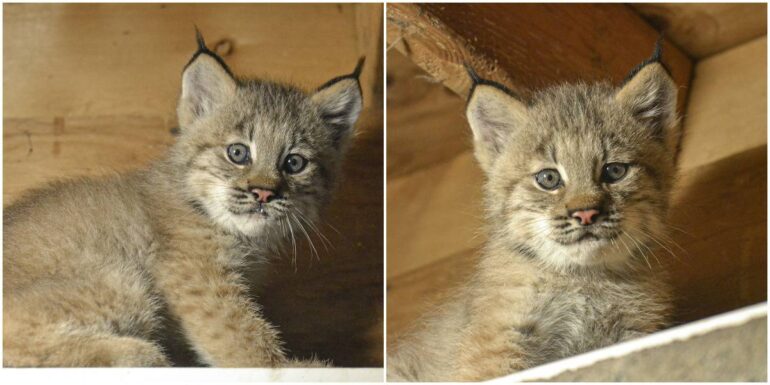
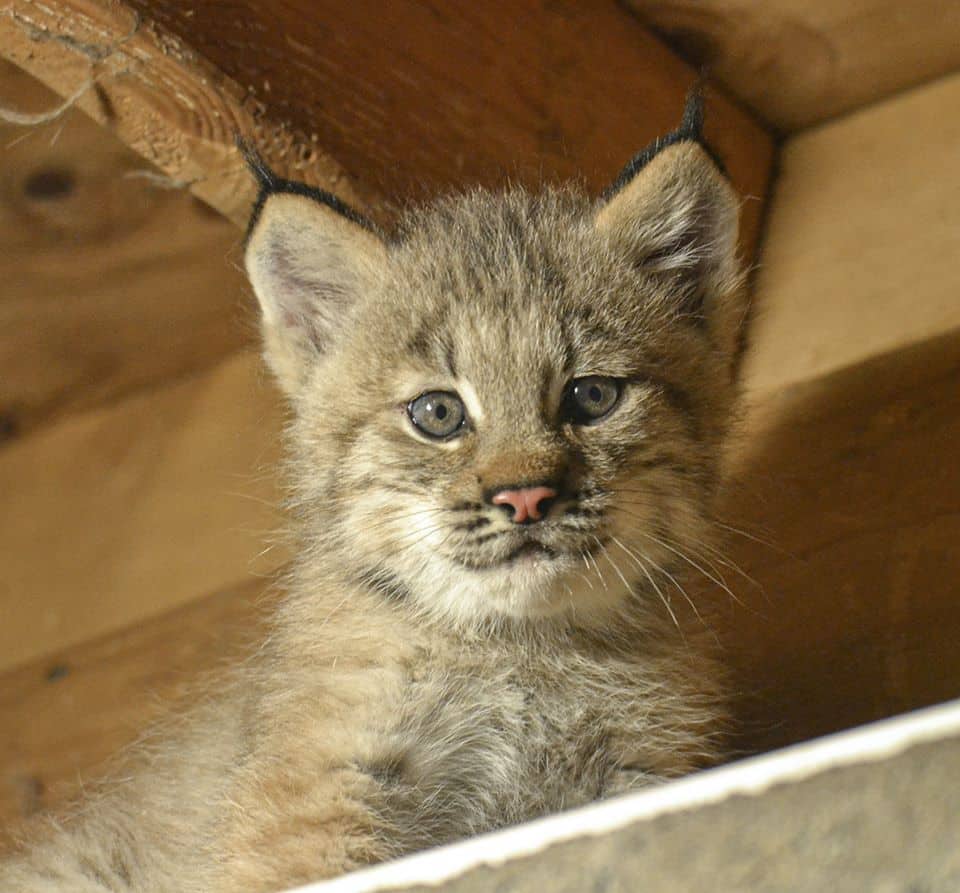
For many wild cats, breeding in captivity doesn't always prove effective. But when it proves successful, it brings hope for the conservation of quickly dwindling species of big cats. There is an overabundance of domesticated felines in the US today, but we certainly cannot say the same for the big cat species that are native to North America. Their habitats are dwindling quickly, which directly correlates to their decrease in numbers. When we hear of new kittens born to our big cat friends, it often makes us smile. For two Canada Lynx cats named Wren (7) and Woody (15), they welcomed three kittens to the world on April 17th of this year. 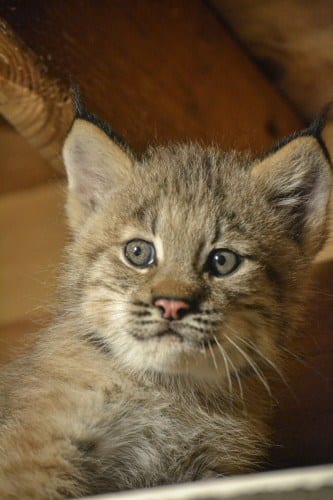 Wren was recently brought to ZooAmerica in November of 2019, in hopes of becoming a successful mate with Woody at ZooAmerica in Hershey, Pennsylvania. This small zoo is a member of the Association of Zoos and Aquarium’s Canada Lynx Species Survival Plan which works diligently to help preserve and protect the species. The sex of the Canada Lynx kittens has yet to be determined, ZooAmerica announced in a press release just this week to share the exciting news of these latest additions. This is a very exciting update for the good folks at ZooAmerica, as Wren and Woody's offspring mark the first successful litter at the park in 17 years time.
And, I must say, the Canada Lynx kittens are just too precious!
 Wren, featured below. Such a gorgeous gal! ZooAmerica debuted her on their Facebook page on November 10, 2019, saying that: "Please welcome Wren to ZooAmerica! This six year old female Canada Lynx has recently joined Woody on exhibit. Wren has quickly found her place in the habitat, occasionally even stealing Woody’s favorite spots! Be sure to stop by to catch a glimpse of our beautiful new cat!"
 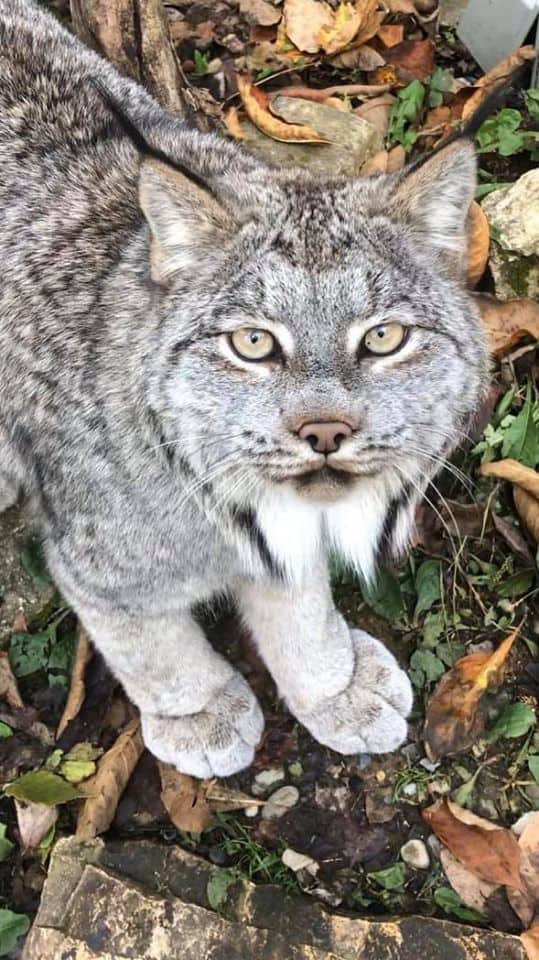 For more on Woody and Wren, click this link here that leads to their section on ZooAmerica's website.

In a press release from the zoo, they informed the public that:
"At this time, Wren and the kittens have a sectioned area of the habitat and the den area in the Northlands region of ZooAmerica to explore. Once the kittens are bigger, they will play and climb within the entire lynx habitat. The kittens will nurse for 4-6 months but have recently started to nibble on some meat. In the wild, Canada lynx prey mostly on snowshoe hares." If you'd like to read the press release in its entirety, you can do so here. Want to learn more about "the sweetest place on Earth" and all the amazing work that ZooAmerica does to help our animal friends? Visit their website here, or keep up with them on Facebook here. I'd like to give a big shout-out to these fine folks at ZooAmerica, and all that they do to help our animal friends and for educating the public on wild animals. 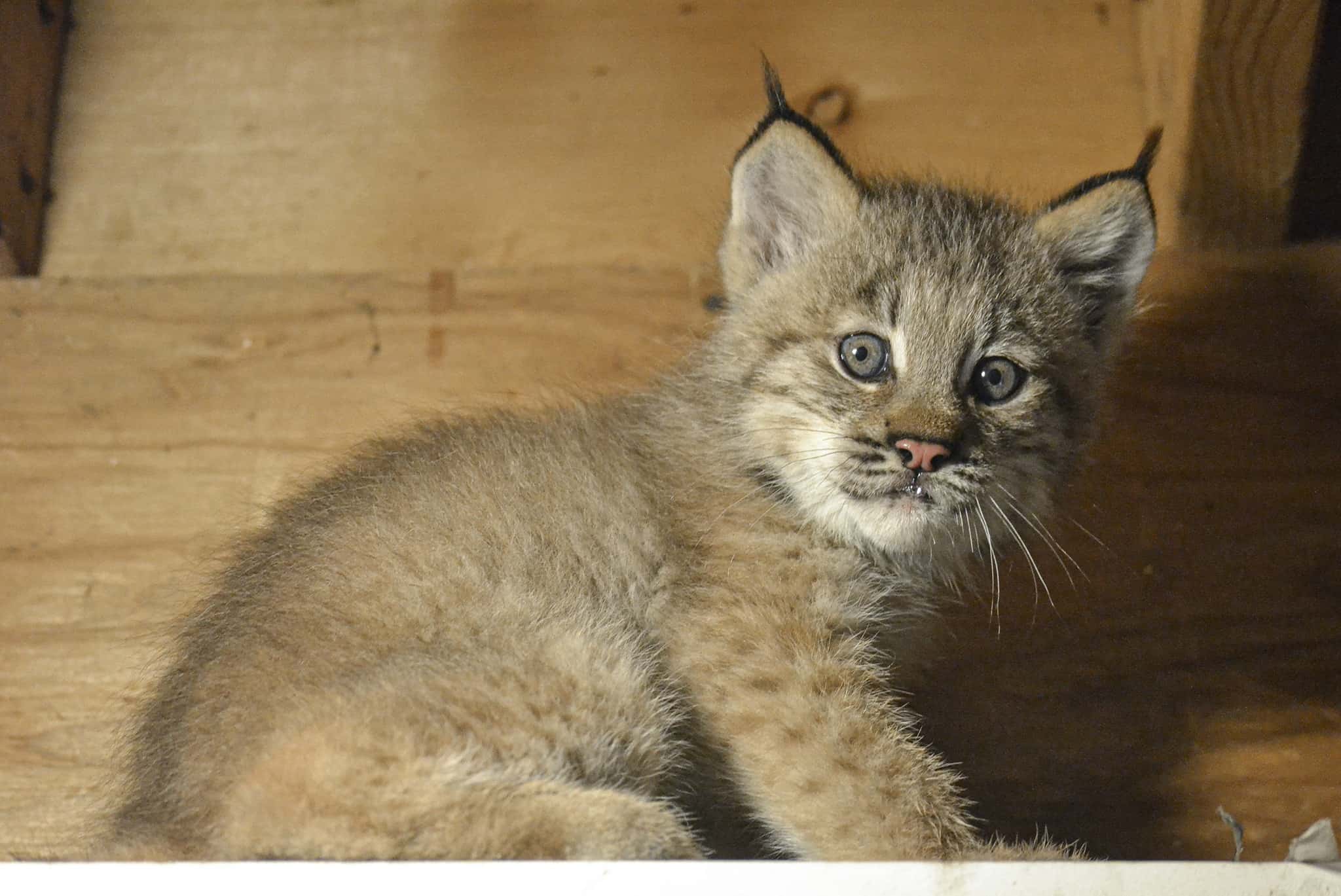
All Images Courtesy of ZooAmerica
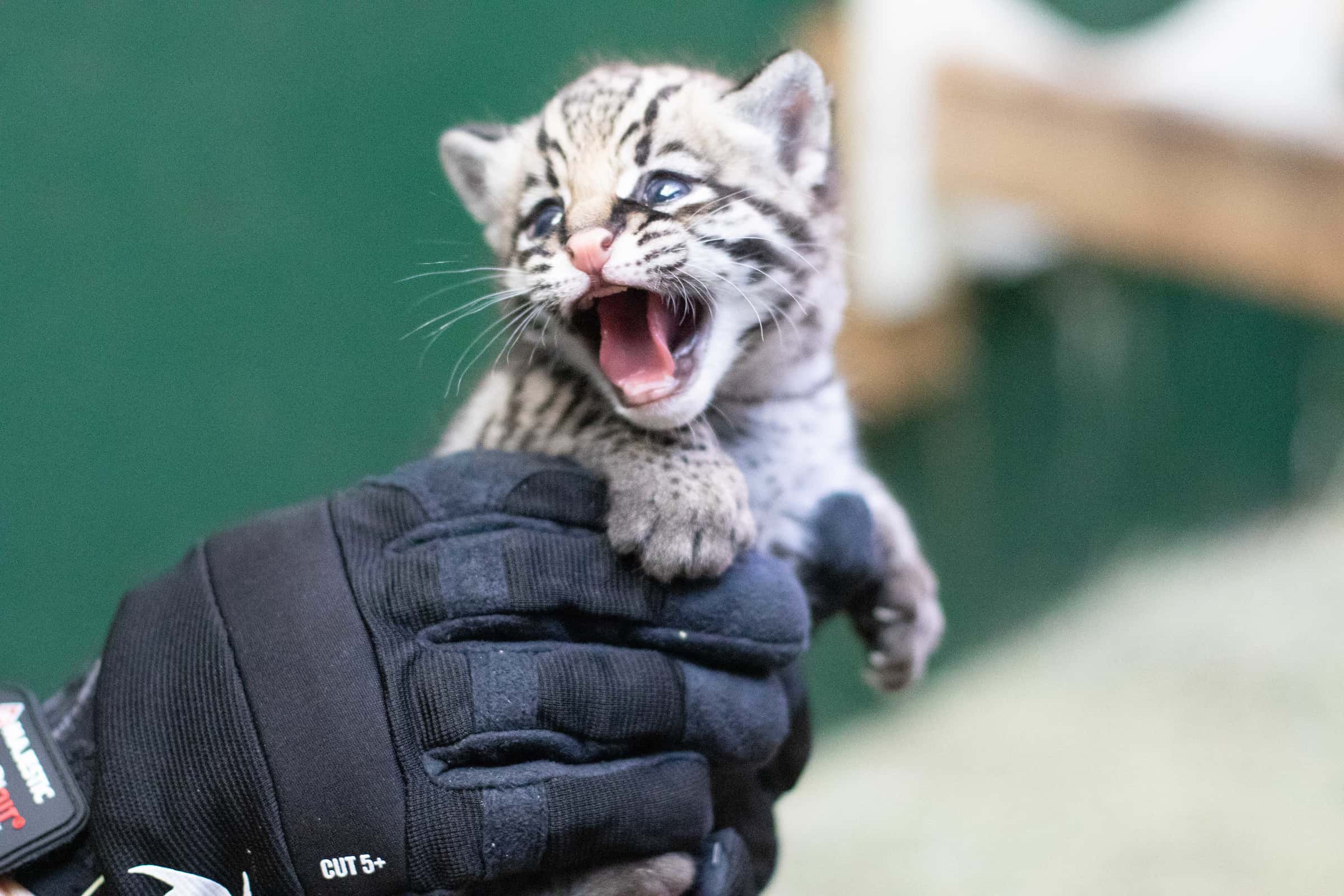
Want to see some more adorable big cat kittens? Check out this little bundle of adorableness born at the Audubon Zoo in New Orleans, Louisiana in May of 2020. This rare ocelot kitten is not only precious, but he/she is bringing hope for the species!