
Raising a kitten is a delightful experience filled with joy, entertainment, and, at times, unexpected surprises. Whether it’s your first time or not, each kitten presents its unique personality and quirks, warranting a learned approach in their upbringing. This exploration covers imperative aspects related to understanding your kitten’s behaviors, their nutrition and feeding habits, health, vet visits, socialization, training, and the transition from being a kitten to a full-grown cat. The journey from bringing home a tiny ball of fur to watching it grow into a mature, responsible feline is enchanting, and understanding it in depth will help foster a more rewarding companionship with your pet.
Understanding Your Kitten’s Behaviors
Understanding Your Furry Friend: Unraveling the Mysteries of Kitten Behavior
Hello and welcome, marvelous moms and dedicated dads! Diving straight into the world of parenting once again, we’re turning our attention to the fluffiest members of our household. Those tiny little furballs can steal our hearts with a single “meow.” Nevertheless, understanding their peculiar behaviors can sometimes prove a puzzle. So let’s decipher the language of kittens together and make our home a paradise for our little feline angels.
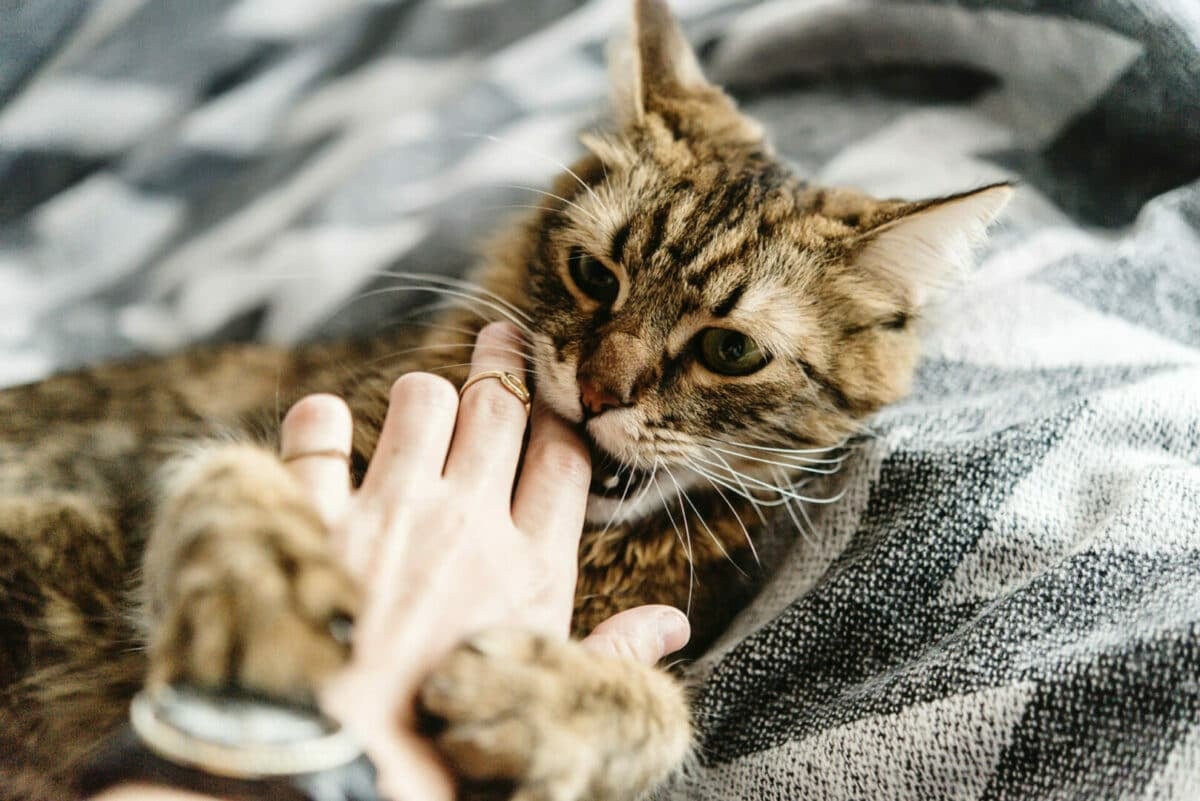
First things first: kittens, like toddlers, are bundles of energy and curious creatures of habit. Their hyperactivity is not just adorable to watch, but is also a vital part of their development. It aids in the growth of their muscles, their coordination and their hunting skills. So when your new kitten starts attacking your feet in the middle of the night, take heart: it’s simply their playful nature shining through!
Furthermore, if you’ve noticed that your kitten is constantly purring, there’s no need for concern. Purring is most commonly a sign of contentment. It’s their way of telling you that they’re enjoying their bonding time with you, whether that’s during cuddles, grooming, or feeding times. Most kittens will even purr themselves to sleep!
Meanwhile, tiny kittens can display a strong instinct to knead on soft surfaces — your lap included. Their tiny paws moving rhythmically in and out is not only a sight to behold but is actually a behavior they have inherited from their ancestors. Kneading is often a sign of a content and relaxed kitten, harking back to their days as nursing newborns.
Yet, it’s not all purrs and kneading – kittens can be loud too! From short meows to longer mews, these vocalizations can signify a range of emotions or needs. Short, isolated meows might be your kitten’s way of saying hello, while longer, drawn-out mews could signal they’re hungry or looking for attention.
Remember that kittens are adventurous explorers. Their playful behavior like chasing, pouncing, and batting at objects might be a sign that they’re merely practicing their hunting prowess. Provide them with an array of stimulating toys to engage these instincts and foster a healthy developmental environment.
Speaking of environment, your kitten’s relationship with their litter box is crucial. Some might be reluctant or even frightened of the litter box at first, reflected through poor bathroom habits. But with patience, positive reinforcement, and providing a clean, safe litter box, they’ll understand the ritual in no time.
Finally, don’t be surprised if your kitten shows a liking for certain places in your home. They simply love to perch high and observe their domain, or snuggle into cozy corners during nap time. Ensuring your home is kitten-friendly with appropriate scratchers, beds, and safe high places to perch can satisfy their innate preferences.
So there you have it, dear readers – a quick insight into some of the most widely observed kitten behaviors. Understanding these can help us connect deeper with our tiny furballs. But remember, every kitten is different, so take your time to observe and understand their unique personalities. Embrace the adventure of raising a kitten and watch as they grow into your hearts and homes. As always, until next time, happy parenting to all!
Nutrition and Feeding Habits
Feeding Your Furry Feline: A Kitten Nutrition Guide
Deciphering a kitten’s behavioral language is only one aspect of raising your feline friend. As a parent to your adorable little ball of fur, it’s equally vital to ensure they’re receiving balanced nutrition to support their high energy levels and rapid growth. Let’s get into the hows and whys of feeding your kitten, without repeating what we have already discussed.
Firstly, it’s worth noting that kittens, much like human babies, have specific dietary requirements. They’ve not just mini versions of adult cats, and their nutritional needs vary significantly. During this rapid growth phase, kittens require nearly double the calories compared to adult cats and hence require meals rich in protein, fats, and healthy carbohydrates.
As for what you should feed your kitten, high-quality commercial cat food designed explicitly for kittens is typically the go-to. It’s expertly formulated to pack in all the essential nutrients necessary to bolster their growth and development. These typically include real animal protein in the form of fish or poultry, healthy fats for energy, and various vitamins and minerals that support immune health, coat luster, and overall development.
Wondering about wet food versus dry food? The truth is, both have their merits when it comes to feeding kittens. Wet food can be a great choice for kittens not drinking enough water and helps maintain their hydration levels. Dry food, on the other hand, is excellent for dental health and can be left out for ‘grazers.’ Ideally, a mix of both, with a higher emphasis on wet food is recommended.
How often should you feed your kitten? Kittens under six months should be fed three times a day, while those between six months to a year old can be fed twice daily. And remember, it’s crucial to divide their daily portion into multiple small meals.
Just like us, kittens thrive on routine, so try to establish consistent feeding times. But be careful not to leave the uneaten dry food out for too long as it could become stale or attract pests.
Last of all, always keep fresh water readily available for your feline friend, as hydration plays a key role in their health.
Bringing a kitten into your heart and home is indeed a joyous experience. Filling their lives with play, warmth, and suitable nutrition is the best thing you can do for your new family member. So keep these tips in mind while you cater to your kitten’s nutritional needs. Remember, a healthy kitten is a happy kitten!
Let’s continue nurturing our beautiful families, both two-legged and four-legged. After all, family is what truly makes a house a home.

Health and Vet Check-ups
As parents of both humans and animals, we understand that nurturing a kitten is just as demanding and rewarding as bringing up a little one. So, let’s venture into some essentials your kitten needs for a healthy upbringing, starting with dietary requirements.
Your tiny cat requires a specific diet to grow properly. As your kitten transitions, it needs a balanced nutrition consisting of animal proteins, fats, and limited carbohydrates. From week six to six months, your kitten is going through a rapid growth phase. These nutrients are critical for its development, so choose a high-quality commercial cat food that is labeled as complete and balanced for “growth” or “all life stages.”
Understanding the benefits of both wet and dry food is crucial. Wet food, which is moisture-rich, can help keep your kitten hydrated, especially if it doesn’t drink much on its own. It also helps reduce the risk of urinary tract problems later in life. On the other hand, dry food is beneficial for dental health as the crunchy kibble can help keep teeth clean.
It’s also important to establish a feeding schedule for ensuring a routine. Consider feeding up to four times a day when the kitten is between two to three months old. Afterwards, you can reduce it to three times a day up until they are six months old. Consistent feeding times not only keep your kitten satisfied but also aid in managing digestion and maintaining a healthy weight.
Hydration plays a significant role in a kitten’s overall health. Always ensure fresh water is available, regardless of the type of food you provide. Kittens also love to play in water, so don’t panic if you find paw prints around the water dish.
Let’s not forget, nurturing and caring for kittens isn’t solely about their physical health. Showering your furry friends with affection aids their emotional health too. Be gentle, give them cuddles, talk to them, and engage in lighthearted play. Your love will help them develop trust and a strong bond with you.
To wrap things up, don’t overlook vet appointments. Regular check-ups are vital to prevent potential health problems and ensure your kitten is developing correctly. The veterinarian can advise on the best diet, vaccinations, flea and worm treatments, neutering, and overall care.
Every kitten brings unique joy and challenges into a family. From their adorable kneading behavior to the growth milestones, each moment contributes to a fuller, happier home. So, embrace these golden days of kittenhood. Remember, just like our human babies, they grow up faster than we realize!

Socializing and Training Your Kitten
Title:Socializing Your Kitty: Essential Training Tips for New Feline Family Members
It’s an exciting time for your family, bringing home that cute, fuzzy, and oh-so-curious bundle known as a kitten! Now, with your basic understanding of their behaviors and care needs, it’s time to dive into the important task of socializing and training your kitten. Helpful, right? That’s what we’re here for!
You probably know by now, but in case it slipped past, socializing is crucial for your tiny fluffball. It means introducing them to a variety of people, animals, environments, and experiences in a positive manner to ensure our kittens grow into sociable, well-adjusted cats.
Start this process early while they’re still young, usually between two to nine weeks is optimal. During this time, expose the kitten to family members, friends, and even other pets in the household. Remember, each interaction should be positive, so always supervise, especially when other animals or young children are involved.
A critical aspect of socializing is the role play strategy. Allow your kitten to engage in pretend battles with their toys. In this controlled environment, you can gently discourage behaviors such as biting and scratching. By playing with your kitten regularly, you serve a dual purpose – cementing your bond and taming these wild instincts.
After socializing, let’s talk about basic training. Now, cats are independently-minded creatures, but that doesn’t mean they can’t be taught some manners or learn a trick or two. If you’ve established a feeding schedule and met all the nutritional needs specific to kittens, leverage this knowledge into making mealtime a training session!
A common useful skill to teach them is to respond when called. Each time you’re ready to feed your kitten, say their name. It won’t take long for them to associate their name with something pleasurable, and voila! You’ve taught your kitten to come when called.

Another essential training is discouraging destructive behaviors. If your furry mate is showing an interest in scratching furniture, introduce them to a scratching post. You can entice them by rubbing a little catnip on it or playing near it with toys. Remember, consistency is key. Whenever you notice your kitten scratching where they shouldn’t be, redirect them to the scratching post.
Regular visits to the vet also play a significant role in training your kitten. The vet can guide you on everything from vaccination schedules to spaying/neutering, and more importantly, these visits help your kitten become comfortable with car rides and clinic settings.
Grooming is a large part of a cat’s life. Early introduction to brushing, nail trims, and bathing (yes, some cats can tolerate the occasional bath) can make these routine tasks easier as they get older. Start slow, offer treats as rewards, and show them that grooming isn’t scary.
Now, these are just tips and tricks; the real magic comes from your patience, understanding, and love. Remember, most kittens want nothing more than to explore, play, and receive affection from their human family. So, cuddle up, and let’s get started making your new feline member feel welcomed, loved, and well-trained! And don’t forget to enjoy every purr and playful pounce along the way!
Transitioning From Kitten to Cat
Adapting to Growth: From Kittens to Cats
Raising a kitten can feel much like nurturing a baby, full of excitement, joy, and a touch of noisy nights. But as your kitten transitions into a mature cat, there are certain changes in its care that need to taken into account to ensure the health and happiness of your feline companion.
Right from their dietary needs to their social skills, kittens undergo a significant transformation as they grow. Understanding these changes and taking palliative care measures can make all the difference.
By the time a kitten starts reaching maturity, a definite feeding schedule should be place. This consistency helps set their internal clock and reduces the chances of overfeeding. As much as kittens love playful activity, this meticulous routine trains them into adapting their eating patterns.
While for kittens, it’s recommended to split meals into smaller portions throughout the day, for adult cats, a two-meal schedule suffices. It’s also more aligned with their natural hunting rhythm, keeping a balance between their rest and active periods.
Keeping your kitten hydrated is absolutely crucial. Kittens tend to get much of their hydration from their food, however, as they transition to being an adult, they may require supplemental water, especially if you’re feeding them dry kibble. Every cat parent should ensure their fur babies have regular access to fresh, clean water.
Training and socializing are integral parts of a kitten’s overall development. As kittens transition into adults, their socializing behaviors change too. While kittens may be a bundle of energy, always seeking play and interaction, adult cats are more independent and can be selective in their social interactions.
Early socialization and gentle handling of kittens help mold them into gentle and confident adults. Reward-based training can also be instrumental in discouraging destructive behaviors and promoting appropriate ones.
Preventative care is another key aspect of ensuring your cat’s longevity. Regular vet visits should not just be for when your cat falls sick, rather they should also be for general check-ups or vaccinations. Your vet can provide valuable advice on any changes to be made in your cat’s diet, routine, or lifestyle based on their growth and health condition.
Decking up your house with scratching posts or trees can help keep a kitty’s natural scratching instincts at bay and save your house and its furniture from turning into a scratching playground!
As kittens reach their senior years, their grooming needs increase too. Introducing grooming tasks like teeth brushing, nail trimming, and regular brushing at an early age can make these tasks easier as they age.
Most importantly, kittens flourish in an environment of love, patience, and understanding. Be empathetic towards their needs and intuitive to their behaviors. You’ll be surprised at how much they communicate their needs if you just observe. Providing emotional support can help reinforce their emotional health, just as much as a balanced diet or regular exercise does.
Raising a kitten is nothing short of an adventure, filled with joys and trials. But you know what they say, the satisfaction of watching your little fur ball grow into a majestic cat surpasses any hurdle along the way!

Every cat owner will agree that the journey of raising a kitten into a healthy, well-adjusted cat is just as rewarding as it is challenging. The bond that forms over time is priceless, and understanding your pet’s behavior, nutritional needs, health requirements, social interactions, training, and transition to adulthood is part of that journey. The knowledge gleaned empowers you to make the best decisions for your furry buddy and paves the way for a lifetime of happiness and shared experiences. Though all cats maintain their inherent, mysterious catitude, a careful passage through their kittenhood often reflects in their adult behavior, so here’s to being an informed, caring, and loving cat parent.