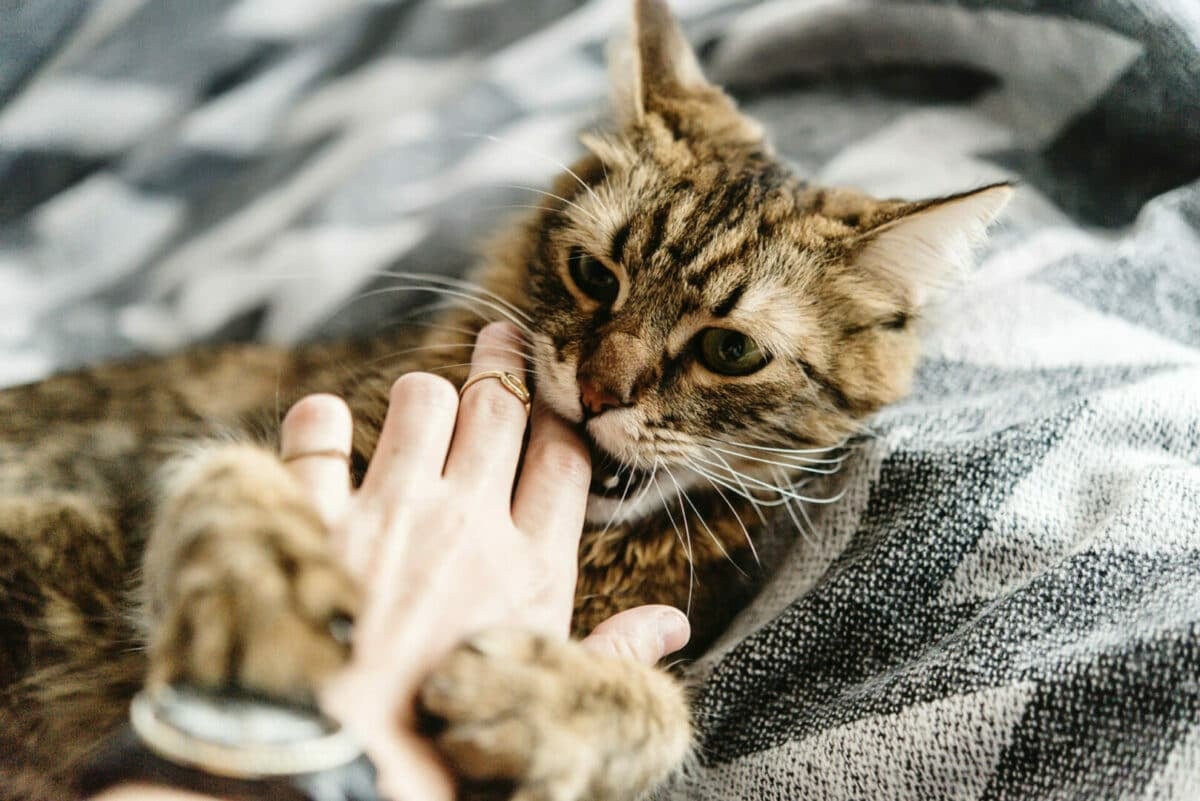

If you live in a world where your houseplants and succulents are your babies, you most likely have a somewhere. This is excellent for on-the-go households and families that love the aesthetic of having plants around! It’s a hardy that’s surprisingly hard to kill. It’s able to survive in both indoor and outdoor environments which makes it quite an impressive . Although it’s a dangerous , people can handle it quite well and most likely aren’t munching on the leaves of this . On the other hand, our furry friends aren’t aware of the potential dangers hiding in the plant.
C are known to nibble on different grasses and plants they come across. This curious behavior is found in stray , house , and even feral that live in the wild. Being carnivores, it might surprise you they’re drawn to chewing on different houseplants, but their goal is to get all the nutrients they can in their natural state. Therefore, it’s important to watch out for . Unfortunately, , like Snake Plants, are toxic to our little feline friends. If you have a in your home, suspect your cat may have ingested some, or just want to learn more about safe plants, this is the article for you! Sit back and discover the best tips and tricks on handling and some safer alternatives to Snake Plants and other succulents that may be a danger to cats.

What is a , and Why is It a Poisonous ?
Snake Plants are a part of the succulent family and are often found in households. This is excellent for beginners because they are easy to grow. Even though they are easy to grow, pet owners should beware as this is highly toxic.
There are many , and it’s important for new and veteran pet owners to do their research before bringing these plants into the home. Our furry friends tend to have more sensitive stomachs than us and will generally nibble on whatever they find interesting. Unfortunately, the is one of those that cats should avoid chewing.
Saponins are chemicals in poisonous plants that cause high toxicity. The contains Saponins which makes them highly poisonous to cats. Saponins are chemical compounds found in a variety of plants, not just Snake Plants.
While Saponins aren’t deadly to animals that ingest them, they will make them sick. They are considered mild to moderately toxic to our little loved felines and, depending on how much is consumed, could affect each cat differently.

What Happens If My Cat Eats This
When our kitties show signs of having a stomachache or are simply not acting normal, it can be a cause for concern for any pet owner. levels are typically relatively low, which is definitely good news. If your cat does nibble on the leaves of a Snake Plant it usually takes 2 to 3 days for them to fully recover and get back to their usual shenanigans. It’s important to know the signs and symptoms related to For instance, when cats ingest leaves of the it can be detrimental to your feline’s health or lead to death.
Knowing and understanding the of is important for all pet owners. If pet owners don’t know what to look for, it could lead to severe illness or death. Let’s take a look at some of the signs a cat who’s ingested or nibbled on a .
If your feline friend seems to be nauseous or is , pay close attention to the severity of their . An excellent way to tell if your pet has ingested a or if it is something else is the frequency and intensity of the situation. These should be mild and clear up with within a few days. If symptoms don’t clear up or if the /nausea worsens, it’s time to call or your Veterinarian for advice from a professional. Their symptoms may not be due to ingesting parts of a and could be a serious to the poisonous chemical.
can arise from contact with a . If the juices from the manage to make their way onto your kitty’s skin, it could result in an . It’s important to notice changes in the appearance of their skin caused by plant irritants and keep a close eye on them.
Cats can be highly allergic to the juices of the . If it’s a severe allergic reaction, your cat may have swelling of oral tissues as well as the tissues of the esophagus. These symptoms can lead to death and warrant a visit to the emergency care clinic at your veterinarians’ facility. Call Poison Control for Pets for immediate assistance.
This is usually the most common symptom and, in most cases, is generally mild. If cdevelop gastrointestinal irritations, they usually present as tummy issues and after the ingestion of this . It’s essential to monitor this the same way you would other symptoms to ensure it isn’t a condition that needs immediate medical attention.
Depression
Anyone who isn’t feeling well often mimic of depression; this happens in people and . If your kitty isn’t feeling well, rest and some cuddles are the best medicine. So, take the day, cuddle up with your little feline friend, and enjoy the snuggles. Cuddling and attention may improve , but they’ll feel more comfortable throughout the sickness.
is a common way cats get rid of poison they’ve just ingested. It could be a little or it could be a lot. The Snake Plant does not taste good, and your cat wants that disgusting taste out of their mouth so drooling is their go-to method. Plus, drooling also helps rid the poison out of their system. If the don’t subside within a few days, seek professional help. See more about how to do just that below.

Seek Professional Help
Keep the mentioned above in mind so you’ll know when to seek professional help. The main goal is to keep your kitty safe and healthy. If you suspect your cat has ingested one of these beautiful yet poisonous plants, it’s essential to monitor any irregularities in your cat behavior. The symptoms should and typically do subside within a few days. However, if they have ingested an intensely don’t hesitate to call for additional help right away.
There are a variety of different ways to find professional help when you need it for your cat. Speaking with a professional that sees situations like this daily can help ease your mind if the case isn’t serious or will suggest the necessary steps you should take next. Reaching out a , or your Primary Veterinarian could potentially save your cat. When you are speaking with a professional about your cat’s symptoms, it’s important to be as informative as possible; every little detail matters when it could be a possible poisoning.
How to Treat it
In most cases, it’s simply a matter of time before the poison is out of your cat’s system. In most healthy , their immune will kick into high gear, and the toxins from the Snake Plant will naturally be eliminated. In more severe cases where don’t subside within the first few days; however, it’s essential to check with a professional and get them the help they need.
If you suspect the poison or toxins from the may be thriving in your cat’s oral cavity watch for ePet Hospital and have a professional flush out the remaining poison from their teeth and gums. Be prepared to stay a while because the procedure lasts several hours. It may take a while for the vet to successfully remove the harmful toxins but it’s vital; otherwise, the could be prolonged and so could your cat’s suffering.

How to Prevent My Cat from Leaves
Ahh, the best way to keep your cat from accidental is to take the toxic plant out of the equation. If it’s not there for them to munch on, there is no risk of suffering from the consequences. Listed below are some helpful suggestions to keep your cat entertained and away from harmful plants.
1. Make A Cat Garden:

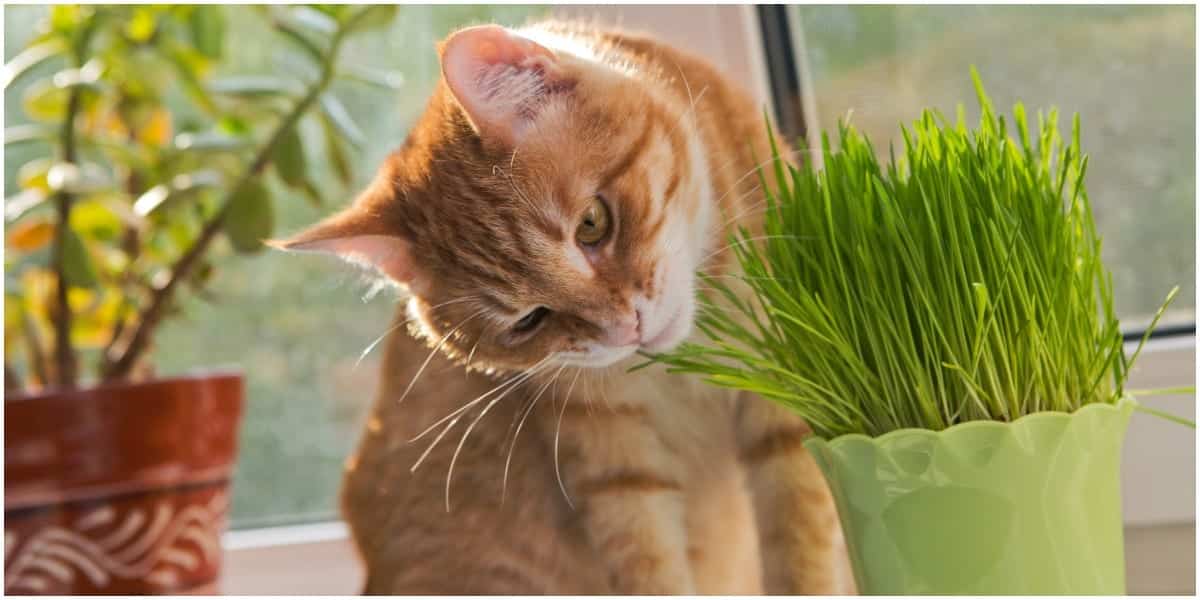
One of the best ways to prevent from eating your is to provide them with safe plants to chew on. Plants like or certain kinds of catnip are perfect. Your cat will not only be attracted to the delicious smell, but it will also be safe to ingest. If your kitty has a little cat garden specifically designed for them, you’ll make sure they are able to use their natural hunting and munching instincts intact. Consider making your kitty its little garden to spend the days lounging around and munching on .
2. Make A Homemade Spray
Making a homemade spray might keep your feline friend away from a . A fun fact that all cat owners should know is that don’t like citrus, so making a spray consisting of different citrus fruits may keep them away from the altogether. A good mix for this spray is water, lemon juice, and maybe even orange juice. The smell of this concoction should keep your cat away, and it isn’t harmful to your . If you decide to add anything else to the spray, do a quick little google search beforehand to verify none of the ingredients will harm your .
After you’ve made the spray, mist a little on the leaves and watch it work its magic. You could also try sprinkling some chili powder or another intense spice on the ‘s leaves. This is sure to put off cats from nibbling on the plant.
3. Put Plants In Places Your Can’t Get Them
Aside from not having toxic plants around at all, this is probably a pretty obvious choice. Placing plants strategically throughout your home should honestly be at the top of your list. It’s important to put plants high enough cats get to them (good luck with that) and away from any ledges to keep. Cats are naturally curious, acrobatic, and clumsy, this can lead to accidents when they see a plant up high they are interested in getting too. Consider investing in some macrame or other cute hangers as a solution to this problem. This will keep your kitty from being able to even get to the in the first place.
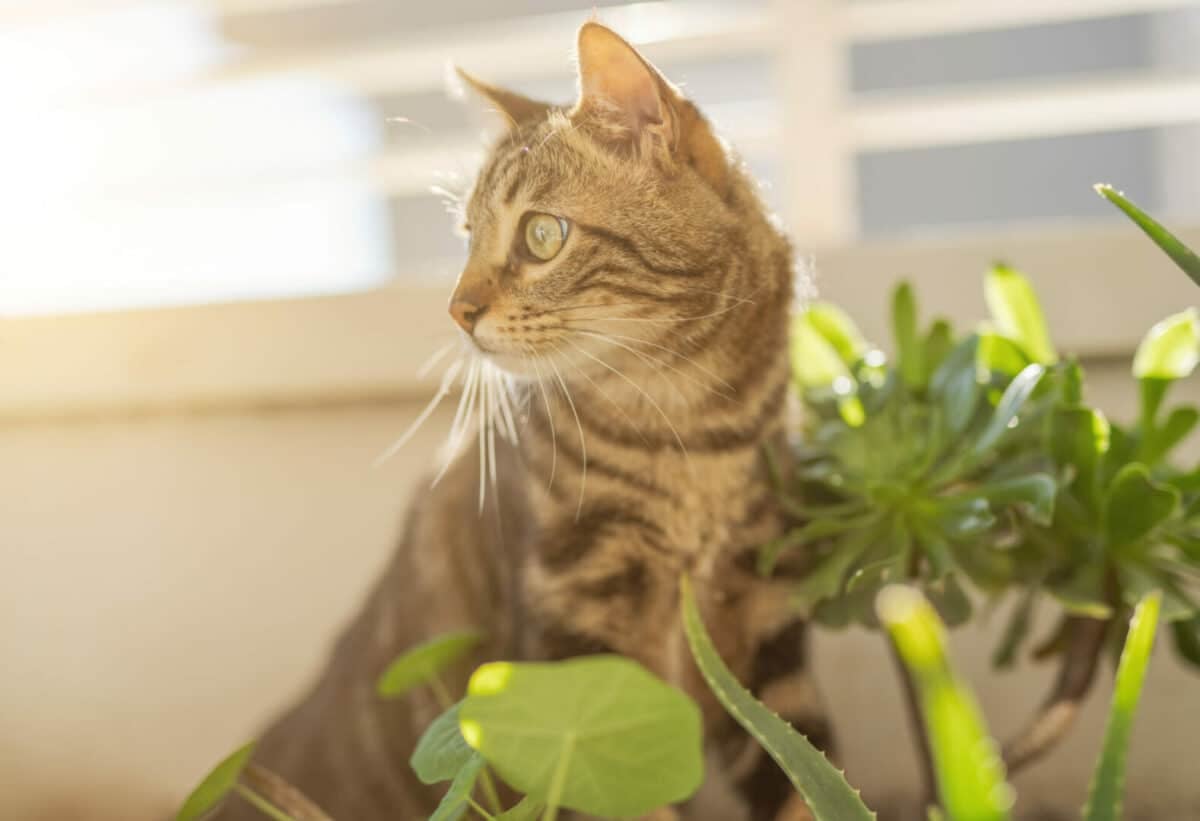
Replace the P With One of These Safer Options
Honestly, if none of the above options work for you, it’s best to replace the plants with safer alternatives and to guarantee your kitty’s safety.
The is a very because it’s easy to maintain and hard to kill. Most succulents are just as easy to care for and are non-toxic to your precious fur babies. Looking into a few different non-toxic succulents may be a great way to keep all the cats in your household safe! Here is a list of some of the best, non-toxic, low maintenance succulents:
- Aeonium is considered a pet-friendly choice of succulents. Aeoniums require very little maintenance and with the proper growing conditions, they don’t need much attention.
- Echeverias are a beautiful and popular houseplant, that’s non-toxic and safe for pets. This is also super low maintenance and can go days without watering or attention.
- Graptopetalum is another pet-friendly option when it comes to succulents and low maintenance. A bonus is these plants come in a variety of colors to spice up any house aesthetic.
- Haworthia, also known as the Zebra , is pet-safe and elegant. This looks similar to the , which is very poisonous to pets. The Zebra is an excellent option to an Aloe Vera plant and will keep your furry friends safe.
- Lithops are non-toxic to and humans. These funky succulents will be a great addition to your room. It’s unique and hip; leaving all of your guests wondering where you got it. It’s super low maintenance and perfect for beginners!
As you can see just by this small list, various options are safe and non-toxic to your . It’s essential to choose one that will go with your household aesthetic and not threaten the health of any of your fur babies. There are plenty of succulents on the market that are considered safe for your ! Search for other options outside of or the .
Conclusion
It’s evident there are a variety of plants that are dangerous to , , and other household . It’s important to know which plants are harmful and which plants are not in order to keep your little feline friends safe. Keep in mind the different plants that are safe for them and won’t hurt them even if they munch on them.
The is considered a to , but it doesn’t cause quite as severe of a reaction as many other out there. With that in mind, no one wants to be sick, and I’m sure our don’t want that either. Providing a safe living environment is one of the top jobs of any pet owner. With toxic, throughout the house, it’s hard to keep our naturally curious animals out of trouble. Therefore, using the different techniques to avoid pet and taking action immediately is very important to any pet owner.
In conclusion, the is not pet-friendly, and the best way to avoid accidental is to avoid having the in the home altogether. If that’s not possible, there are a few different ways to keep your kitty from eating it, like, spraying the leaves with citrus, giving your cat their own little garden, or putting the in a place the cat can’t reach. Using the techniques and knowledge provided throughout this article should help you keep your kitties safe and healthy. Good luck with your pet journey!