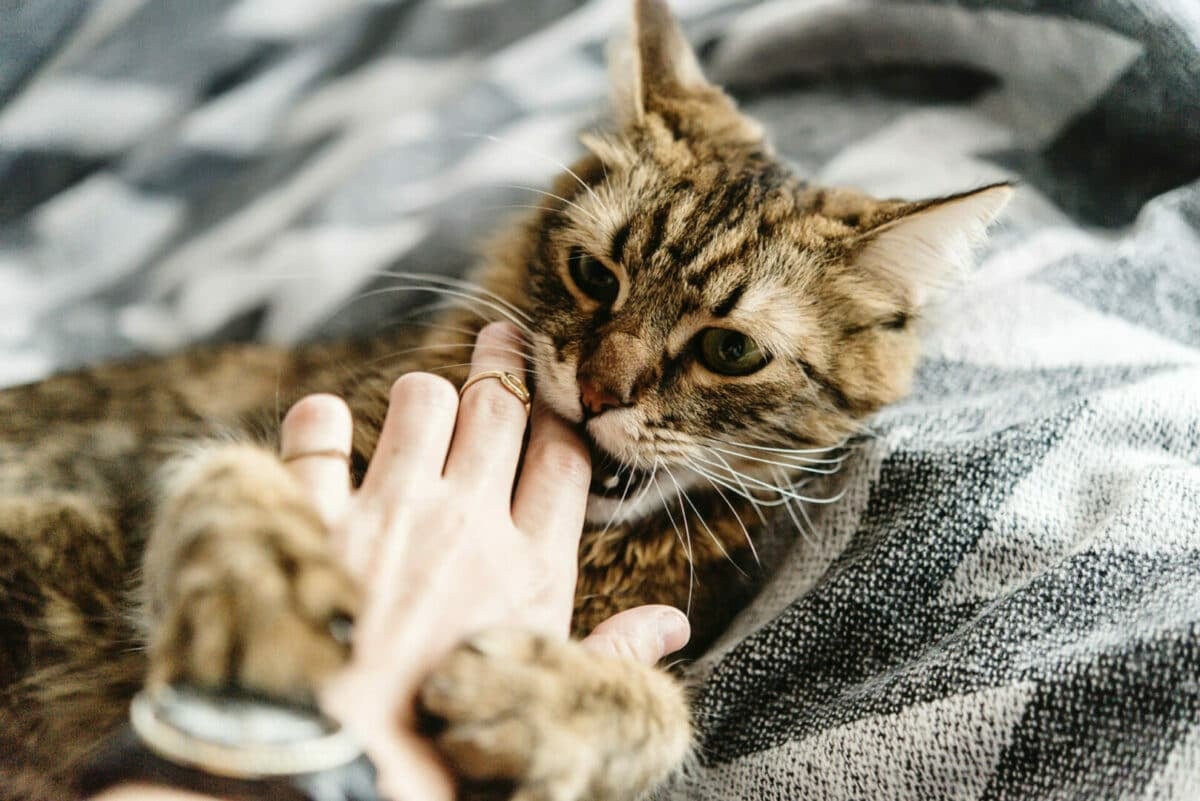

Adopting a cat is not just welcoming a new pet into your life, it is entrusting yourself with the responsibility of a life that is vulnerable yet full of love. It requires a well-thought-out process with a preparedness that encompasses understanding cat behavior, preparing the living environment and, importantly, choosing a pet cat that aligns with your lifestyle. In the journey of nurturing a fulfilling relationship with your adopted pet, equipping yourself with the knowledge of feline behavior patterns, from body language to grooming habits, is an aspect of paramount importance. Moreover, cats long for their comfortable and secure corners in your home and it is, therefore, necessary to ‘baby proof’ your home for the feline friend coming to share your life. Choosing the right cat that resonates with your energy and life rhythms is another vital component in a harmonious shared living environment.
Understanding Cat Behavior
Understanding Your Soon-To-Be Furry Friend: Essential Cat Behavior Insights Before Adoption
When embarking on the adventure of cat adoption, it’s crucial to have a good understanding of cat behavior. A cat isn’t just a pet – it’s a new member of the family, and just like human members, they come with their unique set of traits and habits. Here are some important insights about cat behavior that will easily fuel a smooth adjustment into the family home.
First and foremost, cats are innate hunters. The sightings of your beloved kitten chasing after shadows or pouncing on small household items might provoke a chuckle, but remember, it’s their nature at work. From a young age, cats practice their survival skills, which include climbing, pouncing, and hunting. Providing interactive toys and playtime can satisfy these instincts, and remember, the laser pointer game is a resounding favorite in the feline world!
Secondly, cats value their solitude. They are naturally solitary creatures and spend a lot of their day napping in a peaceful spot. Everyone needs their space, and that includes our furry friends. Provide a quiet and safe space where the cat can retreat from all the family bustle. A tip to remember: if a cat’s ears are turned back or their tail is wagging, it often means they want some alone time.
Thirdly, cats communicate predominantly through body language. Yes, the meowing, purring, and hissing are mood indicators, but there’s a world of expressions in their body movements. Postures, ear movements, and tail swings all have meanings. For example, a raised tail signifies greeting and happiness, while a puffed-up tail and arched back signal fear or aggression.
Cats have sharp claws and they love to keep them that way. Scratching is more than just a pastime for cats, it’s also how they mark their territory. Investing in and situating a scratching post in prominent communal spaces will help keep furniture safe from those sharp little claws.
Lastly, let’s talk about the litter box. Cats are exceptionally clean animals and they prefer their bathroom area to reflect that. Ensuring the litter box is in a private, quiet location and cleaned regularly is a sure way to maintain a happy cat and a clean home.
To sum everything up; cats are wonderful, complex creatures with innate instincts and behaviours. With understanding, patience and knowing what to expect, the integration process becomes much smoother. Welcome your new feline friend into a loving, cat-friendly environment and prepare to enjoy the warm companionship and abundant personality that cats are known for!

Preparing Your Home for Cats
Welcoming Whiskers: Setting-Up Your Home for a Furry Feline Friend
Each one of us understands the joy and comfort a new pet can bring into our lives, especially a playful, purring kitty! Adding to the warmth of our home, a cat often becomes another beloved member of the family. Nevertheless, this exciting decision comes with certain responsibilities. You’ll need to prepare your home to ensure it’s an accepting and safe environment for your new feline friend. Here’s your ultimate guide to making your home cat-friendly.
First, designating areas for feeding and drinking is fundamental. Kitties generally prefer their water and food stations to be separated. These locations should be spaced away from their litter box to prevent any mixing of odors. Make sure the food and water bowls are kept clean and refilled, ensuring your cat stays hydrated and well-fed.
Second, get in the habit of cat-proofing your home. Curiosity put the cat in the spot, after all! Inspect cords, blinds, and household plants. Cords could be a tangling or strangulation hazard, while certain houseplants could be toxic leading to a health risk. Establish a secure environment by keeping such objects out of your kitty’s reach.
Furthermore, as your cat will spend a majority of time indoors, windows will become their view into the outside world. Providing window perches or setting up their favorite blanket next to a sunlit window will not only appease their explorer spirit, but also supply them with much needed Vitamin D.
Think about access to vertical spaces as well. Cats love climbing and observing the world from a higher vantage point. By incorporating cat trees or shelves, your furry friend can enjoy their propensity for climbing while also proffering them their territory amidst shared spaces.
Most importantly, fostering a bond is vital for both of you. Provide warmth, care, and interactive playtime when your kitty seems up for it. They’ll gradually start seeing you as a part of their pack! Spending time with your cat can also help you discern any unusual behavior which might signify possible health issues.
Last but not least, don’t forget a pheromone diffuser. Felines are territorial and rely heavily on their sense of smell. To help your cat feel safe and comfy, a diffuser releasing synthetic feline facial pheromones can mimic the ‘friendly markers’ cats usually leave by rubbing their face against surfaces.
Bringing a cat home might seem overwhelming but don’t worry. Step by step, you can carve out a heavenly haven for your kitty that caters to their instincts and individual needs. Remember, a cared, content, and cherished cat makes a happy home singing with melodious purrs!

Choosing the Right Cat for Your Lifestyle
Nailing Down The Breed Match
As cat enthusiasts, we know that each breed of cat can vastly differ from another in terms of temperament, physical attributes, and characteristics. For instance, a Persian cat tends to be more laid-back and may laze around during the day, while the Abyssinian is quite playful, exploratory, and might require more entertainment.
Understanding the breed traits can guide you in choosing the right cat that suits your family lifestyle. Try to align the breed characteristics with your home dynamics. If your home is bustling with kids and constant activities, consider a breed that’s known to be friendly and adaptable, like the Maine Coon. On the contrary, if you’re more on the quieter side or if there’s a single family member, a more reserved breed such as the Russian Blue might be a perfect choice.
Budgeting For Kitty’s Upkeep

Before choosing a feline friend, it’s essential to keep in mind the cost of cat ownership in terms of vet bills, grooming, food, and other maintenance requirements. Some breeds might need more frequent vet visits due to hereditary health issues. Others might require professional grooming or specific dietary needs which can add to your expenses. Therefore, be realistic about your budget understanding that your new furry friend will need regular care to thrive.
Consider Allergy Issues
Allergies are a common concern for countless potential pet owners. Some cats are hypoallergenic, meaning they produce fewer allergens than others. If someone in your family has a sensitivity to cats, breeds like the Balinese, Siamese, or Siberian could be looked into.
Pet History and Age
If you’re considering adoption, take time to inquire about the cat’s history. Past experiences may influence the cat’s demeanor and interaction with its new family. Likewise, the age of the cat should also be considered. Keep in mind that kittens demand significant time and energy and are more prone to mischievous behavior, while adult cats are typically calm and less demanding.
Size of Your Home
The size and structure of your living environment also help in decision-making. If you are living in a small apartment, consider having a less active breed like the Scottish Fold. But if you’ve ample space at home, feel free to consider breeds like the Bengals or Siamese who flourish with space to roam and explore.
Time and Attention
Finally, think about how much time you and your family can dedicate to interact and care for your newfound friend. Some cats are quite self-sufficient, whereas others appreciate more attention plus interaction. Breeds like the Tonkinese and Sphynx are known to be more social, demanding more interaction from their owners.
Every cat deserves a loving, caring home where they can thrive and be themselves. By considering these factors, we believe families can make a well-informed decision for their perfect feline companion, keeping in line with their lifestyle, and ensuring a smooth, meaningful, and long-term connection with their cat. Spread the love, fill the homes with cat-furry fun, and relish the new journey as a cat-parent.
Choosing to adopt a cat is a life-altering experience that brings together the joy of companionship and the responsibility of care. The key to a successful adoption and a rewarding connection with your pet lies in understanding their behavior, securing the spaces they call home and, importantly, thoughtful selection of the cat that fits your lifestyle. As you embark on this journey of feline adoption, remember, every cat has a unique personality shaped by factors like age, energy levels, and sociability amongst others. Your informed approach to their behavior, habitat, and compatibility with your lifestyle paves the way for an enriching bond, making the process of adoption undeniably worthwhile.