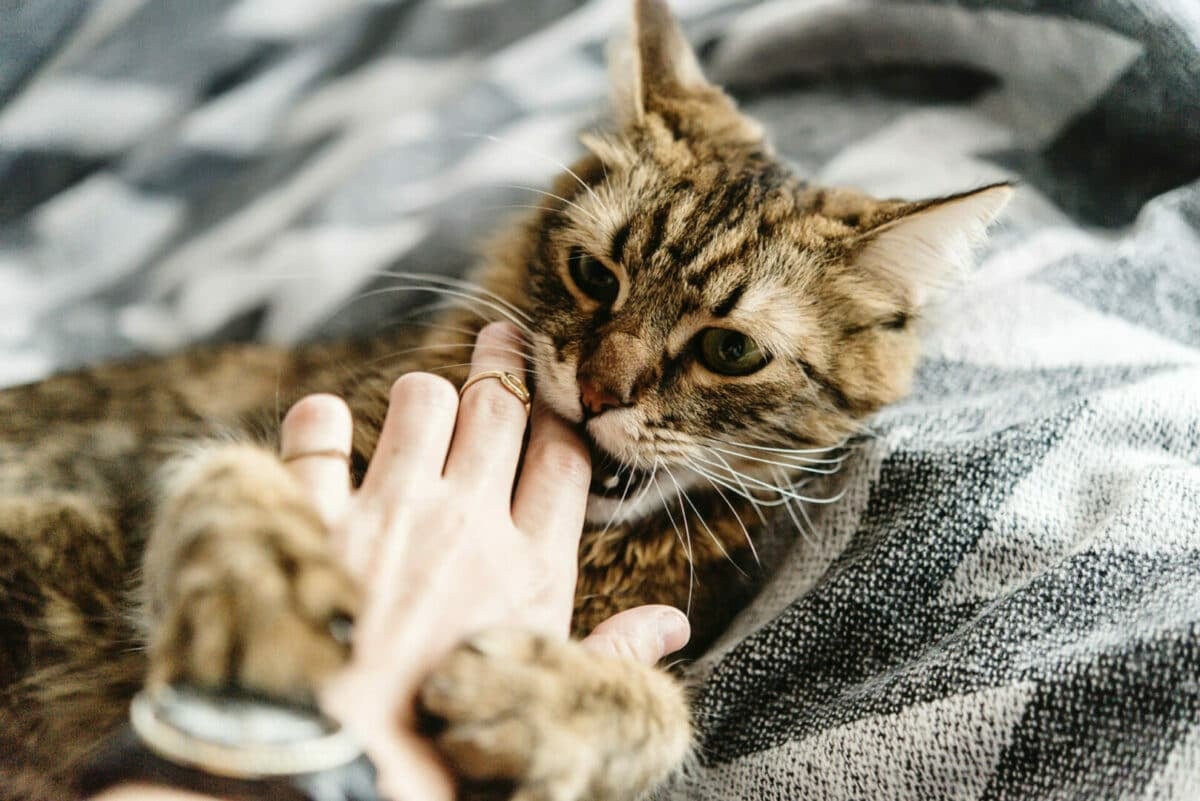

There’s an old saying that goes, “Fighting like cats and dogs”, however dog fights are not the only issue one might encounter with pets. Cat fights can be just as disruptive and harmful. By gaining a deeper understanding of cat behavior, creating a safe and healthy environment, and learning the proper intervention techniques, you can help prevent these conflicts before they begin. A cat’s behavior is deeply rooted in their territorial tendencies and as we delve into these behaviors, you can utilize this knowledge to anticipate and mitigate potential conflicts. Furthermore, creating an environment that caters to a cat’s physiological needs will also decrease the likelihood of aggression and fights. Lastly, implementing correct intervention methods can prevent escalation in the event of a conflict between felines.
Understanding Cat Behavior
Understanding Cat Behavior: An Essential Key to Preventing Cat Fights
Welcoming a cat into the family can be an exciting time. These soft, fluffy members of our homes bring a special measure of love and warmth, but just like managing temper tantrums with kiddos, dealing with cats’ unique personality quirks can present its own set of challenges. One of the prevalent ones being cat fights. Yes, those hissing, clawing displays are enough to disturb any peaceful home’s tranquility. But don’t fret just yet – understanding your feline friend’s behavior goes a long way in navigating and even preventing these cat spats. So let’s plunge right into it.
First, let’s talk about cat body language. Cats, as you might already know, are not always the most expressive creatures. They often communicate subtly through their body language. For instance, a twitching tail typically signals agitation, while flattened ears and dilated pupils often indicate fear or aggression. Spotting these warning signs early can help intervene before an actual spat starts, leading to a major reduction in cat fights in your household.
Next, it’s important to understand territorial behaviors. Cats are inherently territorial creatures. They establish their own small kingdoms within your house complete with invisible borders. Elbowing into another cat’s zone can lead to a clash. Offer each cat sufficient space to alleviate territorial confrontations.
In addition, pay attention to resource scarcity. Sometimes, cat fights can erupt over resources like food, toys, and even your affection. Ensure all cats have adequate access to these essentials. Implement strategies like separate feeding stations, sufficient play items for each cat, and give one-on-one attention to each cat to prevent any potential squabbles.
Moreover, cats are creatures of habit. They appreciate routine and any sudden change can often lead to stress-induced aggression. Try to maintain consistent schedules for feeding, playtime, and other activities around the house. Gradual changes rather than abrupt shifts work best for changes that cannot be avoided.
Lastl, socializing kittens from a young age helps in preventing aggressive behavior later. Socialization helps cats develop communication skills, understand boundaries, and learn how to interact harmoniously. If adopting kittens, it’s a great idea to instill good social habits early on.
Remember, understanding and embracing your cat’s behavior and instincts is the cornerstone to ensuring a peaceful coexistence between your feline companions. It’s just like figuring out your children’s unique personalities to manage their interactions better. So the next time you see your cat’s tail twitching or pupils dilating, you’ll know exactly what’s coming – and how to address it. Just a little patience, understanding, and knowing when to step in will go a long way in having peace reign in your lovely home. After all, your home is their home too, and everyone deserves to live in harmony. Happy cat parenting!

Safe and Healthy Environments
Creating a Safe and Healthy Environment to Prevent Cat Fights
In the realm of happy homemaking and harmonious family living, the tranquility within our fur-filled households is no less crucial. We’ve already sailed through the seas of understanding cat body language, territoriality, resource allocation, routine consistency, early socialization, and embracing a cat’s behavioral nuances. Now, let’s embark on the journey of cultivating a safe and healthy environment to ensure peaceful coexistence among our lovely felines and avoid any sort of kitty conflict. Here’s how you can accomplish this.
Firstly, divide and conquer:
Ensure that you have enough food and water bowls, toys, litter boxes, and sleeping spots for each cat. Strategically place them in different zones around your home. This eliminates possible competition for control over shared resources and mitigates the potential for territorial spats. Remember, the golden rule is at least one item per cat-form to ensure fairness and foster serenity.Secondly, let vertical spaces come into play:
Cats love to climb and explore elevated spaces. By investing in cat trees, shelves, or even windowsill seats, we can offer our cats an alternative territory that is both fun and engaging. Vertical terrain encourages healthy exercise, provides a vantage point to keep an eye on their environment and serves as a refuge if tensions arise among our feline family members.Thirdly, do not overlook the importance of mental stimulation:
Boredom often triggers undesirable behaviors in cats, including aggression. Consider puzzle feeders, interactive toys, or even a safe outdoor enclosure (“catio”) to offer visual stimulation with the outside world. Regular playtime not only keeps our pets physically active but also mentally stimulated and satisfied, consequently reducing the likelihood of squabbles.Fourthly, embrace harmony through sensory signals:
Cats communicate largely through scents. By utilizing synthetic pheromone diffusers or sprays around your house, a sense of well-being and comfort will be created for your cats, which can help to ease tension. These substances emulate the same markers that cats use to denote safe and familiar territory, making them feel secure and less likely to lash out at fellow felines.Last but not least, patience and consistency are your allies:
Remember, changes don’t happen overnight. Creating a safe and healthy environment is a continue process which requires our utmost dedication. It takes time for our cats to adjust and adopt peace. Maintain a routine that reassures your cats and makes them feel secure in their home.A peaceful home is a happy home, for every member, human or furred. By providing a safe, resourceful, stimulating, and comforting environment for your cats you can effectively mitigate aggression, preventing skirmishes and fostering a harmonious life for everyone in the household. So, fear not cat lovers, with the right steps, and a little persistence, we can definitely help our feline family live together in harmony.


Intervention Techniques
Peacekeeping 101: Practical Techniques for De-escalating Cat Fights
Your beloved furry friends, those cute balls of fur that tend to take over your entire home and heart (no complaints, though), can sometimes display a side that is less than adorable. Having cats clashing can be a rather stressful situation for everyone involved – and yes, that includes your feline companions. As previously discussed, various factors such as territorial behaviors, resource scarcity, and inadequate socialization could potentially lead to these confrontations. However, there are some practical techniques one can adopt to intervene, restore order, and prevent future disagreements among our whiskered housemates.
For starters, let’s talk about the importance of resource division. If you have more than one cat in your household, it’s advisable to provide each with their separate food, water containers, and litter boxes. It might sound a bit excessive, but this allows every pet to have their territory without invasion, reducing the chance for conflict.
Just us humans, cats also relish some alone time, occasionally. Offering vertical spaces for your cats to climb, relax or hide might be the purr-fect idea in this case. These spaces can have the form of cat trees, window shelves or wall-mounted perches. Here, our agile climbers can escape and observe the surroundings from a safe and vantage point. Having these elevated hideouts helps minimize the trigger points that could lead to cat fights.
We all have heard the phrase ‘Curiosity killed the cat,’ but enabling their natural inquisitiveness can actually spare you some unnecessary skirmishes. By ensuring mental stimulation through puzzle feeders and interactive toys, you’ll effectively keep your cats engaged and entertained. These tools also stimulate their hunting instinct, keeping their aggression focused on the ‘prey’ rather than their feline siblings.
Creating a reassuring environment plays a big role in preventing tension among your cats. Using synthetic pheromone diffusers can help with this. These diffusers mimic the natural chemicals released by cats and can create a sense of safety and familiarity, making them feel more at ease and less likely to engage in aggressive behavior.
Lastly, do not forget the critical aspect of patience and consistency. Achieving a peaceful environment doesn’t happen overnight and establishing new routines might take some time for your cats to adapt to. Consistency in implementing new strategies and approaches in handling conflicts among your cats will gradually foster a harmonious coexistence in your loving home.
So there you have it – from resource division to creating a reassuring, mentally stimulating environment, a few strategic actions can make a world of difference in preventing cat fights.
Embrace these techniques and let the harmony prevails in your purr-fect little universe!
Through comprehension of cat behavior, establishing an enriched environment, and knowing the right steps to intervene, the chances of cat fights occurring can be significantly reduced. Remember, understanding our feline friends is the first step towards creating a harmonious co-existence. It’s our responsibility as pet owners to offer a home environment that caters to their physical and emotional well being, hence reducing their stress and potential aggression. As for your own peace of mind, learning how to safely and effectively intervene during cat fights is indispensable. It’s about having the tools and knowledge to create an atmosphere of peace and safety for everyone involved – cat fights need not be an inevitable part of our journey with these beloved pets.