Bringing a cat into your life is a joyful and fulfilling experience that involves love, companionship, and often, some cherished antics. However, choosing the right cat for your lifestyle involves more than just adorable whiskers and a playful purr. Understanding the unique behavior, size, and sociability of different cat breeds can help guide your decision, ensuring a harmonious match between you and your prospective feline friend. In addition to the charming traits, it’s crucial to be cognizant of the potential health risks, including allergies, and the associated costs that come with being a responsible cat owner. This knowledge equips you with the essential information needed to make a well-thought-out decision.
Understanding Cat Breeds and Their Traits
Understanding Cat Breed Traits: The Secret to Harmonious Pet Parenting
Hey there, all you delightful homemakers and parental whizzes! Now, let’s take a quick pause on meal prep hacks, DIY crafts, and parenting tips for a moment – this one is for all you cat lovers out there.
Many of us cherish our cats as members of our family, and understanding their individual personalities can help build a stronger bond. Just like children, cats have their unique quirks and behaviors. Ever wondered why they act the way they do? It turns out, much of it can be traced back to their breed. So, whether you’re a seasoned cat enthusiast or a newcomer to the feline world, read on to understand the typical traits of different cat breeds and how they impact your furry friend’s behavior.
Siamese Cats
Let’s start with these beautiful blue-eyed wonders. Known for their striking looks and affectionate nature, Siamese cats form strong bonds. They’re chatty, clever, and demand your attention. Don’t be surprised if they follow you around the house or curl up with you in bed. Siamese are active cats, so a lot of toys and opportunities for exercise will keep them happy.
Maine Coon Cats
These fluffy giants are among the largest domesticated cat breeds. Beyond their impressive size, Maine Coons are just big softies. They’re affectionate, friendly, and have an easygoing nature. They’re known to get along well with children and other pets. Curiosity and playfulness are trademarks of this breed. Besides, their dog-like loyalty might catch you off guard!
Persian Cats
Persian cats are the divas of the cat world! With their distinct looks and laid-back nature, they’re truly one of a kind. They are more inclined towards calm environments and don’t require constant stimulation. Persian cats are generally low-maintenance, aside from their grooming needs due to their long coat.
Bengal Cats
Ever wanted a house leopard? That’s essentially a Bengal Cat. Beware; these cats have loads of energy and love to play. If keeping them entertained seems like a daunting task, don’t worry! Set up a kitty playground or invest in enrichment toys. Discourage unacceptable behavior by offering them something else to do instead.
British Shorthair Cats
British Shorthair cats might seem a bit aloof initially, but they are very affectionate once they form a bond. However, they value their independence and dislike being carried or cuddled excessively. Often distinguished by their plush coats and round faces, British Shorthairs are easy to groom.
There you have it! From chatty Siamese to the playful Bengal, understanding your cat’s breed traits can make you the ultimate cat parent. As you cherish each ‘meow’ and rub against your leg, remember that every cat is unique, regardless of breed. So, soak in those purrs and offer copious ear scratches because your feline buddy is every bit as much a part of your home as the rest of your family. Enjoy this journey into the feline world!
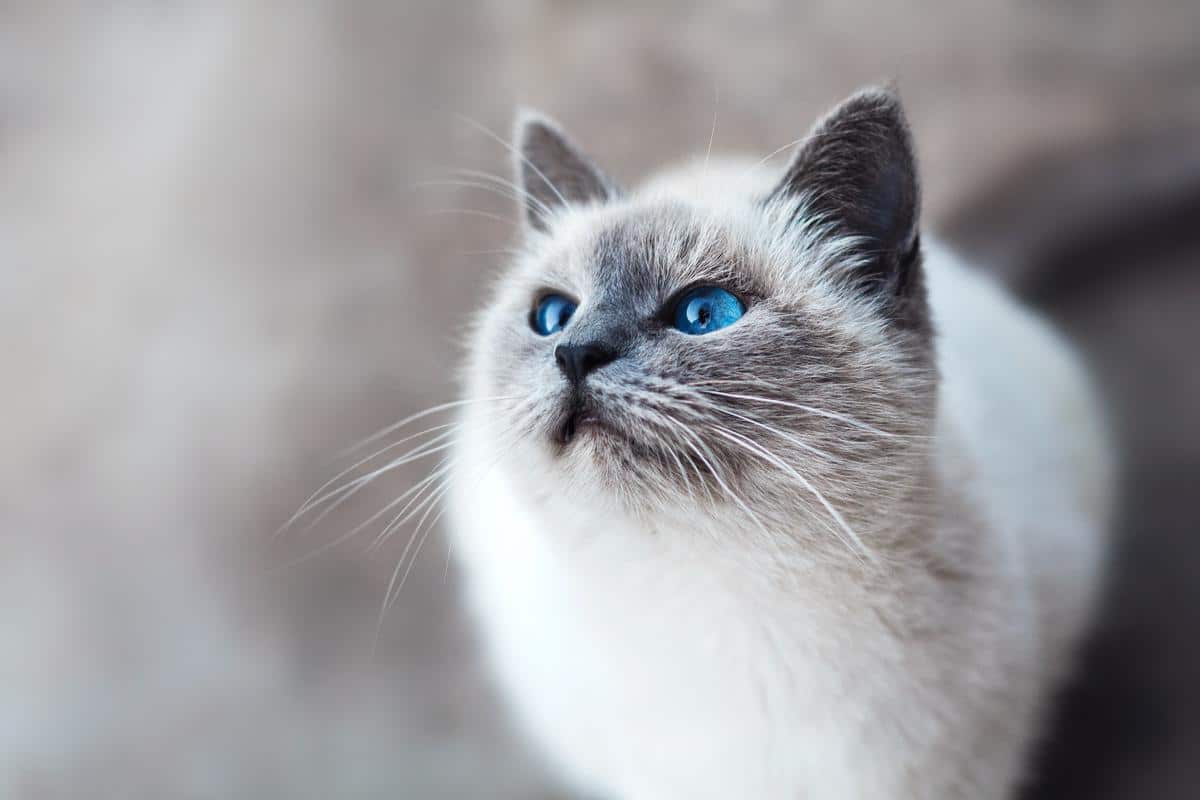
Photo by miklevasilyev on Unsplash
Allergies and Other Health Considerations
The Health Factors Influencing Your Choice of Cat
Selecting a fur friend for you and your family can involve several considerations, particularly health aspects for both parties involved. Knowing the breed specifics assists in making an informed decision since different cat breeds have diverse health needs and unique genetic predispositions. It is essential to find a cat that fits well with your family’s lifestyle and health conditions. Remember, the cat’s health is important too, so consider their needs and your ability to meet them before making a final decision.
Let’s navigate further into the various breeds to explore their health considerations!
Ragdolls:
Ragdolls are commonly known for their stunning blue eyes and semi-longhaired coat. Health-wise, they are prone to certain genetic conditions such as hypertrophic cardiomyopathy, a type of heart disease and bladder stones. As such, regular vet check-ups are recommended for early detection and remediation of these conditions.
Scottish Folds:
Their unique folded ears indeed make them standout, and these whimsical beauties certainly love a cozy and low-energy home environment. However, their distinct ear feature can also subject them to ear infections and deafness. Owning a Scottish Fold requires vigilance about their ear health, regular cleansing and frequent vet checks being a must.
Sphynx:
Hairless and witty, Sphynxes are quite the social butterflies. However, their lack of fur makes them more vulnerable to temperature changes and skin diseases. So, they may require sunblock for outdoor excursions, along with periodic bathing to prevent excess oil build-up.
Abyssinian:
Energetic and curious, Abyssinians leave no corner unexplored. While they are a relatively healthy breed, they can be prone to periodontal disease and require diligent dental care.
When it comes to health considerations on your end, allergies are a major factor. If any family member is allergic to cats, hypoallergenic breeds such as Siberian or Russian Blues might be your safest bet. These breeds produce fewer allergenic proteins, making them more suitable for homes with allergy sufferers.
Moreover, consider your family’s schedule and lifestyle. Busy families may find it challenging to find time for grooming needs of high-maintenance breeds. Similarly, families with older members or small children should opt for calm and patient breeds.

Lastly, don’t overlook outdoor dangers such as traffic, pests, and diseases if you’re considering an outdoor-adventure loving breed.
In conclusion, choosing a pet cat requires careful consideration of both your family’s and the cat’s health needs. Whether you’re smitten by the Ragdoll’s piercing blue eyes or the playfulness of Abyssinians, ensure you’re well-prepared to provide them with a loving, safe, and healthy home.

Costs of Cat Ownership
The addition of a furry friend to the family, such as a cat, creates memorable experiences and fosters a welcoming space. However, understanding the financial responsibility of owning a cat is essential for making an informed decision.
Generally, costs of owning a cat can drastically vary – from breed to breed, and even cat to cat within the same breed. Why is that? Well, it largely boils down to characteristics specific to each breed.
Take the Ragdoll cats, for example – their docile, calm, and friendly personalities make them an absolute joy to have around. However, they are prone to particular health issues, like heart diseases and urinary tract problems, that can inflate vet bills in the long run. Equally, Scottish Folds are a delight with their peculiar folded ears and sweet-tempered nature. Unfortunately, they are predisposed to painful and debilitating joint issues that require regular veterinary visits and possibly surgery.
When it comes to cat breeds open to allergies, while no feline breed is 100% hypoallergenic, some like the Sphynx, Balinese, or Russian Blue may cause fewer allergy symptoms. Be aware though, hypoallergenic does not mean zero allergies. These furry friends might still lead to itchiness, sneezes and sniffles, potentially resulting in ongoing costs for allergy medications or treatments.
Grooming demands can also impact the overall care costs. Breeds like Sphynx, which lack hair protective layer, need frequent bathing to remove body oils that usually get absorbed by fur in regular cats. On the other hand, the Abyssinians, with their short, dense coats require less grooming and are less susceptible to matting and can save you some costs that could’ve been spent on professional grooming services.
It’s important to consider each family member when bringing a cat home. Some cats might be fantastic additions to families with older members or small children, while others might not be. For instance, breeds like the Maine Coon and British Shorthair are known for their docile and tolerant nature and are versatile for different age groups, which allows for lower unexpected costs.
The great outdoors calls to every cat, no doubt. However, outdoor cats are at increased risks from parasites, diseases, injury, and accidents. Indoor cats tend to have fewer veterinary expenses than their outdoor counterparts due to less exposure to potential hazards.
Owning a cat, any breed for that matter, should come with a profound understanding of the commitment you’re making. It’s not just about the happiness they give but also the responsibility they bring into your life. Be prepared not just emotionally but financially as well, experts say the average costs of raising a cat range from $750 to $2000 annually. But remember, the value they added to your home is priceless.
As a prospective cat owner, making an informed decision promises a rewarding and loving relationship with your feline friend. Understanding the specific traits of various cat breeds helps pinpoint a cat that closely aligns with your lifestyle and environment. Coupled with the knowledge of potential health risks, both for the cat and any allergic reactions for the owner, you can mitigate future problems and ensure a healthier life for your cat. Furthermore, being aware of the costs linked with cat ownership allows for adequate preparation and understanding of the financial commitment. This comprehensive understanding paves the way for responsible and content cat ownership, fostering a bond between you and your feline friend that can last a lifetime.