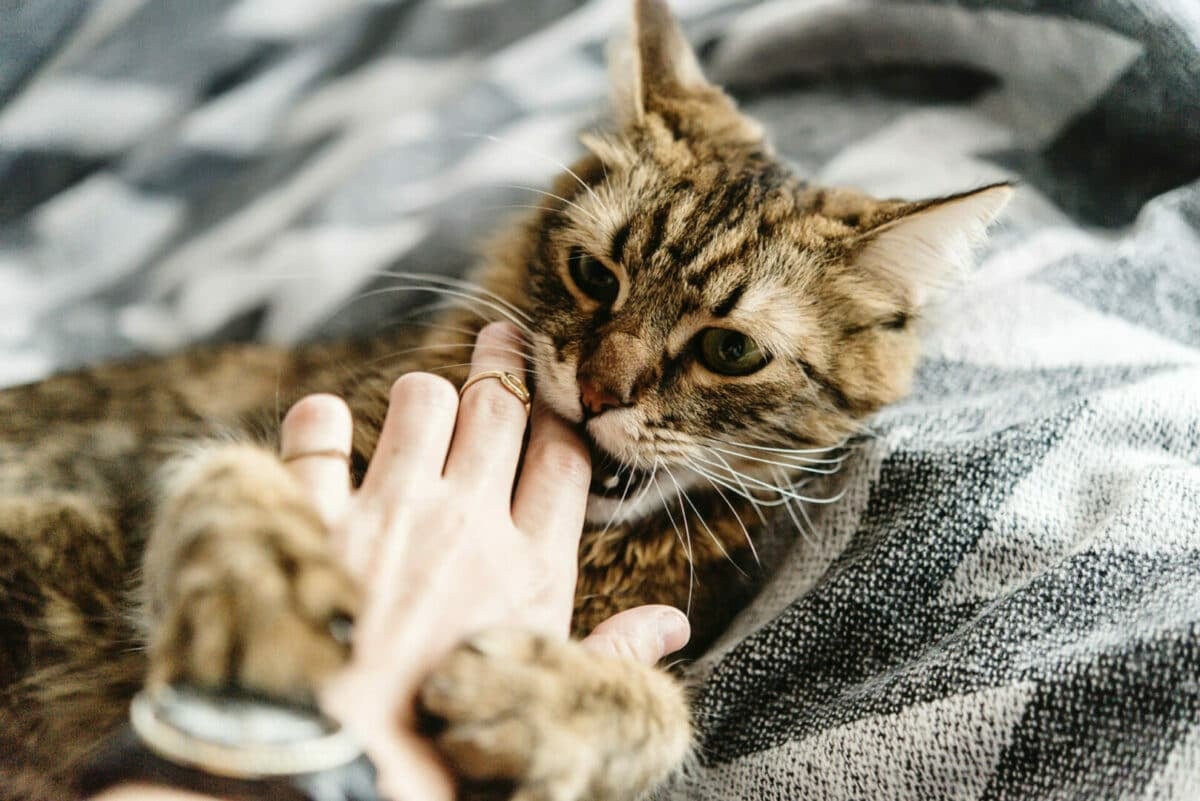

Our fierce felines are typically independent and self-reliant. They’re pretty good at taking care of themselves, and they don’t come crying every time they feel unwell (I’m looking at you, husbands). Most cats choose to hide their pain and discomfort as a form of protection. Showing pain or illness is a type of weakness, and that could make them prime targets for lurking predators. Your living room isn’t likely to be hiding any threats, but your cat’s survival instincts will still take over. Despite their efforts to hide their pain, cat owners must recognize symptoms of illness and injury as early as possible.
Whether you think your cat is in pain or not, every cat owner should learn to recognize these signs that something isn’t right.
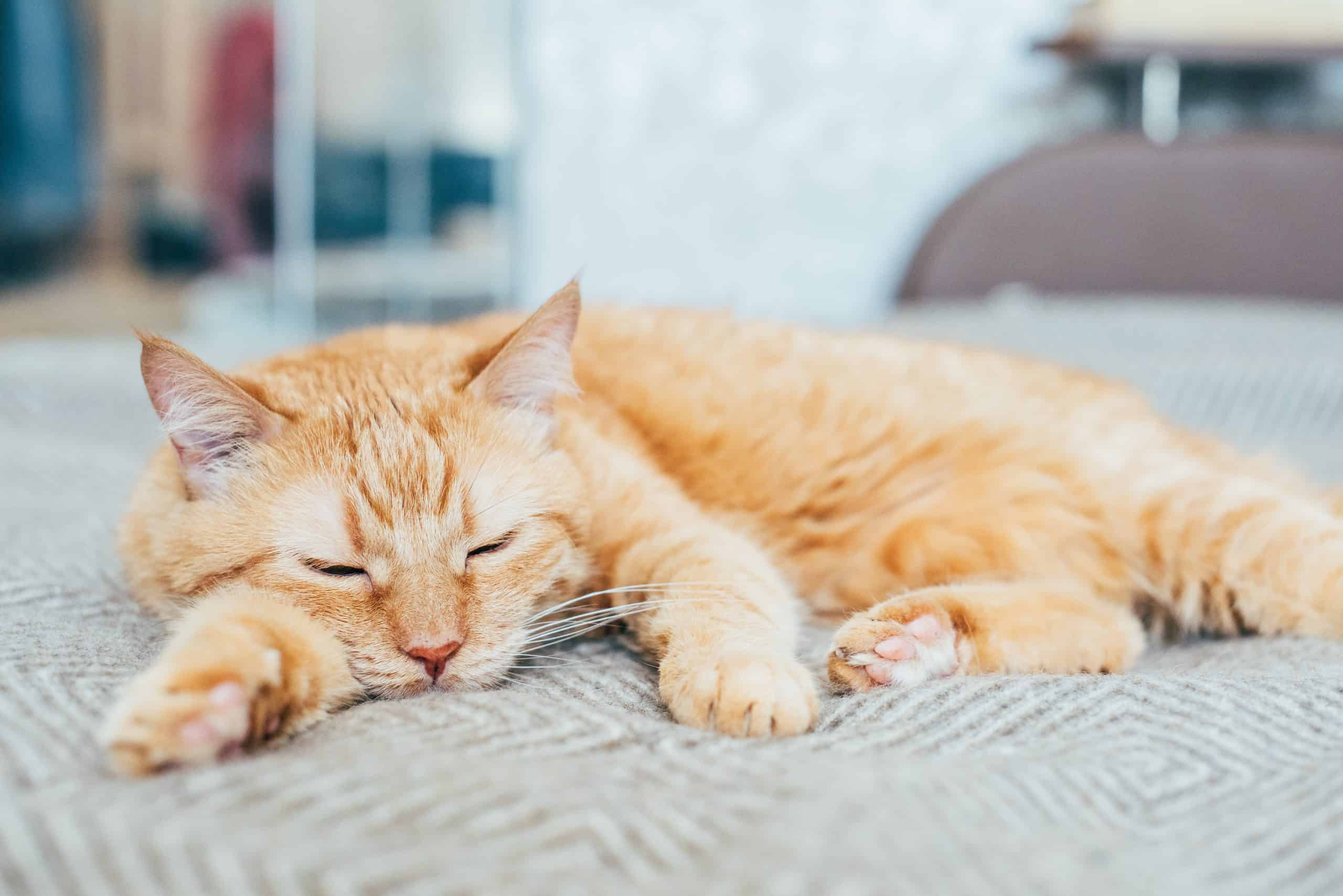
All cat owners need to know these warning signs your cat is in pain
1. Hiding: When a cat is in pain, it might choose to hide in the back of a closet or under the bed. They don’t want to attract attention to their weakness.
2. Excessive Vocalizations: Some cats meow, yowl, or make other vocalizations when they’re in pain. In these cases, the pain is usually intense, and the cat is seeking help in the only way it knows how.
3. Unusual Aggression: Ordinarily friendly cats can exhibit aggression when they are not feeling well. It could be because being touched or lifted causes them more pain. No one is in a good mood when they’re sick, and the same applies to cats.
4. Restlessness: You’ll know your cat is restless if they pace around the house or lie down for only a few seconds before getting back up. It’s as if they can’t find comfort, no matter what they do.

5. Indoor Bathroom Accidents: Going to the bathroom outside the litter box is a clear sign that something is bothering your cat. It could be because they can’t reach their litter box in time or don’t have the energy.
6. Lethargy: Cats are naturally inclined to sleep, but when a cat chooses to sleep more than usual and refuses activities they usually enjoy, it’s a sign they’re in pain.
7. Limping or Difficulty Moving: A limp is a clear sign that a cat is experiencing pain. Also, be aware of stiff movements or difficulty standing up after lying down, jumping, or climbing stairs.
8. Unusual Grooming: It’s important to know what’s normal for your cat. If a cat is in pain, they might neglect their grooming because it hurts to move, or they don’t have the energy. They might also start excessively grooming one area that’s causing them discomfort.

9. Change in Posture: When they’re not feeling well, cats might walk with their head lowered or choose to stay hunched up in a ball. Stretching hurts too much.
10. Lack of Appetite: Refusing meals when they usually have a healthy appetite is always a cause for concern. It’s a symptom associated with a long list of health issues.
11. Rapid or Shallow Breathing: Breaths should be even and relaxed. If your cat regularly pants, wheezes, or shows other signs of respiratory distress, there’s likely something wrong.
What Can You Do?

If you notice any of these symptoms in your cat, it’s best to observe them closely. Take notes—either mental or on paper—on how often they display the symptoms and how severe they seem. If any of these symptoms persist for at least two days, it’s best to schedule a vet appointment.
There are too many potential causes for you to make a diagnosis on your own. You can ensure they’re comfortable and do your part to keep them stress-free, but a trusted vet will always be your best resource. Sometimes the issue is minor, but you don’t want to ignore the early signs of a serious illness. Your best chance of helping your cat is to spot these signs early and act on them.
Did you learn helpful information about your cat? Share this article with your fellow cat lovers!
When it comes to our feline friends, there might be times when we need to restrain them to help them. Find tips on how to do it safely here on Cattitude Daily.