For many cat owners, ensuring their feline friend is comfortable with their litter box is a top priority. A cat’s refusal to use the litter can stem from various issues ranging from the type of box and litter used to the location and cleanliness. This essay will delve into the world of litter boxes and how to create an inviting environment for your cat to comfortably answer nature’s call. Let’s embark on a journey to understand our feline companions better, making the litter box experience positive both for you and your precious pet.
Choosing the Right Litter Box
Selecting the Ideal Litter Box for Your Feline Companion
Embarking on the search for the perfect litter box can be much like hitting a moving target. With myriads of styles and sizes available, figuring out which one will suit your cat best depends on understanding your cat’s individual needs and preferences. Here, you’ll get the lowdown on how to pick out a litter box that’s just right for your whiskered friend, so they can do their business in comfort and privacy, and you can keep your home clean and odor-free.
Size Matters: Find the Right Fit
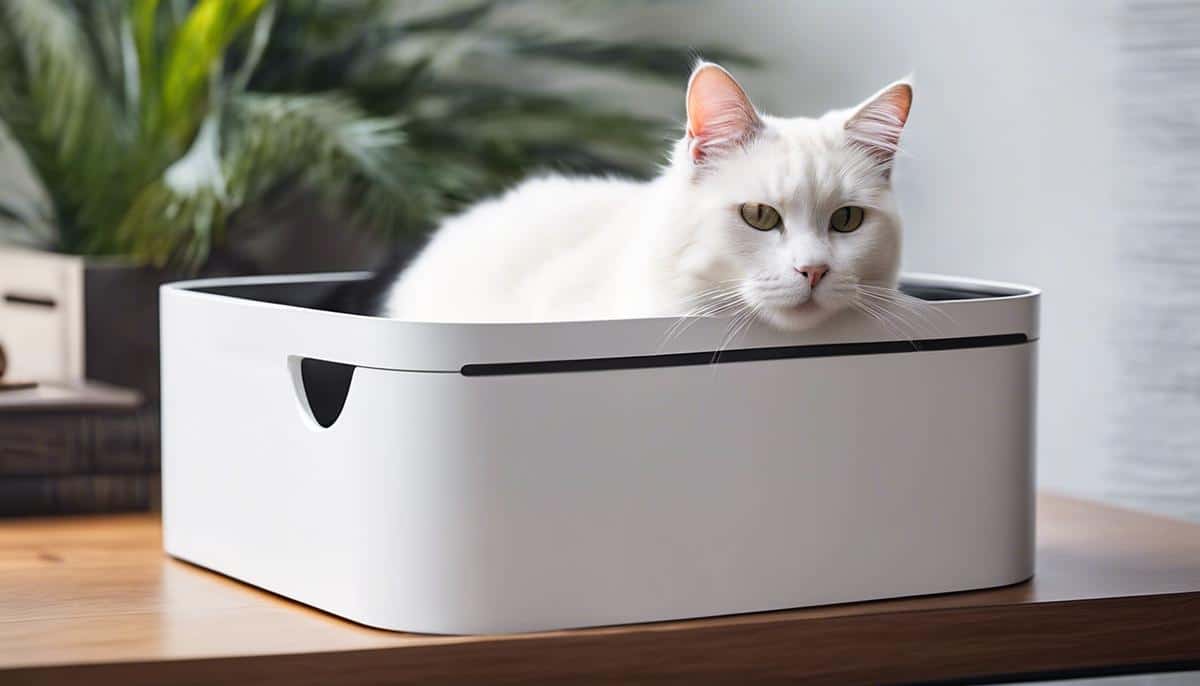
First things first, size is crucial. Your cat should be able to turn around easily within the box without any part of their body touching the sides or sticking out. A standard rule of thumb for choosing the right size is to look for a litter box that’s at least one and a half times the length of your cat from the nose to the base of the tail. For kittens, you’ll want a box with lower sides for easy entry and exit, but plan on upsizing as they grow.
The Style Spectrum: Covered versus Open
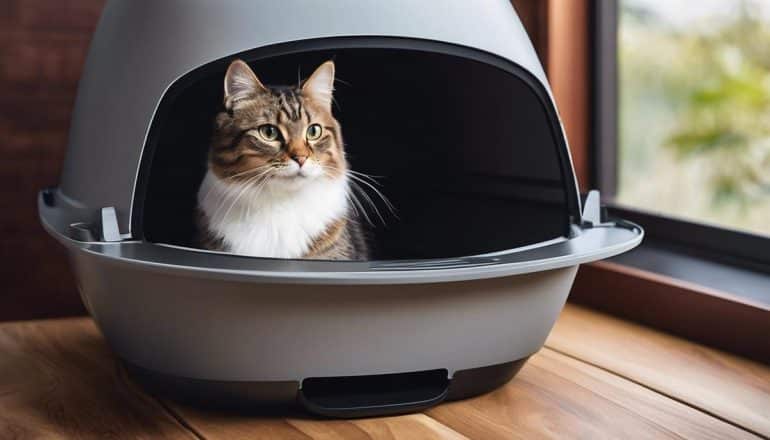
The great debate among cat owners often centers on whether to go with a covered or an open litter box. Covered boxes are excellent for providing privacy and keeping litter neatly contained, but some cats may find them too restrictive or may dislike the increased odor inside. High-sided open boxes can offer a happy medium, giving cats some privacy while still allowing for ample airflow.
Consider the Entry Point
Cats with mobility issues, such as seniors or those with physical disabilities, may benefit from a litter box with a low entry point, while able-bodied cats can usually handle a higher step into the box. If your cat is a sprayer or likes to dig, a high-sided box or one with a hood can help keep the litter and waste contained.
Material and Cleanup
The material of the litter box can also influence your choice. Plastic is the most common and affordable option, and it’s easy to clean. However, over time, plastic can absorb odors, so replacement may be necessary after a while. When it comes to cleaning, look for litter boxes with non-stick coatings or models that come apart easily to ensure efficient cleanup.
- Location, Location, Location
Finally, no litter box guide would be complete without mentioning placement. The location of the litter box in your home can impact how well it’s accepted by your cat. Make sure the spot is quiet, accessible, and away from their feeding area. Cats value their privacy, but they also don’t want to feel cornered.
In choosing the right litter box for your feline, consider their unique personality and habits. With a keen eye on size, style, and material, you can select a box that meets both their comfort requirements and your cleaning preferences, ensuring a harmonious home for everyone involved. Remember to scoop daily and provide one more box than the number of cats in the household to prevent any territory issues. And above all, be patient – it may take a bit of trial and error to find the purr-fect fit.
Selecting and Maintaining Cat Litter
Choosing the Right Cat Litter for Hassle-Free Litter Box Training
When it comes to litter box training, selecting the appropriate cat litter is just as crucial as the box itself. One that suits your cat’s preferences and facilitates easy clean-up can lay the foundation for successful, stress-free training. Let’s dive into the various types of cat litter and discover which may be the best fit for your feline friend.
- Clumping vs. Non-Clumping Litter
- Scented vs. Unscented Litter
- Dust-Free Litter
- Biodegradable Litter
- Silica Gel Crystal Litter
- Litter Attractants
Clumping litter is a popular choice for many, as it allows for easy scooping of waste. The litter forms solid clumps when it comes into contact with urine, making spot cleaning a breeze. On the other hand, non-clumping litter typically costs less and might be less likely to be tracked around the house but requires more frequent changing of the entire litter box.
While scented litter might be pleasing to the human nose, some cats may find the fragrances off-putting. Unscented litter is often preferred by cats and is recommended for sensitive or allergic cats. Pay attention to your cat’s reaction to scented litter—if they avoid the box or show signs of discomfort, it might be time to switch to an unscented variety.
A significant factor to consider is the amount of dust that the litter generates. Dust-free or low-dust options are especially critical for homes where cats or family members have respiratory sensitivities. Moreover, a dust-free environment ensures a cleaner space around the litter box and promotes better air quality in the home.
For the eco-conscious pet owner, biodegradable litters offer an environmentally friendly option. Made from materials such as recycled paper, wood, corn, or wheat, these litters are sustainable and often flushable, making them a convenient choice. However, it’s essential to verify that your plumbing system can handle these litters before flushing.
This innovative choice boasts high absorbency and can provide superior odor control. The crystals are designed to trap and eliminate odors, and they can last longer before needing to be replaced. This type of litter requires less frequent changes, but it’s crucial to regularly remove feces and stir the crystals to maintain their effectiveness.
Some litters include special additives designed to entice your cat to use the box, which can be particularly helpful for initial training or if your cat is hesitant to use their litter box. If you’re dealing with litter box avoidance, consider a litter blended with an attractant to encourage proper box use.
Final Tips for Litter Box Training Success
Remember, the softness and texture of the litter can also impact your cat’s comfort. Cats prefer a litter that mimics the natural feel of sand under their paws—think fine-grained and soft. Furthermore, always ensure that the litter depth is adequate, as some cats have a strong digging behavior, while others prefer a shallower bed to cover their waste.
By carefully selecting a cat litter that considers absorption, odor control, texture, and your cat’s specific behaviors, litter box training can be a more pleasant and successful endeavor for both of you. Keep the litter box clean, and don’t forget to praise your cat for using it correctly. Consistency and patience are vital; with the right approach, your feline’s litter box habits will become a seamless part of your daily routine.
Positive Reinforcement Techniques
Encouraging Litter Box Use Through Positive Reinforcement
Training a cat to faithfully use a litter box may not require the intensity of a dog learning to fetch, but it does need the same kind of thoughtful, positive encouragement. Feline friends benefit just as much from positive reinforcement, ensuring they know the litter box is the prime spot for their bathroom breaks. Use the following tips to associate that spot with pleasurable experiences.
Begin With Reward-Based Training
The moment your cat uses the litter box appropriately, seize the opportunity for positive reinforcement. A timely treat can make all the difference. After your cat finishes in the litter box, reward them promptly with a small, tasty treat. This immediate association helps your cat understand that using the litter box results in a delicious reward.

Consistency is Critical
Just like in training a dog to sit or roll over, consistency in response is key. Reward their correct litter box behavior every time to build a reliable routine. Over time, as your cat consistently heads to the litter box without coaxing, you can gradually reduce the treats. Yet, even occasional reinforcement after this habit is well-established can be beneficial to maintain it.
Create a Happy Environment
Cats value comfort and peace, so make sure the litter box environment is both. Place the litter box in a serene area, away from loud noises and high traffic. An ambiance of tranquility around their litter box helps your cat associate the area with safety and comfort, important aspects for a cat when doing their business.
Praise Goes a Long Way
Treats aren’t the only form of positive reinforcement. Cats respond well to verbal praise, petting, and playtime. Every time your kitty uses the litter box, use a warm, encouraging voice to tell them they’ve done well—couple that with a gentle stroke or a few minutes of play. Over time, this will solidify the behavior you’re looking for.
Integrate Play and the Litter Box
Playing near the litter box can create positive associations as well. After your cat successfully uses the box, engage in a short period of play nearby. This helps your cat link the litter box area with the joy and excitement of playtime, turning it into a place they’re happy to return to.
Never Punish
It’s essential to avoid negative reinforcement such as scolding or punishment if your cat has an accident. This only creates stress, which can exacerbate the issue. Instead, clean up accidents without fuss and maintain a positive demeanor with your kitty. Always revert to positive reinforcement as the method to guide behavior.
Monitor and Adapt
Finally, watch for signs of success and areas for improvement. If you find a method of positive reinforcement that resonates particularly well with your cat, make it a mainstay of your training approach. Observing your cat’s behavior and adapting your techniques ensures that the training remains effective and responsive to your cat’s needs.
With a gentle touch, a consistent hand, and a bit of patience, positive reinforcement can smoothly pave the way to successful, stress-free litter box use. Remember, it’s about creating a positive link between the act you desire and your cat’s natural inclinations. A well-rewarded kitty is a happy, compliant companion, one that will naturally gravitate towards the right spot when nature calls.
Photo by alvannee on Unsplash
Creating a welcoming litter box environment requires attention to detail and understanding your cat’s preferences. From selecting the right type of box and litter to employing positive reinforcement techniques, these steps are critical for a harmonious home. By maintaining a clean and comfortable litter area and being attentive to your cat’s behavior and needs, you encourage good litter box habits. Remember, patience and consistency are key. With the right approach, you can fortify the bond between you and your cat, ensuring a happy and hygienic household for years to come.