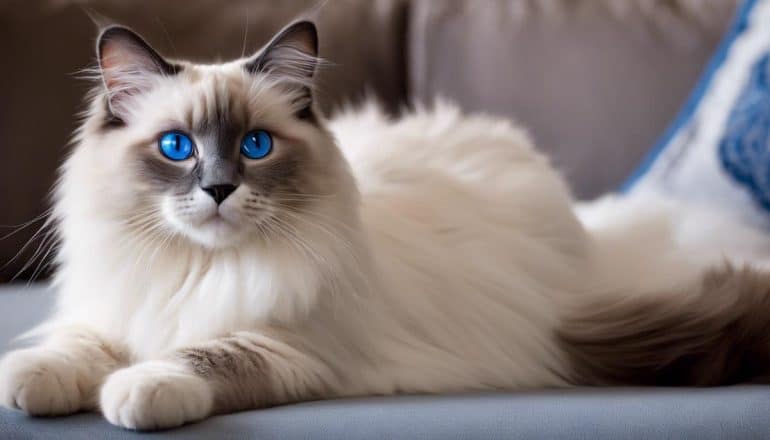
Graceful and captivating, the Ragdoll cat emerges as a true marvel within the feline world. With origins as intriguing as their placid nature, the breed’s enchanting tale begins in the 1960s under the careful nurturing of Ann Baker. From its earliest inception to its ascent among the ranks of beloved pets, the Ragdoll cat has mesmerized cat enthusiasts with its serene disposition and striking appearance. This treasured breed, often likened to living plush companions, has woven its way into the hearts of many. In this exploration, we’ll delve deep into the Ragdoll’s extraordinary journey — from the diligent breeding endeavors that shaped its unique disposition to its regal stature and endearing behavioral quirks — painting a comprehensive portrait of this gentle giant.
Origin and History of Ragdoll Cats
Unraveling the Beginnings of the Ragdoll Breed: A Feline Tapestry
Dive into the origins of the beloved Ragdoll breed, known for its gentle nature and plush coat
Embarking on the journey of Ragdoll cat’s past is akin to peeling back the layers of a captivating mystery. From its angelic demeanor to the silk-like fur cascading down its gracious frame, the Ragdoll breed boasts an origin story as remarkable as the cats themselves. What better way to appreciate these feline beauties than by understanding where they hail from?
Origin Story of the Ragdoll Breed
Pinpointing the exact genesis of the Ragdoll breed leads us to the early 1960s in sunny California. It’s here, in the home of cat enthusiast Ann Baker, that the first threads of the Ragdoll tapestry come into view. A regular, non-pedigreed white, long-haired cat named Josephine is the matriarch from which the Ragdoll lineage unfolds.
An Accident and A Transformation
Josephine’s life, while initially ordinary, took a dramatic turn following a car accident that left her in need of veterinary care. Post-recovery, Baker observed a noticeable change in Josephine’s upcoming litters. The new kittens displayed remarkable traits: a docile temperament and a tendency to go limp when picked up, akin to a child’s ragdoll, hence the breed’s charming name.
Cultivating the Breed
Baker, recognizing the special nature of these kittens, embarked on a selective breeding process. She focused on nurturing these desired characteristics: the amiable temperament, large size, and striking blue eyes. Several of Josephine’s offspring, most notably a male named Daddy Warbucks, were integral to honing the breed standard that characterizes Ragdolls today.
Sealing the Pedigree
The tireless dedication resulted in a breed boasting not just a friendly disposition but also a distinctive look—with semi-long hair, a color-point coat, and wide, innocent eyes. The Ragdoll cat was officially recognized by various cat fancier associations from the late 1960s and has since sauntered into the hearts of cat lovers worldwide.
The Genetics Behind the Charm
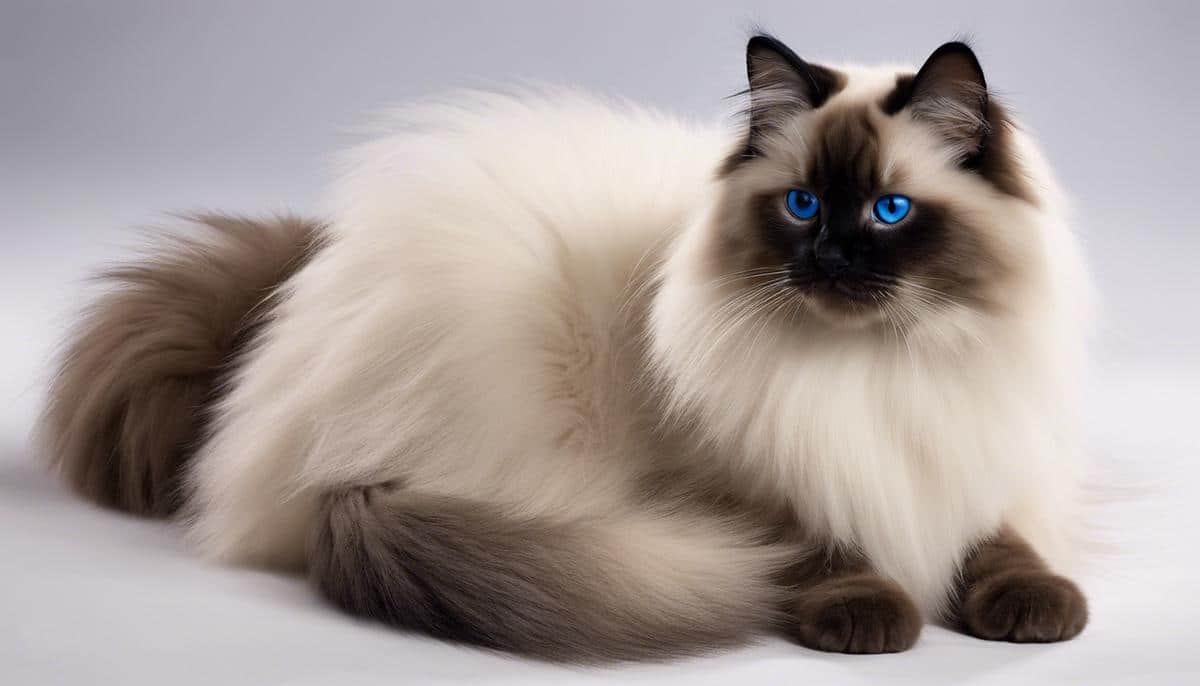
Digging deeper into the genetic vault, Ragdolls are pointed cats, meaning they have a lighter body with darker extremities. This bewitching contrast is thanks to a temperature-sensitive gene that darkens the cooler parts of their bodies. It’s a delightful twist of nature’s paintbrush, creating living, breathing artwork in these placid companions.
Their plush fur doesn’t mat like other long-haired breeds, and the Ragdoll’s body is often described as being quite substantial, contributing to their enveloping allure.
Embracing the Legend
Though steeped in engaging history, it’s important to gracefully acknowledge certain tall tales of Ragdoll origins, such as Josephine’s supposed genetic mutations due to the car accident. Instead, the transformation observed was likely due to careful and selective breeding, resulting in the extraordinary pets we cherish today.
The Ragdoll’s Legacy Continues
Today, Ragdolls are sought after for their friendly nature and incredible affinity for human companionship. They embody tranquility and are known for their ability to bond deeply with their owners.
Engaging with a Ragdoll is an experience that echoes the care infused into their breeding from the start—like the softest whisper, it leaves an indelible mark of gentleness and love.
Remember, despite the history and the majestic presence of Ragdolls, it’s the daily, heartfelt interactions that truly shape the depth of this breed’s existence. They aren’t just a charming historical footnote but living, breathing creatures that enrich our lives perpetually.
Physical Characteristics of Ragdoll Cats
Ragdoll Cats: Unraveling the Mystique of Their Unique Physical Features
Ragdoll cats are known for their striking physical appearance and docile nature. One of the most intriguing aspects of these felines is their distinct physical characteristics, which contribute to their popularity as a beloved pet. Let’s delve into the features that make Ragdolls the plush, living dolls they are famously likened to.
A Display of Color and Patterns
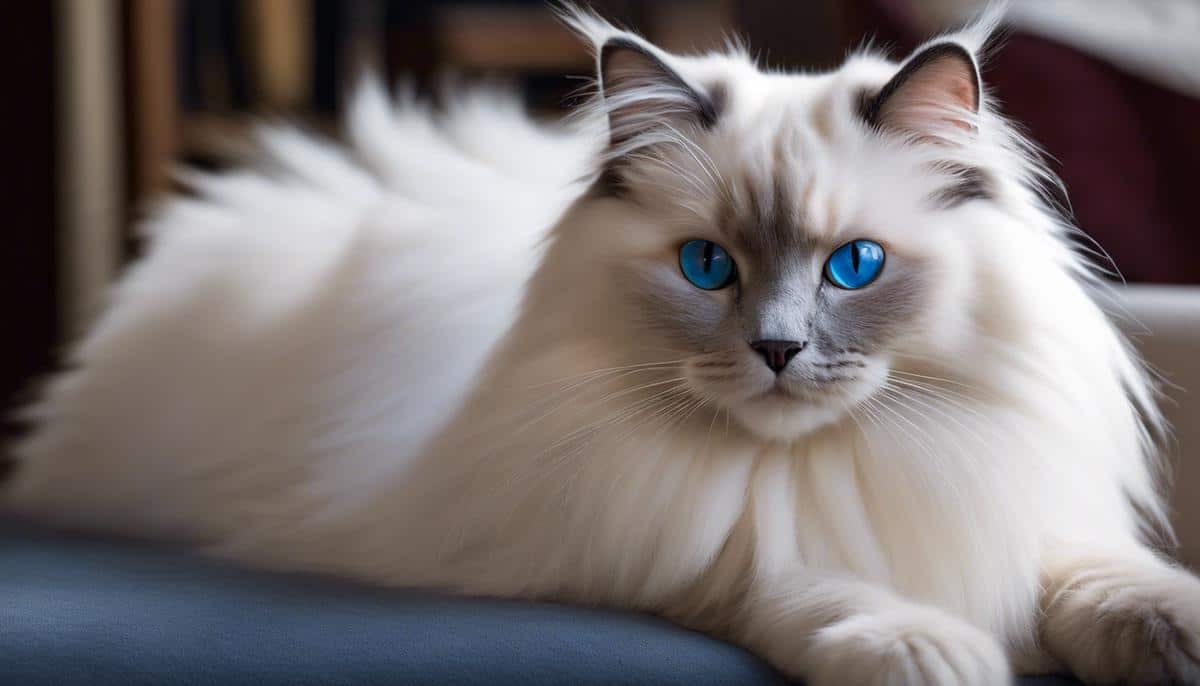
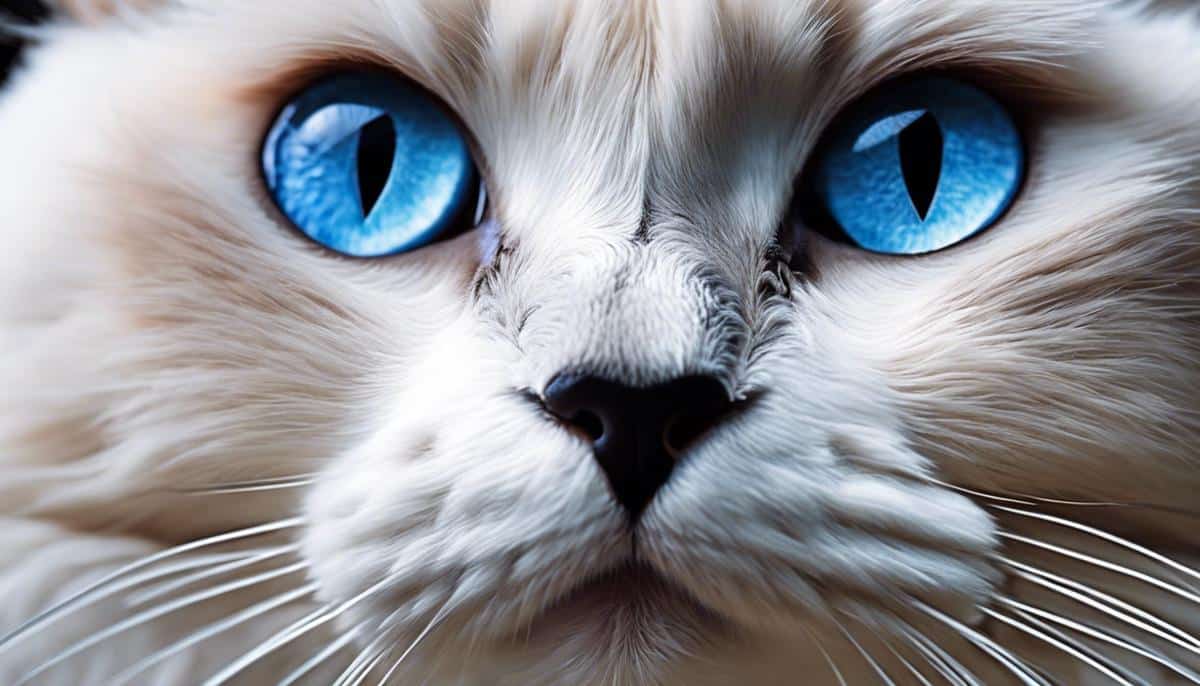
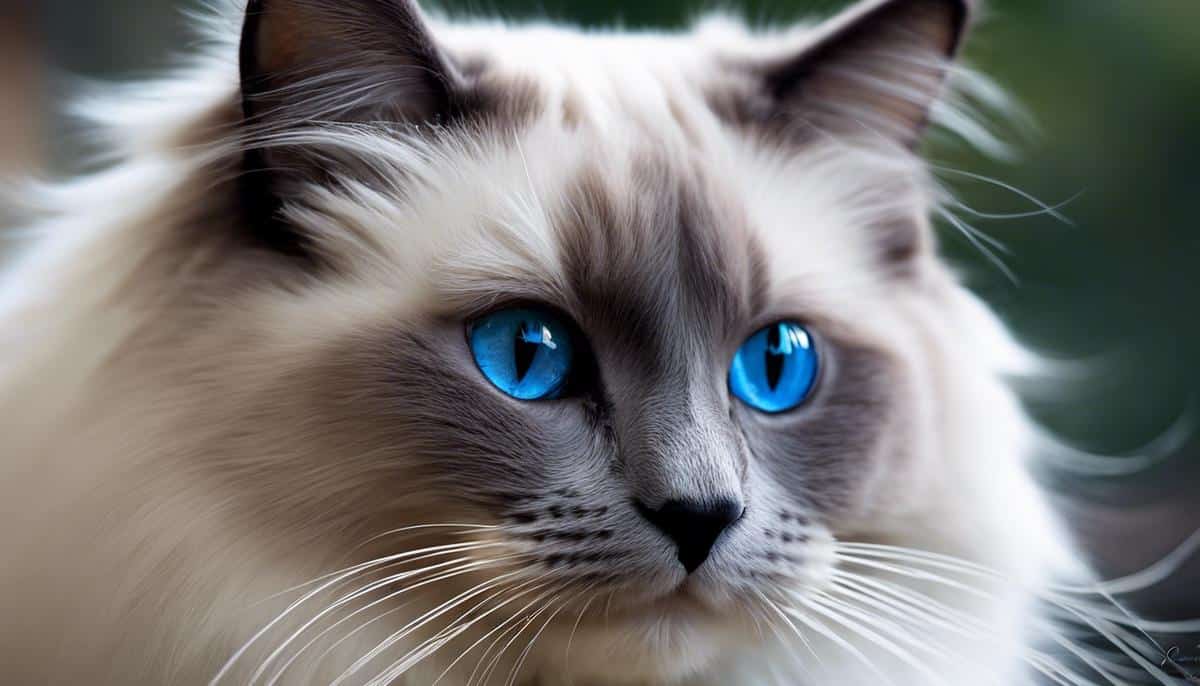
Gazing into the world of Ragdoll cats, one is captivated by their vivid blue eyes, a signature trait of the breed. These oceanic orbs are not just beautiful; they’re a breed standard, reflecting their gentle disposition with each serene blink. Beyond their hypnotic gaze, the fur of a Ragdoll cat is a canvas of colors and patterns. They come in a variety of hues such as seal, blue, chocolate, and lilac, with color points that mark their ears, face, paws, and tail in darker tones that stand out against the lighter body color.
The Silken Coat
A Ragdoll’s coat is another hallmark of the breed, exuding a silky smoothness that beckons for affectionate caresses. Unlike other breeds, their semi-long hair doesn’t mat easily, making grooming a breeze for owners. The texture is comparable to rabbit fur, and the luxurious fluffiness can be attributed to the absence of an undercoat, which adds to the breed’s charm. The lack of a dense undercoat also lends a softness to the touch that is irresistible and adds to their cuddly, teddy bear-like appeal.
A Blend of Size and Grace
A gentle giant in the cat world, the Ragdoll boasts a sturdy and robust frame, with males weighing up to 20 pounds and females slightly smaller. This breed grows slowly, reaching full maturity around four years of age. Despite their hefty stature, Ragdolls move with an elegant grace, a testament to their well-balanced body structure and muscle tone.
The Singular Floppiness
One marvel-worthy feature of the Ragdoll breed is their characteristic ragdoll-like limpness when picked up or held. This distinctive floppy behavior adds to their allure, signaling a trusting and relaxed nature that has endeared them to many.
Adorned with facial expressions of serenity and friendliness, these cats have oval-shaped heads with a sweet, gentle contour. Their medium-sized ears tilt forward slightly, aligning perfectly with the equilateral triangle of their face.
A Tail of Fluff
The tail of the Ragdoll cat deserves its spotlight. Long and bushy, it continues the pattern of their color points and complements their regal bearing. The tail, like a plume, accentuates their elegant silhouette, finishing the portrait of what makes these cats a perennial favorite.
Bi-colors and More
Patterns in a Ragdoll’s fur can range from the bi-color that features white legs and an inverted ‘V’ on the face to the mitted look with contrasting “mittens” on their feet. There’s also the colorpoint without any white, and the lynx variety which boasts unique tabby markings.
These traits culminate to define the Ragdoll breed, contributing to their distinct look and persona. As with any living creature, these attributes may vary from one individual to another, but the commonalities bind them as a breed—a breed that continues to capture hearts with their plush appearance and mellow charm. In the world of cats, Ragdolls indeed stand out, majestic and tender, their physical characteristics a testament to the breed’s storied heritage and enduring appeal.
Behavioral Traits of Ragdoll Cats
Understanding the Unique Temperament of Ragdoll Cats
The Essence of the Ragdoll’s Temperament
Ragdoll cats embody a temperament that sets them apart in the feline world. Beyond their striking physical features, these gentle giants boast a disposition that cat enthusiasts and pet owners highly cherish. Their demeanor is characterized by a serene nature and an affectionate personality that resonates with those fortunate enough to share their lives with these majestic creatures. This piece delves into the nuances that make the Ragdoll’s temperament so remarkably unique.
Affectionate Companions
Ragdoll cats are renowned for their remarkable sociability and affectionate interactions. Their preference for being close to their human companions is almost dog-like, often following loved ones from room to room, showcasing their desire for companionship. The bond they forge with their families is strong; they revel in cuddles and, in some instances, will exhibit a penchant for being cradled in one’s arms like a child—living up to their ‘Ragdoll’ moniker through their relaxed nature when picked up and held.
Adaptable Peacekeepers
One of the hallmarks of the Ragdoll breed is their adaptability. This makes them an ideal pet for a variety of living situations. Whether residing in a bustling household with children and other pets or dwelling in the quietude of a single-person home, Ragdolls tend to acclimate with ease. Their calmness is a soothing presence, contributing to a harmonious atmosphere irrespective of the environment’s energy levels.
Playful Yet Gentle
While Ragdolls possess a playful side, often engaging in games of fetch or interactive play with toys, they balance their playfulness with a particularly gentle demeanor. This breed is not known for aggressive behavior; instead, they display patience and tenderness, making them excellent companions for younger family members and amicable cohabitants with other pets. Their non-confrontational nature means they rarely engage in territorial disputes, preferring peace over dominance.
Intelligence and Trainability
Ragdoll cats exhibit a level of intelligence that aids them in picking up on household routines and even some basic commands, a trait not always associated with felines. Their attentiveness and responsiveness to their human counterparts’ cues allow for a degree of trainability not commonly found in many cat breeds. It is not unusual for a Ragdoll to come when called or fetch objects as part of their interaction repertoire, allowing for enriching engagement between pet and owner.
The Quiet Communicators
While Ragdolls are not known for being particularly vocal, they do have subtle ways of communicating. Their soft voices contrast with more vociferous breeds, but their gentle coos and quiet meows convey their needs and affections just as effectively. Eye contact and physical nudges often communicate their desires or signal a request for attention, which reflects their refined approach to interaction.
Unfazed by the Fuss
Their poised nature stands out in situations where other cats might express discomfort or stress. Ragdolls tend to remain unbothered by the commotion of house guest visits or even trips to the vet, displaying a confidence and tranquility that mirrors their overall serene demeanor.
In Summary
What truly makes the Ragdoll cat’s temperament so unique is the delicate balance they maintain between affection, tranquility, adaptability, and intelligence. Their serene temperament, coupled with their amiable nature, confirms their status as cherished companions, enabling them to leave indelible paw prints on the hearts of those who welcome these plush, purring friends into their homes.
Health and Care of Ragdoll Cats
Ensuring Optimal Health and Care for Your Ragdoll Cat
Ragdoll cats, known for their striking blue eyes and docile nature, make for captivating companions. As a pet owner, it’s essential to understand the specific needs of this unique breed to ensure they lead a healthy, joyful life. There’s a plethora of information that can help Ragdoll cat owners maintain their pet’s well-being, and here, the focus is on providing actionable care advice rooted in that expertise.
Dietary Needs: The Foundation of Feline Health
A well-balanced diet is critical for Ragdolls. Their food should be rich in high-quality proteins to support their muscular build and energy needs. It is recommended to feed Ragdolls a combination of wet and dry food to cater to their hydration requirement while maintaining dental health. Always look for foods that specify they meet the nutritional levels established by the AAFCO Cat Food Nutrient Profiles for your cat’s life stage. Portion control is also key – these cats have a propensity to gain weight easily, so monitoring their food intake and avoiding excessive treats is essential.
Grooming: More Than Just Looking Good
With a semi-long, plush coat, grooming your Ragdoll is a necessity to prevent matting and hairballs. Despite their fur’s tendency to resist matting, regular brushing—two to three times a week—is vital. Use a stainless-steel comb to gently work through their coat, helping distribute natural oils and remove loose hair. Bathing should be infrequent but can be done every few months using a cat-specific shampoo to keep their coat silky and prevent oils from building up.
Exercise and Play: A Playful Spirit in a Laid-back Body
Even though Ragdolls are often likened to serene lap cats, they need regular exercise to avoid obesity and to stimulate their minds. Interactive toys and puzzle feeders provide physical activity and enrich their environment, fulfilling the cat’s natural predatory instincts and preventing boredom. Encourage playtime every day to keep them active and engaged.
Veterinary Care: Preventive Measures Go a Long Way
Regular check-ups are non-negotiable for keeping your Ragdoll cat in top condition. Annual vet visits for vaccinations, deworming, and health assessments can catch issues early when they are more manageable. Dental hygiene is also critical; regular dental check-ups and cleanings can prevent periodontal disease, which is prevalent in cats.
Understanding Potential Health Issues
Ragdoll cats can be predisposed to certain genetic health conditions, such as hypertrophic cardiomyopathy (HCM) and polycystic kidney disease (PKD). Responsible breeding practices have reduced these risks, but it’s important to be aware of them. Be on the lookout for signs of lethargy, sudden weight loss, or any other changes in behavior, and consult your vet if you notice anything unusual.
Creating a Safe and Comforting Environment
Creating a stress-free environment is important for Ragdolls, who thrive on stability and affection. Ensure their litter box is cleaned regularly, as Ragdolls are particular about their hygiene. Provide them with a quiet, cozy area where they can retreat and feel secure, away from loud noises and high-traffic areas.
Remember, the journey of caring for a Ragdoll cat is one of patience and diligence. Armed with the right knowledge and a heartful of love, you can ensure your Ragdoll not only survives but thrives alongside you, sharing in the joys of a harmonious life together.
The Ragdoll cat stands as a splendid testament to the power of selective breeding and the human desire for companionable pets. With their lush coats, calming presence, and amiable personalities, they have established themselves not just as pets, but as cherished family members. As we continue to cherish and care for these gentle giants, it is our responsibility to uphold the legacy of health and happiness that defines the breed. By recognizing the importance of proper care, staying vigilant about their unique health needs, and enveloping them in an environment brimming with love and attention, we ensure that the Ragdoll cat continues to grace our lives with their unparalleled affection and majesty for generations to come.