
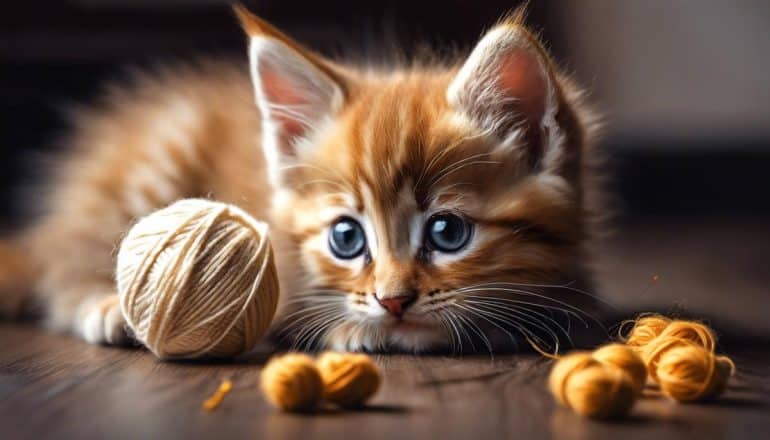
Feline nutrition plays a pivotal role in every stage of a cat’s life, dramatically influencing their overall wellness, energy levels, and even longevity. From the playful days of kittenhood through the prime of their adult years, and into the peaceful twilight of their seniority, what we feed our cherished cats is the cornerstone of their health journey. Understanding the nuanced dietary needs of these elegant creatures will ensure that our feline friends thrive at every age. This essay dives into the best cat foods tailored to each distinct life stage, providing a roadmap for pet owners who want to nourish their cats with the utmost care and knowledge.
Kittenhood: The Foundation of Feline Health
When it comes to raising a healthy and happy family, let’s not forget the tiniest, furriest members! Just like human kids, our little four-legged babies need the right nutrients to grow up strong and lively. Ensuring that the family pup or kitten is well-nourished is just another part of the beautiful chaos that makes our lives whole.
First thing’s first, choosing the right food is akin to picking the perfect preschool – it sets the foundation for everything that follows. Look for pet food that lists real meat, fish, or poultry as its first ingredient. A strong start with quality protein helps build muscle and keeps that tail wagging energetically.
Remember, size matters – but in the case of portion sizes! While it’s tempting to spoil fur babies with a little extra kibble, following the recommended feeding guidelines keeps them from tipping the scales into unhealthy weight territory. It’s all about balance.
Don’t skimp on the H2O. Just like their human siblings, pets need plenty of fresh water to stay hydrated. It’s essential for their digestion and helps keep their fur shiny and soft. Plus, those adorable water bowl laps are music to a pet lover’s ears.
Next, let’s talk about vitamins and minerals. These are the unsung heroes of a well-rounded diet. Calcium is crucial for strong bones, while iron keeps the blood healthy. And just like kids love their gummies, pets often need supplements to fill in the nutritional gaps.
DHA isn’t just a buzzword for human babies; pets need those Omega-3 fatty acids, too, for brain development, especially in their youthful months. Consider foods or supplements rich in fish oil to boost their brainpower and keep them sharp and savvy.
Treats are more than just training tools; they’re opportunities for added nutrition. Choose treats that have functional benefits, like dental chews that keep teeth clean or those that include additional nutrients. It’s like sneaking veggies into a smoothie – they won’t even know it’s good for them.
Rotate that bowl as one would a child’s toy box. Every so often, introduce new flavors and textures to keep mealtime exciting and to expose them to a variety of nutrients. It’s the pet equivalent of a culinary adventure – think of it as the family foodie on all fours.
Lastly, keep in touch with the vet, because just like a good pediatrician, they’re partners in keeping our fur kids thriving. Regular check-ups ensure their diet is meeting their changing needs, whether they’re a sprightly puppy, an active adult, or a gracefully aging senior.
Wrapping up, making sure the little furball gets all the nutrition they need isn’t just a responsibility; it’s one of the many joys of parenting in a fur-filled household. And just like with any parenting journey, when they shine, you shine – only with a bit more fur involved. Now, go on – give that pet a loving scratch behind the ears as a well-done for being such a vital part of the family tapestry.

Photo by krista on Unsplash
Adult Cat Cuisine: Maintaining a Sleek, Healthy Glow
Continuing on from the essentials of pet nutrition, it’s imperative to touch on some additional aspects that could be the key to sustaining your furry friend’s vigorous and joyful demeanor well into their adult years.
First off, let’s talk fiber—often the unsung hero in a cat’s diet. Adequate fiber, from sources like pumpkin or beet pulp, can aid in digestion and prevent hairballs. It can be quite the lifesaver for long-haired breeds, ensuring their insides are as healthy as their luxurious coats!

Then there’s the topic of antioxidants. Just like us humans, cats can benefit from the protective properties of antioxidants. These help fight off free radicals and can support a robust immune system. Foods rich in antioxidants may include ingredients like carrots, blueberries, and spinach. Adding these superhero elements to your cat’s diet could spell the difference between constant vet visits and a flourishing, carefree cat life.
Let’s not forget about dental health. Dry kibble designed to promote dental hygiene can help remove plaque and tartar build-up. Imagine each crunch acting like a miniature toothbrush—now that’s something to purr about.
Weight management is another crucial aspect of an adult cat’s health. An overweight cat can face numerous health issues, so choosing a diet with the right balance of calories and exercise can keep them agile and able to pounce at a moment’s notice.
Last but not least, consider the age and breed of your beloved feline when choosing their food. Certain breeds and older cats may have specific nutritional needs, and there are tailored options out there that can cater to those special requirements.
Keeping these points in mind when selecting your adult cat’s next meal can not only keep them in their playful, prime condition but also deepen the bond you share through the care and love you pour into their feeding bowl. Now let’s get those tails wagging with health and happiness!

Senior Support: Age-Appropriate Eats for Golden Years
As our feline friends enter their golden years, their nutritional needs become more specialized, just like humans. Tailoring their diet becomes essential to making those twilight years vibrant and healthy. Here are additional key considerations when feeding your senior cat:
- Adaptability to Digestive Changes: Aging often brings with it a less efficient digestive system. Foods that are easily digestible can help prevent stomach upsets and ensure they’re absorbing the nutrients they need.
- Lower-Calorie Foods: Senior cats may not be as active as they once were, and thus, their caloric intake should reflect their decreased energy expenditure. But it’s not just about less food—it’s about nutrient-dense food that meets their needs without packing on the pounds.
- Phosphorus and Kidney Health: It’s no secret that as cats age, kidney function can decline. Diets lower in phosphorus may support kidney health, which is something a vet might recommend as part of a cat’s health management plan.
- Joint Support Ingredients: To support joint health, which can deteriorate with age, look for foods that include glucosamine and chondroitin. If they’re not present in their foods, talk to your vet about supplementing.
- Specialized Kibble: Dental health continues to be important for senior cats. Some kibble is designed to reduce plaque and tartar build-up. Keeping those pearly whites intact helps make mealtimes painless and enjoyable.
- L-carnitine for Metabolism: This nutrient can be a great addition to a senior cat’s diet as it helps to maintain a healthy weight by improving fat metabolism.
- Easy Access Feeding: Lastly, making sure your senior cat can access their food—and that they’re enticed to eat—is key. Consider their ability to reach their bowls and the allure of the food’s aroma to encourage a healthy appetite.
Catering to these nutritional needs takes love and patience but ensures the feline family members stay purring and content into their later years. After all, they’re not just pets; they’re beloved parts of the family tapestry.
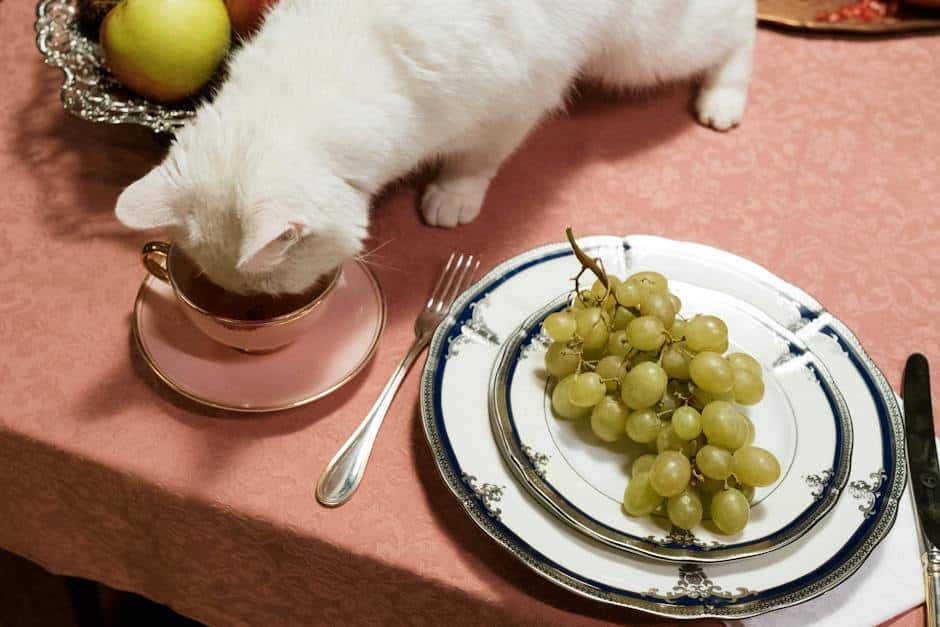
Guiding our feline companions through a long, healthy life is a rewarding endeavor that begins with our understanding of their dietary needs. As these needs change from the energy-filled days of kittenhood through the stability of their adult years and into the graceful slowing of their senior phase, adapting their nutrition accordingly is key. By choosing the right food options to match their life stage, we provide our cats not only with delightful meals but also with the vital components of feline vitality. The journey of caring for a cat is filled with numerous responsibilities; among the most important is ensuring that at every meal, love is served in the form of the best possible nutrition.