Being a kitten parent brings immense joy, but it also entails a great responsibility of ensuring a healthy upbringing. Just like human babies, kittens too are vulnerable to sickness and it’s essential for pet owners to recognise early signs of illness to mitigate potential threats. This guide will illustrate how to recognize symptoms of illness in your pet, including both visual and behavioral changes such as lethargy, loss of appetite, and abnormal activities. It will also yield crucial insight into situations necessitating professional veterinary help, tips for finding a reliable clinic, and inquiries to make about your fur baby’s health. Lastly, but perhaps most importantly, the emphasis will be placed on how best to provide at-home care for an impaired kitten to expedite recovery.
Recognizing Kitten Illness Symptoms
Recognizing the First Signs That Your Furry Friend Might Be Unwell
Every child’s dream is to have a soft, playful friend to cuddle, and kittens have their unique way of spreading joy and ceremony to a household. But like humans, they too occasionally face health issues, and being quiet creatures, communicating their discomfort might often go unnoticed. Here’s your guide to deciphering their subtle signs, to ensure your fluffy family member remains healthy, happy, and active.
1. Change In Eating Habits:
Consistency is key where our feline friends are concerned. A sudden decrease in appetite might imply a troubling sign. Additionally, if a kitten is eating a lot but still losing weight, this could be a signal of an underlying issue. Changes in drinking habits are equally important to take note of. Increased thirst can indicate kidney problems or diabetes.
2. Shift In Activity Levels:
Kittens are known to be balls of energy, chasing anything that moves and happy to play for hours on end. If your usually lively kitten suddenly becomes lethargic, withdrawn or sleeps more than usual, this could signal discomfort or sickness.
3. Alteration In Basic Behaviour:
Purring, a common sign linked with contentment, can also occasionally be an expression of discomfort. Additionally, watch out for consistent meowing or behavioral changes, such as increased aggression or hiding behavior.
4. Changes In Litter Habits:
What’s in the litter box can tell you much about your kitten’s health. Diarrhea, constipation, unusual smells, or colors can serve as serious red flags. Additionally, urinating outside the box or decreased frequency could signal bladder or kidney issues.
5. Changes In Appearance:
Pale gums, diarrhea, excessive salivation, or an unkempt coat can all be signs that your kitten is not feeling well. Also, a runny or crusty nose, coughing, sneezing, or difficulty breathing can be related to respiratory troubles.
6. Running a Fever:
If your kitten is running a fever, it’s definitely a reason for concern. A healthy kitten’s temperature runs between 100.5F – 102.5F. However, if the temperature reads above this, it’s time to consult the vet.
7. Eye or Nose Discharge:
Discharge from the eyes or nose could signal respiratory issues. If the discharge is colored (green or yellow), do not hesitate to take the kitten to the veterinarian.
Remember, you know your fluffy friend best. Trust your instincts; if something doesn’t seem right, it probably isn’t. The best line of defense in maintaining your kitten’s health is taking it to regular veterinary check-ups. By doing this, you ensure your little feline friend stays healthy and continues to bring joy to the life of your family.
Seeking Professional Help
Knowing when your Furry Friend Needs a Vet: Additional Telltale Signs for Your Sick Kitten
If you’re a dedicated cat parent, you already know that a change in eating habits or a shift in activity levels are generally alarming, as is an alteration in basic behavior, changes in litter habits, or changes in appearance. You’ve probably also learned to monitor if your kitten is running a fever or if there’s any eye or nose discharge.
So what more can you look out for? Read on for more insightful tips on when to bring your ailing kitten to the vet.
Unusual Vocalizations
Cats are experts at communication, and they often use vocalizations to express their needs. If your kitten is doing a lot more meowing than usual or has changed its tone in significant ways, it could be a signal that things aren’t right. Any prolonged or unusual sounds that come out differently should pique your curiosity and have you on high alert.
Weight Fluctuations
Growth is part-and-parcel of any kitten’s life, however, drastic weight gains or losses aren’t normal. Unexpected shedding of pounds or ballooning up can be a sign of a medical issue. If your kitten’s size is unusually fluctuating, don’t hesitate to consult your vet.
Bad Breath
Surprising as this might sound, your kitten’s breath might be a strong indicator. Cats, especially kittens, shouldn’t exhibit strong, offensive breath. If you notice a strange smell over the usual ‘cat-food’ breath, it might be time to ring your vet’s office.
Excessive Thirst or Urination
Cats don’t usually drink a ton of water, so if your kitten seems to be visiting the water bowl more frequently, or you’ve noticed an increase in urine, it could be cause for concern. Several conditions can cause this, such as diabetes or kidney disease, both of which require immediate attention.

Difficulty Breathing
Airway diseases, although less common in cats, can cause breathing difficulties. If you notice any signs of labored breathing, immediate medical help is necessary.
Changes in Grooming Habits
Cats are known for their cleanliness, spending a considerable amount of time grooming. Unkempt fur or changes in their grooming habits could be suggestive of discomfort or illness.
Insummary, it’s crucial to familiarize yourself with your cat’s regular behavior. Every kitten is unique, and what’s normal for one might be unusual for another. Spotting changes early can give your little fluff ball a better chance for a swift recovery. Keep your kitten’s well-being top priority, and don’t hesitate to consult your trusted vet when concerns arise. After all, when it comes to your pet’s health, it’s always better to be safe than sorry. Remember, a healthy kitten makes a happy home!
Homecare for Sick Kittens
Comforting Your Sick Kittens: Effective Home Remedies and Measures
Any pet parent knows how stressful it can be when the newest feline addition to your family falls ill. When your kitten is under the weather, a few home remedies and comfort measures can make all the difference. From herbal solutions to tender loving care tactics, here’s a helpful guide on what you can do to ease your sickly pint-sized fur baby.
- Warmth is Key: Young kittens can lose body heat quickly, especially when they’re not feeling their best. An extra blanket, a soft towel, or a cozy pet bed warmed by a heating pad (on the lowest setting) can provide much-needed warmth and solace.
- Hot Water Bottles: If the kitten seems to be responsive to warmth, consider using a hot water bottle wrapped in a towel. Place it in the corner of its bed or carrier, giving the kitten the option to nestle in closer if desired.
- Water Therapy: Encourage fluid intake to prevent dehydration. Especially if excessive thirst or urination has been observed, plain water or low-sodium chicken broth might be all your kitten needs to perk up.
- Steam Showers: Just like humans, kittens can also benefit from the healing effects of steam. A warm steamy bathroom can help open up their tiny respiratory tracts, relieving congestion if you’ve noticed your kitten is having difficulty breathing.
- Purring Therapy: Yes, you read it right. Purring in kittens can sometimes lead to pain relief and healing. So, don’t hesitate to gently stroke your kitty, when they allows, to initiate purring.
- Cleanliness: Keep your kitten’s bedding and surroundings clean. Also, gently wipe their eyes and nose using a warm damp cloth if you’ve noticed an unusual discharge.
- Herbal Solutions: Herbs like slippery elm bark can be helpful for kittens with digestion issues. Remember to always consult with your vet before introducing any new remedies into your kitten’s diet.
- Aromatherapy: Some experts suggest that essential oils like lavender can soothe cats. However, because kittens are more delicate, it’s extremely important you verify safe use of oils with your vet before diffusing around them.
- Quiet Space: Remove any sources of excessive noise or stress. A peaceful environment will allow your kitten to rest and recover.
- Grooming Aid: Assist your ill kitten in grooming duties they might find challenging. Use a soft brush to help comfort them and keep their fur in good condition.
Always remember, it’s important to keep an eye out for significant behavioral changes. While these remedies and comfort measures can help alleviate kitten’s discomfort, they are not a substitute for professional veterinary care. If you suspect your kitten might be seriously ill, please seek help from a licensed veterinarian immediately.
Enjoy every purr-filled moment with your feline baby. Your tender care plays a crucial role in helping them grow into a healthy, happy adult cat!
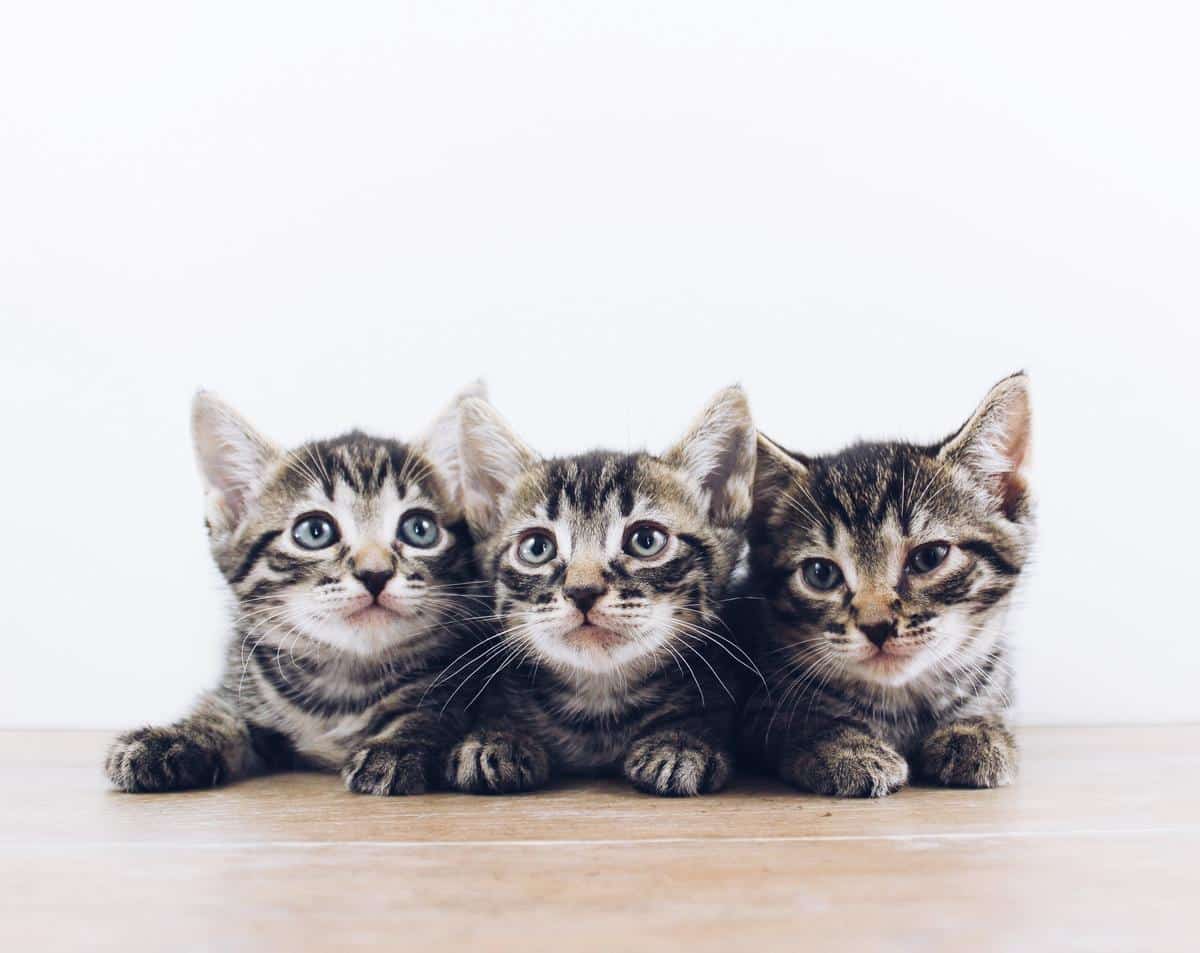
Photo by theluckyneko on Unsplash
Comprehending the nuances of kitten health is paramount for any caring pet parent. Recognizing early signs of sickness and turning towards professional assistance when needed can make a big difference in the health trajectory of your little feline pal. Also, nurturing them with the right care at home not only helps in recovery but strengthens the bond you share with your kitten. Remember, leaving any symptom unattended might result in serious health risks. Be observant, be caring, and do everything in your power to contribute to your fur baby’s wellbeing. Their joyful leaps, playful scratches, and that soothing roar will pay off for all your worries and efforts in providing them a healthy, happy life.