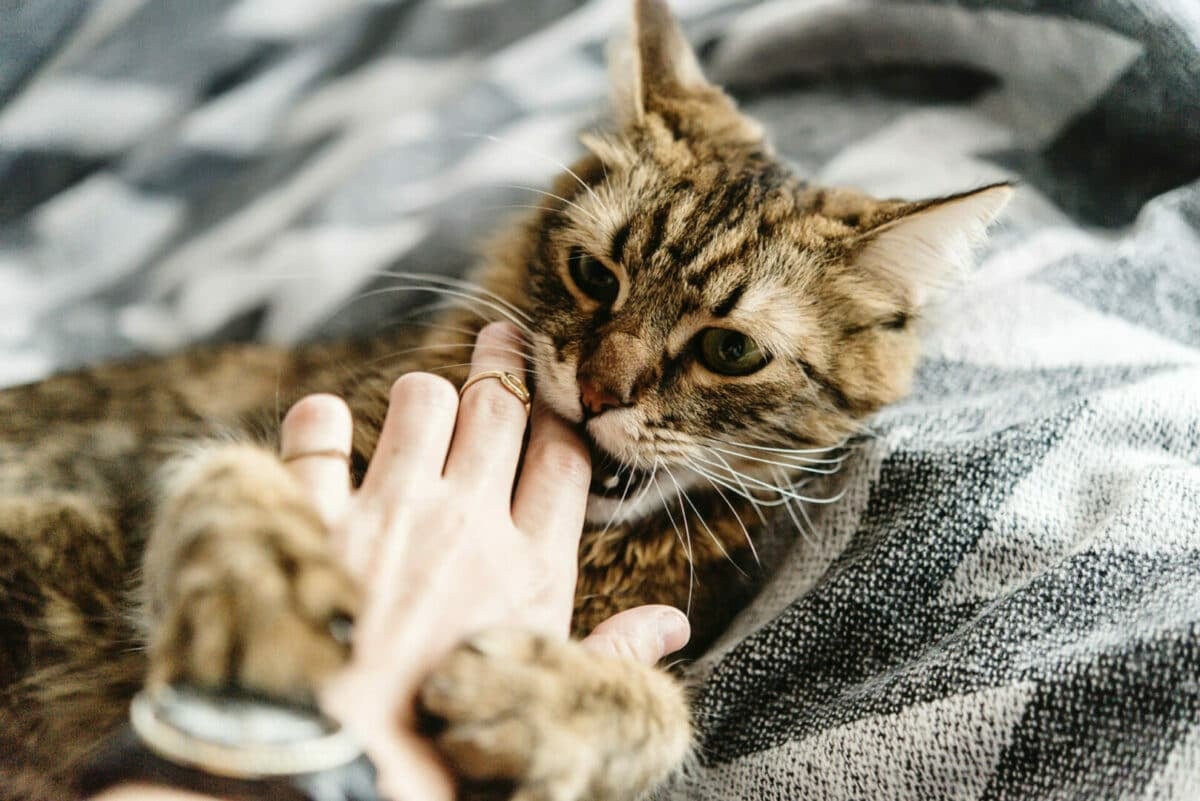

When it comes to training pets cats may not be the animals that come to mind. However despite their independent nature cats can indeed be trained; it just requires a different approach compared to dogs. The key to cat training lies in understanding their behavior, which allows us to anticipate how they might react in different situations. By observing the subtleties of feline psychology their natural tendencies and social behaviors we can create a training program that aligns with their feline perspective. Positive reinforcement is a part of this process as it involves recognizing and rewarding desired behaviors. This essay intends to offer you insights and tools for embarking on the fulfilling journey of training your cat while strengthening the bond, between you and your furry companion.
Understanding Cat Behavior
Unlocking the Purr-spective: What Really Motivates Kitty to Listen
Hey there parents and animal lovers! Have you ever found yourself marveling at those cat videos that go viral where they obediently follow commands like little furry soldiers? If so have a seat with us at the family table grab some treats, for our friends and lets explore the fascinating world of what motivates our whiskered companions.
Cats are widely known for their nature. They often have their ways, which sometimes leave us humans fascinated by their enigmatic behavior. However with the approach it is indeed possible to motivate a cat to follow commands. Let me share with you some insights, into what catches their attention and gets those tails wagging.
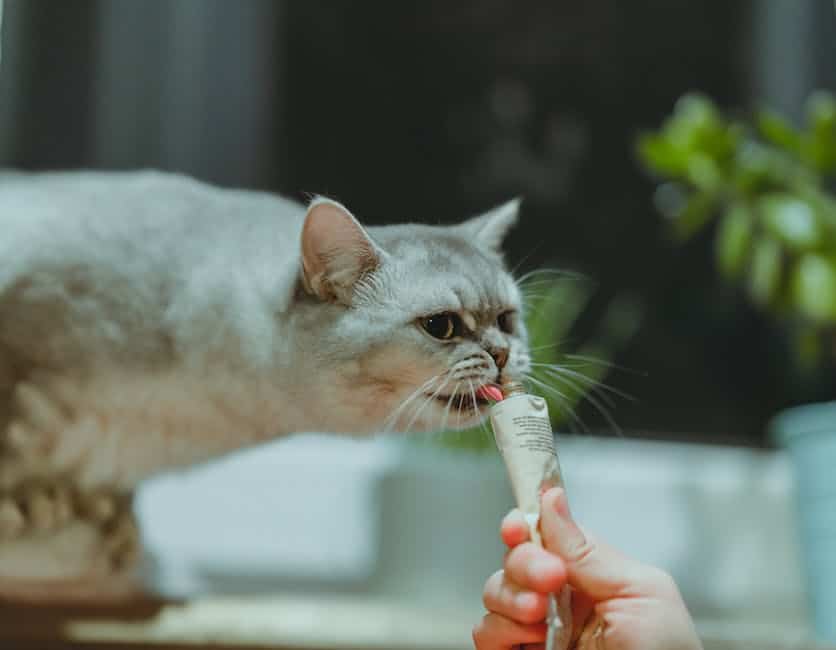
The technique of using treats has been around, for ages. Its a reliable method to win over a cats affection and cooperation. Cats, being naturally inclined to hunt and enjoy the results of their endeavors become more receptive when they realize there’s a treat involved. It’s straightforward; issuing a command and then offering a reward creates an exchange that many cats quickly grasp.
. It’s not just about the food. Down every proud whisker twitch reveals a longing, for affection and recognition. Even though cats are often seen as aloof they are actually beings who enjoy forming strong bonds with their human family. Combine a command with a stroke of their velvety fur or a loving cheek rub after they successfully carry out the task and you’ll have them purring for more opportunities to make you happy.
The fascination factor is also important. When training a cat it can be really effective to tap into their curiosity. You can use a toy or something new and exciting as the focus of your command. Observe how the cat becomes interested. Cats are naturally creatures and often tend to follow commands that align with their innate desire to explore.
Consistency plays a role in this game of feline Simon Says. Cats flourish when they have a routine and can anticipate whats coming. By using the commands consistently you can establish a cognitive pattern that even the most independent cat can easily understand. It’s important to remember that repetition is a tool for teaching and learning even, for our beloved four legged companions.
Although treats and affection may initially serve as motivators cats eventually realize that following commands contributes positively to their routine. Their longing for a home life, where they can comprehend and be comprehended provides a solid basis, for continuous training.
In the ambiance of family life, where affection and education occur in the same snug surroundings, even a feline companion can eagerly join in. Therefore when you find yourself gathered with your children and the cat cozily nestled by your feet remember that with a bit of patience and proper motivation the entire family can partake in the joy of training. Wishing you bonding moments and successful training endeavors fellow enthusiasts of our feline friends!
Positive Reinforcement Techniques
Unlocking the Purr-fect Behavior: Positive Reinforcement Training for Your Feline Friend
When it comes to teaching our feline friends it may appear as if they have their own unique way of doing things. However the reality is that by using some planning and a good grasp of their needs we can shape our beloved cats behavior through positive reinforcement. This not becomes achievable but also brings joy to both the pet and their owner.
Setting the Stage for Success
Before you start training sessions it’s important to keep in mind that creating an welcoming atmosphere is essential. Cats are very sensitive, to their environment so making sure their space is secure and cozy is crucial. The proper setting helps to minimize stress. Creates the perfect conditions for a cat to be more responsive and attentive.
Breaking It Down – Baby Steps to Greatness
Cats tend to grasp things when they are taught in small repetitive increments. The key is to break down the desired behavior into steps that the cat can easily understand and follow. For example if you want Fluffy to learn how to sit on command start by rewarding any movements towards sitting like a small bend, in the knees and gradually progress towards achieving the full sitting position.
Clicker Training – A Sonic Boost
The clicker is a tool to have in your training arsenal. It’s a device that produces a unique sound and when combined with rewards or praise it can assist Fluffy in quickly linking actions, with positive outcomes. The clickers audible response promptly reinforces the desired behavior ensuring that your cat understands which action has resulted in a treat.
Visual Cues – The Silent Signals
Adding hand signals or visual cues can enhance your cats understanding in addition to praise. These non verbal instructions serve as means of communication without the need for words. For instance a gentle pointing gesture, towards the ground can encourage your kitty to lie down. As time goes on these visual cues can even substitute commands providing a calm and peaceful way to interact with your beloved pet.
Playtime – The Sneaky Trainer
Never underestimate the effectiveness of play when it comes to training. Making use of your cats loved toy as a form of reward can be an exciting way to keep them motivated. Take part in a play session as a token of appreciation, for a successfully performed trick. This not helps reinforce positive behavior but also offers your cat both mental and physical stimulation, which is truly beneficial.
Mind Their Energy and Mood
To effectively train your cat it’s important to understand when they are most open to learning. Similar to humans cats have their optimal periods, for absorbing new information. It could be that your cat is more alert and focused after eating or taking a nap. Being aware of their energy levels can greatly contribute to training sessions.

The Tail End – Final Thoughts on Training
Training cats using reinforcement is all about establishing trust and mutual understanding. It helps strengthen the connection between humans and their adorable feline friends. There’s an abundance of happiness in nurturing the intelligence of cats through kind and patient teaching techniques. So gather some treats get ready with the clicker and importantly enjoy the process—it’s not just about reaching a goal but also about cherishing every step, along the way. Have a wonderful time training!

Setting Up a Training Schedule
Ah isn’t it fascinating how cats have this charm? Like children they have their pace of learning so when it comes to training them its crucial to understand their individual personality and requirements. Lets have a conversation, about how we should conduct training sessions to maximize their learning and ensure they continue to enjoy their playful nature.
To start off it’s important to remember that pacing is crucial! Opt for training sessions that occur frequently as this is the key to achieving success. Aim to have two to three sessions per day with each session lasting around 5 to 15 minutes. Similar, to how we humans feel after a day cats can also become overwhelmed or lose interest if the training sessions are too long. By keeping the sessions brief you can ensure that they remain engaged and enthusiastic throughout.
The timing of training sessions is crucial as much, as how often you schedule them. It’s ideal to plan your cats training before meal times when their natural hunting instincts are activated and they become more enticed by those treats. Moreover incorporating an exercise before their meal is always a wise decision don’t you think?
Sure lets discuss the frequency for cat training. It’s important to maintain a routine over weeks and months when establishing good habits. Therefore its recommended to have training sessions every week avoiding long breaks in, between. By being consistent and patient you create an environment that enables effective learning.
Keep in mind that each cat has its unique personality and preferences. Although its generally recommended to spend a minutes each day on training it’s important to pay attention to your cats individual response and adjust accordingly. Some cats may need practice to learn a new trick while others may be able to pick it up with training every other day.
Pay attention to how engaged your cat’s. If they seem a bit off or not in the mood for training, like us humans sometimes it’s best not to push them. Being flexible is key when it comes to training. Adjust the schedule as necessary to make sure your cat stays responsive and content.
Lets make sure to highlight the importance of the rule before wrapping up training sessions; it’s always a good idea to end on a positive note. Whether it’s, with a cuddle, their treat or a fun toy finishing with a reward helps reinforce those happy and joyful feelings that come with training time.
Teaching your cat goes beyond dazzling tricks; it involves building a bond understanding each others communication and fostering a deeper connection based on mutual respect and love. Don’t forget to savor every moment of the process because those instances are as valuable, as the accomplishments that come after. Wishing you all training, fellow cat enthusiasts!
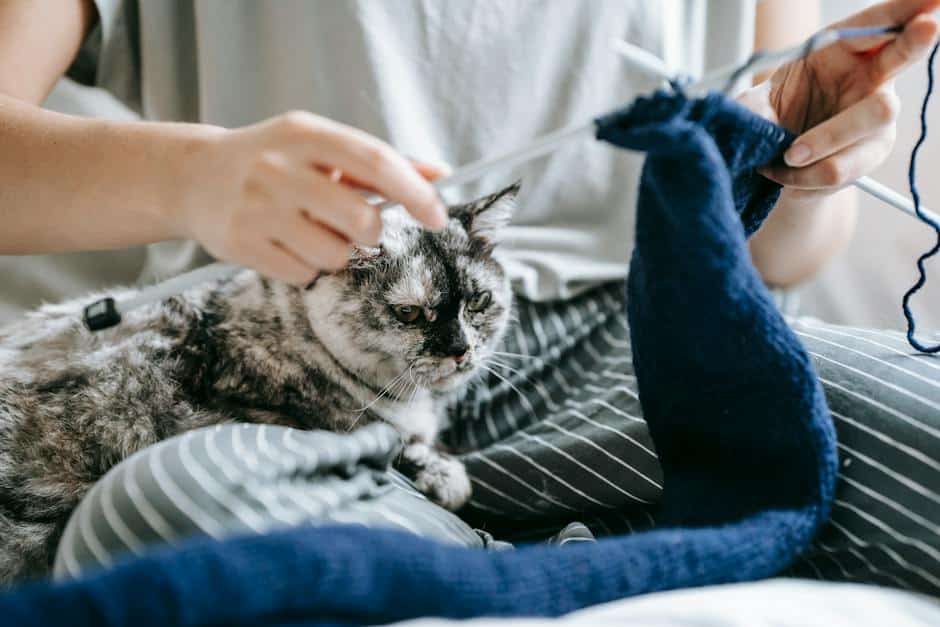
Teaching your cat goes beyond showing them tricks. It’s about improving the connection between you and your furry friend. It strengthens the bond you share creates a home environment and can even help keep your cat safe by teaching important commands. Remember, patience and understanding are crucial. As your cat learns commands through positive reinforcement a whole new level of companionship unfolds—a relationship built on respect and admiration that leads to a fulfilling life together. Celebrate every achievement and learn from any setbacks along the way and soon you’ll realize that your cat is not just a pet but a true partner, on lifes exciting journey.