While cats can make delightful and loving companions, for those susceptible to allergies, the encounter can occasionally be far from pleasant. Cat allergies, caused mainly by a protein called Fel d 1, can induce symptoms ranging from mild itching to severe respiratory complications. Yet, contrary to popular belief, not all cats produce the same level of this allergen-inducing protein, leading to the existence of hypoallergenic cat breeds. This intricate landscape becomes even more fascinating when we take a deep dive into some cat breeds that are genetically inclined to produce less of the Fel d 1 protein, potentially making them the perfect companions for allergenic individuals.
Siberian Cats
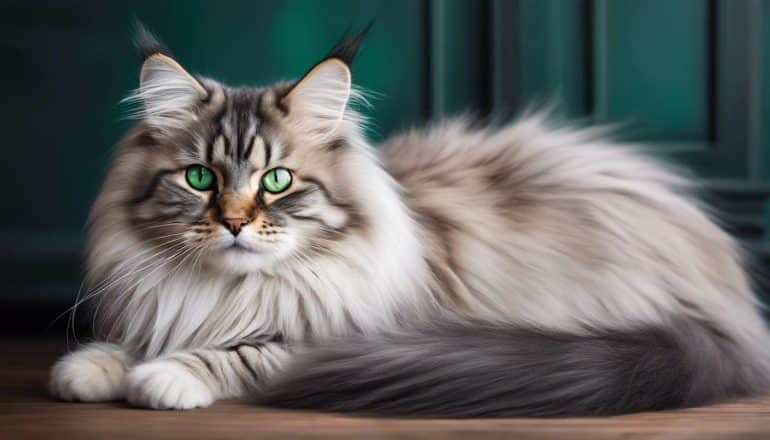
Siberian cats, known for their grace and beauty, hold a unique genetic distinction – a lower level of the Fel d 1 protein. This fascinating trait has sparked curiosity and even hope within the scientific and allergic communities.
The Fel d 1 protein is a major allergen in cat dander, saliva and sebaceous glands. Its presence is a significant trigger for individuals with allergies to cats, causing reactions that range from mild to severe. Siberian cats, however, produce this allergen in significantly lower levels than many other feline breeds, which can be beneficial for individuals with allergies.
Research has shown a correlation between the level of Fel d 1 protein and the intensity of allergic reactions. The lesser the amount of this protein, the milder the immune response. As such, Siberian cats may potentially invoke a lower allergic response in individuals, making them a preferable choice for households with allergenic individuals.
This lowered allergenic response is primarily due to the lower concentration of Fel d 1 protein in the Siberian cat’s dander and saliva. When this protein comes into contact with a sensitized individual’s immune system, it triggers the release of histamines which cause the typical allergy symptoms. The lower the Fel d 1 level, the lesser the histamine release and subsequent allergic reactions.
Moreover, individual variations of Siberian cats and their production of Fel d 1 may also be at play. Some Siberian cats produce significantly less of this protein than others, making them virtually hypoallergenic. However, it’s important to remember that labeling an animal as hypoallergenic can be misleading, as allergenic responses can vary greatly from person to person.
A good understanding of the allergenic individual’s sensitivity, their response to different breeds of cats, and the specific Fel d 1 protein level in the individual Siberian cat is fundamental. These factors should be taken into consideration before bringing a Siberian cat into a home with allergenic individuals, as the purpose of this adoption is to enhance the quality of life of these individuals, not worsen it.
Interestingly, some scientific evidences suggest neutered male Siberian cats have a higher concentration of the allergen Fel d 1 than females or unneutered males. This information might aid in the decision-making process if you are hypo-allergic and consider adopting a Siberian cat, giving preference to unneutered males or females.
In conclusion, while the lower levels of Fel d 1 protein in Siberian cats do not guarantee an allergen-free existence, they certainly offer a lower risk alternative for allergic individuals who yearn for the companionship of a feline friend. This remarkable breed of cats has given hope to many individuals allergic to cats, opening new possibilities for owning and loving a pet cat without fear of major allergic reactions. They continue to be a subject of interest and research in the quest to understand more about allergens, genetics and human immune response.
Balinese Cats
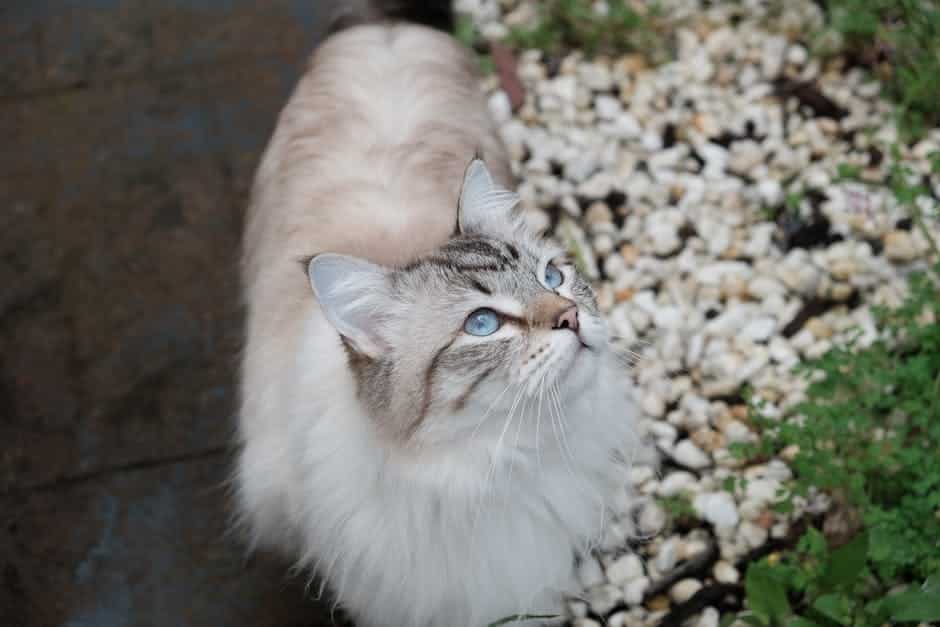
While the unique attributes of the Siberian breed have often been the focal point in the discussion surrounding allergy-friendly felines, another breed—Balinese cats—have intriguing traits worthy of consideration in this milieu. Known for their striking physical characteristics, Balinese cats are a part of the Siamese family and possess a similar attribute of reduced allergenic impact. This fact, paradoxically, is not linked to their silky, medium-length hair, but instead to a peculiar aspect of their protein secretion characteristics.
In the sphere of cat allergies, many individuals are impacted not by the animal’s fur, but by a protein known as Fel d 1. This glycoprotein, present in the cat’s skin, saliva, and tears, is dispersed into the environment through shedding or grooming actions and triggers the majority of allergic reactions in sensitive humans. It’s noteworthy here to acknowledge an often overlooked fact – Balinese cats exhibit a fundamentally distinct pattern in terms of this protein secretion.
Research suggests that Balinese cats produce significantly lesser quantities of the Fel d 1 protein compared to a vast majority of feline breeds. Some studies indicate this difference may amount up to a staggering 60% reduction in protein levels. This is a direct outcome of an inherited genetic quirk, a consequence of their Siamese lineage. While the precise evolutionary advantages of such a modification are yet to be fully understood, the potential benefits for allergic individuals are abundantly clear.
This reduced protein production translates into fewer allergens being released into a living environment, subsequently reducing the potential for triggering allergic reactions. For individuals with an immune system sensitized to the Fel d 1 protein, a Balinese cat introduces a much lower allergen load, potentially leading to lesser instances of allergic flare-ups and more manageable symptoms.
This attribute, however, should not be confused with the notion of Balinese cats being entirely hypoallergenic. The term hypoallergenic is often misinterpreted to mean allergen-free; this is far from the truth. While Balinese cats indeed produce fewer allergens, they do not eliminate allergenic triggers completely. The risk of an allergic reaction still exists, albeit at a diminished scale.

The genomic mechanics behind Balinese cats’ lower Fel d 1 protein production continue to intrigue scientists, sparking fresh investigations into feline genetics and allergenicity. This unique characteristic adds yet another layer of fascinating complexity to our understanding of the interplay between domestic felines and human allergies. A deeper investigation into this intriguing feline, its curious genetic attributes and diminished allergenic impact may indeed herald a novel chapter in fostering healthier human-cat relationships.
While Siberian cats have been the popular pet choice for allergy sufferers, the Balinese offer an enthralling and, perhaps, unexpected alternative, weaving a captivating narrative within the grand tapestry of our ongoing quest to comprehend allergenicity. Through an intersection of genetics, allergy science, and feline husbandry, we discover novel possibilities and unanticipated companions for those who thought the pleasure of pet ownership was merely a distant dream.

Devon and Cornish Rex
Shifting focus now to the Devon and Cornish Rex cat breeds, it’s fascinating to deduce what might make them uniquely hypoallergenic. Drawing upon both research and observations, the integral factor to their reduced allergenic impact appears to relate to their distinctive coat type. Both breeds possess coats that are notably distinct from most of their feline counterparts, which in turn, affects the distribution of allergen-laden saliva on their fur when grooming. Correspondingly, this leads to fewer allergic-triggering particles being released into the environment.
Breaking down the unique feature of these breeds, it’s paramount to take note of their ‘rexed’ coat. The term ‘rexed’ is used to describe fur that is curly or wave-like in nature, a unique characteristic that aligns with a genetic mutation. Both the Devon and Cornish Rex breeds fall into this category. Nevertheless, there exists a subtle difference between the two breeds. The Devon Rex sports both guard hairs and undercoat that are ‘rexed’, while the Cornish Rex solely has ‘rexed’ undercoat. Guard hairs, though absent in the Cornish breed, serve as the outer coat layer in many animals, offering a range of defense mechanisms, from shielding undercoat to providing waterproofing elements.
In a traditional feline coat, the follicles are coated with a protein-rich secretion (sebum) during grooming, that forms the milieu of allergens including Fel d 1, that dries and can subsequently become airborne. The absence of guard hairs in the Cornish Rex and the reduction of such in the Devon Rex possibly impairs this typical distribution of the allergenic compounds. Furthermore, their shorter, curlier fur may also limit the area available for allergen dispersal, resulting in fewer potential allergenic particles being shed and dispersed in the environment.
As intriguing as these hypotheses are, it’s critical to underline that neither breed is universally hypoallergenic, and individual responses may still vary based on one’s unique sensitivity to Fel d 1 protein, environmental factors and individual cat characteristics.
It’s also worth noting that the unique coat attributes of these breeds may necessitate extra care in terms of grooming and maintenance, requiring owners to adapt to their upkeep needs. Notwithstanding this, these breeds may offer an appealing alternative for cat-allergy sufferers seeking lower allergen feline companionship.
Delving deeper into the genetic idiosyncrasies and adaptations of the Devon and Cornish Rex breeds beholds promise and piques our scientific curiosity, carving new avenues to better comprehend the enigma of allergenicity and hypoallergenic organisms.

Indeed, despite the health challenges, some cat breeds pose less of a problem for allergic individuals. Siberian cats, Balinese, Devon Rex, and Cornish Rex are worth considering if you suffer from allergies yet wish to share your life with a feline friend. Each of these breeds demonstrates fascinating characteristics that make them less likely to trigger allergies, fundamentally due to their lower levels of the protein Fel d 1. In encouraging better understanding and awareness about hypoallergenic cat breeds, it appears the long-held dream of allergy-prone individuals to have a feline companion is not far from the realm of possibility. It is a wonderful testament to the remarkable diversity and adaptability in the world of our feline friends.