Any responsible and loving cat owner understands that the wellbeing of their feline companion is a top priority. Being aware of any signs that could give clues to the state of their health is crucial. Just like human beings, cats too can experience changes in their physical conditions, as well as their behaviors, when they are not feeling their best. Therefore, accurate and timely recognition of these subtle shifts can be vital in securing necessary medical attention and treatment. This article provides a comprehensive look at recognizing physical changes and understanding behavioral shifts in your cat, alongside underscoring the significance of regular vet check-ups and a dive into some common cat illnesses and potential home remedies.
Recognizing Physical Changes in your Cat
Detecting Illness in Our Furry Feline Friends: Physical Changes Not to Ignore
Cats are beloved members of many families, providing purring companionship and a whole lot of entertaining antics. As doting family members, we want nothing more than to ensure their health and happiness. Complicating this mission, cats are often masters of stoicism, masking discomfort or illness like tiny and most endearing furry warriors. So, let’s dive into some physical changes that can be indicative of underlying health issues in our feline friends.
Firstly, pay attention to changes in their eating habits. Consistent refusal of food, or a sudden and inexplicable obsession with food, can point towards health problems. Decreased appetite could indicate dental issues or kidney problems, while increased appetite might be a signal of hyperthyroidism. If their preferred gourmet chicken pâté or succulent tuna is suddenly being ignored or gobbled down in unusual quantities, it might be time for a visit to the vet.
Next up, keep an eye on their litter box activities. We all know this aspect of parenting our cats isn’t the most glamorous, but it’s pivotal to understanding their health. Urination and defecation habits tell a multitude of stories. For instance, frequent urination or straining might hint at a urinary tract infection, while constipation could signify dehydration or intestinal issues.
Don’t miss changes to your cat’s physique. Dramatic weight loss or gain, unkempt fur, and bony prominence are not to be ignored. Weight shifts could be associated with problems like diabetes or hyperthyroidism. A lustrous, well-groomed coat is typically a sign of a healthy and happy cat. If Fluffy’s fur is suddenly looking a tad mangy, it could mean she’s not feeling her best.
Look into their eyes. Changes in eye appearance or watery, red, or swollen eyes can indicate several conditions, ranging from conjunctivitis to corneal ulcers. Along with these changes, excessive discharge from the eyes or nose could be a sign of respiratory infections.
Now let’s talk about behavior. Yes, we know cats are lovable little enigmas, but dramatic changes in behavior can be of concern. Lower levels of activity, aggression, excessive hiding, or vocalization might suggest your feline friend isn’t feeling too chipper. These behavioral alterations can stem from a host of issues, from minor illnesses to pain-related conditions.
The motto is to always stay vigilant. Your pet cannot verbalize their discomfort, which makes it your job as their caregiver to pay attention to these signs. It’s not about becoming a paranoid pet parent, but about ensuring that your four-legged family member is hale, hearty, and ready for the next energetic play session or snuggle fest. Remember, when in doubt, always consult a trusted veterinarian to guide you further. Our feline friends depend on us, and by being attentive to these signs, we can ensure they live their nine lives to the fullest.
Understanding Behavioral Changes
Answering the Purr-plex Question: Could My Cat Be Sick?
Welcome, warm-hearted parents and homemakers! We’ve shared numerous talks on nurturing children, maintaining a beautiful home, and now it’s time for a chat about overseeing the health of the furrier family members – our beloved feline counterparts. Recognizing when our kids are feeling under the weather comes naturally to us, but did you know understanding our pets’ health can be just as possible? Behavioral changes often serve as whispers of a cat’s potential illness. But how can we decipher these hints? Let’s explore this together.
Firstly, it’s essential to scrutinize our cats’ regular play habits. Just like our children, cats can express their feelings in their behavior. A significant dip in the energy level of your usually active cat, frequent hiding or hostility, and consistent vocalization are valuable clues that kitty could be feeling unwell.
Equally telling are alterations in social bonding patterns. Cats are known for their independent nature. However, significant shifts in their interaction – avoiding companionship, unusually clingy behavior, or irritability towards other pets – might hint at an issue. Remember, your pet cannot verbalize their discomfort, and such signs are their way of communicating distress.
While these are the more common behavioral changes to look out for, some feline friends might manifest illness in other subtle yet significant ways. Disinterest in grooming, for example, is a potential red flag. Cats’ grooming is well known – their cleanliness is a source of pride. Any slackness in regular self-cleaning habits or clear neglect can suggest a probable health concern.
Moreover, pace variations to and from usual spots within the house or a complete alteration in favorite lounging spots can suggest discomfort. Cats are creatures of habit. Any disturbance in these routines hints at a possible problem, from digestive woes to joint pains.
Lastly, don’t downplay a sudden interest, or worse, an obsession with water – be it drinking excessively or frequently lounging around it. It could be an indicator of conditions as severe as diabetes or kidney disease.
Ensuring our pets’ wellbeing furthers our goal of a healthy, heartwarming family environment. With vigilance about the above changes, we can enhance our kitty’s health and wellbeing, contributing to a thriving family life. If your feline friend exhibits any of these signs, don’t hesitate to consult a veterinarian immediately. Always remember, early detection and treatment of potential health issues maximizes the likelihood of vital recovery and continuation of those purr-fect family moments. There’s no love too small; every bit contributes to our blissful home.
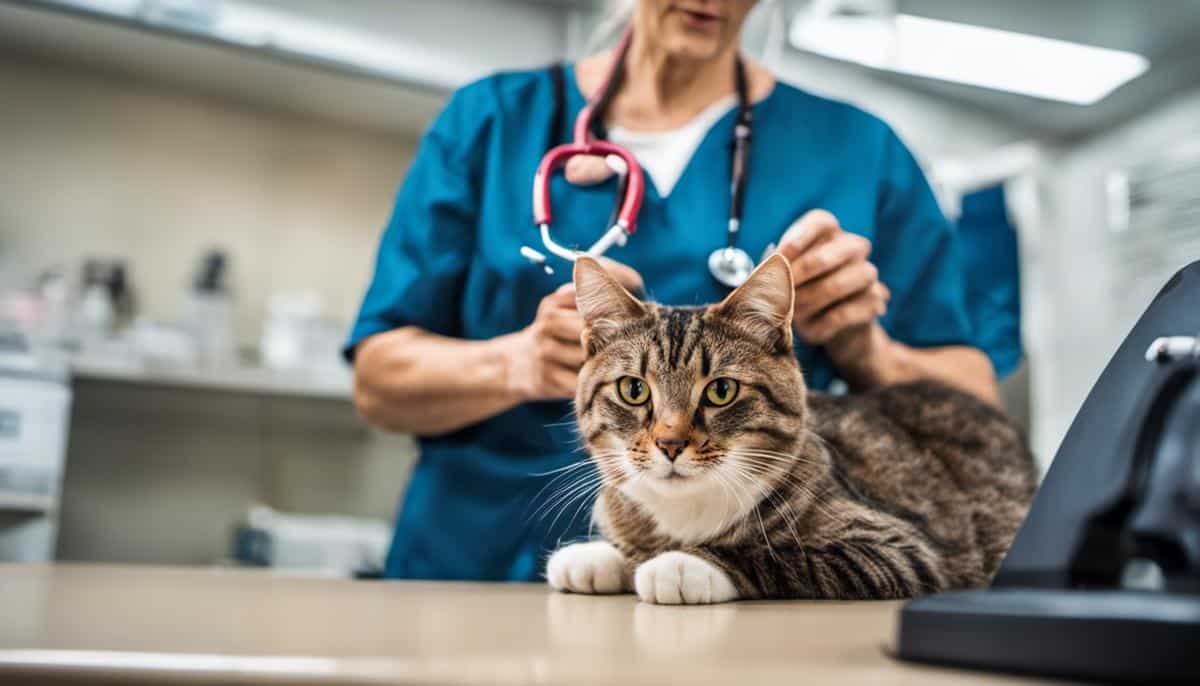
Importance of Regular Vet Check-ups
Ensuring Your Furry Friend’s Well-being: The Relevance of Regular Vet Check-Ups
As family-oriented individuals who value every loved one, including our pet companions, it’s crucial that we strive to keep them in peak health. This sentiment leads us to an important topic, the value of regular veterinary check-ups for cats. While it’s easy to overlook these check-ups when our whiskered sidekicks appear lively and agile per usual, the necessity of these visits couldn’t be more compelling. Believe it or not, but your feline friend has a knack for masking discomfort or illness, which is why consistent veterinarian visits are crucial.
One noticeable sign your cat might need a veterinarian’s evaluation involves fluctuations in their sleeping patterns. Cats are known to be champion snoozers, and any significant change could signal potential health issues. Excessive sleep or marked bouts of insomnia could be red flags for various conditions ranging from pain to hormonal imbalances. Regular vet appointments ensure these changes are detected and addressed promptly.
Furthermore, a sudden spike or drop in a cat’s activity level might also indicate a possible problem. Is your outdoor explorer now less interested in their backyard expeditions, or perhaps your living-room lion has transformed into an overly boisterous dynamo? While age or weather changes can affect your cat’s inclination to venture outside or their energy levels, sudden or dramatic shifts could be symptomatic of hidden health conditions. Scheduled vet visits will help rule out or diagnose any underlying illnesses.
Simultaneous changes in several areas of your cat’s behavior could signify a serious problem in progress. A kitty who loved sitting on your lap while you work but suddenly prefers solitude, or general changes in their interaction with family members, should not take a backseat. Regular vet check-ups will evaluate and monitor such alterations, ensuring peace of mind for you and a healthy life for your feline companion.
Another manifestation that should warrant prompt scrutiny involves the frequency and interest cats show towards water. While dogs often have an on-and-off love affair with water, cats typically have a more aloof relationship. If your cat, who would usually keep a safe distance from water, shows newfound obsession or overt fear, it’s time to call the vet. Whether it’s due to increased thirst associated with diabetes, certain complications related to their urinary system, or other health-related context, this change calls for professional intervention.

Given these many potential signals, it’s imperative that regular veterinarian check-ups are a routine part of your cat’s healthcare regimen. Cats are highly adaptive creatures, often excelling in hiding any discomfort or illness until the situation becomes severe. Only through regular vet appointments, can we break through their aloof façades to guarantee the best health and wellness for our beloved feline friends.
Common Illnesses and Home Remedies
Cats are commonly affected by health issues such as hairballs, urinary tract infections (UTIs), dental disease, and more. Understanding these health issues and knowing some potential home remedies can often be of great aid to our precious feline companions.
Hairballs can be a common occurrence and may not necessarily signify an illness. They form due to the fur that cats swallow during grooming, which occasionally will accumulate and get stuck, causing a hack or cough. Regular brushing can assist in reducing the formation of hairballs, as it helps remove the loose fur before your cat ingests it. Additionally, there are specially formulated cat foods and treats available to aid in hairball control and digestion.
Do note though, excessive hairball problems can be a sign of underlying issues such as dermatological conditions or gastrointestinal abnormalities. If hairballs are causing distress or there’s a sudden increase in their frequency, it’s time to visit the vet.
Urinary tract infections most commonly manifest as an increased frequency of small urine output, pain, or blood during urination, ongoing litter box dwellings without apparent excreting, and uncharacteristic urination in places other than the litter box. If these signs are detected, a vet should be consulted immediately. While awaiting your vet appointment, providing plenty of fresh water and a wet food diet can help prevent dehydration and promote urinary health. However, home remedies should not be a substitute for veterinary care as UTIs can lead to more serious issues if left untreated.
Dental disease in cats can be harder to notice but symptoms can include bad breath, difficulty eating or loss of appetite, inflamed gums, and changes in behavior. Brushing your cat’s teeth with a specially formulated cat toothpaste, providing dental chews and a healthy diet can help maintain good oral health. But when dental disease symptoms are noticed, a vet should be contacted for appropriate medication or dental procedures.
It’s important to remember that while home remedies can assist in managing minor health concerns, they should not replace professional veterinary care, especially with persistent or severe symptoms.
Parasitic infestations are another common ailment in cats, with external parasites like fleas and ticks – common culprits. Regular flea or tick prevention using vet-recommended products is key to protect your furry friend. Certain natural oils, like lavender or cedarwood can also be helpful, but always consult your vet before using these as some may be harmful to cats.
In addition to these common ailments, remember to maintain a balanced diet and regular exercise for your little hunter. A balance of dry and wet food is usually best as it can aid in both dental health and hydration, and engaging your cat in active play helps keep them mentally and physically fit.
As cat parents, our role is to provide a safe and loving environment, and yes, that involves being well-informed about common cat illnesses and advocating for their health. So, don’t shy away from asking your vet questions until you’re comfortable with your understanding of your cat’s health. And remember, when in doubt, always get professional veterinary advice. Shaping good habits today can help assure a healthier and happier tomorrow for our feline family members.
Remember, the key to ensuring the best health for your feline friends is early detection and intervention. Understanding the physical and behavioral changes can make a remarkable difference in your cat’s health. Regular vet visits not only help to maintain the overall health of your cat but also allow for early identification and management of potential health issues. Awareness of common cat diseases and knowing some basic home remedies can give you extra tools to keep your cat comfortable during challenging times. Let’s put these practices into action, knowing our beloved fur-babies depend on us to understand their needs and keep them healthy.