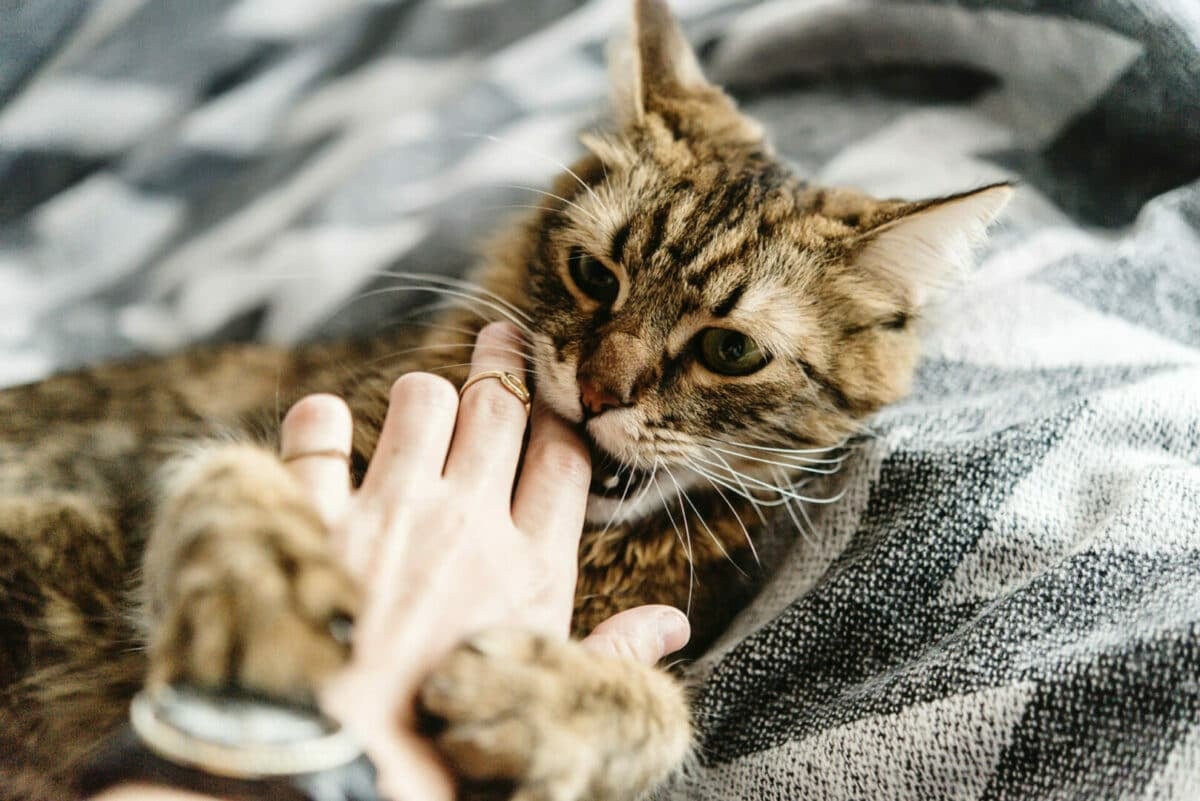

Training a cat can be an intriguing yet somewhat complex journey. There’s more to it than simply shaking a bag of treats or luring them with a toy; it involves understanding their unique personality, core instincts, and non-verbal cues. Whether you’re a new cat owner or have been sharing your home with your feline friend for years, getting to grips with their behavior can lead to a harmonious and rewarding relationship. Just as we humans relish learning new skills and embrace personal growth, our feline friends can also benefit immensely from training. In this exploration, we will delve into understanding cat behavior, choosing effective training methods, and revealing helpful tips that will make your training sessions enriching and enjoyable.
Understanding Cat Behavior
Title: Unlocking the Mysteries of Feline Behavior: A Key to Effective Cat Training
There’s no denying that cats hold an air of mystery about them. Their unpredictable behavior, downright disdainful antics, and the unabashed display of independence often leave us, as pet-parents, perplexed. Isn’t it sometimes like trying to decipher an Ancient Egyptian hieroglyph without a Rosetta stone? But, hey, fret not! Here’s the secret—understanding these idiosyncrasies can immensely help in training a cat.
Begin by approaching it as a natural science feat, akin to understanding your child’s temperament to cater to their development requirements. You’re not just detangling the enigmatic behavior patterns of your furry friend; you’re building a bond rooted in love, respect, and mutual understanding. So, where do we start, you ask? Let’s dive right in, shall we?
- Ears are Speaking Volumes
- Respect the Cat-sonal Space
- Watch for Tail-Tales
- Dining Alone is Preferred
- Recognizing Vocal Signals
- Expression of Love
Cats use their body, primarily ears, to communicate their mood. For instance, if those ears are standing straight and forward – consider your cat to be content and alert. A scared or agitated cat will have its ears flat against the head. Listen to these silent signifiers, and you’ll always know what your kitty is trying to convey.
Unlike dogs, most cats value their independence and personal space. Disturbing your cat when it’s not feeling social is likely to end up in a series of hisses or even a pounce. Marking the boundaries and allowing cats their alone time can make training sessions more effective, fostering a deeper bond between both parties.
A twitching or dramatically whipping tail signals agitation sometimes mixed with fear, whereas a puffed up tail indicates fear or aggression. On the flip side, a tail held high or looped towards the front suggests a joyful, friendly cat.
Cats are solitary creatures, especially when it comes to their meals. Rushing or forcing communal feeding can lead to heightened stress and behavioral problems. Observing and respecting this trait can prevent forcing an unhappy routine on your pet.
From meowing, purring to hissing – each sound a cat makes has a different intent. Paying attention to these not-so-subtle hints can dramatically improve communication, making training sessions a breeze.
Cats have a unique way of expressing their love – by kneading. If you spot this adorable behavior, understand that your cat feels comfortable and wants to express its love by kneading – a behavior they display when they’re kittens.
The art of understanding your cat’s mind is a bit like aligning puzzle pieces. It’s all about observing, comparing notes, and coming up with the best-fit solution. Remember, it’s a beautiful journey, somewhere between raising and training a cat, you’ll find yourself evolving into a calm, patient, and problem-solving pet-parent, cherishing every inter-species interaction you were fortunate to decode. And indeed, there could be nothing more rewarding!
Remember, love knows no language barriers, and that includes our feline friends as well. So keep learning, keep growing, and keep loving these wonderful little creatures called cats. Happy parenting!

Choosing the Right Training Methods
The Purr-fect Guide: Most Effective Cat Training Techniques for New Pet Parents
Fancy yourself a new and proud parent of an adorable feline friend? Congratulations on your furry addition to the family! This article is here to walk you through some effective cat-training tips to create a harmonious environment within your home.
The first thing we need to remember is that cats aren’t puppies. They respond best to positive reinforcement over negative reactions. Toss out the concept of punishment, for instance, yelling, hitting, or spraying water – it doesn’t work and only creates fear. Cats thrive on positive interactions, so rewarding good behavior is the most effective tip.
Consider using clicker training, a type of positive reinforcement. The idea is simple: you make a ‘click’ sound the instant your cat performs an acceptable behavior, then immediately give her a treat. In time, your cat will associate the ‘click’ with a reward, making training sessions easier.
Cats can also be trained using their favorite toys or treats as lures, enticing them to perform desired behaviors. This celebration of good behavior can often lead to repetitive actions. For example, if your cat scratches the right post, reward her with a tasty treat.
For training, consistency is key! Ensure everyone in the family is on the same page about which behaviors are acceptable and which aren’t. Mixed messages from different family members can confuse the cat, slowing down the training process.
Give cats time to acclimate. If you’ve just brought your furry friend home, allow them a few days to adjust before starting your training sessions. It’s important they feel safe and comfortable in their new home first.
One approach you might consider is ‘target training,’ where your cat is trained to touch an object, usually a wand or a stick, with their nose or paw. It’s a simple method and can be a vital first step in teaching other behaviors like sitting or staying down.
Keep training sessions short, approximately 15 minutes at a go. Long sessions may bore or annoy your cat, leading to decreased effectiveness.
Lastly, be sure to approach your cat’s training with patience and understanding. Keep in mind that each cat is unique, so what works for one might differ for another. Approaching your feline friend with empathy, patience, and a willingness to understand will make the process pleasant and filled with loving memories!

So, get ready to enjoy this exciting journey of parenting your feline friend. Remember, there’s much more to it than training: it’s about building a path of trust, love, and understanding. Enjoy the purrs, the head bumps, and the lazy afternoons basking in the sun – because there’s nothing quite like being the parent of a cat!
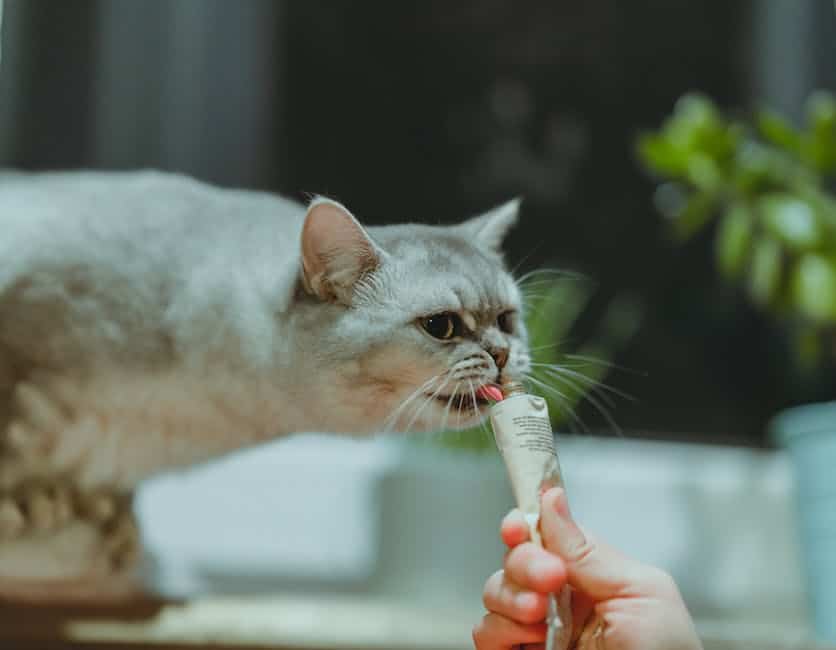
Tips for Training Your Cat
Navigating the world of cat training is quite a unique journey. It is an adventure filled with fun, laughter, and love, but also demands from us unwavering patience, understanding, and dedication. Let’s explore some of the essential tips and tricks to make the cat-training journey smoother.
One of the most fundamental aspects of efficient cat training is positive reinforcement. You see, cats are naturally independent. Using aggressive or forceful measures will only make them fearful. Instead, when we respond positively and reward them for good behavior, they associate it with good things, thus encouraging them to repeat it in the future.
This brings us to another crucial catalyst in cat training—clicker training. This method works miracles in reinforcing a cat’s positive behavior. When your feline friend does something commendable, trigger a ‘click’ sound and reward them with something they love, a tasty treat maybe. Over time, they will start linking the sound with rewards, noticeably improving their behavior.
Toys and treats can have a powerful magnetic effect on cats. Use their favorite toys or irresistible treats as lures to help guide and train them to exhibit desired behaviors. For instance, you can use a toy mouse or a feather wand to teach them how to fetch. Be creative and use these allurements to make training enjoyable for them.
We see our family as a team, don’t we? Just as in any team sport, consistency is key in cat training. Maintaining consistency among all family members in using commands and rewards will speed up the training process. Variety in instructions will only confuse your furry friend and prolong the training phase.
Before diving headfirst into training, give your fur baby some time to settle and acclimate. Abruptly introducing complex tasks might scare them off. Start with simple tasks and gradually introduce them to more complex tasks at a pace comfortable for them.
Target training is another effective method that can be used to teach your feline companion various behaviors. Start by choosing a target, like a stick. Let your cat sniff or touch it and reward them with a treat. Repeat this process until your cat associates the target with getting a treat, then use the target to teach other behaviors.
Remember, short and sweet—that’s the golden rule for cat training sessions. Cats, just like us, can lose focus with lengthy tasks. Therefore, conducting short, but consistent training sessions can increase their attention span and eagerness to participate, making the training more effective.
Treating cat training with patience and understanding is perhaps the most critical requirement. Cats are complex creatures, each with their personality. Therefore, one-size-fits-all doesn’t apply here. Some cats may pick up faster, while others might take their own sweet time. Respect their pace and shower them with love, no matter how slow their progress may be.
Last but profoundly significant, is building a path of trust, love, and understanding with your cat. Don’t treat your cat as a pet; consider them as a part of your family. Always believe in them, appreciate their efforts, and let them know that they are loved. When you forge such a bond with your cat, training sessions won’t be just a learning experience for them; they’ll also be an expression of your mutual love and trust.
To sum up, there’s no limit to learning when it comes to understanding cats, so keep an open mind and heart. There will be occasional scratches and bites, definitely, but the ultimate reward—a lifetime of love from your feline friend—is worth every effort. Here’s wishing you and your heavenly little creature the best in this journey towards understanding and loving each other better!
Possessing the knowledge of the intricacies of cat behavior, coupled with the appropriate selection and application of training methods, allows us to communicate effectively with our feline pals. It’s not just about commanding obedience, but it’s also about creating an environment where your cat feels secure, loved, and motivated to learn. Remembering that training should always be an enjoyable process and not a chore can guide us in nurturing the relationship we share with our cats. By keeping the sessions short, consistent, and ending on a high note, we inspire our cats towards consistent good behavior while deepening our bond. As a result, we create not only a well-behaved pet but also a harmonious home that caters to the needs and happiness of all its occupants.