Recognizing and understanding the signs of a dying cat can be an emotionally challenging experience for many, especially for those who consider their feline companions as part of the family. Our pets cannot express their discomfort or pain as humans do, making it crucial for us to discern changes in their behavior and physical health. In this discussion, we venture into the identification of various potential indicators of declining feline health that may suggest your cat is nearing the end of its life. We’ll also delve into effective ways to respond to surges in these changes and how you can make your cat’s final days peaceful and comfortable.
Understanding Your Cat’s Behaviour Changes
Understanding Behavior Changes in Cats: Signposts to Their Golden Years
As devoted parents and homelovers who fill our homes with love and warmth for our children, we often extend that same affection to our fur babies. Our four-legged companions become integral members of our family, sharing in the joys and, sometimes, the hustle-bustle of our daily lives. Our dedication as parents often heightens the observation skills we have for unusual, often subtle shifts in our family members’ behavior, including our pets. Recognizing signs that our beloved cats are nearing the end of their life can be tough, but their behavior changes can provide us with necessary clues.
The first sign that our cat may be nearing its golden years is a change in their eating and drinking habits. Our feline friends are creatures of habit. They love routine, whether it’s mealtime, playtime, or nap time. If they suddenly begin refusing their favorite food or start drinking more water than usual, it could be an indication that something isn’t quite right.
Sleeping habits can also provide important clues. Cats are known for their love of sleep, but an increase in their sleeping time may suggest more than just a new favorite snoozing spot. They might be experiencing discomfort or illness that makes them less active, leading to longer hours snuggled up in their cozy beds.
Has your usually outgoing and playful cat become withdrawn? Changes in social habits can be another indication that they might be approaching the end of their life. Meaningful interaction and triggering stimuli may be too much for them to handle. They might seek solace and quiet in isolation. As parents, we might recognize these changes as being similar to how our children react when they are not feeling well.
Changes in grooming habits can also serve as a warning sign. Cats are renowned for their cleanliness and grooming practices. If they start neglecting their fur or their appearance begins looking somewhat unkempt, it could be a sign of deteriorating health.
Here’s one that might tug at our heartstrings as empathetic caregivers: vocalization. Cats, similar to our human babies, can be extremely expressive. If they’re constantly meowing, purring, or making other unusual noises, it may not just be their way of saying “I need attention.” It may be their way of expressing discomfort or distress.
Just like our human children, every cat is unique and can display a different set of behaviors when nearing the end of their life. It’s essential to note these changes and consult a veterinarian who can provide a comprehensive understanding of what they’re going through.
This critical period in your pet’s life may be heart-wrenching, but the awareness of these signs will ensure our feline friends receive the care, comfort, and love they deserve during their golden years. Ultimately, it’s about making their journey as tranquil and dignified as possible. Let’s keep providing our fur-babies with the same tenderness we extend to our human family members at every stage of their lives. After all, they too are our beloved family.

Physical Changes in Your Dying Cat
Heading: Understanding Your Cat’s Health: Unseen Indicators Your Feline May Be Approaching Its Final Days
As cat-loving parents, we know all too well that our feline friends are more than just pets. They’re family. Part of our role as caregivers is ensuring their well-being, particularly in their later years when health issues may become a reality. As much as we wish they could, our cats can’t verbally communicate their feelings or discomforts to us. We have to rely mainly on subtly changing behavior patterns to decipher their state of health. Here are a few more physical signs your cat might be reaching the end of its life that were not covered in the first part of this article.
- Breathlessness: Pay attention to your cat’s breathing patterns. If you notice your darling feline panting heavily or having difficulty in breathing, it may be an indicator of health decline. This can stem from heart problems or respiratory issues. Remember to get your fur-baby checked as soon as you notice this change.
- Unsteady walking: A strong sign that your cat could be struggling is if they’ve become unstable on their feet or are having trouble walking. It could be due to weakness from old age or a sign of an underlying condition such as arthritis or a neurological disorder.
- Weight loss: This can be a significant indicator of your cat feeling unwell, especially if it’s rapid and unexplained. Weight loss is often a symptom of chronic illnesses such as kidney disease, diabetes, thyroid imbalance, or even cancer.
- Dull, Discolored Coat: It’s not unusual for your cat’s coat to lose its luster as they age, but a drastic change in the coat’s color or excessive hair loss should be a cause for concern. Often, these changes are a sign of stress, poor diet, or underlying illness that needs immediate attention.
- Litter box issues: A change in your cat’s bathroom habits could indicate health problems too. If your fur baby begins to miss the litter box, becomes constipated, or there’s blood in their stool, it could point to urinary tract infections, kidney problems, or digestive issues.
- A cat’s eyes can signal distress: Eyes are the windows to the soul, even for a cat. Look out for any unnatural discharge, redness, cloudiness, or a drastic change in the color of your cat’s eyes. These can be signs of various ailments including high blood pressure, glaucoma, or cataracts.
Don’t forget, cats are masters at hiding their pain. Which is why they often seem to fall ill rapidly, catching us off guard. Remember, it’s always best to consult your vet if you observe noticeable changes in your cat’s behavior or physical appearance. In the face of an impending goodbye, the most precious gift we can offer our pets are love, care, and a peaceful transition. After all, their lifetimes of love deserve nothing less.
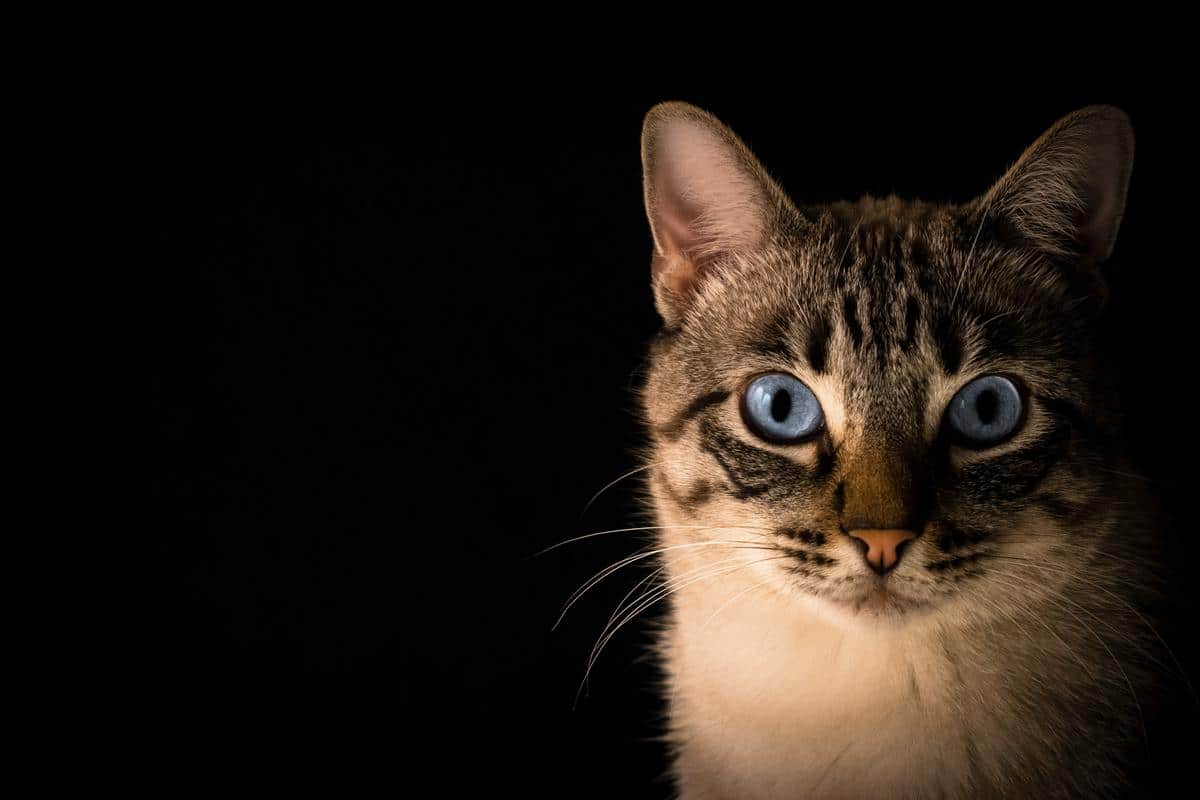
Photo by pactovisual on Unsplash
Meeting Your Cat’s Needs at the End of Life
Creating a Haven of Comfort for Your Aging Cat
Let’s venture further into making your cat’s twilight days comfortable and fulfilling. While we’ve discussed factors such as changes in habits and behaviors, veterinarian consultations, and providing care during their golden years, it’s essential to recognize other signals that indicate your furry friend’s health is declining.

Sometimes, you may notice that your cat is panting or short of breath. It is crucial not to regard such signs lightly as they could be tied to severe health issues like heart or respiratory problems. At this point, creating a tranquil and stress-free environment for your cat becomes invaluable. Make sure their favorite lounging spots are easily reachable and free of obstacles to avoid unnecessary exertion.
As a cat advances in age, their gait might become a bit unsteady, which could point towards arthritic pain or neurological problems. To ensure their comfort, try to maintain a warm temperature inside the house, as cold could aggravate arthritic symptoms. Providing soft blankets or heating pads can go a long way in alleviating their discomfort.
A drastic change in weight, especially weight loss, can be linked to several chronic illnesses. In such situations, a little pampering might be in order—take note of their favorite treats and fit them into their diet from time to time, making sure to balance it with their nutritional needs.
Any decline in your cat’s coat’s luster—or worse, excessive hair loss—could be a tell-tale sign of deteriorating health. Regular, gentle grooming sessions not only help maintain their coat but also serve as a bonding activity, reinforcing that they are loved and cared for.
An ageing cat might also have litter box issues due to various health reasons. Setting up a litter box on every floor or in several rooms can ease access and limit accidents. Opting for a litter box with low sides can also be beneficial if your cat has joint pain or difficulty moving.
While variations in your cat’s eyes, such as cloudiness or discoloration, could be signs of distress or illness, regular eye cleanses with warm water can help keep discomfort at bay while keeping tabs on any notable changes.
Regular vet visits are quintessential when observing any behavioral or physical changes. Veterinarians can provide crucial advice tailored to your cat’s needs, ensuring their health and comfort during this stage.
Remember, providing love, care, and a serene environment for your cat is paramount. Small modifications to your home and routine can go a long way, crafting a peaceful transition period for your pet. While it might be tough watching your furred friend traverse these golden years, the focus should be on making each day count – filled with warmth, comfort, and endless cuddles.

Through understanding these signs and changes in a cat’s behavior and physical health, we are better capable of identifying the critical stages of their life and can provide them with appropriate care and compassion. Remember, each cat’s journey towards the end of life is unique and it is up to us as pet owners to ensure they traverse this path with as much ease and comfort as possible. Though it is a challenging time, it can also be an opportunity for us to shower them with love and attention, creating a peaceful environment for them to rest. Being informed and sensitive, we can make a significant difference during our cat’s end-of-life transition.