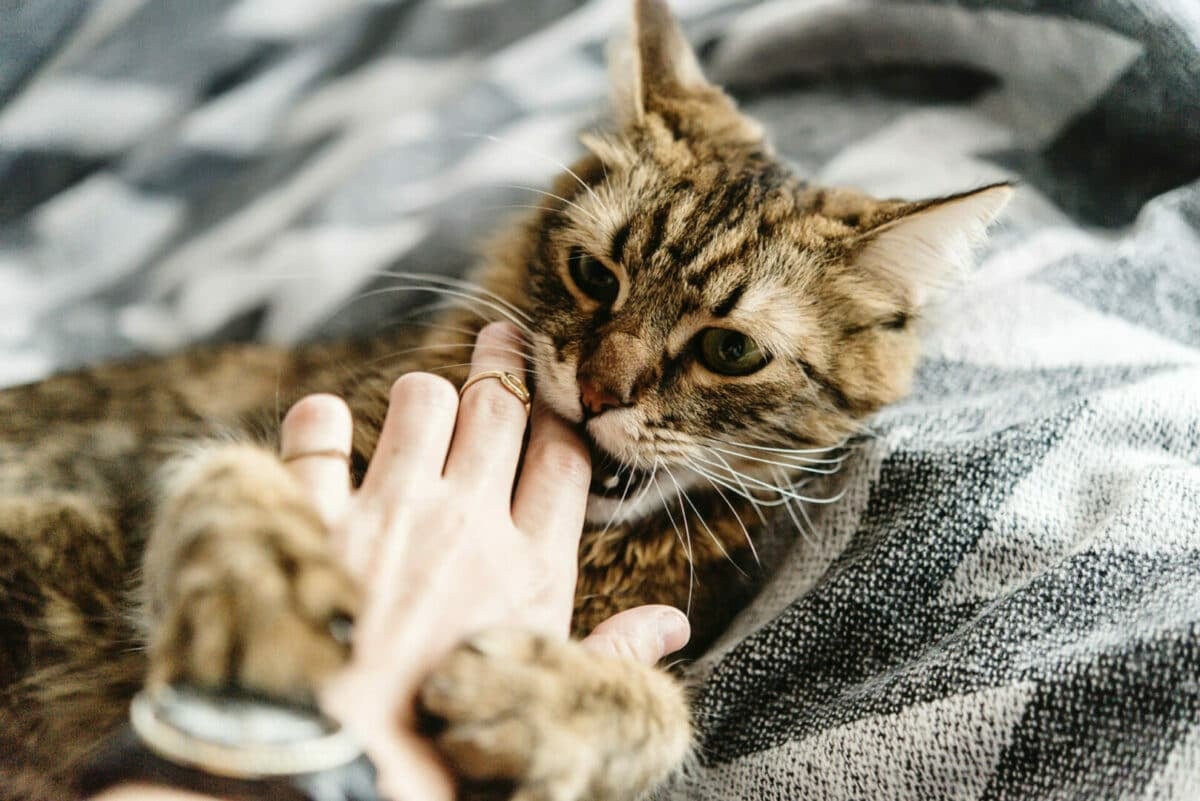
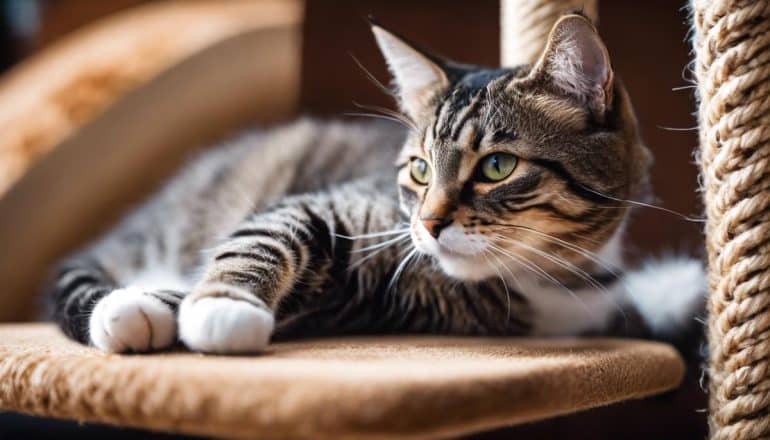
A household with a feline companion can readily attest to the unique joys their furry friend can bring. However, when sofas, chair arms, and precious curtains become designated scratching areas, the situation can quickly lose its charm. Cats are natural scratchers, an innate behavior rooted in their genetics that cannot be stopped, but can effectively be managed for everyone’s benefit. This comprehensive guide explores the essence of a cat’s scratching behavior, underlining its necessity in feline wellness, before delving into varied scratching alternatives designed to protect your furniture. Successful adornment of your home with cat-friendly scratchers is just one part of the solution; training your cat to adore their new scratching object is equally important. Techniques utilizing positive reinforcement, deterrents, and addressing behavioral abnormalities associated with scratching form the key to a balanced coexistence between your feline and your furniture.
Understanding Cat’s Scratching Behavior
Understanding Our Feline Friends: Why Cats Scratch and How Knowing This Can Help
Cats, with their unfathomable cuteness and quirky personalities, are beloved companions in many families. Their peculiar behavior, particularly their scratching habits, often leaves us scratching our own heads in wonder. So why do cats scratch, and how can unraveling this mystery aid our fur-family dynamics?
Scratching is an inbuilt cat behavior, as normal as our morning coffee routine. It isn’t merely a way to keep their “mani-pedi” up to date, though that’s undeniably part of it.
Dig deeper, and you’ll find that scratching serves multiple purposes. Firstly, it aids in physical exercise. Much like that pilates class we are intend to take after dropping the kids off at school, cats use scratching to flex their muscles and stretch their bodies. It’s like a mini workout to keep those kitty muscles limber.
Secondly, it is about communication. Yes, that’s right, your cat uses those destroy-everything claws for ‘texting.’ Cats possess scent glands in their paws that secrete pheromones during scratching. This action marks their territory, telling other cats, “This couch/curtain/tree is mine.” It’s a non-verbal feline post-it note!
Lastly, scratching is a form of stress relief for our feline buddies. Just as we may unwind with a hot shower or a favorite paperback at the end of a long day, cats scratch to relieve stress and anxiety.
Knowing why cats scratch underscores its importance to their overall well-being. Now, to the key query – how is this awareness helpful to us?
When we understand the ‘why,’ we can better address the ‘how.’ By providing scratching alternatives like toys or scratching posts, we can safeguard our furniture while acknowledging our cat’s natural instincts. Place these alternatives near your cat’s favorite scratching spots and gradually encourage them to swap the old habit for a new one. Don’t rush it. Remember, patience is key!
Another helpful approach is creating a deterrent. Cats dislike certain scents, like citrus or menthol. Spraying a cat-friendly, non-toxic repellant on favored furniture can guide them to shift their scratching elsewhere (ideally onto the scratching post or toy you’ve provided!).
Maintaining regular nail clippings can also help manage the catastrophic scratches. While it won’t eliminate the action (nor should it), it will minimize potential damage.
If scratching behavior becomes overly frequent or aggressive, it could indicate a stressed or anxious cat, so understanding the behavior can alert us to potential issues needing a professional’s attention.
In closing, we can better cohabit with our feline friends by understanding their behavior and respecting their instincts. Love them, be patient with them, and above all, remember that your cat isn’t scratching to be malicious. They’re just being, well, a cat. Now that you understand why, you can better handle how.
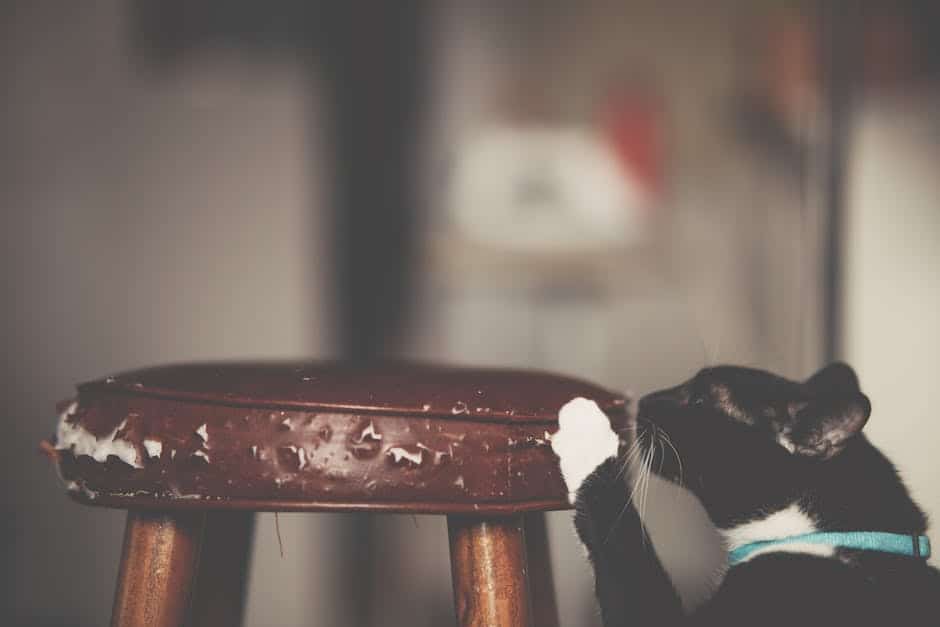
Introducing Scratching Alternatives
Nifty Tips to Keep Your Cat’s Claws Off Your Furniture
Our feline friends, while absolutely adorable, can also be notoriously difficult to corral when it comes to scratching furniture. If you’re finding your beloved couch or antique cabinet repeatedly at the receiving end, you’re not alone!
While our previous section honed in on understanding why our kitties scratch and how to manage it, we’ll now go further into exploring potential alternatives and deterrents that can save your furniture from those sharp little claws. Remember, it’s all about providing viable options for your furballs that simultaneously respect their natural instincts.
- Invest in Cat Furniture: Simply put, give your furry friend its own furniture! Cat trees, posts, or boards made of sisal, cardboard, or carpet can prove to be irresistible to them. The more interesting and appealing you make these alternatives, the less likely your cat will revert to using your prized furniture.
- Play Therapy: Regularly engaging your feline in play sessions can also reduce inappropriate scratching behavior. Playtime not only helps burn off excess energy but also provides a healthy outlet for your cat’s need to scratch, stalk, and pounce.
- Try Different Locations: Ensure to place scratching alternatives close to those areas where your cat already loves to scratch. Cats often scratch to mark territory, so it is natural for them to prefer areas that are central to the household’s daily activities.
- Use Deterring Sprays or Tapes: Commercially available anti-scratch sprays or tapes can work wonders as deterrents by discouraging cats from scratching the sprayed or applied surfaces. For a more natural approach, try using citrus peels or essential oils like rosemary, which cats find unappealing.
- Train Your Cat: Positive reinforcement goes a long way in influencing behavior. Reward your cats when they use the scratching post and remember, scolding or punishing your cat will often backfire and create fear or aggressiveness.
- Regular Nail Clipping: While it doesn’t remove their urge to scratch, keeping your cat’s nails trimmed can reduce the extent of potential damage, especially if you’re still in the process of training them.
Finally, patience is key, as is understanding that a certain degree of scratching is normal and acceptable cat behavior. Factoring in a cat’s needs and natural instincts into our homes is part of the joy – and challenge! – of living with these curious creatures. The tips provided will not just deter your cat from scratching your furniture but will also help you form a closer, more respectful bond with your feline friend because, after all, a happy cat equals a happy home!
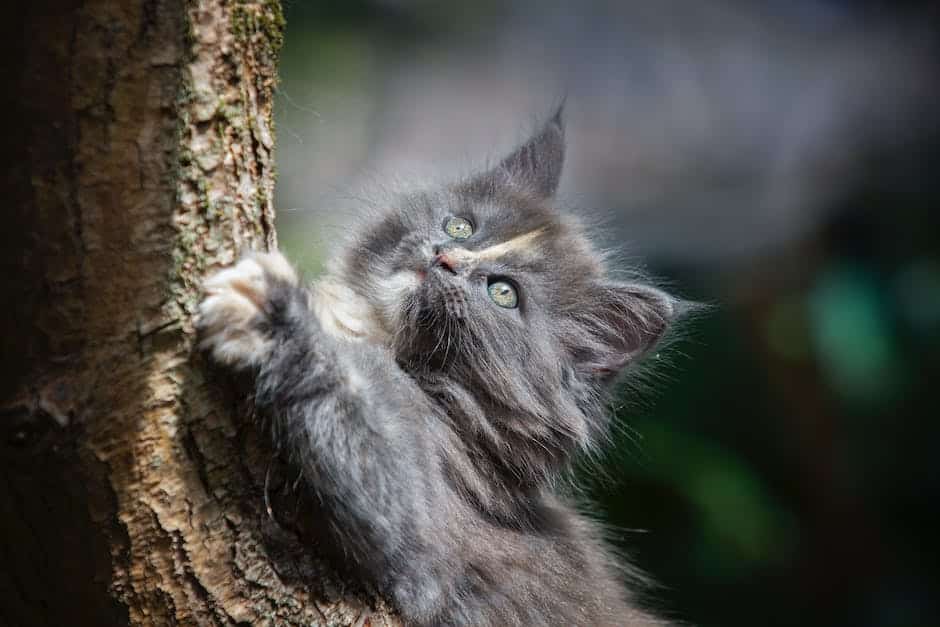
Training Your Cat

From understanding the instinctive drive behind your cat’s scratching to creating an optimized environment fitted with attractive scratching alternatives, the journey to a furniture-friendly coexistence begins. Bringing harmony into your home by implementing these strategies does not occur overnight, and it requires patience, persistence, and a lot of love. Training a cat to adapt to these new norms is much more than a mere exercise in discipline. In essence, it is an investment in your feline’s physical and psychological wellness and a contribution to a stress-free household. In mastering the art of redirecting your cat’s scratching behavior, you not only prolong the life expectancy of your furniture, but you also enhance your relationship with your feline friend, turning it into a deep bond.Forging this understanding and developing steps to manage this behavior is a commitment to cohabiting harmoniously with our unconditionally loving, purring companions.