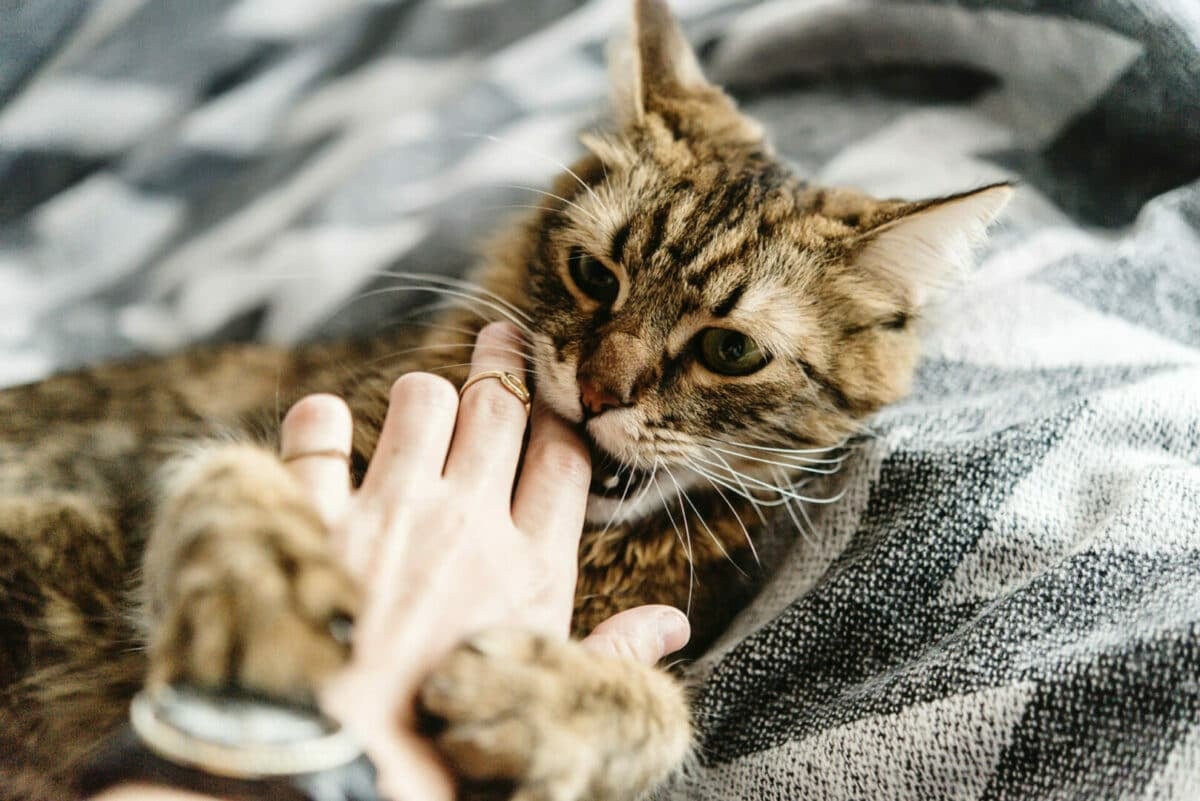

Enriching the lives of Persian cats through proper training is an enjoyable task, both rewarding and beneficial for both the cat and its owner. With their distinct characteristics, Persian cats are known for their docile demeanor, making them different from other breeds when it comes to training. This makes it even more paramount to deeply understand the traits, behaviors, and communication cues of Persian cats. The focus will be on utilizing the most effective training approaches predominantly centered around positive reinforcement techniques, along with addressing some common behavioral issues of Persian cats through proven management strategies.
Understanding Persian Cat Behavior
Title: Understanding Persian Cat Peculiarities: A Guide to their Training
Every pet has its own unique personality and it’s the same with our feline friends. It’s quite amazing how every breed has distinct characteristics, especially the Persian Cats, well-known for their distinctive behavior and charming demeanor. When it comes to training these royal felines, it’s essential to understand their specific quirks and traits.
Distinguished by their relaxed and non-aggressive temperament, Persian cats are one of the oldest and most popular cat breeds in the world. Their beautiful, long coats, round faces with expressive eyes, make them the cherished member of many families.
From Aloofness to Affection – A Persian Cat’s Behavior
Drift away from the notion of the aloof and independent cat stereotype. Persian cats, for instance, are very affectionate and would often seek the company of their human companions. They enjoy a warm lap, and they make sure they get their daily dose of cuddles.
Moreover, Persian cats are quieter than other breeds, preferring tranquility over noise and chaos. With their gentle and calm nature, Persian cats are the epitomes of indoor pets. Their easy-going nature matches perfectly with a peaceful family environment.
With that said, Persian cats can be sensitive to drastic changes in their environment. They are not big fans of moving furniture and might become anxious with the bustling activities of a busy household. Keep this in mind when creating your vibes at home because Persian cats certainly love their routines and will thrive in them.
Training these fluffy feline babies
Understanding the temperament of Persian cats would go a long way to successfully train them. If you’re hoping to see your Persian pal perform tricks or leap large distances, you might be waiting a while! Remember, this is a breed that prefers serenity over high action activities.
Training your Persian cat should focus more on socialization skills and good manners. Since they are sensitive cats, begin the training at an early age, be patient, and keep the sessions short and interesting. Using positive reinforcement methods such as treat-based rewards and plenty of praises are vital to making training enjoyable for your Persian buddy.
The loving behavior and genteel demeanor of Persian cats make them a great cat for teaching household etiquette. For instance, training them to use their scratching posts instead of the sofa, or guiding them to use their litter box correctly, would not be a daunting task. Patience is key here!
Last but not least, grooming should be a part of their training regimen as well. Persian cats have long, silky coats that require regular grooming to prevent tangles and matting. So, introducing them to grooming sessions early is essential. Make grooming time a positive and pleasant experience by handling them gently and rewarding them after every session.
Identifying the distinctive behaviors of a Persian cat can make the training process smoother and more effective. Their poised, quiet demeanor should not be mistaken for aloofness, but rather appreciated for the peaceful and loving companions they truly are. Treating them with love, patience, and understanding will certainly yield a happy and well-trained feline companion.

Photo by ludemeula on Unsplash
Effective Training Techniques
Oh, dear readers, the joy of Persian cats is one that can fill a home with warmth, love, and a touch of elegantly royal feline presence.
In our journey to familiarize ourselves with these fluffy friends, we have already laid a foundation of understanding Persian cats better, encompassing their unique characteristics and interesting behavior. Now, let’s delve a little deeper into some more specialized techniques that can assist you in training your Persian cat to be even more amazing.
Compared to other cat breeds, Persians have a few peculiarities that are pivotal to their training. Regular grooming sessions and timely vet visits, as we’ve already emphasized, play an integral role in maintaining their health and happiness, thereby effectively influencing their training. However, let’s shift our attention to some lesser-known, yet immensely crucial techniques.
Coping with the Introspective Nature of Persian Cats
Compared to other breeds, Persians are usually less active and more laid-back. They prefer quiet, familiar surroundings with consistent routines. Incorporate this understanding in your training by maintaining a soft and patient approach, and watch your little fur-ball respond with great positivity.
Using Play-Time as a Learning Opportunity
Who doesn’t love a good play session? Persian cats are no different! Tailor a precious moment of fun into an effective training session. The game of “fetch” not only entertains Persian cats but also aids in enhancing their skills. A gentle toss of their favorite toy can encourage your Persian to chase after it, pushing their physical boundaries while also covertly teaching them the art of retrieval!
Off-Limits Area Training
A home is full of objects and areas that are off-limits to our felines. Teaching such boundaries to your Persian cat ensures their safety and promotes a harmonious household. Consistency and positive reinforcement are the keys here. Use a firm tone without yelling, introducing the word “No” when your Persian takes an unsolicited interest in a restricted area. This has proven to be a cat-friendly and highly effective approach.
Harness and Leash Training
While the Persian breed isn’t generally one known for their love of outdoor adventures, introducing them to a harness and leash eases tasks like vet visits or moving houses. Start early and with patience, making sure the harness is comfortable. Treats and praises, coupled with short bouts of training, can mark a significant leap in achieving this.

Litter Box Training
When introducing your Persian to their litter box for the first time, employ patience. Placing them gently in the box a few times a day, especially after meals or wake-up time, could kick-start this learning process. Always remember to keep the box clean, as Persians are meticulously hygienic creatures.
The love and dedication invested in training reflect the bond one shares with their little furry buddy. Never forget, each Persian cat is unique and wonderful in their own way. Allow them to progress at their own pace, and let kindness guide every approach. No home is complete without love, and no love is as rewarding as that shared with our pets. With these proven cat-friendly techniques, you’ll witness a transformation into a well-behaved, delightful companion that a Persian cat truly is. Happy Training!
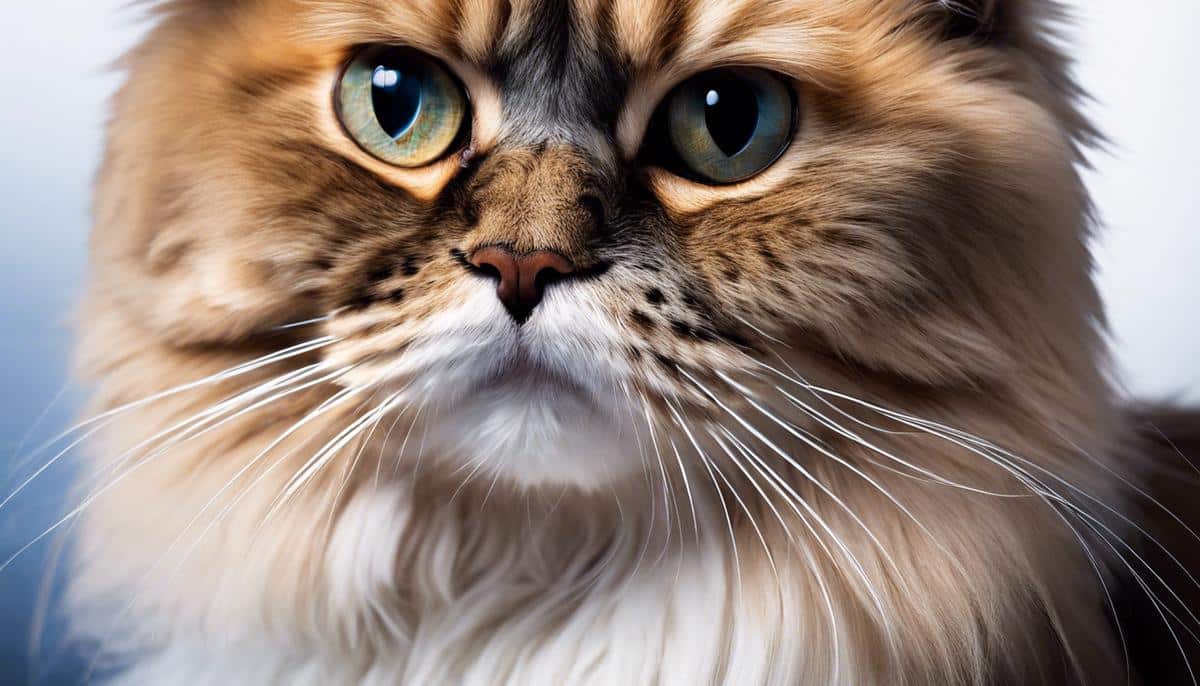
Dealing with Common Persian Cat Behavior Problems
Addressing Common Behavioral Problems in Persian Cats
Having discussed the splendidly good-natured personality of Persian cats and the strategies to create a friendly environment, train, and groom these fanciful felines, we can now delve into some general behavioral concerns you might encounter as a Persian cat owner. Like each breed, Persian cats have their unique quirks. However, if understood properly, these can be comfortably managed.
One aspect that might strike you is the introspective demeanor of a Persian cat. As lovers of a quiet environment, they might retreat when faced with sudden noises or large gatherings, often perceived as aloof or snobbish. In such situations, the way to address this behavior is simple and begins with accepting their nature. Providing them with a comfortable hideout in a quiet corner of the house where they could retreat to during such instances might prevent any panic or stress-related behaviors.
Furthermore, Persian cats possess a playful streak, which if utilized correctly, can function as a great training opportunity. Interactive toys that elicit their natural hunting instincts can not only help burn off any excess energy but also provide a means of enriching their environment. Remember, a mentally stimulated cat will less likely indulge in destructive habits.
Educating your feline about ‘off-limits’ areas in the house might be another concern. Persian cats are intelligent creatures, and with consistency, they can understand boundaries. Try using deterrents like double-sided tape or aluminum foil in such areas or use pet-friendly sprays that emit a smell unpleasant to cats.
In addition, harness and leash training could prove worthwhile for these indoor cats, especially for those who seem eager to explore the outdoor world. Start by allowing them to wear the harness indoors, gradually increasing the duration. Once they seem comfortable, attach the leash. Always ensure that the first outdoor adventures are in a quiet, secure environment devoid of any potential frights.
Finally, it is critical to address litter box problems. Ensure that the box is kept pristine clean, as Persian cats are picky about their bathroom’s cleanliness. Having more than one litter box, especially in multi-level homes, can also deter inappropriate elimination. If the problem persists, consult a vet to rule out any medical issues.
In conclusion, Persian cats make fantastic companions with their calm and affectionate temperament. Their few behavioral quirks can be easily handled with patience, understanding, and enriched environments. And like any good relationship, this too is about learning together and growing together, forming a bond that is incredibly unique and heartwarming.

The relationship between a Pokemon cat and its owner is greatly improved through proper training. Establishing good habits, clear communication, and bonds of trust helps cultivate a healthy and harmonious living environment. Training needs to be consistent, patient and positive, focusing on reinforcing good behavior. When confronted by unwanted behaviors, it’s beneficial to understand the possible root causes so as to apply suitable solutions. Truly, a well-trained Persian cat is not only a joy to have around, but it also contributes to better mental and physical health for the cat itself.