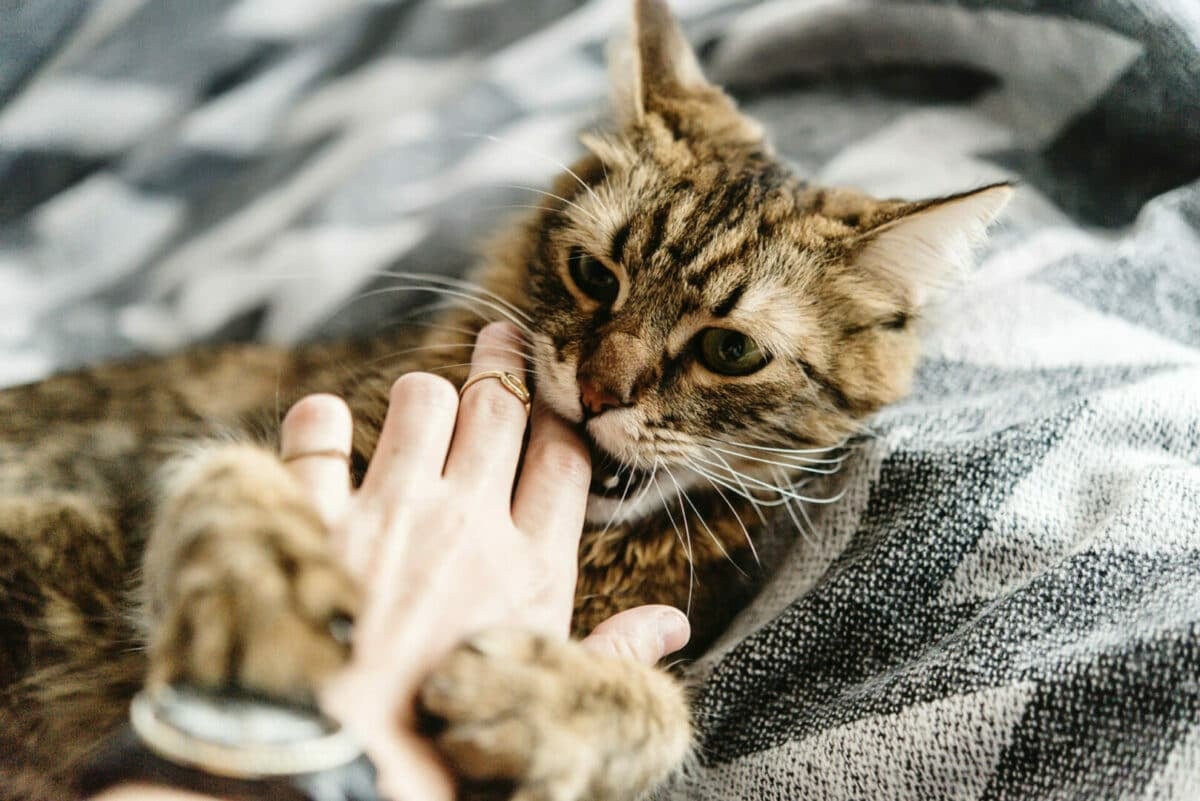
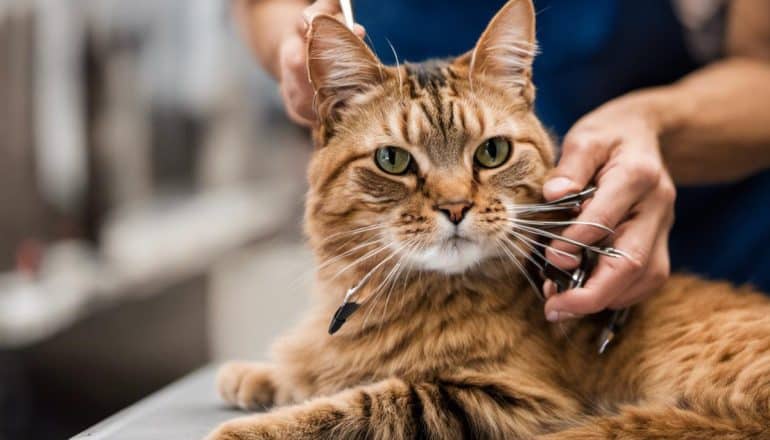
Almost all cat owners will agree on one thing, their feline friends are infamous for their meticulous grooming habits. But this natural cleanliness doesn’t mean they don’t need a little human help every now and again. Understanding the specific grooming needs of cats, the reasons behind these, and possible repercussions if neglected is fundamental in keeping your adored pet healthy and comfortable. This also involves becoming familiar with the unique purpose of a cat’s fur, the importance of regular nail clipping, and ear cleaning. Additionally, finding the right grooming tools, tailored to your cat’s individual needs, is a key step in ensuring an effective and safe grooming process. Finally, having a clear strategy on how to cope with potentially uncooperative behavior during grooming sessions can alleviate stress for both you and your cat, turning these instances into bonding opportunities instead of struggle-laden experiences.
Understanding Cat’s Grooming Needs
Brilliant Tips for Tending to Your Feline Friend’s Grooming Needs
It’s no secret that cats are known for their meticulous grooming habits. Those charming creatures spend around 30-50% of their awake time grooming themselves. However, that doesn’t mean they don’t need a little extra help from their human guardians. Caring for your feline friend’s grooming needs is essential for their health, happiness, and to keep that feline coat looking its finest.
First on our list is regular brushing. Different cat breeds have diverse coat types, meaning that some need more frequent brushings than others. Short-haired cats like Bengals or Siamese generally require weekly brushing, while long-haired breeds like Maine Coons or Persians need daily care to prevent tangles and matting. Brushing not only keeps their coat nice and shiny, but it also helps reduce hairballs and stimulates healthy skin.
Just like us, cats also require dental care. Lack of dental hygiene can lead to mouth diseases in cats. It’s advisable to brush your cat’s teeth at least once a week using a cat-specific toothbrush and toothpaste. Take a slow approach at first and reward your feline friend after each brushing session, making it a positive experience they look forward to.
While cats naturally keep their nails trim by scratching, some indoor cats might need a nail trim now and again. If your cat’s nails become too long, they can cause distress and even pain. It’s important to use a cat-specific nail trimmer and avoid cutting into the quick (the pink portion) of the nail, which can cause bleeding.
Ears might not be the first thing that comes to mind when thinking about cat grooming, but they shouldn’t be overlooked. Regularly check your cat’s ears for signs of dirt, parasites, or any unusual smell. Ear cleaning should always be gentle using a soft cloth or cotton ball dampened with a vet-approved solution.
Last, but certainly not least, is eye care. Some cats, particularly brachycephalic breeds like Persians, often have weepy eyes that require regular cleaning. With a clean, damp cloth, gently wipe away any discharge from the corner of the cat’s eyes.
Our furry friends might be independent, but they still need our help in maintaining their grooming needs. Making these practices a part of your regular routine will not only keep your feline friend looking their best, but it will also help prevent potential health issues and strengthen the bond between you and your pet. Happy grooming!
Choosing the Right Grooming Tools
Maintaining a cat’s coat, teeth, nails, eyes, and ears may seem daunting, but it’s a critical part of making sure your feline family member stays healthy and comfortable. One particularly important aspect that sometimes gets overlooked is grooming. With the right tools in hand, feline grooming can be a simple, even enjoyable, practice to incorporate into your pet care routine.
First, let’s talk about de-matting tools. For cats with longer hair, matting can be a common problem. Not only does it make your cat uncomfortable, but matted fur can also cause skin conditions if left untreated. To prevent this, you’ll need a de-matting tool that glides smoothly through your cat’s hair to break apart matted areas without hurting them. The Hertzko Mat Remover Grooming Comb on Amazon is a brilliant choice for this, with its comfortable grip and rounded blades it’s designed to make the grooming process pleasant for both you and your pet.
Following this is a flea comb. Yes, even if your cat is an indoor cat, it’s still important to have one of these on hand. You never know when your pet might encounter fleas, especially if they interact with other animals. A flea comb – like the Safari Flea Comb from Chewy – use tightly spaced teeth to trap and remove fleas and their eggs. Not only is it effective in removing pests, but it works well as an additional grooming tool.

Next is fur trimmers; they are the safest option to trim your cat’s fur. One of the reasons it’s so popular among cat lovers is its guard features that prevent you from accidentally cutting your cat’s skin. Both Wahl’s Pet-Pro Clipper and Scaredy Cut Silent Pet Grooming Kit are great examples of user-friendly trimmers which are available at PetCo.
Finally, an oft-overlooked tool in many pet parents’ arsenals: a grooming glove. The grooming glove is a fantastic multipurpose tool beneficial for removing loose fur and providing a luxurious, relaxing massage to your feline friend. These can be found on sites like Amazon or in stores like PetSmart, and popular models include the DELOMO Pet Hair Remover Glove and the KONG ZoomGroom Cat Grooming Brush.
Every cat’s needs when it comes to grooming tools are unique, so it’s important to find out what works best for your furry friend’s specific grooming needs. Remember that these tools are aids that not only keep your cat looking great, but they also play a crucial role in their health and overall wellbeing. So whether you’re a new cat owner or an experienced one, purchasing high-quality grooming tools should definitely make it to the top of your kitty-care checklist!

Grooming Techniques for Nervous or Aggressive Cats
Rolling up those sleeves to groom a scared or aggressive cat may indeed feel like an uphill task. But fret not, dear parent! Because as daunting as it may sound, having a few tricks up your sleeve can transform this concerning chore into a meaningful bonding experience with your feline friend. Here’s a look at how you can navigate this smoothly.
- Use Distractions: Distract your feline friend with their favorite toy or treats during grooming sessions. This can help shift their focus from the grooming process and help ease their anxiety or aggressiveness.
- Build Trust: Gradually accustom your cat to being groomed. Start with just touching and petting them in sensitive areas. Once they get used to that, introduce grooming tools slowly and reassure them with gentle words and affectionate petting.
- Create a Calming Environment: Loud noises and unexpected movements can trigger your cat’s aggressiveness or anxiety. Ensure you groom your cat in a quiet, calm space with minimal disturbances. Essential oils like lavender or feliway diffusers can be used to create a peaceful environment.
- Utilize Special Equipment: For cats that are particularly anxious or aggressive, specialized grooming tools like grooming bags or cat muzzles can provide a solution. These tools restrict movement without causing distress, making the grooming process safer and more manageable.
- Incorporate Positive Reinforcement: Reward your cat post grooming sessions. This could be in the form of their favorite treats, extra playtime, or affection. This will help them associate grooming with positive experiences.
- Know When to Take Breaks: Don’t push a scared or aggressive cat to tolerate more grooming than they can handle. Pay attention to their body language. Hissing, puffing fur, or a swishing tail are all signs that your cat needs a break.
- Consider Professional Help: If your cat is consistently resisting grooming and it’s starting to affect their wellbeing, seeking help from a professional groomer or a vet might be the best course of action. They’re trained to handle scared or aggressive cats and have the necessary tools and environment to groom effectively.
Remember, the aim is to make grooming as stress-free as possible for your furry friend. With these pointers in mind, rest assured you’ll not only succeed in grooming your scared or aggressive cat, but also strengthen your bond with them. Now, who said cat grooming couldn’t be purr-fect!
In our journey through understanding the grooming needs of cats, we’ve discussed the value and function of their fur, the essential nature of regular nail trims and ear cleanings, and the tools required to achieve these tasks. We’ve also explored strategies for transforming nervous or aggressive reactions into calm and cooperative behaviour. By fully grasping these aspects, we can shift our perspective to see grooming not as a chore, but as a way to engage with our feline companions in a meaningful manner. By being patient, prepared and attentive, we have the ability to ensure our cats not only look their best, but also feel their best, paving the way for a healthier and happier life.