The health and longevity of our beloved feline companions largely depend on the care they receive from us. A cat’s life span can greatly be extended if it is well-fed, properly exercised and taken to regular check-up and timely vaccinations. An understanding of assessing balanced nutritional needs, providing adequate physical activity, and ensuring their adherence to their medical schedule will allow you to better cater to their overall health.
Balanced Diet
The Whiskers & Tails Guide to Feline Nutrition
With fluffy fur, sparkling eyes, and heartwarming purrs, our feline friends add so much joy to our families. Just like kids, cats too require a well-balanced diet to grow and lead a healthy life. But what exactly constitutes a nutritious diet for a cat? Today, let’s delve into the wonderful (and sometimes confusing) world of cat nutrition to explore the essential ingredients for the perfect kitty meal.
Cats are obligate carnivores, which means meat is essentially their everyday meal. It’s not a preference, it’s a necessity. It’s like how we, humans, require certain vitamins and nutrients, cats need meat to live a healthy life.
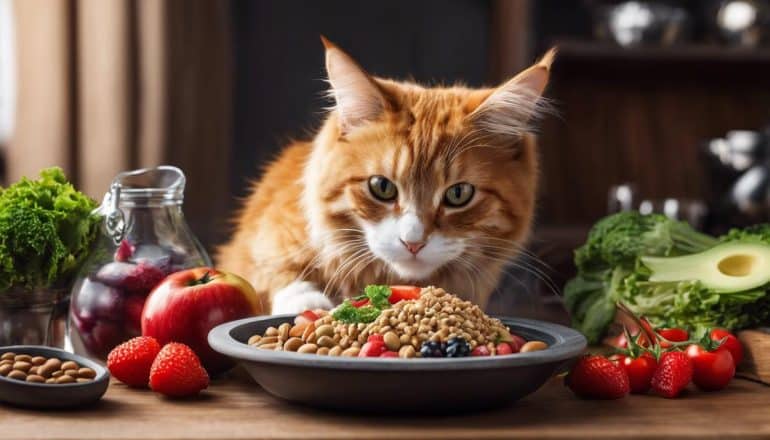
Protein is the star of a cat’s diet. It should account for about 40% of their nutrition, and the source should be high-quality meat. Poultry, fish, and beef are excellent choices. However, always make sure the meat is cooked properly to eliminate any potential for harmful bacteria.
Cats also need several vital amino acids found exclusively in meat, like taurine, arginine, and arachidonic acid. Taurine, particularly, is exceedingly important. A deficiency can lead to serious health issues like heart disease or blindness.
Let’s not forget about fat! Fat carries considerable significance in a cat’s diet, contributing about 20-30% of their nutrients. It’s the source of essential fatty acids and is vital for absorption of fat-soluble vitamins A, D, E, and K.
While cats get most of their energy from protein and fats, they still need a small amount of carbohydrates. About 10% of a cat’s calories should come from carbs, mostly in the form of veggies. However, cat bodies are not adapted to process large amounts of carbs, so keep these to a minimum.
And yes, cats need vitamins and minerals too. Calcium, phosphorus, potassium, and a trace amount of sodium are crucial for maintaining bone health, muscle contraction, and nerve impulse transmission.
Water is the supporter of life, and it’s just as imperative for cats as it is for us. A cat’s body is literally over 60% water! Some cats may not drink water freely, so consider incorporating wet food into their diet or investing in a cat water fountain to encourage more hydration.
Before introducing any dietary changes, it’s always wise to consult a qualified vet. They can provide personalized advice considering your cat’s age, breed, weight, and overall health status.
Nutrition plays an important role in a cat’s health and mood. So, let’s provide our feline friends with balanced meals to guarantee them a long, healthy, and happy life. After all, nourishing our cats befits our purpose as pet parents—to offer love, comfort, and care in every little thing we do. That’s what makes “homemaking” a joy, isn’t it? Good nutrition is good love. Let this guide be our starting point towards the journey of happy “cat-tending!”
Remember, being a responsible cat parent is more than just providing them with food and shelter. It’s about building a deeper connection with our feline friends, understanding their needs, and creating a harmonious living environment for them. Like the saying goes, “Happy cat, happy life!” Isn’t it paw-some we have a chance to contribute to these little bundles of unfathomable joy? Together, let’s embark on this amazing journey as parents to our beloved fur babies.

Regular Exercise
Here’s How You Can Get Kitty Moving: Making Exercise Fun for Your Feline Friend
The principle of staying physically active to stay healthy isn’t just for humans; it’s for our feline friends as well! Just as we’ve highlighted the importance of a balanced diet for our cats, another vital aspect they need for a healthier life is regular exercise. It can be a challenge, especially with certain cat breeds known for being a bit, shall we say, more laid back. But don’t worry, it’s not an impossible task. So, how does one encourage exercise in cats? Here are some tried and true tips and tricks.
First up, Play Time. One magic word that can get any cat excited is “play.” Cats, regardless of their age, usually love a good, engaging play session, and this is a fantastic chance to sneak some exercise in. Use toys, such as laser pointers, fishpoles with feathers, or motion toys to capture your cat’s interests- it’s like their version of a jungle gym! Be careful not to use small objects that can be swallowed inadvertently by your furry pal.
Then, there’s Furniture Climbing. Cats love climbing furniture, even if we don’t exactly appreciate it! Rather than stop them altogether, a great alternative is to invest in cat trees, climbing walls, or scratching towers. Offering vertical spaces will keenly spark their natural inclination to climb, leap, and jump, keeping them active and a bit less destructive.
Don’t forget Interactive Feeding. We can also motivate our cats to exercise by making mealtime fun and interactive. Use puzzle feeders or food-dispensing toys to make your cat work for their meal. This adds a mental workout to their physical one and can help prevent overeating too!
Another interesting option can be Creating an Outdoor Space. If possible, create a safe, enclosed outdoor space or ‘catio,’ where your cat can explore, play, and exercise safely. Fresh air and new smells can get cats excited, encouraging more active behavior.
While promoting exercise, it’s important to keep things safe and age-appropriate. Always supervise playtime and ensure the toys and the environment aren’t harmful to your beloved kitty. Studying your cat’s behavior, finding out what toys or activities they like most, and incorporating those into their exercise regime will pay dividends.
Bear in mind every cat is unique, and patience is key. It is crucial to understand that change, especially regarding their routines, needs to be gradual. If your feline friend doesn’t immediately take to a new activity, don’t be disheartened.
By embedding exercise in their daily routine in fun and interesting ways, even the most resistant cats can be encouraged to become more active. Not only will it contribute to their physical health, but it will also contribute to enriching their lives as a whole. After all, no bond compares to laughing at your cat attempting to catch the uncatchable laser pointer dot, or the twinkle in their eyes the moment they smack the feather wand from your hands. A few bouts of feline aerobics might sound exhausting, but seeing their liveliness, it’s all more than worth it!

Routine Check-ups and Vaccinations
Working from principles of a nourishing diet and essential exercise for a cat’s well-being, it is essential to underscore that cat parents understand the significance of regular vet visits and vaccinations for their purring compadres. This comes together in a collective endeavor to provide the best possible life for our feline friends.
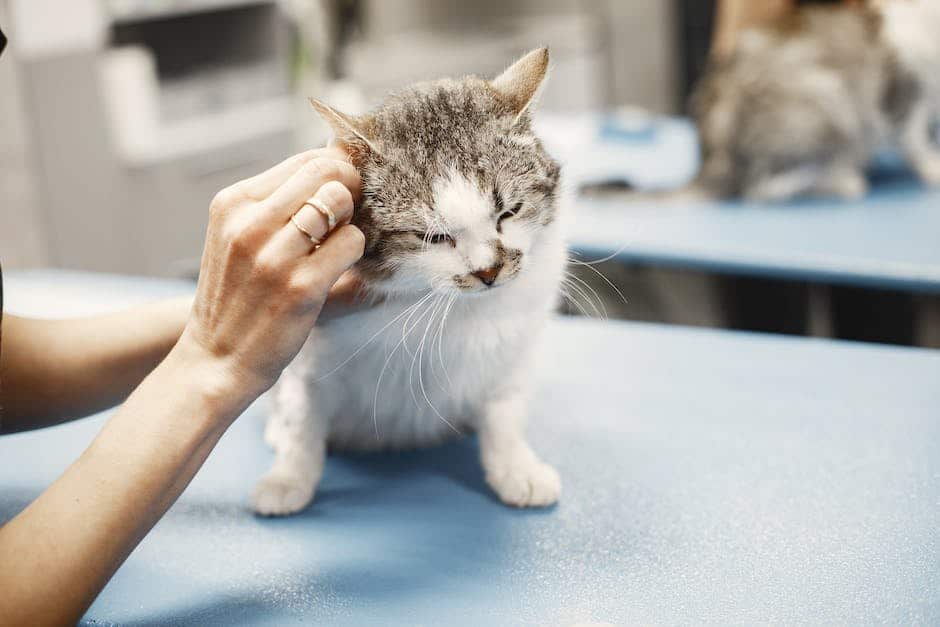
Veterinary visits are vital, providing preventive care at its best. Regular health checks enable vets to diagnose, treat, or ideally prevent diseases that can adversely affect your cat’s health. This includes routine examinations to monitor physical health and track subtle changes such as weight loss, dental disease, or subtle alterations in behavior. Just like for us humans, detection is key and early diagnosis of health issues often leads to more effective management or cure.
In addition to routine examinations, the vet will conduct vital health screening tests. Blood, fecal, and urine tests help detect the presence of feline diseases such as diabetes, kidney disease, and hyperthyroidism among others. Your vet can also provide competent advice on issues related to behavior, nutrition, parasite control, and overall wellbeing, thereby ensuring your cat a much longer, happier, and healthier life.
Now, let’s move onto vaccinations. Vaccinations are not just important for human children but for our feline fur babies as well. They play an invaluable role in combating feline diseases. Essential vaccines protect against feline viral rhinotracheitis, calicivirus, panleukopenia (also known as feline distemper) and rabies – fatal diseases that pose potential risks to all cats.
There might also be ‘non-core’ vaccines for diseases like feline leukemia virus (FeLV), feline immunodeficiency virus (FIV), and others. Your vet will advise you on which vaccines are best for your cat based on factors such as age, medical history, environment, travel habits, and lifestyle.
Also, remember that it is not just about the initial vaccination; follow-up booster shots are a must. They help maintain immunity against these harmful diseases throughout your cat’s life.
In conclusion, preventative care, including regular check-ups and timely vaccinations, should be as much a part of our cats’ lives as a nutritious diet and suitable exercise. As we take this journey of being cat parents, it’s important to remember that their health and longevity largely depend on the choices we make for them. Being proactive in their healthcare routine is undeniably one of the most significant aspects of responsible cat parenting.
Every cat deserves the best chance at a healthy, long life and we are the ones who can provide it for them. So let’s ensure every purr, every leap, and every cuddle continues uninterrupted. Here’s to many more happy years with our furry friends, cherishing the joy, love, and warmth they bring into our homes and hearts.
It is apparent that a considerable amount of care and attention is required to ensure a cat’s health and happiness throughout its life. Understanding their dietary needs, providing them with necessary exercise, and staying ahead of any potential medical issues are all pillars of ensuring their wellbeing. By becoming thoroughly informed about these aspects of your cat’s life, you’ll be well-prepared to give your feline friend the best care possible, enhancing both their quality and length of life.