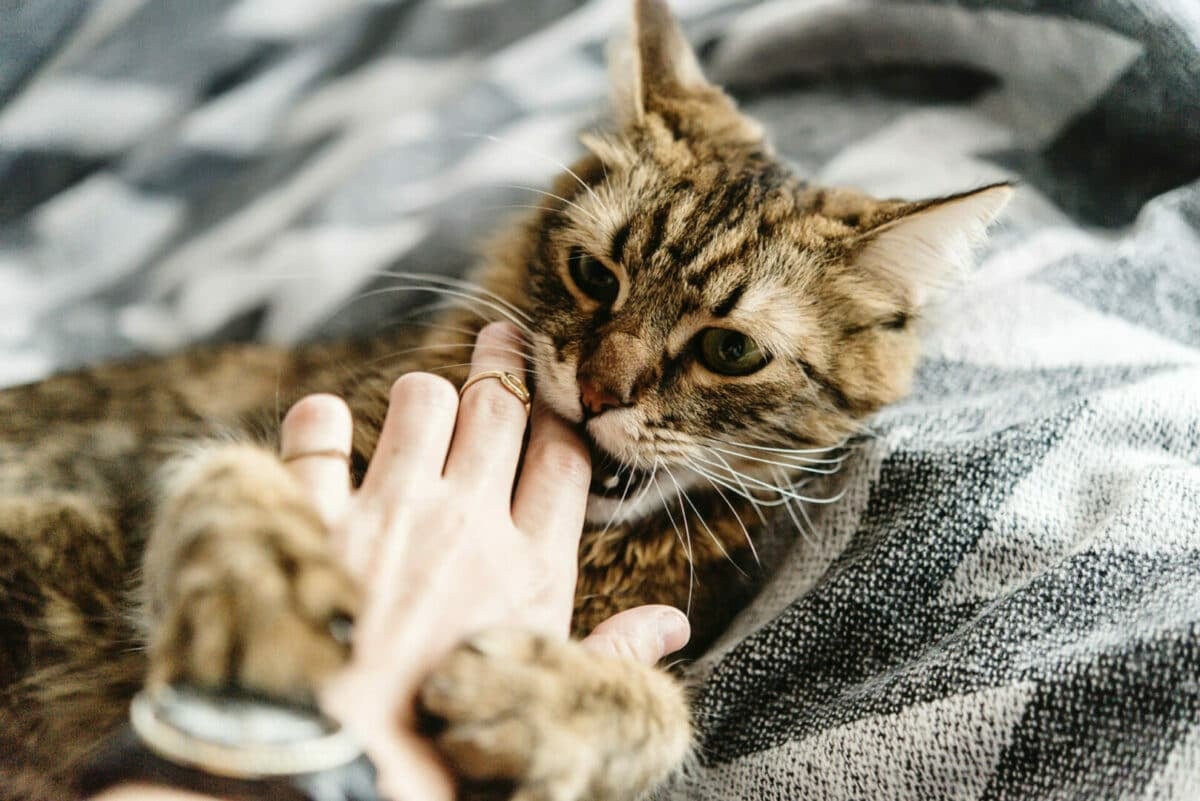
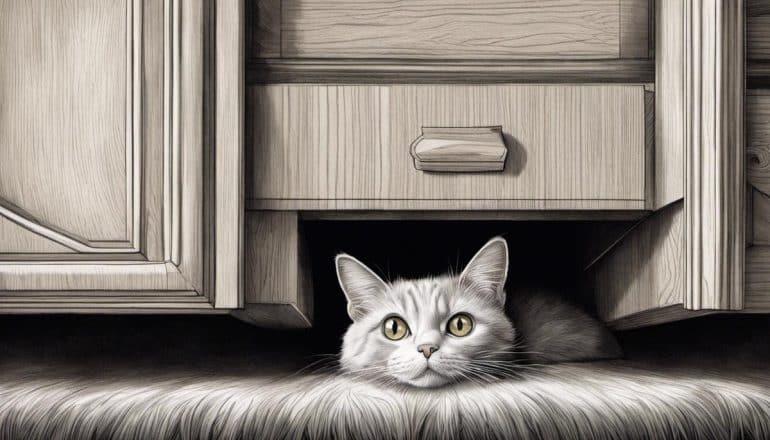
Many of us share a loving bond with our feline friends, but sometimes, we might notice that certain events or sounds seem to leave them anxious or fearful. For instance, loud noises like fireworks, traffic, or thunderstorms can induce stress and fear in cats. But what causes this fear, and how can we help our pets cope better? To answer this, we delve into understanding the psychology behind feline fear, discussing the triggers and impact of loud noises on them. We also explore various calming techniques that you can employ to soothe your distressed cat. These techniques include using calming sprays, toys, and methods for creating a safe environment during tumultuous events. Furthermore, we provide insights on desensitization training, a gentle and gradual method to help reduce your cat’s fear of loud noises over time. We shed light on the training process and how to correctly apply it to achieve effective results.
Understanding Fear in Cats
Understanding What Triggers Your Cat’s State of Distress
Cats are such delightful creatures, endearing us with their spirited personalities, playful games, and endearing quirks. However, there’s still so much mystery around them! Especially when it comes to understanding their reactions to particular sounds that seem to drive them into an inexplicably panicked state. As parents, it’s essential both to our pets’ furry ones and our human ones, to uncover the root of these reactions and preempt an overload of stress for our whiskered friends.
Cats have remarkably acute hearing, significantly sharper than humans, allowing them to hear a spectrum of frequencies we can barely imagine. They’re wired to respond to high-pitched sounds in nature, helping them identify prey or communicate with each other. When exposed to artificial high-pitched noises like vacuum cleaners or alarms, they can get overwhelmed, sparking a flight response.
Sometimes, it’s about the suddenness or unfamiliarity of sounds rather than the sound itself. Like toy drones whirring around, pots and pans clattering together, hair dryers, or the crash of something breaking – anything unexpectedly noisy can startle them and stimulate their innate survival instinct to hide or flee.
Here’s a quick and easy guide to help your feline friend with sounds that cause unrest:
- Avoid Unexpected Noises: Try your best to keep their environment as calm and predictable as possible. It’s not about tiptoeing around your house; instead, it’s more about gradually introducing them to everyday sounds.
- Gentle Exposure: If your cat is terrified of a particular noise, it may help to expose them to it gradually. Start from a quiet level and increase slowly over time until they’re comfortable.
- Create Safe Spaces: Make sure cats have a safe haven to retreat to when they get scared. High spots like cat shelves or cozy corners behind furniture can significantly help.
- Positive Association: Counter-conditioning is another key tactic–pair the scary noise with something they enjoy like a favorite treat or petting session. It may help your cat associate the once-frightening sound with positive experiences.
- Consult Your Vet: If your cat’s fear of certain sounds seems extreme, it’s crucial to seek your vet’s advice. They may recommend a feline behaviorist to further address the issue.
Understanding and addressing a cat’s fear is an important part of pet parenting that requires patience, empathy, and persistence. Just as we guide our children through their fears, cats demand nurturing and support to navigate through theirs. And remember, our homes are their homes too – creating a calm, comfortable, and stress-free environment is crucial for our fluffy companions’ wellbeing. So, let’s embrace every purr, chirp, and hiss as we help them feel safer, loved, and valued. Let’s continue on this rewarding journey of responsible pet parenting, enhancing the bond we share with these agile, affectionate, and wonderfully enigmatic creatures.
Calming Techniques for Cats
Keep Your Furry Feline Calm: Techniques for Dealing with Loud Noises
We’re often quick to notice when our little furry companions twitch their ears or startle at loud noises. They may even bolt out of the room with their tail as tall as a flagpole. Their instinctive reaction to unexpected sounds can be distressing for both them and us. The good news is, there are strategies we can use to help our cats handle their fear of loud noises more effectively.
If you have already taken steps to avoid unexpected noises, gradually expose your cat to these sounds, create safe spaces, and use positive associations to counter-condition, all great initiatives, let’s delve into some additional calming techniques. Remember, when the anxiety becomes severe, seeking veterinary advice is paramount. With this in mind, let’s begin offering the additional tips for a calm and stress-free environment.
Among other approaches, aromatherapy can work wonders to tame your cat’s anxiety. Cat-specific pheromone diffusers emit comforting scents that often calm felines. Plug these into your outlets and let the soothing smells ease their troubled little minds.
White noise machines can also mitigate the effect of abrupt or harsh sounds. The consistent, soft noise emitted can dull the effect of more jarring sounds, helping your cat relax in their space. Remember to keep the volume low to soothe rather than overstimulate them.
Invest time in play therapy. Regular interactive games using their favorite toys not only strengthen your bond but also stimulate their minds, tire them out, and can help divert their attention from external noises.
Ensure their diet supports a healthy nervous system. Nutrients like B-vitamins, omega-3 fatty acids, and certain amino acids can play substantial roles in maintaining a calm demeanor. Ensuring they are part of your cat’s daily grub can be another way to minimize anxiety.
Get to know your cat’s unique behaviors and what sounds they specifically react to. Document this in a “noise diary” if possible. This approach will help you better understand what noises create unease and allow you to make adjustments in your household as needed, such as using earphones instead of loudspeakers when listening to music or watching TV.
To sum up, remember that every feline is unique with different thresholds for noise. Some may require extra care, others less so. Paying attention to their reactions, putting in place simple calming techniques, and seeking professional advice as needed, we can create a harmonious environment that caters to their quirks. After all, nurturing these personalities and protecting their wellbeing is our privilege as cat parents.
So, let’s stride ahead on our feline-focused journey, making every effort to keep their environs a haven amid the clamor—a place where they feel safe, stress-free and utterly loved.

Desensitization Training for Cats
Moving further, it’s now time to talk about other tools to help our feline companions stay calm and counteract their fear of loud and sudden sounds. One of these luxuries includes cat-specific pheromone diffusers. Just like aromatherapy for humans, these nifty devices emit synthetic feline pheromones that have a calming effect on our cats. Placing these throughout the house, especially in chaotic areas, can help create an environment of peace and tranquility amid the clamor.
Another great tool to consider is a white noise machine. The consistent sound emitted by these devices often works to muffle external loud or sudden noises, preventing them from shocking our cats. Adjust the volume to a level that’s soothing but efficient at downplaying the noise impact, and intermittently move the device between the areas your cat frequents for maximum benefit.
Engaging with your cat through play therapy is another potent method to divert their attention and make them feel more at ease. Interactive cat games not only keep the mental gears turning but also form positive associations with the surrounding environment and noises. Start the game when there’s noise in the background and reward their focus on the game over their fear of the noise.
Remember, diet plays a crucial role in all aspects of a cat’s health, including their nervous system. Feeding a high-quality, nutritionally balanced diet to your cat can help ensure their nervous system stays sharp and reactive. Some brands even produce food and treats specifically tailored towards calming a pet’s nerves.
It’s crucial to keep track of your cat’s reactions to different sounds. Keep a noise diary to identify which sounds most trigger your cat and note any that they seem indifferent to. This data can help fine-tune your action plan or provide valuable information to a professional behaviorist when needed.
Speaking of our habits, sometimes, it’s our daily activities around the house that unknowingly cause noise distress to our cats. Observing your cat’s behavior can help pinpoint these instances. For example, if your cat shows anxiety every time the dishwasher is run or during family game nights, consider adjusting the schedule or location of such activities to minimize your cat’s anxiety.
If despite these strategies your cat’s reaction to loud noises doesn’t improve, or worsens, don’t hesitate to seek professional advice, such as a veterinarian or animal behaviorist. They can provide specific techniques tailored to your cat’s unique personality and fear thresholds.
The comfort, safety, and happiness of your cat are of paramount importance. By acknowledging and understanding their unique needs and sensitivity levels, we can provide them with a living environment that minimizes fear and maximizes joy. Remember, patience is key, and while some cats may adapt quickly, others may require more time and effort. Building a bond of trust with your cat is the very basis of eradicating their fear.
Creating a home that embraces and nurtures our cats’ unique personalities and behaviors is the real beauty of having these lovely pets in our lives. After all, just like us, every cat is one-of-a-kind, and that’s what we love about them!

Understanding our pets’ fears, especially those as commonly encountered as loud noises, enables us to help them handle such stressful situations better. Armed with the knowledge of feline psychology, triggers of fear, and the effects of loud noises, we can use various calming techniques to provide them with a safe and reassuring environment whenever loud noises occur. Additionally, with the gradual and careful implementation of desensitization training, we can help reduce our cats’ fear and build their resistance to such daunting situations. Ultimately, fostering a deeper understanding of our pets’ fears empowers us not only to merely respond to their immediate reactions, but also to proactively prepare and protect them from potential stress-inducing events.