

Keeping our feline friends healthy and safe from illness is perhaps one of the most important responsibilities of a cat owner. A great deal of this has to do with providing a suitable environment, preventive care, and most importantly, a well-balanced diet. It is crucial to comprehend that cats have specific nutritional needs that a proper diet can meet, and well-formulated cat food can cater to these needs. Surprisingly, certain types of cat diseases can be prevented through a balanced diet. Also, regular visits to the veterinarian, prompt vaccinations, and preventive medications play a significant role in preventing many common cat diseases. Furthermore, maintaining an immaculate habitat for your pet, coupled with good hygiene practices such as grooming and litter box maintenance, dramatically impacts their health and well-being.
Proper Diet and Nutrition
The Purrfect Guide: Understanding Your Cat’s Diet and its Impact on Their Health
Hey there, dear family feline owners! Isn’t it just wonderful how our cats enrich our lives, creating that real sense of warm, loving family? They’re more than just pets. They’re little (or sometimes not so little) bundles of joy that are part of the family, whose health and wellbeing matter just as much as our kids do. So today, let’s talk about cat health. Specifically, the link between your cat’s diet and overall wellness.
We all understand that the food we feed our kids plays an enormous role in their health, right? Well, the same goes for our cat family members! It may be easy to feel overwhelmed by the countless cat food options on the shelves, but understanding the role a cat’s diet plays in their health simplifies the selection process.
Firstly, let’s discuss hydration. Dry food or wet food – which is better? Cats, by nature, don’t have a strong thirst drive. In the wild, they source much of their water intake from their prey. Consequently, a diet comprising wet cat food can help maintain a cat’s hydration and supports kidney and urinary tract health. But remember, always have fresh water available for your cat.
Next, we dive into the mighty proteins. Cats are obligate carnivores, which means they require certain nutrients found only in animal tissue. A high-quality cat food should hence be packed with animal proteins. A diet rich in animal proteins promotes lean body mass, skin and coat health, and overall development.
Just like us, our beloved felines cannot live on protein alone. They also need a balance of carbohydrates and fats. While carbohydrates provide them with immediate energy, fats are essential for absorbing vitamins, providing a concentrated energy source, and promoting skin and coat health.
Remember, every cat is unique! Many factors, such as age, weight, and overall health, can affect what kind of nutrition your cat needs. Purrhaps (see what we did there?) your cat needs a diet to support a sensitive stomach or a low-calorie diet to manage weight. Always consult with your vet to determine the best dietary plan for your cat.
Oh, and don’t forget treats and human food. Treats should be limited to about 10% or less of your cat’s daily caloric intake to avoid overfeeding and obesity. As for human food, remember that what might be yummy for us can be harmful to your cat.
Choosing the right diet for our furry family members can seem like a daunting task, but it doesn’t have to be! With a little knowledge and guidance from our trusted veterinarians, we can make the best decisions for our feline friends. Because when our cats are healthy, they’re happier, and in turn, so are we!
Here’s to happy and healthy purring buddies at home!

Preventive Veterinary Care
“The Preventative Power of Regular Veterinary Check-ups for Your Feline Friend”
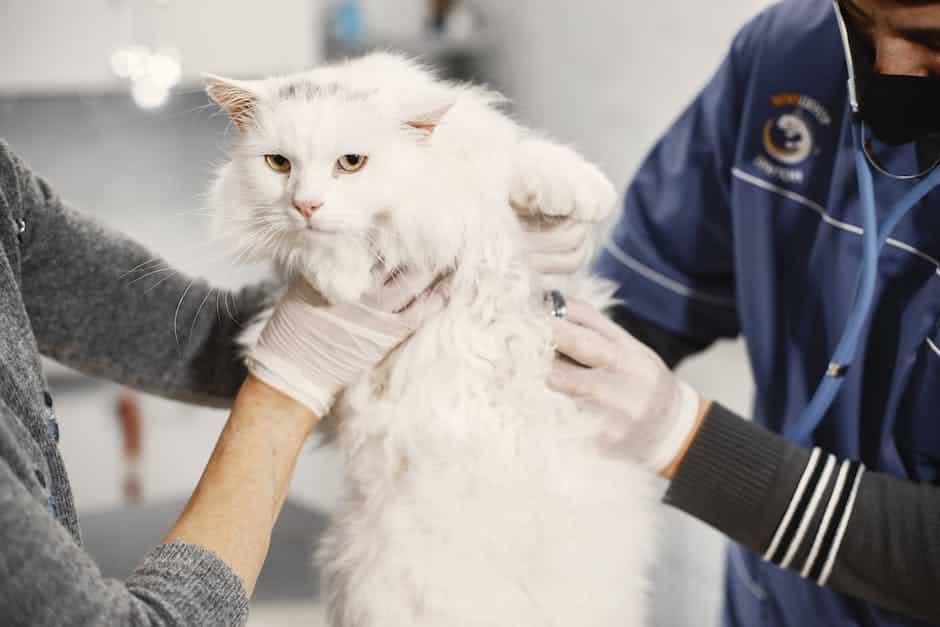
Though this article has already highlighted the undeniable significance of a balanced and healthy diet for a feline companion, it’s important to also emphasize the power of another preventative measure in combatting common cat diseases: regular veterinary check-ups. Ensuring that your cat frequents the vet is a vital part of their total wellness plan. It’s about more than just vaccinations; it plays a proactive role in the early detection and prevention of potential health threats.
First up, let’s talk about dental ailments. Cats, as stealthy as they may be, are not always successful in hiding their pain, especially when it comes to dental diseases. Figures suggest over 85% of cats aged over three suffer from some form of dental disease. Regular check-ups can help spot symptoms of dental illness. Early intervention will spare your cat unnecessary pain and possibly prevent more serious conditions down the line.
Next, let’s discuss weight management. Obesity isn’t just a human issue. Our fluffy friends too can pack on the pounds, which can lead to a multitude of health issues like diabetes, joint complications, and heart problems. Your vet can assist you in establishing a weight management plan tailored to your cat, complementing the balanced diet plan we’ve previously covered.
Thirdly, an important part of a veterinary check-up is the annual blood test. This test is crucial in detecting diseases like Feline Immunodeficiency Virus (FIV) or Feline Leukemia Virus (FeLV). Both can be lethal but are manageable if diagnosed early. The sooner your vet detects these conditions, the faster, and more effectively they can be managed.
The vet is also your go-to source for preventative care against parasites. Fleas, ticks, and heartworms are only a few of the troublesome parasites your cat might encounter. Regular vet visits will ensure your furry friend is armored in the best preventative treatments available to fight off these unwanted guests.
Consider also the importance of routine vaccinations. Preventing diseases like rabies or distemper is as easy as sticking to a vaccination schedule outlined by your vet. Not only will this protect your cat, but it also keeps you and your family safe from diseases that can potentially pass from cats to humans.
Last but not least, the eyes and ears never lie. Regular examinations of these areas can reveal issues like ear infections or eye ailments, which, like other diseases, are best dealt with sooner rather than later.
In addition to disease prevention, regular vet visits also provide a platform for questions and concerns you may have regarding your cat’s health. It’s a golden opportunity to learn from a professional who has a wealth of knowledge about pets and their health.
Regular vet visits might seem like a hassle, but remember that this hassle is potentially adding years of love, purrs, and cuddles to your cat’s life. It’s an opportunity not only to catch health issues early but to prevent many common cat diseases entirely. The peace of mind that comes from knowing your cat is healthy and thriving is priceless. So, let’s make that appointment today and enjoy the journey of pet ownership that’s beyond just diet, but full rounded wellness care. Remember that part of loving your cat is ensuring they’re getting the best care possible.
Remember, your fluffy family member counts on you for their health and happiness. Let’s return their unconditional love by committing to regular veterinary visits, in addition to providing them with a well-balanced diet. This way, our feline friends can continue to bless our homes and hearts with their purrfect presence for many years to come!

Cat Hygiene and Habitat
While the topics highlighted before mostly revolve around feeding and medical considerations, it’s equally important to consider the impact of our cat’s environment on their health. By maintaining a clean surrounding and adhering to hygienic principles, we can spare our cat companions from a variety of common diseases. Here’s a breakdown of how these two factors deeply influence the health of your feline friends.
1. Clean Environment: Cats are known for their cleanliness. We can support these habits by maintaining a hygienic environment for them. Start by diligently cleaning their litter box. This not only encourages good litter habits, but it’s also key for preventing bacterial infections and parasites that could later result in diseases, such as cystitis or increased risk for Feline Lower Urinary Tract Disease (FLUTD).
2. Regular Sanitization: Food and water bowls should be thoroughly washed daily, to avoid the build-up of bacteria that could lead to gastrointestinal illnesses. If your cat uses toys, cushions, or cat towers, these should be cleaned regularly too as they can harbor allergens and parasites.
3. Isolation during Illness: If you have a multi-cat household, isolate sick cats as soon as possible to prevent the potential spreading of diseases. Use separate food and water bowls, and litter boxes for the affected cat.
4. Good Hygiene Practices: Implementing good hygiene goes hand-in-hand with maintaining a clean environment. Trim your cat’s claws regularly to prevent overgrown nails which can be a breeding ground for bacteria. Regular brushing can also help maintain their coat and skin’s health while minimizing hairballs.
5. Oral Hygiene: Dental diseases are very common in cats. Regular dental care including brushing their teeth can prevent dental conditions such as plaque, tooth loss, and gum disease.
6. Parasite Control: Cats are susceptible to a variety of external and internal parasites, like fleas and worms. Regular anti-parasite treatments can nip this problem in the bud before it turns into something more harmful like intestinal infections or Lyme disease.
7. Clean Litter Boxes: As a rule of thumb, a household should have the same number of litter boxes as cats, plus one extra. The litter boxes should be cleaned daily and completely changed weekly, to minimize the risk of urinary and bacterial infections.
8. Pest Control: Regular pest control in the home is essential. Pests like rodents or cockroaches can carry diseases that cats can contract.
By taking these steps and maintaining an overall clean environment, you can effectively safeguard your fur friend from many common cat diseases. After all, our cuddly companions rely on us to provide a safe and healthy atmosphere, and it’s our responsibility to deliver. So let’s put on our best effort to keep them happy, healthy, and purring away.

Photo by madhatterzone on Unsplash
Our lovely pets rely on us for their well-being, and one can help them lead a healthy and happy life through scheduled and regular veterinary care, and balanced meals. Also, keeping your cat’s surroundings clean and hygienic goes a long way in protecting them from getting ill. We must bear in mind that an ounce of prevention is worth a pound of cure; thus, taking simple steps today will save our beloved feline friends from suffering tomorrow. Let’s all commit ourselves to these best practices, for the joy that a healthy pet brings to a home is irreplaceable and immeasurable.