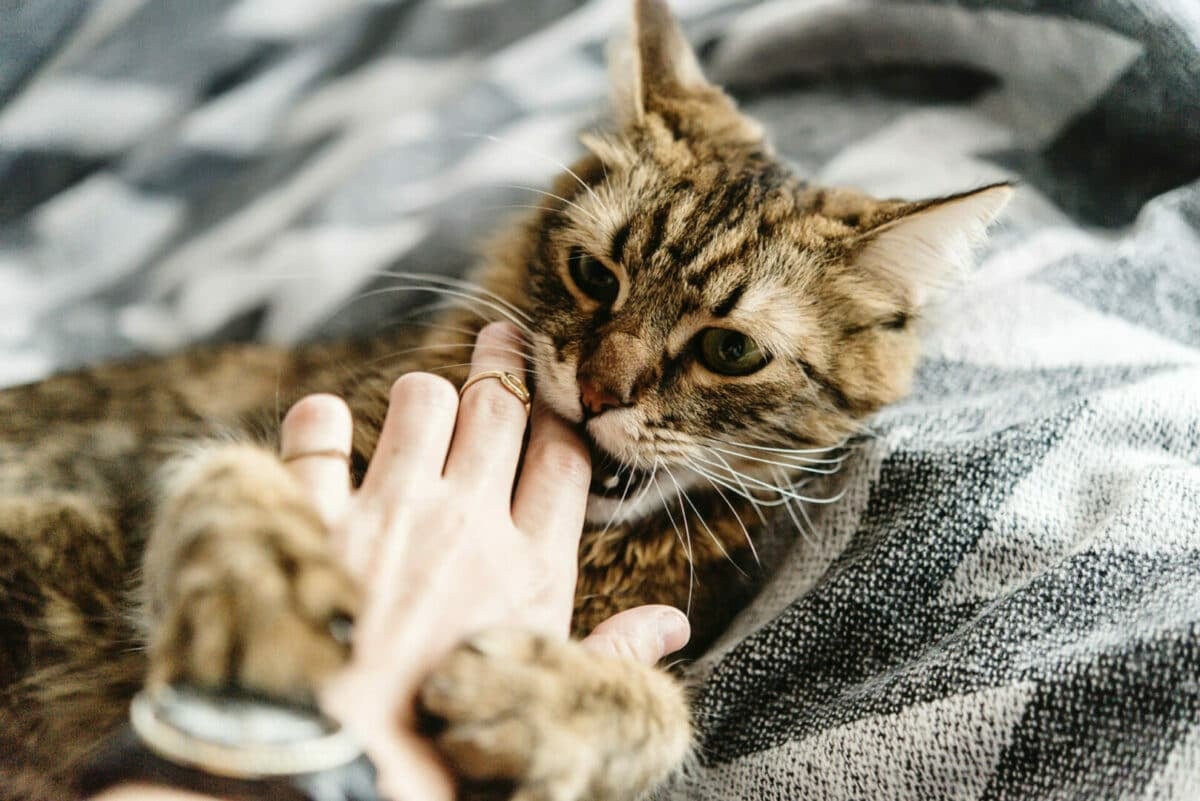
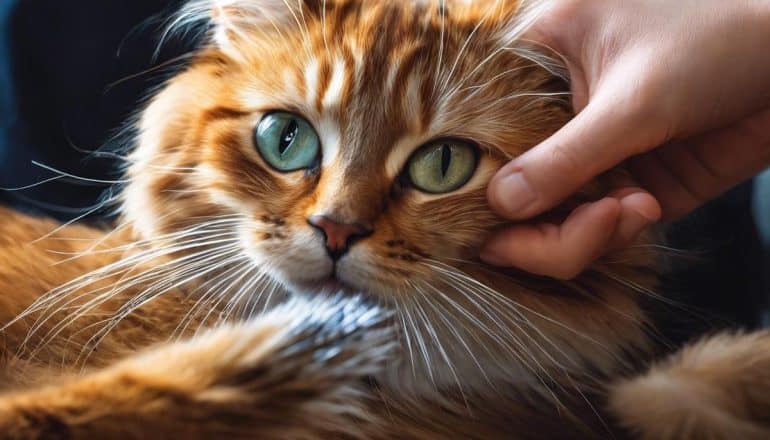
As a beloved family member, your cat deserves the best care possible, and grooming plays a crucial role in maintaining their health and happiness. Grooming your feline friend is more than just a beauty routine; it’s an essential part of their overall well-being. By mastering the art of proper grooming, you’ll not only help your cat to look their best, but you’ll also enhance the bond between you two. From understanding the subtleties of coat brushing techniques to selecting the most effective tools for the task, grooming can be a delightful experience for both you and your pet. This essay aims to guide you through the detailed procedures of nail trimming, as well as the gentleness required for ear and eye care to ensure your cat’s optimal health and comfort.
Brushing the Coat
The Purr-fect Brushing Schedule: Keeping Your Kitty’s Coat Mat-Free!
Hey there, fellow cat parents! We all want that picture-perfect fluffball lounging on our couches, without the unwanted surprise of mats and tangles crashing the snuggle party. Regular brushing can not only prevent these pesky knots but also keep the feline rulers of our homes content and healthy. Let’s dive into the ‘hows’ and ‘how oftens’ of cat grooming.
First off, the long and short of it (literally) is that the length of your kitty’s coat will dictate your brushing routine. Long-haired breeds like Persians or Maine Coons are going to require more frequent grooming sessions than their short-haired cousins. That luxurious long fur can quickly become a haven for mats, so grabbing that brush two to three times a week is the minimum effort to keep their coats in prime condition.
Short-haired cats might seem low-maintenance, but don’t be fooled – they can suffer from mats and excess shedding as well. Aim for at least once a week with these cuties. Regular brushing will not only prevent matting but also reduce hairballs and improve their overall coat health.
Now, there’s a special club – the seniors and the less active – which might need some extra attention. Decreased mobility can lead to neglect of their self-grooming habits, making the owner’s role in maintaining coat health even more crucial. Brushing these loveable lazybones several times a week can help prevent painful matting and keep their skin healthy.
To work through those knots and fluff that fur, you’ll need the right tools. A slicker brush or long-toothed comb works wonders on longer coats, while a rubber grooming mitt or short-bristled brush suits the short-haired squad. Remember to be gentle – skin can be pulled if you’re not careful around tangles, turning what should be a pampering session into a bit of a scare for your kitty.
Seasonal changes can throw a little extra fur into the mix. During shedding season in the spring and fall, you might find yourself reaching for that brush a little more often. Keeping up with the additional loose hair can save your cat some discomfort and your home from looking like a fur coat factory.
An important side note: these sessions aren’t just about keeping your feline looking their best. They’re also an opportunity to bond and check for anything unusual like lumps, bumps, or skin issues. Plus, it’s a cat-approved method to curb the shedding – your clothes and furniture will thank you!
In the spirit of a fabulous fluffball and a happy home, keep that brush handy and make grooming time cozy, consistent, and full of cuddles. Your cat will look “meow-velous,” and that’s something we can all purr about!
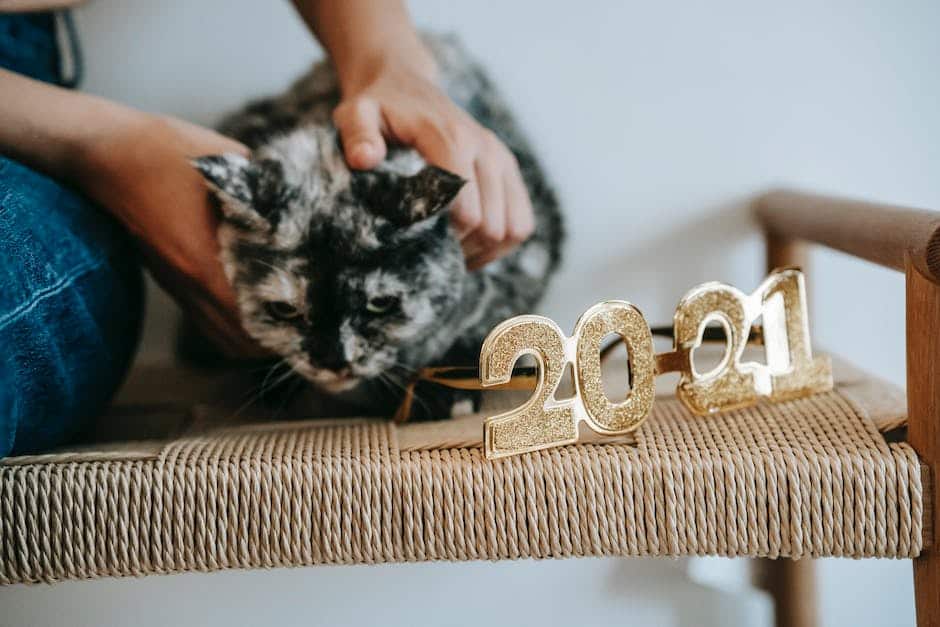
Nail Trimming
Snip and Clip: The Safe Claw-Trimming Guide for Your Feline Friend
Claw-trimming may not be the most glamorous aspect of pet parenthood, but it’s a necessary one for the well-being of that purring family member. Get too nervous, and the claws stay long, becoming a danger to furniture, other pets, and sometimes even the cat itself. But there’s no reason to fret — with a little know-how, those claws can be safely and comfortably trimmed, keeping everyone happy and scratch-free.
Preparing for the Trim:
First things first: ensure claw-trimming is stress-free for your furry friend by creating a calm environment. Choose a quiet room where your cat feels safe, and pick a time when they are relaxed, perhaps after a meal or a play session.
Getting the Right Tools:
A proper claw-trimming session starts with the right equipment. Look for sharp, high-quality nail clippers designed specifically for cats. There are several styles available — from scissor-type to guillotine clippers and even electric grinders for the more tech-savvy. Ensure whatever tool you choose is sharp and in good condition to avoid splitting or crushing the nail.
Familiarization:
Before attempting the first cut, let your cat inspect the tools. A sniff and a curious paw poke can go a long way in demystifying the clippers. Regularly handling your cat’s paws gently can also help them to associate touch with a positive experience, making claw-trimming less daunting for both parties.
Technique is Everything:
When the time comes to clip, hold your cat’s paw firmly but gently, pressing at the joint with your thumb and forefinger to extend the claw. Identify the pinkish area inside the claw known as the “quick,” which contains blood vessels and nerves. You’ll want to avoid this area to prevent pain and bleeding. Trim just the sharp tip of the nail, before the curve starts to descend — a snip is all it takes.
If your cat is especially squirmy, try trimming one or two claws at a time, then taking a break. Some cats tolerate the process better when they feel in control, so patience is a virtue.
Accidents Happen:
Even the most careful trim can result in a nicked quick. If this happens, don’t panic. Keep styptic powder or a cauterizing agent on hand to stop the bleeding. Most importantly, comfort your cat so they won’t associate claw trimming with negative experiences.
Making a Routine:
Like brushing, claw-trimming should become a regular part of your cat’s maintenance schedule. Over time, this will normalize the activity, reducing stress and resistance. Try to keep to a bi-monthly or monthly routine, always followed by a treat or playtime as a reward for your cat’s cooperation and bravery.
Remember, claw-trimming isn’t about just protecting the fabric of the sofa but also about the health and safety of your feline companion. With time, patience, and practice, this task can transform from a daunting chore to a quick tick on the to-do list of a fulfilling family life with your cat. Keep those paws prim and proper, and you’re all set for cuddles without oopsies, scratches, or snags!

Photo by madhatterzone on Unsplash
Ear and Eye Care
Caring for our feline friends involves more than just regular brushing and claw-trimming. It’s essential to maintain their ear and eye health to prevent infections and ensure they remain the bright-eyed and perky-eared companions we love so much.
Firstly, let’s dive into cleaning your cat’s ears. Before starting, confirm that your pet’s ears need cleaning. Healthy cat ears are usually self-cleaning and contain a small amount of light wax. If you notice excessive wax buildup, debris, or an unusual odor, it’s time to gently clean them.
To safely clean your cat’s ears, follow these steps:
- Gather Supplies: You’ll need a gentle vet-approved ear cleaner, cotton balls or gauze, and treats to make the process rewarding for your kitty.
- Create a Calm Environment: Choose a quiet space where your cat feels at ease. This prevents stress for both of you.
- Prepare Your Cat: Hold your cat in your lap or have a family member assist you to calmly restrain your pet if necessary.
- Examine the Ears: Look for signs of irritation, redness, or discharge. If these symptoms are present, it’s best to consult your vet before proceeding.
- Apply Cleaner: Fill the ear canal with the recommended amount of cleaner. Be careful not to insert the applicator tip into the ear canal to avoid injury.
- Massage: Gently massage the base of the ear for a few seconds to help the cleaner dislodge any debris.
- Wipe Clean: Allow your cat to shake its head, then wipe away loosened wax and cleaner with a cotton ball or gauze. Never use cotton swabs in the ear canal, as they can cause damage.
- Reward: Offer your cat a treat and affection to associate ear cleaning with a positive experience.
Now, let’s shift to those gleaming eyes. Tear stains and eye discharge are common in cats, but regular maintenance can combat these issues. Here’s how to keep those peepers pristine:
- Collect Supplies: You’ll need a damp cloth, cotton balls or a soft, moistened pad, and a safe, cat-friendly eye cleaning solution if necessary.
- Be Gentle: Use the damp cloth or cotton ball to softly wipe any crust or discharge from around the eye. Always work from the corner of the eye outwards and use a fresh cotton ball for each eye to prevent cross-contamination.
- Eye Drops or Wash: If your vet has provided a special eye wash or tear stain remover, carefully apply it according to their instructions. Avoid touching the eye’s surface with the applicator.
- Praise and Treats: As with ear cleaning, make sure to end the session with lots of love and a treat.
Remember, these steps for eye and ear care should be a soothing ritual, helping to prevent common infections and ensuring the health and happiness of your beloved furball. If you ever notice anything out of the ordinary during these grooming tasks, don’t hesitate to consult your veterinarian; it’s always better to be safe than sorry when it comes to the wellbeing of our feline family members. Keep those cuddle sessions carefree with a little tender loving care for your cat’s eyes and ears, and they’ll be purring with appreciation!
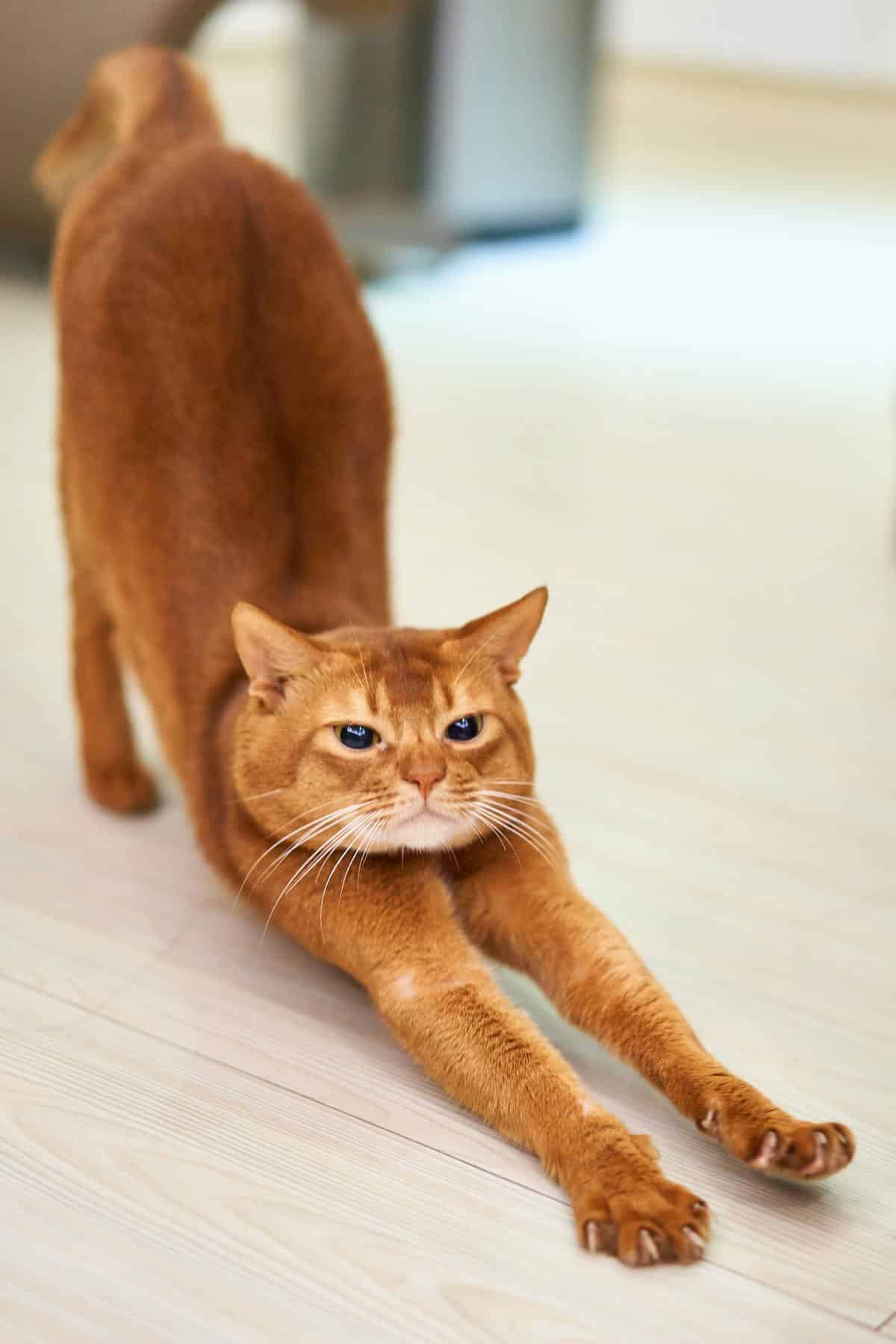
Photo by magict1911 on Unsplash
Caring for your cat’s grooming needs is a rewarding responsibility that contributes to their quality of life. Armed with the knowledge of how to brush, trim, and clean with care, you can ensure your feline companion not only sparkles on the outside but also thrives with good health on the inside. Remember, regular grooming is more than just a series of tasks; it is an expression of love and commitment to your cat’s well-being. With the gentle touch of a brush, the careful clip of a nail, and the soft wipe around their eyes and ears, you fortify the trust and affection in your cherished pet relationship. Happy grooming!