Playing with your cat isn’t just a fun way to pass the time; it’s an essential part of maintaining your feline friend’s health and happiness. Understanding your cat’s behavior is the cornerstone of engaging playtime, allowing you to recognize when your kitty is in the playful mood and ready to pounce. Tail flicks, perked ears, and a certain springiness in their step are just a few signs to look out for. Once you’ve got the hang of these cues, you’re well on your way to becoming an expert in feline fun. Choosing the right toys is equally important, as these can greatly enhance your interactive play sessions and tap into your cat’s instinctual need to hunt. Let’s dive into the fascinating world of playing with your cat, ensuring that you and your furry companion have the best possible experience together.
Understanding Cat Behavior
Feline Fun: Spotting the Tell-tale Signs Your Kitty is Ready for Playtime!
Cats, those mysterious and often capricious little creatures we adore, have their own special ways of communicating their needs to us, their ever-devoted humans. While they may not have the words to express their desire for play, they certainly give us plenty of cues to let us know when it’s time to grab the nearest toy and engage in some fun. Knowing these signs not only strengthens the bond we share with our feline friends but also enriches their lives and keeps them fit and healthy. Here’s a roundup of those tell-tale indicators that your kitty is itching for some playtime:
-
Ears perked up: Observe those cute ears. If they’re forward and alert, chances are your cat’s attention is fully engaged with something they find interesting – possibly a game of chase with their favorite feather toy.
-
Tail chatter: Keep an eye on that expressive tail. If you notice a slight twitch or a rapid, whip-like motion at the end of their tail, this might just be the signal that it’s time to pounce into action.
-
The ‘butt wiggle’: It’s adorable and unmistakable. Before pouncing, many cats do a little bum shimmy. If you see this, your cat is likely priming their body for a mock hunt. Act fast, and toss a ball their way!
-
Dilated pupils: Excitement and focus cause a cat’s pupils to dilate. If those eyes look larger than usual, the game is afoot. It’s an open invitation to grab a laser pointer and watch them zip around.
-
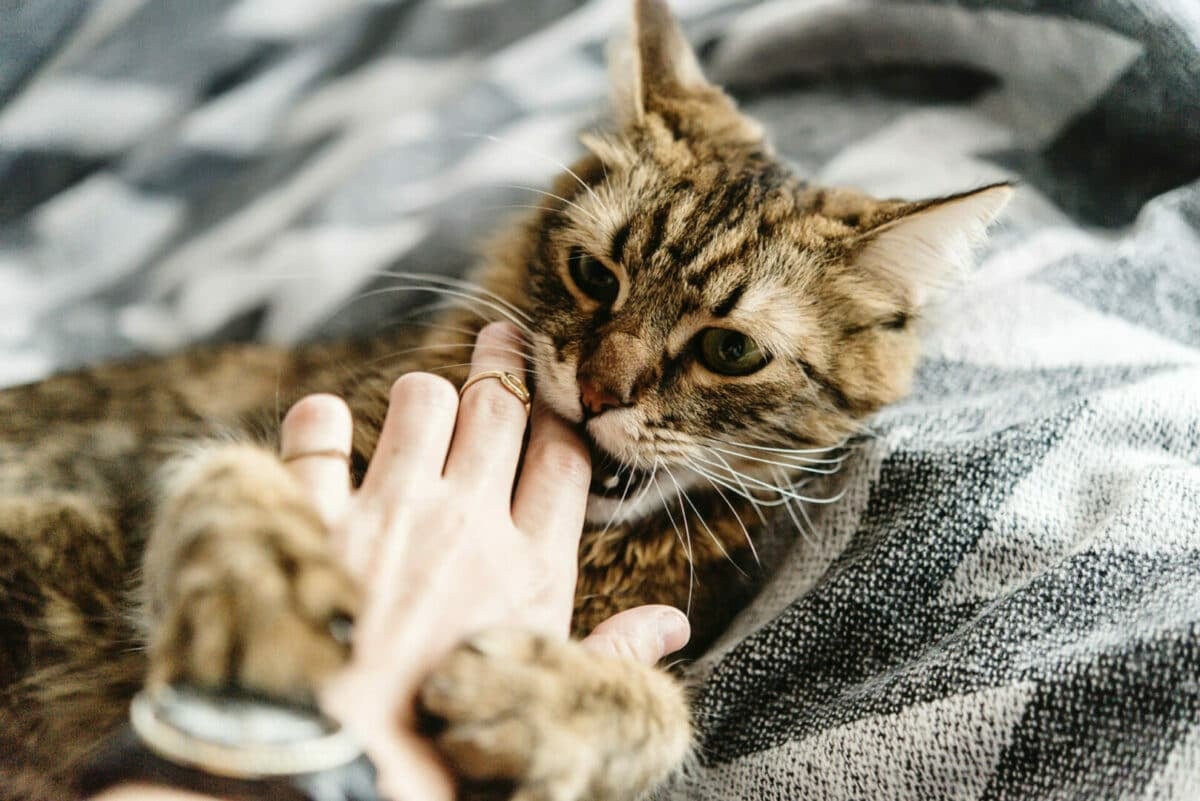
Playful bites or pats: Gentle nibbles or soft taps with their paws can be a loving nudge for attention and play. It’s their paw-some way of saying, “Let’s have fun!”
-
Stalking behavior: Cats are natural hunters, so hiding behind furniture and peeking out could mean they’re in the mood to stalk a pretend or toy “prey”. Engage in a game that satisfies their instinctual behaviors.
-
Vocal calls: Sometimes, cats will vocalize with chirps or meows to entice their human friends into play. Listen for these sweet summons and be ready to respond with their go-to game or toy.
Knowing and understanding these signs go a long way in supporting your cat’s well-being. Regular play sessions are vital for mental stimulation and physical exercise. Plus, it’s just plain fun and fosters a purr-ful connection that makes every day with your furry companion a delight.
Remember, each cat is a unique individual with their own preferences and style of play, so take time to discover what activities and toys bring out the happiest, healthiest version of your pet. And above all, cherish these moments of playful bonding that turn an ordinary day into a treasure trove of memories with your four-legged family member. Happy playing!
Choosing the Right Toys
Keeping Kitty Safe and Entertained: A Guide to Choosing the Best Toys
Cats bring a special kind of joy into a home, don’t they? Their quirky antics and graceful movements can turn any day around. Watching a cat at play is like observing a miniature miracle of nature, but as any conscientious parent knows, selecting the right toys to keep these feline friends both safe and stimulated is a key part of the story.
When choosing toys for the beloved furry family member, pay close attention to their size. Small toys are a no-no as they can easily become lodged in a cat’s throat or swallowed, creating a choking hazard or leading to an unexpected trip to the vet. Look for toys that are large enough to prevent ingestion but still light enough for them to bat around the house with joyful abandon.
Durability is another factor to consider. Cats may look soft and delicate, but they can be quite forceful when they’re in the groove of a play session. Opt for toys made from safe, non-toxic materials that can withstand the wear and tear of cat claws and teeth. Avoid toys with detachable small parts, ribbons, strings, or feathers that can unravel or detach, as these can result in intestinal blockages if ingested.
Engagement is crucial! Rotating toys can keep a cat’s interest peaked. Everyone enjoys a bit of variety, right? Interchange different types of toys to keep the curiosity piqued. Puzzle toys that dispense treats can be great for mental stimulation, while light-catching toys and laser pointers can provide beneficial exercise — but always supervise playtime to make sure cats don’t overexert themselves or become frustrated.
Also, consider the cat’s personality. Is there a mighty hunter in the home that would enjoy a realistic-looking mouse toy? Or perhaps a lazy lounger who might prefer a cozy catnip sock to roll around with during those afternoon naps? Some cats may appreciate a plush toy to cuddle with, while the high-energy feline might need more challenging interactive toys that encourage jumping and running.
And what’s a cat toy without catnip? Well, for many cats, it’s the icing on the cake, the “purr” in their “play.” However, not all kitties respond to catnip, and for those that do, it should be a treat, not a daily routine. Catnip-infused toys can be great for occasional use, providing an added layer of play intensity, but just be mindful that some cats can get a bit too excited.

In conclusion, safety and engagement are prime considerations when it comes to selecting toys for cats. Keep a close eye on playtime, regularly inspect toys for signs of wear and tear, and always cater to the unique character of the beloved cat in your life. With these tips, those purring paws will be safe and sound, ready to swat, chase, and leap after the perfect playthings that are just as responsible as they are entertaining. Happy toy hunting!
Interactive Play Techniques
When it comes to enriching our feline friends’ lives, play is the secret ingredient that keeps them young at heart and engaged with their environment. It’s about more than just fun and games; it’s about creating a bond and offering essential mental and physical stimulation. Here are some insightful tips to make playtime with your beloved kitty as rewarding as possible:
Variety is the Spice of Life – Introduce an assortment of activities to your cat. Think feathers, laser pointers, and interactive toys that mimic prey movements. Cats love a good chase, so toys that flutter or scurry can keep them entertained for hours. Switch things up to keep your cat’s hunting instincts sharp.
Interactive is the Way to Go – Engage directly with your cat. Drag a string along the floor, dangle a wand toy, or gently toss a ball for them to pounce on. Being involved in play helps strengthen the bond between you and your cat. Remember that cats have different play preferences, so find what excites your particular pet.
Intelligent Play – Puzzle feeders and treat-dispensing toys challenge your cat mentally, making them work for their snacks. This adds an extra level of engagement, honing their problem-solving skills, and it’s a great way to slow down speedy eaters.
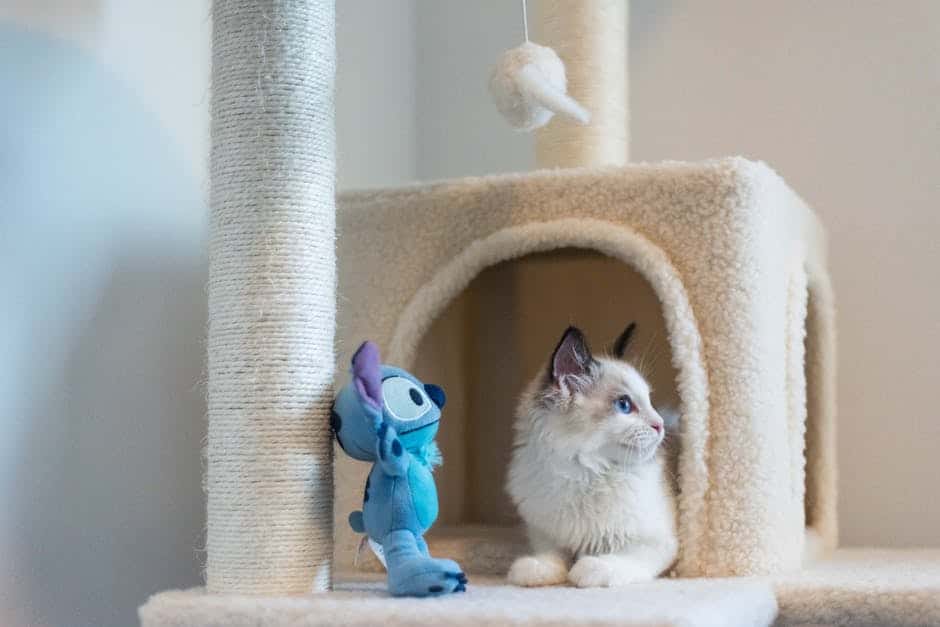
Climbing and Exploring – Cats are natural climbers and explorers. Create a vertical space with shelves or a cat tree where they can leap, climb, and survey their kingdom. This satisfies their need for physical exercise as well as their curiosity.
Games for the Solitary Hunter – Some cats prefer solo play. Provide toys that they can bat around on their own, like soft balls or stuffed mice. Make sure they have items they can toss, chase, and tackle when you’re not around to participate.
Reflect on Their Natural Cycle – Cats have bursts of energy followed by periods of rest. Try to engage in play during their active times, usually early morning or evening. This mimics their natural hunting rhythms and allows for more enthusiastic participation.
Remember, the greatest gift isn’t in the toy itself but in the time happily spent together. As you learn more about your cat’s personality and play preferences, you can tailor playtime to be an enriching experience that deepens the bond and makes every shared moment a joy. And while cats are known for their independent nature, these shared sessions of play demonstrate their affectionate and social sides, proving that a happy cat is an active and engaged one. Now, off you go—find that feather wand and let the frolics begin!
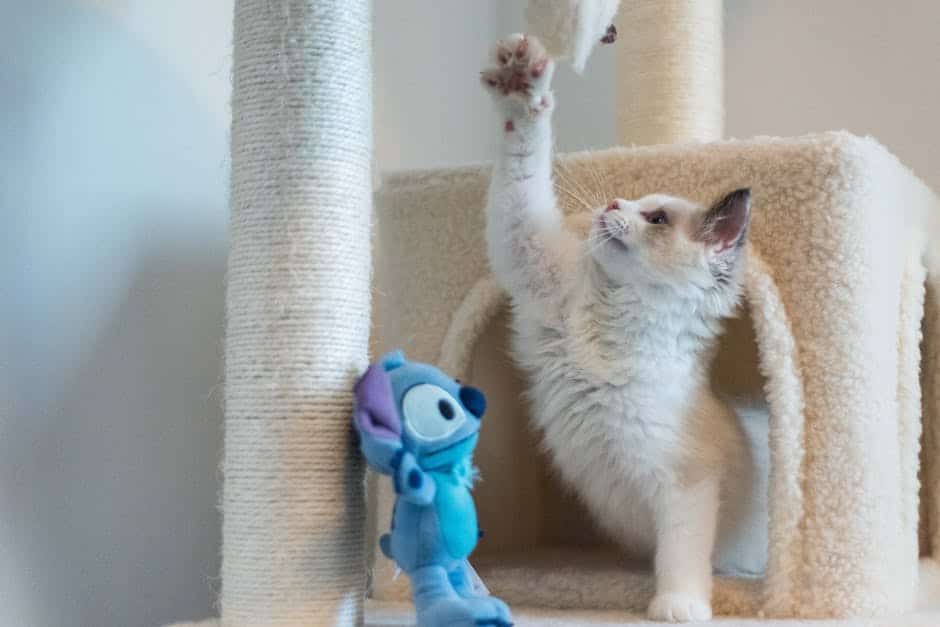
Mastering the art of play is not just about keeping your cat amused—it’s about strengthening the bond you share and contributing to their overall well-being. As we’ve explored the subtle art of cat play, from reading their complex body language to selecting toys that both entertain and challenge, we’ve seen the transformative power of interactive play. Applying these techniques ensures that your cat gets the physical exercise and mental stimulation they need to thrive. Remember, the next time you pick up a feather wand or point a laser dot across the room, you’re doing more than just playing—you’re providing your cat with an essential, engaging, and enriching element of their daily lives.