Traveling can often be stressful, more so when a beloved pet like a cat is brought along. The feline’s behavior, its reaction to different environments, limitations of movement, and potential confinement pose unique challenges. This guide aims to navigate such situations, providing insights into understanding your cat’s needs and behaviors during travel, preparing a comprehensive cat travel kit to ensure their comfort and safety, and choosing the right transportation options for your furry friend based on the duration and nature of the journey.
Understanding Your Cat’s Behavior and Needs
If you’re a proud cat parent just like many of us, then you probably make special accommodations for your feline family member when you travel. However, deciphering their travel behavior and needs can be a bit like solving a complex puzzle. Don’t worry, we’re here with some stellar tips to help you understand your furry companion’s travel temperament and necessities.
Firstly, consider your cat’s personality. Just like humans, every cat is unique. Some are extroverted and find new environments exciting while others may be introverted and like their routine, becoming anxious when that changes. Learning how your feline responds to change will help you predict your cat’s traveling demeanor.
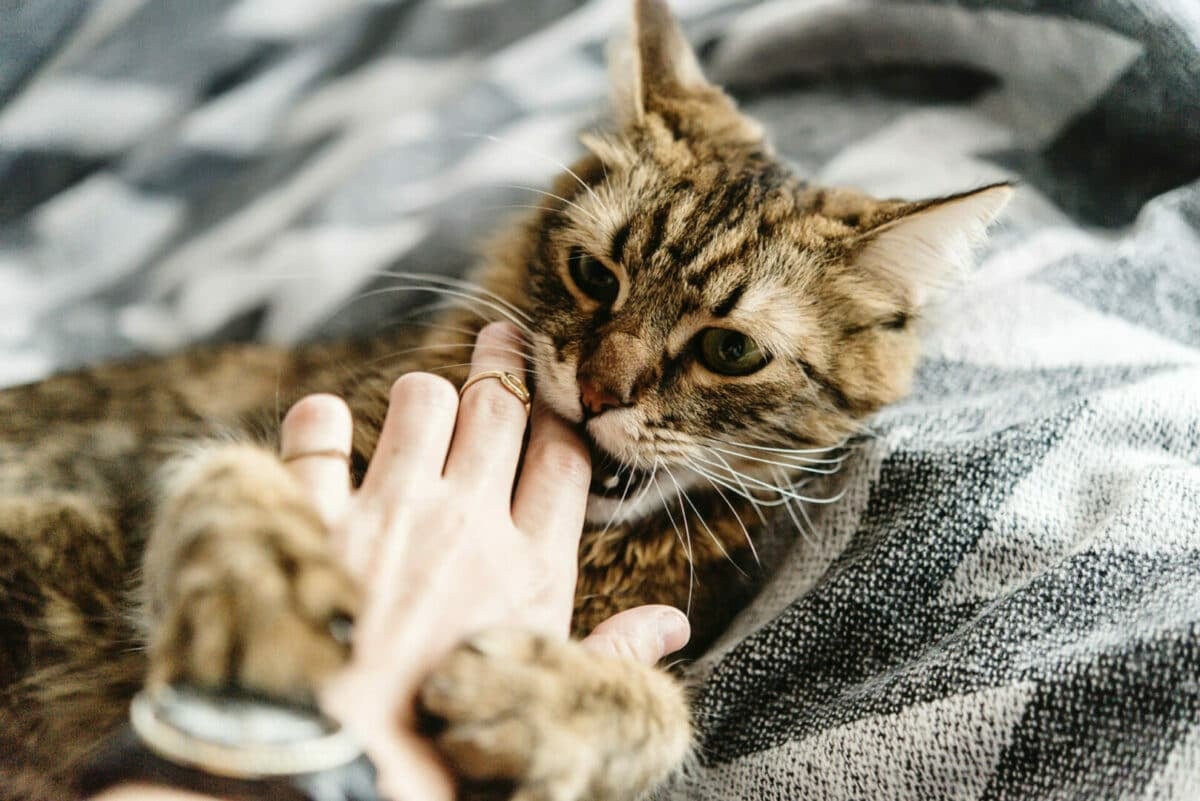
It’s common for most cats to show signs of stress or discomfort with any change, especially travel. Watch out for signs such as excessive meowing, withdrawal, or aggressive behavior. Understanding their language will help you preempt any traveling anxiety or discomfort your kitty may encounter.
When it comes to meeting these travel needs, comfort is king. Try to recreate a cozy environment in the travel carrier that closely matches your cat’s usual surroundings. This could involve bringing their favorite blanket or toy. Familiarity can go a long way in calming the travel jitters.
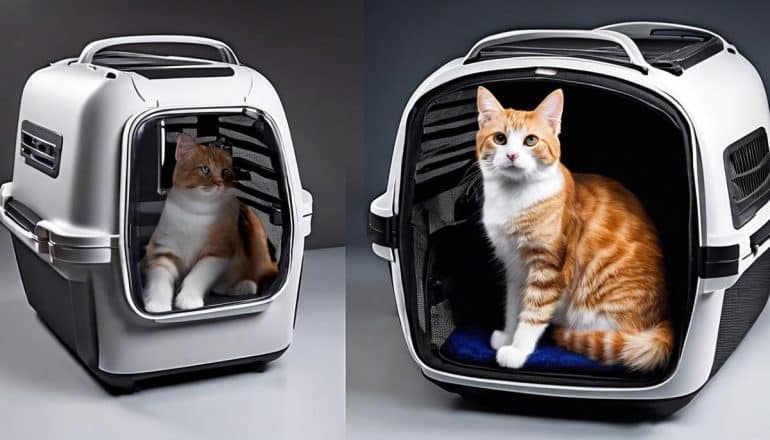
Another critical factor to consider when traveling with your cat is the containment. Ideally, a well-ventilated, hard-sided carrier works best. It’s safe, comfy, and ensures that your cat cannot escape. Also, remember not to feed your cat just before travel to prevent motion sickness!
Ensure to maintain regular feeding and playtime while away from home. Cats are creatures of habit, and disrupting their routine could induce stress. Keeping meal and playtimes similar to those at home would provide a sense of comfort and normalcy to your furry friend during the trip.
Lastly, give your feline family member time to adjust to new environments slowly. Allow them to explore the new space under your supervision for their safety and settling.
In conclusion, learning and catering to your cat’s travel behavior means understanding that your cat, much like a child, will have their unique quirks and preferences. By creating a safe, familiar space, maintaining routines, and introducing changes slowly, you can ensure that your cat remains comfortable and stress-free during your adventures together.
Happy travels to you and your feline friend!
Preparing a Travel Kit for Your Cat
Keeping Your Feline Friend Comfortable: What to Include in Your Cat’s Travel Kit
Traveling with a cat can be both an exciting and daunting experience, for both you and your feline friend. While your preparations might already include a routine for easing your cat into the travel environment, one other area that requires your attention is your cat’s travel kit.
An essential part of feline travel, this kit can be likened to a suitcase – offering all the necessities and comfort items your cat will need during transit. This piece will focus on what elements should be included in a cat’s travel kit to make the journey more manageable and less stressful.
A grand place to start would be the incorporation of hygiene essentials. Cats are fastidious creatures and having their hygiene items close at hand will offer them a sense of normalcy amidst the journey. Items such as disposable litter boxes, a bag of your cat’s preferred litter, and a traveling pack of wet wipes can provide extra reassurance for your furry friend. Don’t forget about sanitation bags for litter disposal, a requirement to maintain a clean and welcoming space for both you and your darling pet.
Despite the advice to “leave the feeding for later” maintaining hydration is critically important. Thus, a water dispenser – one that can be secured in the carrier – should be part of your cat’s travel kit. To ensure your cat receives its adequate nutrition, consider packing a few serving-size portions of its regular food.
Additional to the essentials, documents play an integral role while traveling. Be prepared and proactive in keeping a copy of your cat’s immunization records and tags, any pertinent medical information, and contact details of your home vet, handy. In case of any unexpected turn of events or emergencies, this information can become quite indispensable.
Incorporating items that provide home-like comfort can be a lifesaver during travel. This includes a small, snuggly blanket, their favorite toy, or a piece of your clothing; an unwashed tee might not impress your human travel mates, but the familiar scent will undoubtedly reassure and comfort your feline companion.
While attending to your cat’s needs during travel, psychotropic medications or mild sedatives can be included in the travel kit, only if prescribed by a vet, to manage travel anxiety.
Finally, add a first aid kit that goes beyond the simple Band-Aid. This kit should contain basic emergency supplies such as gauze, antiseptic wipes, a pet thermometer, and tweezers. God forbid, if your cat suffers an unexpected injury, or paw irritation from a foreign object, this kit can come in handy until proper medical treatment can be arranged.

Building a travel kit for your feline friend might seem like another layer of complication added to the travel planning process, but armed with the right tools and items, the journey can be steadily navigated reducing both you and your cat’s travel-induced stress. Remember, happy cat equals a happy trip!

Choosing Appropriate Transportation Options
When it comes to choosing the best mode of transportation for journeying with your furry family member, there are several factors to consider. Every cat is unique and transportation methods that work wonderfully for one cat might not be the best choice for another. Above all else, you want your kitty companion to feel safe and secure throughout the trip.
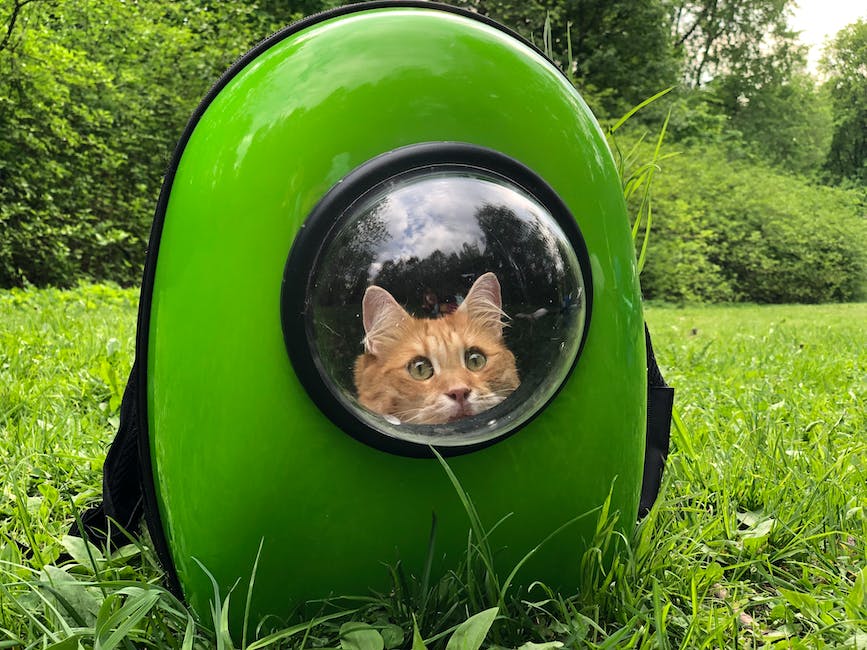
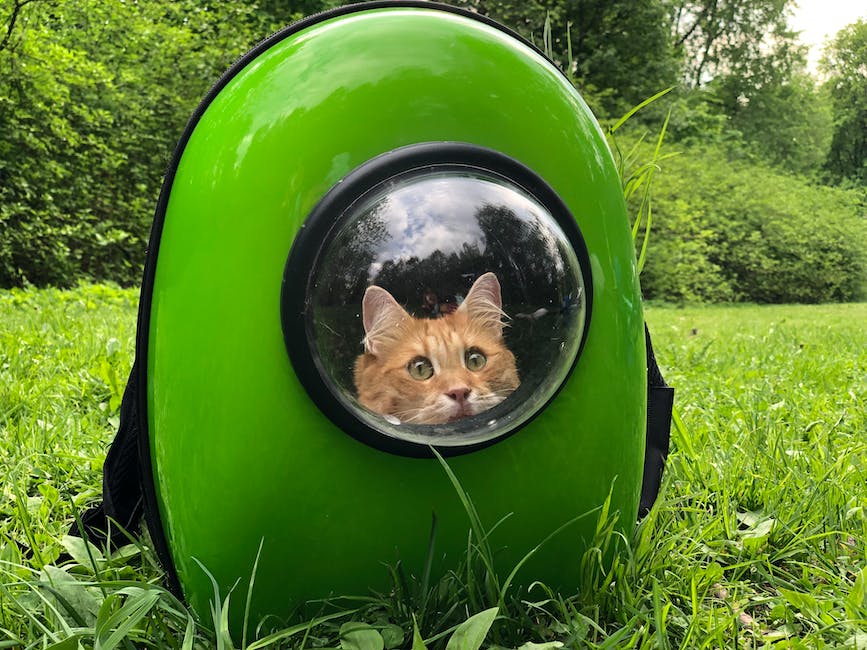
One option for transporting a cat is by car. Cars can offer a more controlled environment for your feline friend. You can easily control the temperature and have the ability to stop and care for your pet as needed. It’s also helpful to have comfort items within arm’s reach. It’s quite convenient to transport your cat in a car, just be aware of proper harnessing methods. Secure the carrier to prevent it from moving or shaking during the journey, which could cause distress and anxiety in your cat.
If you’re considering air travel, be aware that this mode of transportation can be stressful for a cat, even a seasoned traveler. Noise and turbulence during a flight can lead to anxiety in many cats. However, if it is absolutely necessary, try to opt for airlines in which the pet policy allows you to have your cat in the cabin with you, rather than the cargo hold. This environment can be less stressful because it’s quieter and temperature-controlled.
Train travels are another option for you. It’s smoother and quieter than cars or planes, which could cause less distress to your pet. However, not all train services allow pets, and ones that do may have strict rules and regulations. You need to review the pet policy before booking your tickets.
Regardless of the method of transportation you choose, remember that frequent breaks are a necessity. These breaks allow your cat the opportunity to stretch, use the restroom, and drink water. Have a look for rest stops when driving, layovers when flying, or stopovers in case of train journeys could serve this purpose.
Another point to remember is to soften any sudden movements or sudden noises. This practice will reduce the risk of startling your cat and creating unnecessary anxiety.
Above everything else, remember to consult with a trusted vet before any sort of travel. This will provide reassurance that everything about your chosen mode of transportation is suited to your cat’s specific needs.
Traveling with your cat can feel daunting, but remember: with thoughtful preparation, patience, and consideration for your cat’s sensitivities, traveling with your feline friend can result in a successful journey that leaves sweet memories for both of you.
Traveling with your cat should not be a daunting task. With an understanding of your pet’s behaviors and needs, a well-prepared travel kit, and choosing the right transportation options, the journey can turn into an enjoyable adventure for both owner and pet. Remember, the paramount concern is the well-being and comfort of your cat. Therefore, proper planning is essential in ensuring a less stressful and more positive experience for your feline companion on the go.