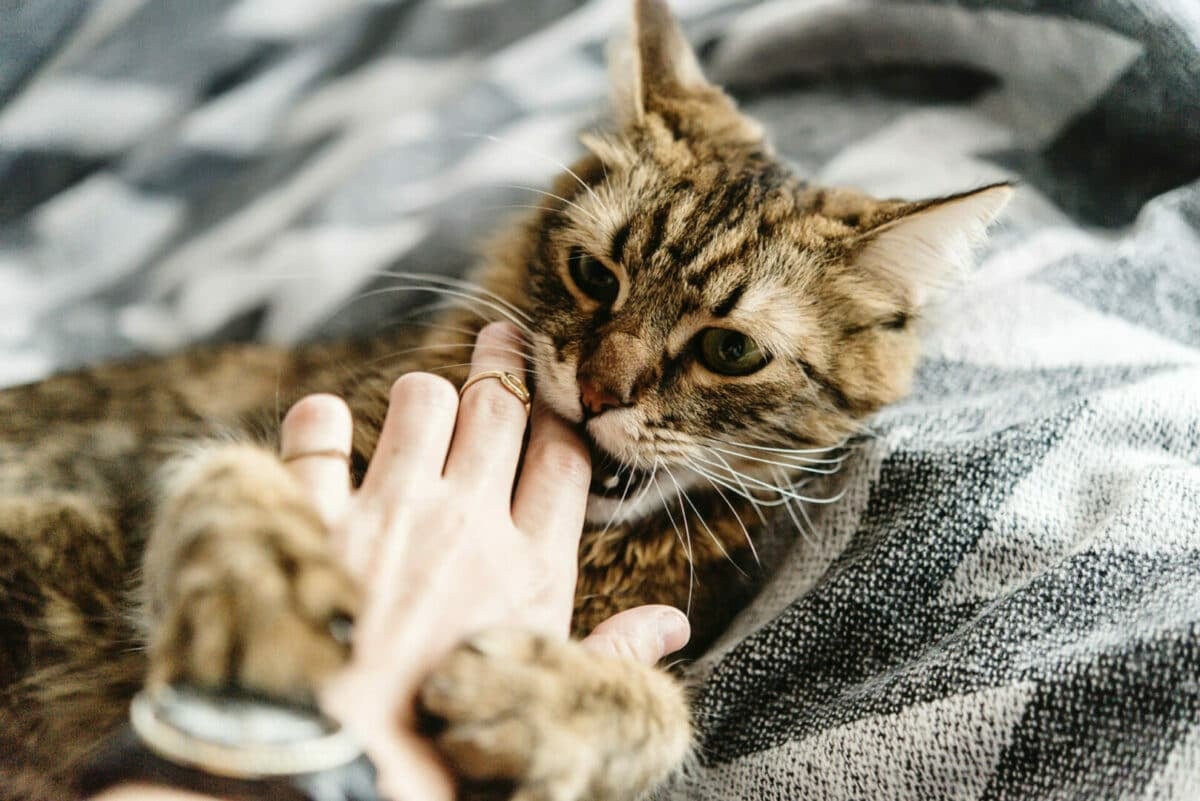

Understanding your feline friend’s needs and behaviors is not only essential for providing a love-filled home but also crucial when carrying out necessary grooming tasks like nail trimming. The art of cat nail trimming is multifold; it requires an understanding of the cat’s body language, effective and safe trimming techniques, and knowledge of the right tools. The beauty of this challenging but compassionate task is that it promotes bonding while ensuring your beloved pet’s comfort and health. This piece aims to unpack the nitty-gritty of these aspects, providing a comprehensive guide for those seeking to trim their cat’s nails without inviting scratches.
Understanding Cat’s Body Language
Understanding Cat Body Language: Key to Preventing Scratches
Cats are natural-born hunters who can deploy their sharp claws at a moment’s notice. As tiny, dramatic furballs with great power, their instinctual weapon-wielding abilities can sometimes lead to unexpected scratches, particularly for those who aren’t well-versed in feline body language. Being fluent in the language of our feline friends not only improves bonds but also safeguards us from unwelcome claw encounters. As a dedicated parent and homemaking enthusiast who loves sharing practical tips, let’s delve into understanding cat body language to prevent the odds of being scratched.
1. Observe the Tail Trigger
The demeanor of a cat’s tail exhibits a lot about their current state of mind. A high, waving tail can indicate contentment and approachability. Conversely, a tucked, stiff, or fast thrashing tail can denote fear or agitation – the twin red flags implying that it might be best to give your kitty some space.
2. Eyes and Ears Tell Tales
Ever noticed the distinct change in a cat’s eyes when they feel threatened or agitated? Their pupils either become very small or dilate excessively. At the same time, ears flatten back against the head. These signals are a clear ‘back-off’ sign to avoid getting scratched.
3. Paws Giveaways
Cats love their private space and may show their discomfort by unsheathing their claws or putting their paws closer to you as a warning sign. Respect their boundary and give them space. Remember, it’s their gentle way of saying they’ve had enough interaction for the moment.
4. Posture Alarms
A defensive cat will usually arch its back, puff up its fur, and hiss. If you notice these signs, it’s best to retreat immediately. This posture indicates they are scared, going on the offensive, and scratches might be the next step.
5. Recognize the Belly Trap
Contrary to dogs who love belly rubs, the bellies of cats are sensitive areas and not always open for touching. While a cat exposing its belly may seem like an invitation for a belly rubbing session, it’s a sign of trust rather than a call for a belly rub. Attempting belly rubs might trigger a defensive response, leading to the cat wrapping all fours around your hand and raking their claws down – definitely not an ideal scenario.
By understanding these five key aspects of feline body language, potential home invaders – yes, that one irritating tag on your cat’s beloved cushion counts too – minimize the chances of being at the receiving end of a scratch fest. Remember, invest time in learning your pet’s individual body language as behaviors may vary among cats. Our cuddly fur friends communicate clearly. It’s up to us to pick up their signals and respect the boundaries they set!
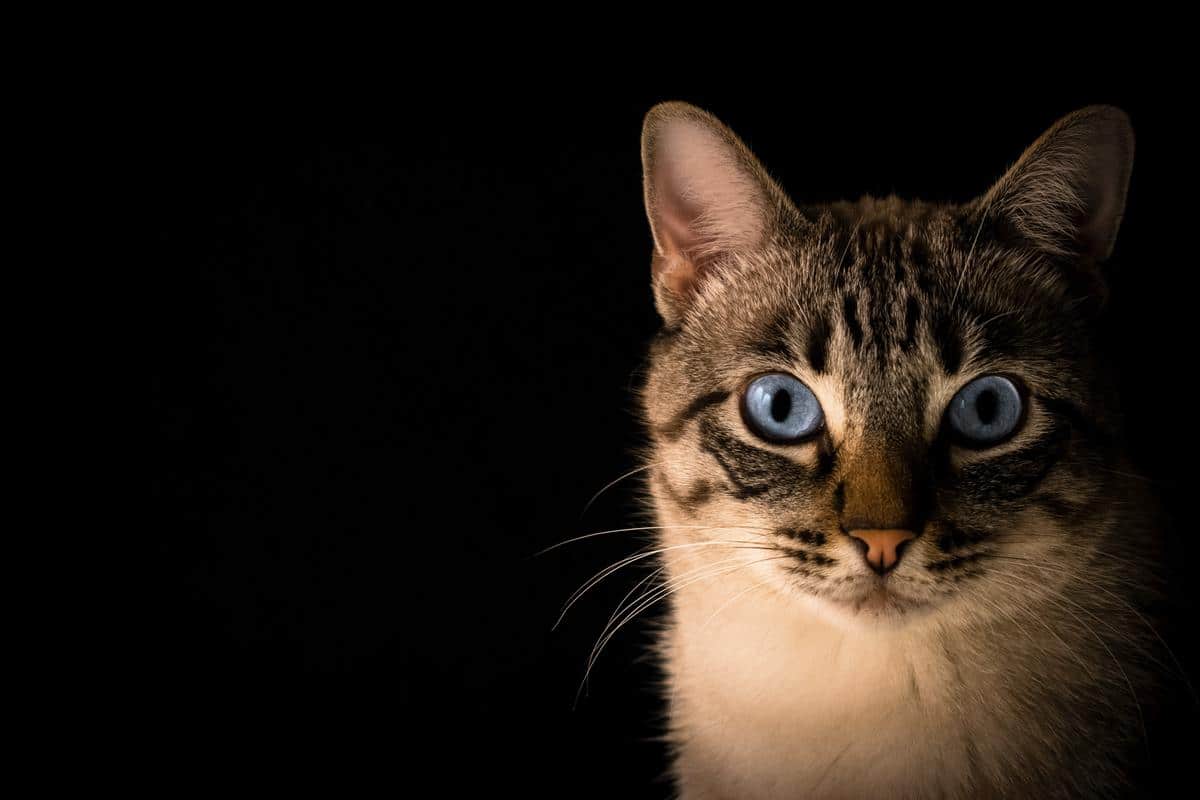
Photo by pactovisual on Unsplash
Effective Cat Nail Trimming Techniques
Navigating Cat Nail Trimming: Techniques for a Less Stressful Experience
Being a fur parent is an adventure filled with cuddles, furry antics, and, at times, a fair share of challenges. One common activity that can test your pet-handling skills is cat nail trimming. This can often be tricky and a little stressful for both the cat and the parent. But fret not, we have compiled a collection of techniques that can help make this task easier and serene for both you and your beloved feline.
One approach that not many cat owners realize can help during nail trimming is setting the right environment. You might not see it immediately, but your cat too, appreciates a calm and secure atmosphere. Try to find a quiet room, free from other pets or family members who could distract your fuzzy companion. You can even play some soft music or nature sounds, which have proven to be soothing for pets.
Another key technique is finding the right time. Cats are creatures of routine – they have particular times during the day when they’re active and others when they’re not. If you try to trim their nails when they’re in hyper-playtime mode, well, good luck with that! Instead, aim for a moment when your cat is relaxed or drowsy. This might usually be after meals or a playful session.
The next secret weapon in your nail trimmer’s arsenal should be treats. Positive reinforcement does wonders while managing pets. A treat before and after the session or even between the trims can create a positive association for your feline with the nail trimming process. It also serves as a sweet distraction for your fur friend!
Choosing the right tools is another crucial factor. Using a cat-friendly nail trimmer rather than a human one will make the process more comfortable and efficient. There are even trimmers available with a guard to prevent over cutting. Remember, always have a styptic powder ready, in case you accidentally cut into the quick.
Practicing gentle handling of your cat’s paws during cuddle time can also go a long way in ensuring a stress-free nail trimming session. Train your cat to become comfortable with paw handling by gently massaging their paws before you get the clippers out. This decreases the novelty and possible fear-factor associated with nail trimming.

You might have figured out by now that patience is a virtue when it comes to trimming your cat’s nails. If your furry friend is totally not up to it, don’t force them into it. Try again later or on another day. Remember, it’s your cat’s comfort and safety that ultimately matter.
Hopefully, these tips can help in taming the rough edges of cat nail trimming sessions. It’s all about understanding your pet, creating a relaxed environment, and employing techniques to keep the process efficient and stress-free. Happy trimming!
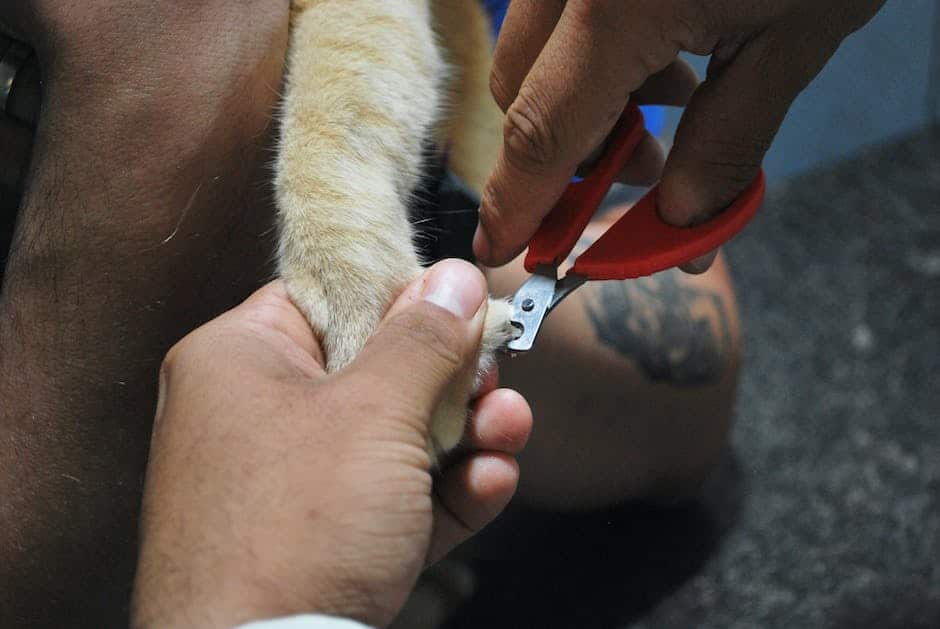
The Right Tools for Cat Nail Trimming
Now that we have covered the nuances of feline body language, setting the right ambiance for the trimming session, and the importance of handling your feline friend’s paws with care, it’s time to dive into the specifics of the tools that can make trimming your cat’s nails less stressful for both you and your purry friend.
There are a variety of tools available for clipping kitty nails, each with their pros and cons. The effectiveness of these tools often depends on your cat’s temperament, your comfort level, and of course, the tool’s design. Let’s explore a few of them.
- Guilotine Nail Clippers: These tools work just like a guillotine. You slide the cat’s nail into a small hole and then squeeze the handle to lower the blade and snip the nail. Great for their precision, they provide a clean cut without splitting the nail. However, they can require a firm hand and can initially be intimidating to new users.
- Scissor-style Nail Clippers: Resembling scissors but with notches on one side to accommodate a cat’s nail, these clippers may feel more comfortable to use, particularly if you’re right out of the manicure-for-humans starter block. Being mindful of the angle of the cut is crucial with these clippers to ensure you don’t cause injury.
- Grinding Tools (e.g., Rotary Sanders): If your cat tolerates the noise and vibrations, grinding tools can be excellent for gradually shortening the nails while reducing the risk of cutting into the quick. They are battery or electricity-operated and require a bit of expertise and patience to use but offer a smooth finish.
- Electric Nail Clippers: These are a newer entry into the market, employing electric blades for a quick, accurate cut. Ensure these are specially designed for pets, as the ones made for humans can be too powerful for your feline’s tiny nails.
Apart from these tools, it’s great to have a few extras on hand, such as a Styptic powder (or stick) to stop the bleeding if you accidentally cut the quick. A magnifying glass can also be handy to ensure you’re not cutting too close to the quick, especially with darker nails.
Remember, it’s not about finding the most expensive or fanciest tool—it’s about finding one that works best for you and your feline friend. Some might prefer the controlled clipping of scissors, while others might find the gradual approach of grinders more suitable. In any case, going slow, taking breaks, and using your understanding of your cat’s body language will go a long way in making this a positive experience for everyone involved.
In the end, keeping your cat’s nails well-trimmed isn’t just good for your upholstery; it’s a vital part of their overall health and well-being. So, arm yourself with the right tools, take a deep breath, and remember—patience and understanding are the key ingredients to a successful nail trimming session. Happy Trimming!
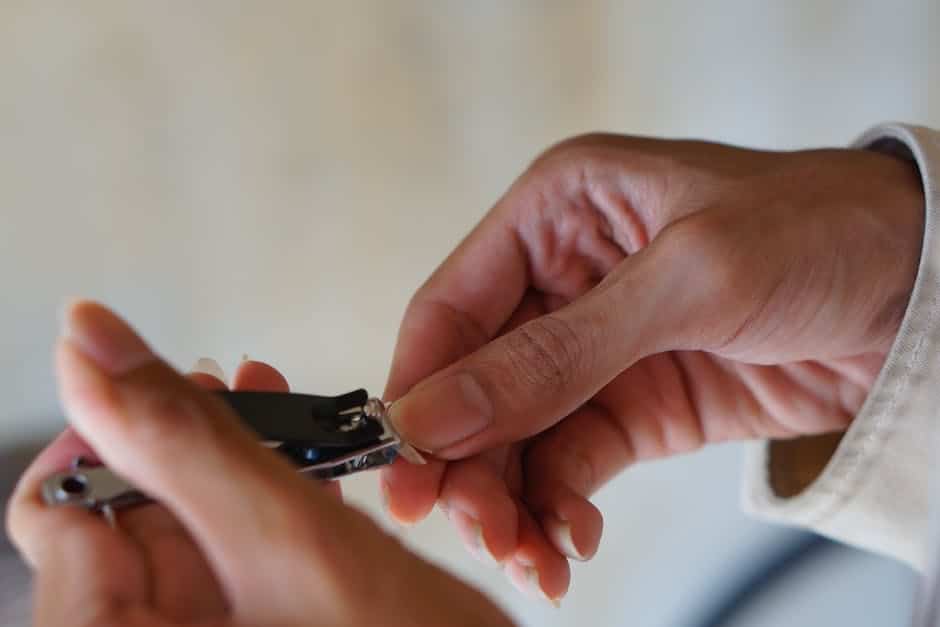
Every pet parent desires to provide the best care and love to their feline friends, and knowing how to correctly trim their nails without causing them stress or discomfort is a significant part of that care. Understanding your cat’s body language, mastering the right nail trimming techniques, and using appropriate tools are the pillars of this process. Once you are proficient in these aspects, you can ensure a smooth and stress-free experience for both you and your pet, bringing you closer while maintaining their health and wellbeing. Remember, patience is key, and with time, this process will become a routine part of your shared bonding experience.