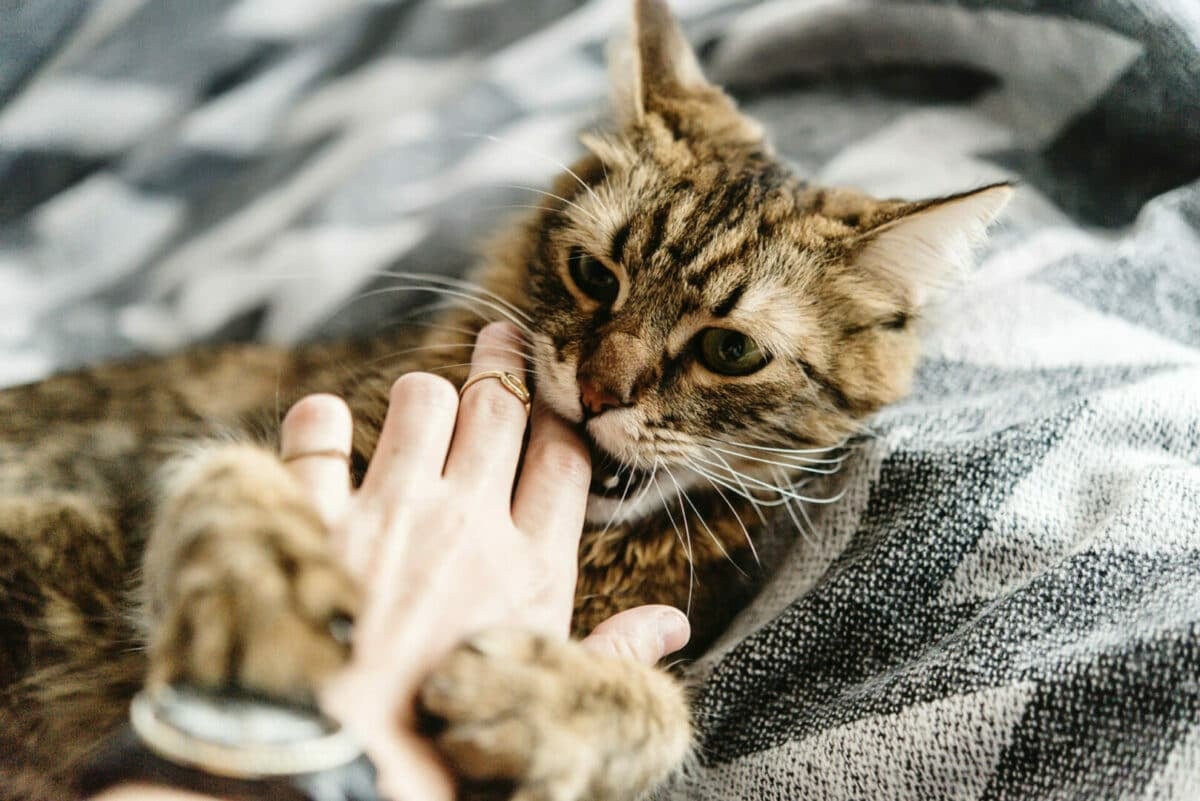

Our feline companions are notorious for their stoic nature and independent demeanor, which often makes it a bit challenging to discern their actual state of health. Although all cats hold a unique character and physicality, skeptics agree upon certain unmistakable signals that point towards a healthy cat- be it visibly physical or subtly behavioral. This essay aims to enlighten cat owners and enthusiasts about the critical facets of a cat’s health, including physical and behavioral signs, as well as understanding their innate habits. By being more attentive and informed about these signs, we can ensure that our furry friends are in their prime health, and any deviation from normal behavior can be attended to promptly.
Physical Signs of a Healthy Cat
One of the beautiful things about being a pet-parent is the unspoken communication with our feline friends. Pays attention to these visual cues can help determine if a cat is healthy and thriving.
Look at your cat’s coat – if it’s glossy, smooth, and free from dandruff or bare patches, it’s a solid indicator that their diet is nutritious and they are grooming themselves properly, a key sign of good health among our feline pals. Besides, a slight bounce-to-the-touch feel when gently pushing against their fur implies proper hydration, so make sure those water bowls stay full and fresh!
Equally important to coat health, consider the way your cat moves and interacts. Healthy cats have energy, agility, and a strong curiosity for their surroundings which makes them lively explorers. Is the kitty jumping on countertops? Dashing across rooms and climbing up the bookshelves? These playful activities not only show physical strength but also demonstrate mental wellbeing. Further, their eyes should be bright and clear, reflecting their eagerness to the world around while noses and mouths should be clean and moist without excessive discharge.
Keeping an eye out for these signs can help pet-parents ensure their furry family members are in their best health. Remember, any changes in these physical signs could be a call for a visit to the vet. After all, being a diligent and observant pet-owner is part of the beautiful journey of parenthood. Here’s to happy, healthy, and mischief-filled lives for our feline babies!

Behavioral Signs of a Healthy Cat
A cat’s behavior often acts as a prominent window into their overall health. Subtle changes in their daily routines or drastic alterations in demeanor could indicate an array of possible health issues. Let’s delve into how you could decode your feline’s health based on their behavior.
Food and water consumption is a telltale marker of a cat’s state of health. A sudden shift in appetite can spell distress. If your normally gluttonous cat starts presenting poor appetite or if a usually moderate eater is suddenly insatiable, take note. Changes in water consumption are equally critical. While increased thirst might be seen in warmer weather or after strenuous play, persistent, excessive thirst can be a sign of diseases such as diabetes or kidney issues.
The litter box can also provide crucial information about your cat’s health. Cats are known for their meticulous grooming habits and their propensity for a clean litter area. If you spot any deviation from normal litter behavior, such as avoiding the box, going outside of it, or changes in frequency, color, or texture of excretions, make an appointment with the vet. These changes can underscore a variety of concerns, ranging from urinary tract infections to kidney disease or digestive issues.

Your furry friend’s social conduct plays a significant part in tracking their health too. A typically outgoing and friendly cat that suddenly becomes reclusive could be dealing with an ailment. On the same note, an ordinarily independent cat becoming unusually clingy might signal that something is amiss. Keep an eye out for changes in vocalization as well; an increase in meowing can be a plea for help.
The multitude of joys that come with sharing your life with a feline friend is unmatched. Just remember, being attuned to their behavior does more than strengthen your bond; it contributes to their longevity too. Stay observant, stay proactive, and enjoy the ride of being a cat parent.

Understanding Cat-About Habits
Heading into more specific facets,
another essential key to understanding your furry companion’s health and well-being is noticing their appetite and water intake patterns. It’s common knowledge that nutrition plays a huge role in your cat’s vitality. If you’re noticing shifts in how much or how often Fluffy is eating, or if they suddenly show an unusual thirst, it may be a clue something is amiss. Similarly, pronounced changes to their water consumption should trigger attention. Increased intake could potentially signal diabetes or kidney issues, while decreased intake could lead to dehydration, which impacts your cat’s overall health significantly.
Observing your beloved pet’s behavior when they use their litter box provides information about their health too. As a rule, deviations from the norm can indicate potential health issues. Just being aware of how often they utilize it, the appearance of their waste, or the presence of pain or difficulty during these moments can speak volumes. For instance, frequent litter box visits might hint at a urinary tract infection, while changes in the composition of their waste could indicate gastrointestinal issues.
Moreover, changes to their social conduct can be significant as well. Remember how your kitty usually reacts when you’re around. Any unusual behavioral changes such as increased reclusiveness or extreme clinginess may point towards health issues. Furthermore, their vocalization patterns can be key. Naturally, each cat has a unique “voice”. Changes in their normal meowing, like unusually long, continuous ‘conversations’ or shifts in volume or pitch, could potentially denote distress or illness. Being attuned to your cat’s behavior and habits, mundane as they might seem, may just be what keeps them purring happily and healthily for many more years to come.

Observing our feline friends closely and understanding their habits from a health perspective can play a crucial role in maintaining their overall wellbeing. While physical attributes like a clean, shiny coat or clear, bright eyes are immediate indicators of good health, behavioral traits can offer deeper insights into their state of health. Regular sleeping patterns, consistent eating and grooming habits, and an active playing routine signal a happy and healthy cat. However, any significant changes in these patterns warrant attention and potentially, a visit to the veterinarian. Responsible pet ownership entails understanding these signs, staying observant, and ensuring our feline companions are as healthy and content as they can be.