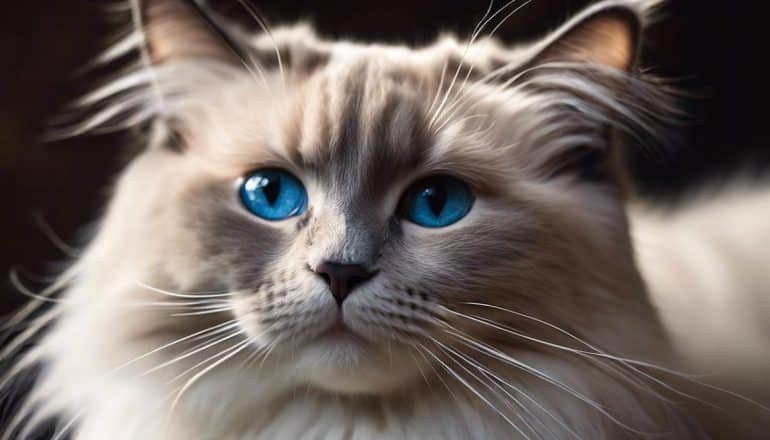
Originating from the serene landscapes of California in the 1960s, the Ragdoll cat has since charmed its way into the hearts of cat lovers worldwide with its striking blue eyes, luxurious coat, and endearing personality. Known for their docile temperament, Ragdolls are often described as puppy-like in their devotion to their humans, making them an ideal companion for those seeking a gentle and affectionate feline friend. As we embark on the journey of training a Ragdoll cat, it’s crucial to harness their breed-specific traits and intrinsic eagerness to please. This will not only create a deeper bond between you and your Ragdoll but will also ensure a harmonious living environment where your cat feels secure, understood, and engaged.
Understanding Ragdoll Behavior
Understanding Ragdoll Cats: A Guide to Their Unique Behavior and Temperament
Ragdoll cats are known for their serene and gentle nature, striking a chord with cat enthusiasts worldwide for their dog-like traits. If you’ve ever wondered what sets these fluffy felines apart in the world of pet behavior and temperament, you’re about to find out.
Distinguishing Ragdoll Behaviors
One key aspect of Ragdoll cats is their tendency for relaxation. When picked up or held, they often go limp—hence the name “Ragdoll.” This trait isn’t just adorable; it’s a hallmark of their placid personality, making them exceptional cuddle partners.
Ragdoll cats also exhibit a remarkable level of sociability. They tend to follow their humans from room to room, displaying a level of loyalty often compared to that of a pup. This breed thrives on interaction and companionship, so if you’re looking for an independent, aloof cat, a Ragdoll might not be your perfect match.
Training a Ragdoll is typically a breeze. These cats are surprisingly trainable, with many owners teaching them to fetch or perform tricks. This breed’s intelligence and desire to please make training sessions both successful and enjoyable.
Ragdoll Temperament Traits
Ragdoll cats are notoriously calm and even-tempered. Loud noises or a chaotic household? No problem. These cats often remain unflappable in the face of hustle and bustle, which can make them ideal pets for families with children or other animals.
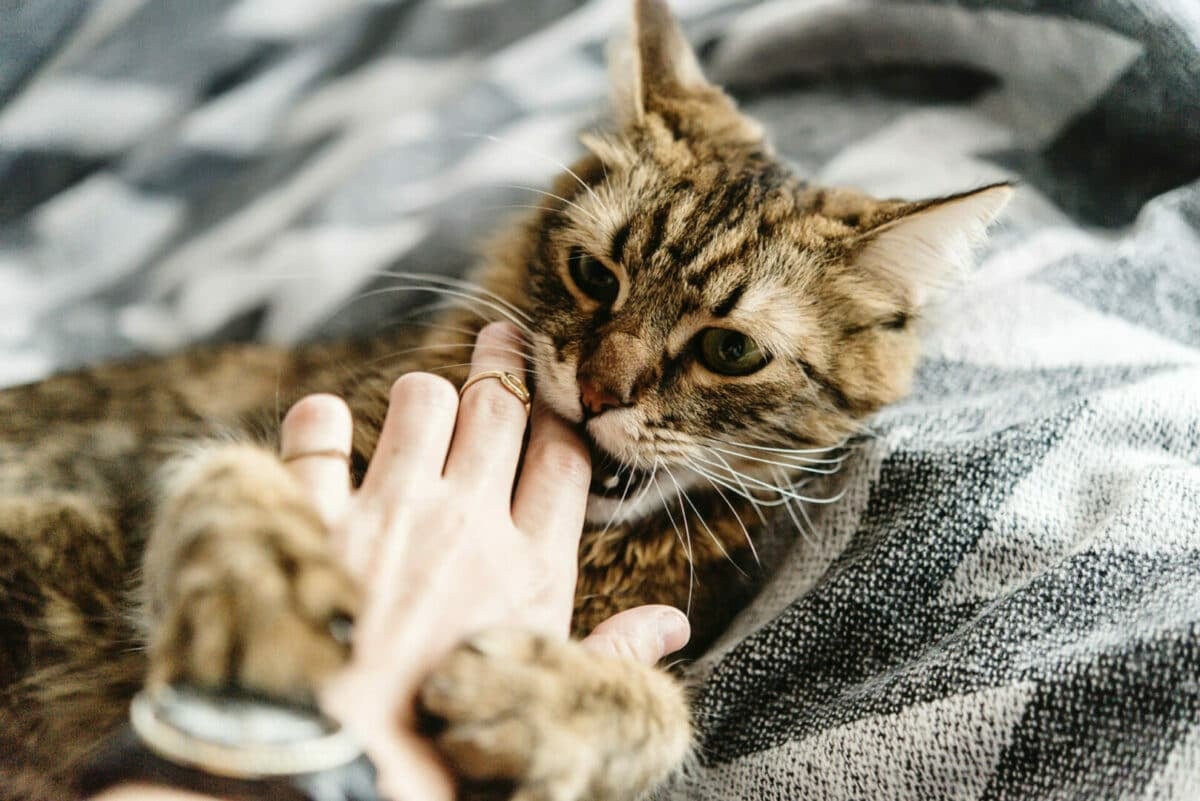
Another feature of the Ragdoll temperament is their soft and gentle approach to interaction. This breed isn’t known for aggressive behavior; their approach is kind and placid. Rarely will you find a Ragdoll using claws or teeth during play – they’re the epitome of soft paws.
Moreover, Ragdolls are creatures of habit and relish a consistent routine. Establish meal times, play times, and even cozy nap spots to keep your Ragdoll content. Structure is key to a happy and well-adjusted Ragdoll cat.
Beyond their serene nature, Ragdolls are also communicative, but in a soft, gentle manner. Their meows and purrs are typically quiet, reflecting their overall subdued demeanor.
The Appeal of the Ragdoll Cat
A Ragdoll’s unique behavior and temperament make them a delightful companion for those seeking a deep bond with their pet. Always approach training and interaction with positivity and rewards, and you’ll find a Ragdoll’s heart is easily won. They are the quintessential pet for someone seeking a devoted, affectionate, and peaceful furry friend.
Whether lounging in a sunny spot or playing a game of fetch, Ragdoll cats encapsulate the charming paradox of being both a laid-back lap cat and an engaging family member. Their special blend of charm, grace, and loyalty is unmatched, making them a beloved breed for cat lovers around the world.
Positive Reinforcement Techniques
Utilizing Positive Reinforcement in Ragdoll Cat Training
Unlocking Your Ragdoll’s Potential Through Rewards
When it comes to nurturing the amiable and tranquil nature of your Ragdoll cat, positive reinforcement is your golden ticket. This method is all about encouraging and reinforcing the behaviors you desire by rewarding your feline friend. Let’s delve into how you can apply this effective tool to shape your Ragdoll’s behavior in a manner that’s both enjoyable and rewarding—for both of you.
Laying the Foundation with Positive Reinforcement
Positive reinforcement starts with understanding what makes your Ragdoll tick. This breed typically has a penchant for human interaction and thrives on acknowledgment. To start on the right paw, identify treats or activities that your cat finds utterly irresistible—be it a tasty morsel of cat-safe food or a few minutes of laser pointer chase. This gratification is what you’ll offer in exchange for desired behaviors.
Rewarding Good Behavior Immediately and Consistently
Once you’ve pinpointed the perfect reward, timing becomes crucial. Catch your Ragdoll in the act of good behavior and promptly dish out the reward. Swift reinforcement helps your cat connect the dots between what they did and the positive outcome. Whether it’s using the scratching post instead of your sofa or responding to their name, immediate rewards reinforce these positive actions.
Incorporating Training into Play and Daily Routine
Who says training has to be a separate activity from your daily interactions? Roll training sessions into playtime and routine care, making the experience synonymous with fun and affection. As Ragdolls enjoy the company of their humans, combining training with petting sessions or play can make the process a seamless part of their day-to-day life.
The Power of Intermittent Rewards
As your Ragdoll masters the basics, introduce intermittent rewards. This means that not every good behavior is followed by a treat. This strategy might seem counterintuitive, but it’s a proven psychological principle that encourages the cat to continue displaying the behavior in hope of that intermittent payoff, thus strengthening the behavior even further.
Respecting the Ragdoll’s Pace
Patience is vital. Ragdolls, like all cats, have their unique pace of learning. Pressuring or rushing could back off your feline friend. Recognize and respect their individual learning curve and practice patience. Celebrate the wins, no matter how small, and never punish for not picking up a command or behavior immediately.
Taking Advantage of Natural Behaviors
When training your Ragdoll, start with behaviors that come naturally to them. For instance, if your Ragdoll enjoys fetching toys, use this as a springboard for training. Reward them after they retrieve the toy, and soon enough, you’ll have a feline that fetches on command.
Building Bonds with Interactive Games
Interactive games not only serve as a form of exercise but can also tighten the bond between you and your cat. Use these games as opportunities for positive reinforcement. A puzzle feeder, which rewards with treats upon solving, is an excellent tool for mental stimulation and reinforces problem-solving behavior with a tasty treat.
Mindful of the Right Quantities

Be mindful of the size of the rewards, especially when using treats. The aim is not to replace a meal but to offer a small token of appreciation. This ensures that the rewards remain appealing and does not impact your Ragdoll’s diet negatively.
Creating Consistent Routines
Ragdolls flourish in stable environments. Craft a consistent routine that incorporates training sessions at regular intervals. This not only helps in setting expectations for your cat but also ensures that training becomes a part of their normal, happy, and structured life.
With each small step, your Ragdoll will become a model of good behavior, all through the wonders of positive reinforcement. By rewarding the behaviors you want to see, you’re communicating in a language your cat understands and enjoys. This nurturing approach not only brings out the best in your Ragdoll’s behavior but also fortifies the loving bond you share with your serene and devoted companion.
Setting Up a Training Schedule
Mastering the Art of Ragdoll Training: The Importance of Consistency
Navigating the world of feline training can be as captivating as the bright blue eyes of the Ragdoll cat. These majestic creatures, known for their plush coats and serene demeanor, are surprisingly amenable to training when the right techniques are applied. Consistency is the golden thread that ties together the fabric of an effective training routine for these poised felines. Just as composers need a steady rhythm to create harmony, Ragdoll cats require a consistent training schedule to perform at their best.
Why Consistency Reigns Supreme in Ragdoll Training
Consistency is a cornerstone of any successful training regimen, particularly with Ragdoll cats. These tranquil beings thrive on predictability. When they understand what’s expected and when, they’re more likely to engage in the desired behaviors. This all starts with a daily routine that doesn’t waver, setting the stage for trust and understanding. Establishing a structured day-to-day consistency helps translate the human’s expectations into the cat’s reality, making the training process a harmonious duet rather than a solo endeavor.
Establishing a Routine: The How-To Guide
To embody the essence of consistency, kickstart the day with a set feeding time. Ragdolls, like most felines, possess an innate sense of timing when it comes to their meals. By sticking to a strict feeding schedule, owners signal the start of the day, which can be followed by a quick yet engaging training session. This approach not only creates a structure but also taps into the Ragdoll’s food-driven motivation.
Next, utilize short, focused training blocks. Ragdolls benefit from brief, repeated exposures to training cues and commands, much like learning the chorus of a favorite song. This method harnesses their attention without leading to overstimulation. Aim for multiple five-minute sessions throughout the day, ideally before the cat has been fed, when their desire for rewards is heightened.
Incorporate essential elements of care into the regiment, such as grooming and playtime, ensuring these rituals occur simultaneously each day. Transform a standard brushing into a stealthy training opportunity by offering rewards for calm behavior. Interweave training into play by posing challenges or commands that the cat can master and advance in difficulty gradually.
As the day unwinds, signal its end with another consistent activity, like a peaceful play session or cuddle time, which not only reinforces the daily structure but also strengthens the bond between the Ragdoll and owner.
Building a bond through regular, patterned interactions is the keystone to success. Ragdoll cats are intelligent, soulful creatures that respond to an owner’s reliable presence and gentle guidance. They take comfort in knowing that their human counterpart will be there, with the same cues and reinforcements, each step of their shared journey.
In closing, training a Ragdoll cat isn’t just about teaching tricks or promoting good behavior; it’s about cultivating a rhythm that both cat and owner can dance to in sync. And while the article reaches its conclusion, remember that the journey with your Ragdoll is an endless one, filled with moments of repetition, reassurance, and a consistent love that nourishes the spirit of these graceful companions.
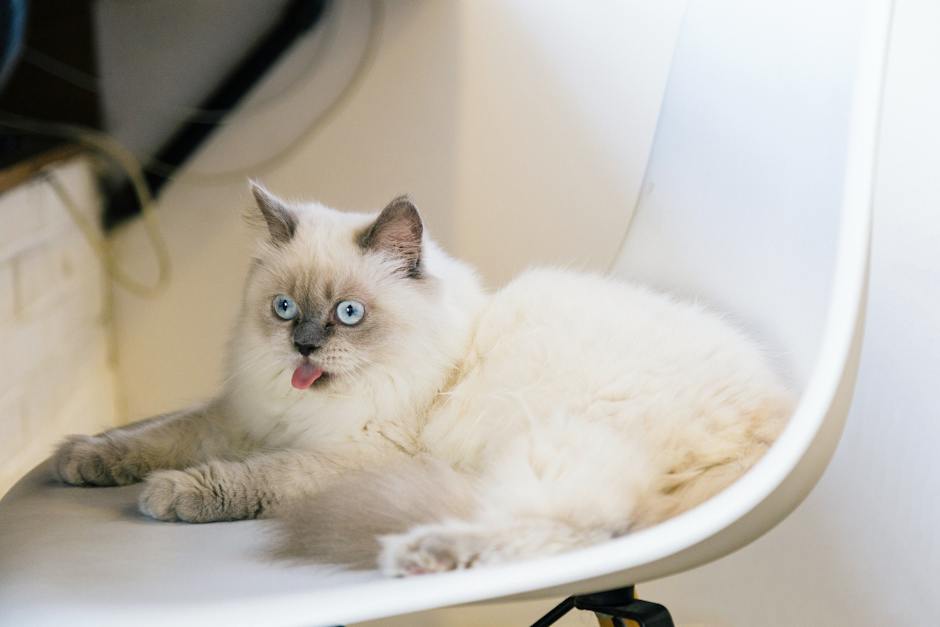
Empowering your Ragdoll cat with the skills to navigate their world with grace and confidence is a rewarding endeavor that strengthens the bond you share. By tailoring your approach to your Ragdoll’s unique personality and needs, and maintaining patience and consistency throughout the training process, you lay the groundwork for a relationship built on mutual respect and understanding. The journey of training is continuous, as your Ragdoll may surprise you with their capacity for learning and affection. Embrace the quirks and qualities that make your Ragdoll ‘purr-fectly’ unique, and you’ll discover that the love and trust you foster today will resonate through the many joyful years ahead.