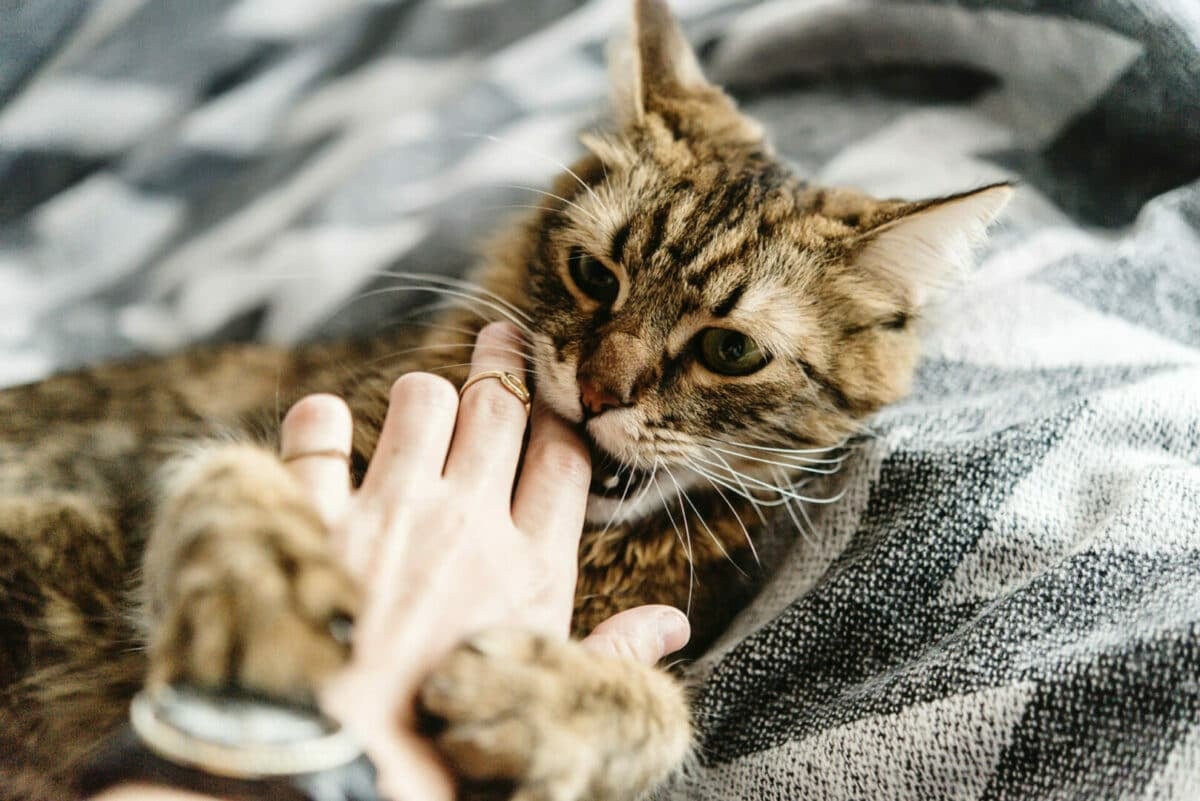

When it comes to sharing our homes with feline friends, it’s not uncommon to encounter moments of frustration when our pets seem to have a mind of their own. But have you ever considered that these moments of mischief might stem from a simple misunderstanding between species? Unlocking the secrets of cat behavior doesn’t require nine lives, just the desire to delve into the world of feline psychology. As we embark on this journey, we’ll uncover how to strengthen the bonds with our beloved cats through positive reinforcement techniques, patience, and consistency, transforming our approach to training and opening up a new chapter of harmony and understanding within our households.
Understanding Cat Behavior
Unraveling the Whiskered Mysteries: Understanding What Motivates Cats and Drives Their Behavior
Delve into the feline mind and make sense of those mysterious behaviors
Embarking on the journey to understand what motivates cats and drives their behavior is much like learning a new language—one filled with purrs, meows, and an array of whisker-twitching antics. While these captivating creatures often baffle their human companions with their enigmatic ways, comprehending the basic motivators of feline behavior is essential for a harmonious home life for both pet and owner.
Decoding the Basic Instincts
At the core of many cat behaviors lie their primal instincts. Unlike dogs, which have been bred over millennia to closely adhere to human-crafted roles, cats retain a strong instinctual drive from their wild ancestors. Recognizing these instincts is the first step in decoding their behavior:
- Hunt and Pounce: Cats have an inherent need to hunt. As natural predators, they display behaviors such as stalking and chasing, essential for their survival in the wild. Indoors, toys and interactive play simulate this hunting experience, keeping cats both physically and mentally stimulated.
- Territorial Tendencies: Cats are territorial animals, often going to great lengths to mark their domain with scent glands located on their cheeks and paws. Observing a cat rubbing its face or scratching surfaces isn’t just a display of comfort; it’s a way of laying claim to their space.
- The Need for Privacy: Unlike pack animals, cats cherish solitude. They often seek out quiet, secluded areas to rest and recharge. Providing a safe, cozy space where a cat can retreat without disturbance is key to their well-being.
- Craving for Consistency: Routine is comforting to cats. Predictable feeding times, litter box maintenance, and regular play sessions contribute to a stress-free environment that can prevent behavioral issues.
Understanding Social Behaviors
Socialization plays a pivotal role in how cats interact with humans and other animals. Cats that have been socialized from an early age tend to be more adaptable and confident. Introducing new people, pets, and environments slowly and with positive reinforcement can help foster a sociable demeanor in cats.
The Power of Positive Reinforcement
Motivating cats often involves leveraging their love for rewards. Identifying what your cat responds best to—be it treats, play, or affection—can greatly enhance training and reinforce desired behaviors. Positive reinforcement creates an association of pleasure with certain actions, which encourages repetition of those behaviors.
Creating an Enriching Environment
Stimulation is vital for the physical and mental health of cats. An environment rich with opportunities to explore, climb, and play can keep cats engaged and prevent the development of destructive behaviors born out of boredom. Cat trees, scratching posts, and window perches are excellent tools to enrich a cat’s surroundings.
Health and Comfort Influence Behavior
Health issues can manifest as changes in behavior. Regular check-ups with a veterinarian can identify underlying medical problems that may cause a cat to act out. Additionally, comfort plays a significant role in a cat’s mood and behavior. Factors such as temperature, bedding, and the cleanliness of their surroundings all contribute to a cat’s overall comfort level.
Navigating the Night
Cats possess crepuscular tendencies, meaning they are most active during dawn and dusk. This is often when their energy levels surge, resulting in zoomies or playful behavior. Understanding this can help owners create a schedule that aligns with their cat’s natural activity patterns, providing an outlet for this energy when it’s most needed.
By comprehending these motivators and providing a stable, enriching, and secure environment, cat owners can promote a balanced and happy life for their whiskered companions. Delving into the world of feline behavior not only strengthens the bond between cat and owner but also unveils the subtle nuances that make these creatures such endlessly fascinating members of our families.

Positive Reinforcement Techniques
Training Your Cat with Positive Reinforcement: The Gentle Art of Persuasion
Equipping Yourself for Success: Positive reinforcement extends beyond the realm of dogs; it’s equally transformative when training your feline friends. With their unique blend of independence and affection, cats respond exceptionally well to encouraging and rewarding teaching methods.
Understanding the Why: By recognizing that every whisker twitch, ear flick, and purr has purpose and meaning, it becomes easier to communicate. Cats aren’t naturally inclined to follow commands as canines might, but their clever minds can be guided through positive reinforcement.
The How-To of Positive Cat Training:
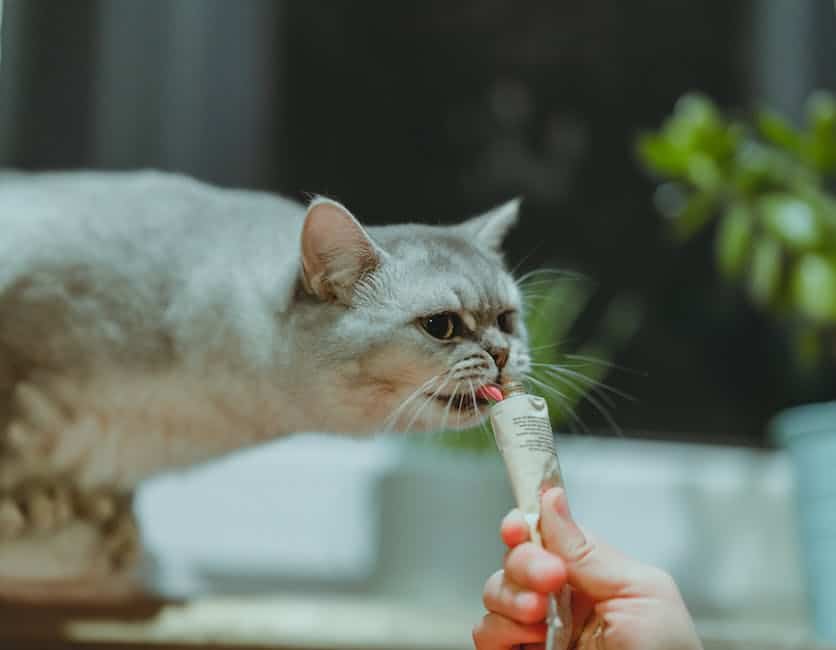
Communicate Through Treats: Like a universal language, treats can convey messages of approval. Find a healthy, high-value snack your cat craves. Once secured, these treats become golden tokens of reinforcement, bestowed upon your cat when they follow through with desirable behavior.
Click to Success: The Clicker is a training tool that captures attention and marks the precise moment your cat performs correctly. The distinct sound becomes synonymous with imminent treats, creating a powerful association between action and reward.
Master the Timing: Like comedic timing, the timing of rewards is crucial. The closer the treat follows the desired behavior, the more connected the two become in your cat’s mind. Aim to reward within seconds to ensure your message is crystal clear.
Crafting Enticing Commands: Choose cues that are simple and unmistakable. Pair them consistently with gestures or signals for visual learners, and keep sessions engaging yet brief to cater to the cat’s love for all things succinct.
Patience Is Your Co-Trainer: Cats will not be hurried, and your patience is the thread that strings together these pearls of training wisdom. Some may grasp the concept quickly, while others may take their time, deliberating whether the effort is worth the reward.
End on a High Note: Conclude training sessions before your cat’s interest wanes, ensuring the encounter leaves them eager for more.
Integration into Daily Life:
Weave these techniques seamlessly into your everyday interactions. Casual adherence to these principles throughout the day reaffirms the training and solidifies behaviors.
Respect Your Cat’s Agency: Always observe and honor your cat’s mood and willingness to engage. Their consent is non-negotiable for training to be a stress-free and enjoyable pursuit for both of you.
Create a Supportive Environment: A pillar of cat psychology, a familiar and safe space empowers them to learn and explore without the shadows of anxiety.
A Consistent Approach: Routine and predictability serve as anchors, making learning less of an uprooted tree and more of a thriving plant. Maintain a schedule and consistent practices to nurture your cat’s learning process.
Building Lustre on Command: While some may doubt the feasibility of cats performing tricks, with positive reinforcement, even a splash of agility can be woven into their tapestry of skills. With patience and practice, your cat may surprise you by jumping through hoops, both metaphorical and literal.
The Joy of Togetherness: Ultimately, these sessions of positive reinforcement should transcend mere training. They are moments shared, bonds strengthened, and trust deepened.
Positive reinforcement isn’t just about training; it’s about understanding, respecting, and building a relationship with your feline companion. It’s about finding joy in their progress and celebrating the uniqueness of their personality. As you embark on this journey, remember to cherish every small step and the purrs of contentment that echo your success.
Consistency and Patience in Training
Training Your Cat: The Importance of Steadfast Consistency
Embarking on the journey of cat training is not unlike learning a musical instrument. It’s the steady rhythm of practice and familiar cues that lead to a harmonious relationship between you and your feline friend. Training a cat is more than just teaching them fun tricks; it’s about promoting a sense of security and understanding within your shared environment.

Why Consistency is Crucial
Cats are creatures of habit and their level of comfort is intrinsically linked to routine and predictability. Consistently applied rules and methods set the stage for clear communication, which is the cornerstone of trust between you and your cat. Without this trust, training efforts may be met with confusion or resistance.
The Role of Routine
A cat’s day is punctuated by routines: grooming, feeding, and playtime all occur with an internal schedule that they adhere to. When training is infused within their existing routines, it becomes a natural part of their day and thus, is more easily embraced. This steady application encourages your cat to anticipate and even look forward to training sessions as part of their daily rhythm.
Behavioral Shaping Through Repetition
Just as a pianist repeats scales to build proficiency, cats benefit from the repetition of training cues and responses. With each successful repetition, the behavior becomes more ingrained. Consistent repetition also means quicker recalls of learned behaviors, especially in different contexts and situations, facilitating a well-adjusted and responsive pet.
Timing and Predictability
Cats live in the moment, and the immediate consequences of their actions teach them what to expect from their environment. By being consistent in your timing—rewarding good behavior promptly and ignoring unwanted behavior—you embed a sense of predictability that helps your cat connect their actions to outcomes. This firm but fair approach fosters a learning-rich atmosphere where lessons are absorbed and retained effectively.
Adapting Training to Your Cat’s Unique Personality
While consistency is key, it’s equally vital to tailor your training approach to your cat’s individual temperament. Just like adapting a teaching style to a student’s learning method, recognizing and respecting your cat’s unique character traits and preferences is essential. This consideration ensures that the consistency you’re applying matches their pace and comfort level, leading to a happier and more cooperative learning experience.
Consistency in Environment
Your cat’s physical space should also reflect consistent training efforts. For example, if a certain area of the house is off-limits, ensure that the rule is always upheld. Conversely, designated play and relaxation spots should remain inviting and unchanged. This environmental consistency eliminates ambiguity and supports a stress-free space where your cat can flourish.
In Conclusion:
As the training journey unfolds, remember that each day is a building block towards success. It’s not about perfection, but progression. Your unwavering consistency forms the framework from which your cat will learn, adapt, and thrive. By incorporating these principles into your training, you’ll come to enjoy the rich and rewarding experience of a well-trained cat, harmoniously integrated into your life. Just like the sweet notes of a well-played melody, the results of your steadfast efforts will resonate within the loving bond you and your cat share.

Embarking on the path to training your cat is a journey of mutual respect and love. Armed with the knowledge of feline psychology and an arsenal of positive reinforcement strategies, you and your cat can achieve a level of communication and behavior that is both rewarding and harmonious. It’s a testament to the deepening bond between human and feline, a reminder that with consistent effort, understanding, and a touch of patience, we can cultivate an environment that both we and our cats can call a happy and well-behaved home. Remember, the key to success lies not in changing your cat’s intrinsic nature, but in guiding and nurturing it.