Congratulations on embarking on the wonderful occasionally challenging journey of owning a cat! One of the most important steps in ensuring a harmonious bond with your new feline friend is to train them to use the litter box – an essential part of caring for cats that creates a clean and comfortable environment for both you and your pet. This comprehensive guide will take you through the process of selecting the litter box choosing the most suitable litter and mastering effective litter box training techniques. Our aim is to equip you with the knowledge to make well informed decisions enabling you to establish a stress free and affectionate relationship, with your cat, where incidents involving improper elimination become a thing of the past.
Choosing the Right Litter Box
Title; Unveiling the Ideal Kitty Sandbox; An Informative Handbook, for Cat Owners
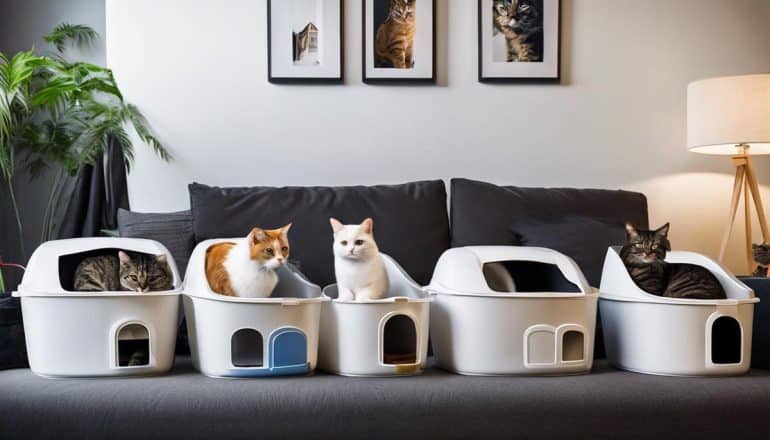
When it comes to making a home for all residents, including our adorable feline companions it’s crucial to find the perfect litter box. Cat owners understand that a contented cat leads to a household. In the quest for a litter box it’s essential to take into account what cats find appealing while also considering practicality and cleanliness from a human perspective. Now lets dive into exploring the various types of litter boxes that will make your cat show gratitude, with extra purrs and affectionate headbutts.
Open Litter Boxes:
Sometimes simplicity comes out on top. A lot of cats prefer using an open litter box because its easier to get into and provides ventilation, which helps in keeping odors under control. Additionally an open design enables cats to keep an eye on their surroundings fulfilling their need, for security.
Covered Litter Boxes:
Covered litter boxes are an option for ensuring some privacy for both your feline friend and your family. These clever enclosures not hide the litter and control odors but also prevent litter from spilling outside the box. It’s, like having a bathroom for your cat!
Top-Entry Litter Boxes:
Got a cat? A litter box with an entry can bring some extra excitement to your furry friends bathroom visits. This type of design also helps minimize the mess caused by scattered litter and’s a great choice for households, with dogs that tend to treat litter boxes like an all you can eat buffet—definitely not appetizing!
Self-Cleaning Litter Boxes:
Self cleaning litter boxes are a godsend for parents. They offer convenience by automatically scooping away waste keeping the litter fresh for longer periods. It’s important to note that certain cats may require an adjustment period to become accustomed, to the movements and sounds involved.
Size Matters:
Regardless of your preference the size of the litter box is essential. Ensure that it provides space for your cat to comfortably turn around scratch and squat without feeling confined. A general guideline is to select a litter box that’s at least 1.5 times the length of your cat, from nose to tail.
High-Sided Litter Boxes:
Sided litter boxes can be a great solution for cats that have a penchant, for digging all the way to China. They help prevent the surrounding area from being showered with litter and provide depth for cats to fully cover up their business.
Material Matters:
Opt for litter boxes crafted from absorbent materials to prevent unpleasant smells and unsightly stains. Generally robust and resilient plastic is a choice that also simplifies the cleaning process.
Make sure to position the litter box in an less busy spot where your cat feels secure. The idea is to establish an environment that makes your kitty feel relaxed and at ease. By following these suggestions and keeping the litter box clean you can guarantee that your cats bathroom trips are nothing, than luxurious.
Discovering the litter box can be an enjoyable exploration of understanding your feline companions preferences. Embrace the process of finding what suits your furry family member best and savor the tranquility that comes with an well cared for pet. Enjoy your search, for the ideal litter box!

Selecting Cat-Friendly Litter
When it comes to taking care of a cat, one of the important things for their well being and contentment is teaching them how to use a litter box. While choosing the right litter box is crucial we should also consider the type of litter they prefer. It’s not just about what looks good to us humans; it’s about considering what appeals, to their feline instincts.
Choosing the Right Litter Type: A Sensory Experience for Your Cat
Lets start by thinking about the texture. Similar to how humans have their preferences when it comes to mattresses cats also have their own preferences, for the feel of their litter. Cats generally tend to prefer textures that resemble sand because they closely resemble the natural environments they instinctively seek out for eliminating waste especially for kittens who are naturally drawn to them.
Fragrance or Fragrance-Free: Following the Cat’s Nose
Cats have a stronger sense of smell than humans so heavily scented litter can be overwhelming for them. It’s best to use a scented or completely fragrance free option to create a welcoming environment that they will want to come back, to.
Clumping vs. Non-Clumping: The Great Debate in Absorbency
Clumping cat litter is popular because its easy to clean. It forms little clumps that can be easily scooped away making maintenance simpler. Non clumping litter also works well. It requires more effort, with frequent changes to ensure hygiene and comfort are maintained.
Dust-Free Options: Keeping It Clean
Dust may not seem like a deal but in the grand scheme of things using litter with minimal dust or no dust at all helps create a cleaner environment. It’s not beneficial for the respiratory health of cats but also, for human family members, especially those who suffer from allergies.
The Natural Touch: Biodegradable Options
Increasingly more families are opting for environmentally friendly alternatives. These options not align with our eco conscious values but also utilize materials such as pine, corn or wheat. Notably these materials provide a touch on paws and are more enticing, to a cats senses.

Trial and Run: Let the Cat Decide
In the end it’s the cats who have the say. Figuring out their preferred ‘lairtfare’ might take some trial and error. Keep an eye, on your cats behavior. If they’re avoiding using the litter box it could be because of the type of litter being used.
The Takeaway: Harmony in the Litter Box
The aim is to create an environment in the litter box. The type of litter you choose can greatly impact this training phase either providing a safe haven or becoming a source of disagreement, for your furry family member. Once you have selected the appropriate box and determined its location it is time to carefully fill it with the litter that will surely satisfy your cats discerning taste. Make your choice wisely as gaining your feline companions approval is the reward.
Litter Box Training Techniques
Now that you have the fundamentals sorted out when it comes to litter boxes and the various types of litter available lets move on to techniques that can assist your cat in comfortably adjusting to their new bathroom space!
To ensure litter training it is crucial to begin the process early particularly with kittens. Cats are known for their nature and the earlier they are introduced to litter training the more natural it will become for them.
When it comes to adult cats, those who may be adjusting to a different kind of litter box or litter patience is crucial. It’s important to offer reinforcement when they use the litter box correctly. A small reward or some affection can really help in encouraging them to continue with this behavior. However it’s important not to punish your cat for accidents as they might start associating the litter box with emotions, which won’t be helpful at all.
To help your cat become familiar, with the litter box try placing them in it after their meals when they’re most likely to need to go. Use your fingers to scratch their front paws in the litter imitating their natural digging motion. Don’t be concerned if they hop out away; it’s all part of the learning process.
Also if you have cats, in your house make sure you provide each cat with their own litter box and an extra one. Cats can be territorial so giving them their designated space can avoid any conflicts or accidents.
Sometimes cats can become hesitant to use their litter box because of reasons. If you notice that your cat has stopped using their litter box it is crucial to consult a veterinarian. This is important to rule out any health issues such, as urinary tract infections, which can affect their usual habits and discourage them from following their regular routines.
Lastly to ensure a transition it’s important to maintain consistency. Once you discover a spot for the litter box try to keep it in the same place. Also avoid changing the type of litter your cat is accustomed to once you find one that they prefer. Consistency plays a role in reinforcing their habits and minimizing any unnecessary changes, for your feline friend.
Incorporating these tactics will ultimately result in a content feline and a peaceful household, where your cherished companion knows where to go when they need to relieve themselves. Bear these concepts in mind. You’ll be on the right track towards achieving success, with the litter box.
Properly teaching your cat to use the litter box is a part of being a pet owner. It sets the stage for a home thats free from unpleasant odors. By selecting the right litter box and litter along with consistent and patient training methods you can help your cat develop habits when it comes to using their litter box. Remember, it’s important to show empathy, understanding and a little bit of patience when encouraging behaviors in our feline friends. By following the tips we discussed you’ll create an environment for your cat that ensures both of you are happy and strengthens your bond as companions, for many years to come.