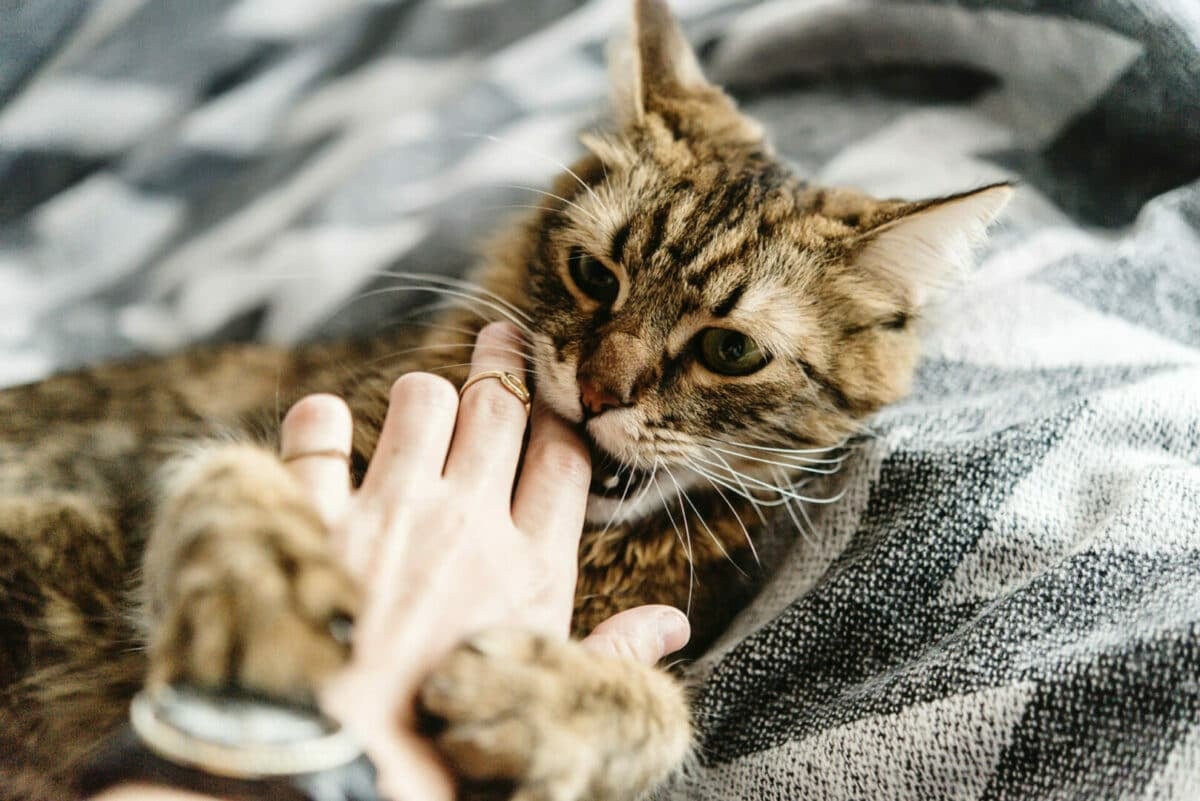
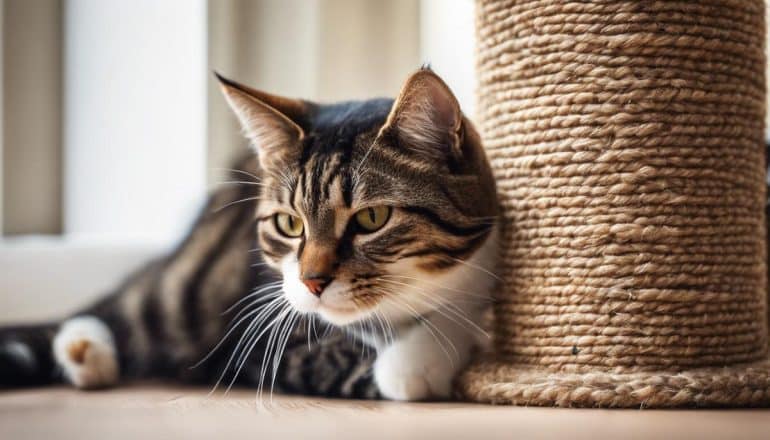
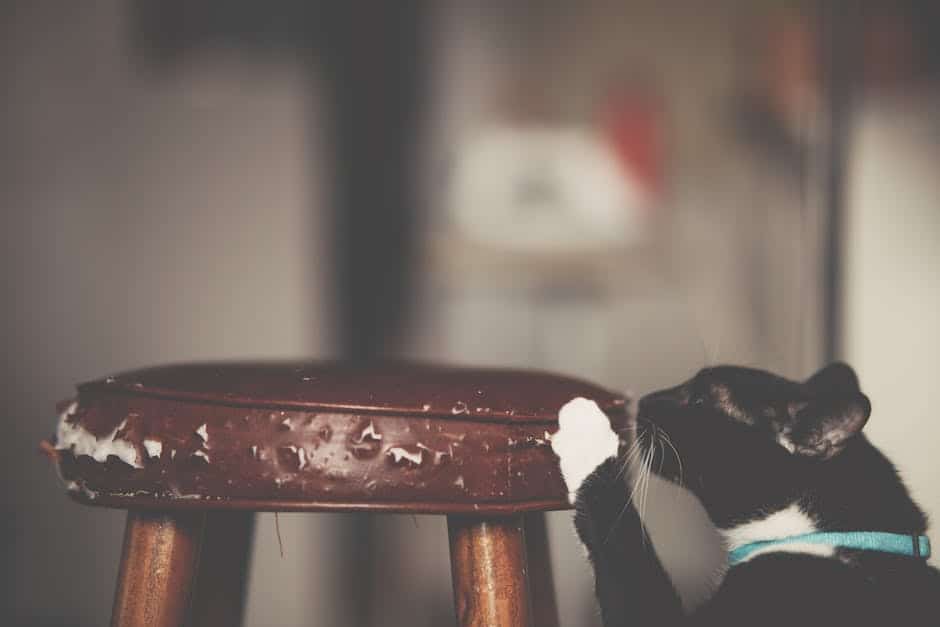
If you’re someone who owns a cat chances are you’ve come across your companions natural inclination to scratch. It can be frustrating to see those scratch marks on your furniture. Understanding why cats behave this way is the first step towards creating a harmonious living space. Scratching is a behavior for cats that serves multiple purposes; it allows them to mark their territory stretch their entire bodies and keep their claws in good health. By acknowledging and catering to these instincts you can create a home environment that meets your cats needs while also safeguarding your belongings. This essay delves into the world of behavior offering insights and practical advice, on how to channel your cats scratching tendencies into a non destructive habit.
Understanding Cat Behavior and Scratching Needs
Decoding Your Cat’s Scratching Habits – A Family-friendly Guide
Hello fellow. Pet enthusiasts! Wouldn’t it be wonderful to know why our beloved feline companions feel the need to sharpen their claws on any surface within their reach? Unraveling the mystery, behind our cats scratching instincts not helps us maintain a harmonious and scratch free home but also ensures the happiness and satisfaction of our furry friends.
Scratching is like the way cats socialize, similar to how we interact in group chats. Those little claw marks aren’t just for redecorating their environment; they serve as a way for cats to communicate with each other. Cats have scent glands in their paws so when they scratch they leave both a mark and a scent signal for other cats. It’s like posting a status update, for any cat that enters their territory.
Not only is scratching a billboard for scent messages, but it also serves as a fantastic full-body workout. Cats need to keep their hunting skills sharp (pun intended!) even if the only prey they’re stalking is a toy mouse. Streeeetching out and digging their claws into something gives them a good muscle stretch and keeps their clawing skills in tip-top shape.
We adore our little pawsitively adorable home-destroyers, don’t we? Scratching also keeps their claws in excellent condition. It helps to remove the dead outer layer of their claws, revealing a sharp new claw underneath. Think of it as a kitty-manicure, ensuring they stay prim and proper (and that they don’t snag that favorite blanket).
Understanding these needs of our feline companions leads to harmony. Eager to save that new couch from becoming modern art? Introduce scratching posts or pads throughout the house, particularly near their favorite afternoon nap spots. When kitty feels the urge, they’ll have an appropriate outlet that doesn’t involve home furnishings.
Remember, scratching is as natural to cats as kids are to mischief. It’s all part of the beautiful chaos of family living – and with a bit of insight, we keep the peace and the furniture intact. Now it’s time to get back to life’s next adventure – the daily treasure hunt of finding the least expected places our cats decide to scratch!
Happy parenting and pet-loving! Keep those purrs coming and the furniture intact!
Providing Appropriate Scratching Posts
The Ultimate Guide to Picking the Purr-fect Scratching Post for Your Feline Friend
Ah, fellow parents of the four-legged, furry variety – are we not all familiar with the symphony of scritches and scratches echoing through our homes? While we’ve already dived into the why’s of our cat’s need to scratch, the real conundrum often lies in how to best accommodate this instinctive behavior. Fret not, for today is all about the how – choosing and positioning scratching posts that will have your kitties purring in delight, and your furniture sighing in relief.
Picking the Cat’s Meow of Scratching Posts
Consider Material and Texture: Cats are individuals with preferences as varied as our own. While some feline connoisseurs prefer the rugged allure of sisal, others might fancy the snug coziness of carpeted posts. Observe what textures your cat gravitates towards in their daily scratch-a-thon.
Height Matters: Have you ever watched in awe as your cat reaches and stretches to their heart’s content? Mimic this stretchy bliss with a tall scratching post. Cats love to fully extend their bodies, so a post that’s at least as tall as your cat’s full stretch – from paws to tail – is ideal.
Stability is Key: A wobbly post that threatens to topple over with each enthusiastic scratch is a no-go. Seek out a sturdy base that promises a secure scratching experience. After all, confidence in their equipment is essential for any serious scratcher.
Multiple Options: Cats cherish variety. Placing several posts with different textures and heights around your abode not only prevents boredom but also keeps those claws away from the loveseat.
Positioning for Happiness
Near Their Favorite Hangouts: Place scratching posts in areas your cat frequently visits. Much like us with our cozy reading nooks, cats appreciate the convenience of having their scratching spot within paw’s reach of their favorite lounging locations.
Visible Yet Unobtrusive: Place the posts in an area that caters to your home’s flow. Scratching posts shouldn’t be an obstacle course for the household. A corner spot in the living room or near a sunny window ledge often does the trick.
Enticing the Skeptics: Sometimes, cats might not take to a new scratching post right away. Encourage exploration with a sprinkle of catnip or a dangling toy around the post. Once they associate the post with fun and enjoyment, they’ll be more inclined to use it.
Remember, Scratching Is Celebratory: Position scratching posts in social areas where your family gathers. Scratching isn’t just a solo affair; it’s a way for cats to express their excitement and inclusion in family activities. A well-situated post in the mix of things says, “We’re all in this together, whiskers and all.”

In essence, scratching posts are more than just claw-sharpening stations; they are your cat’s personal gym, communication channel, and a testament to their well-being. By tuning into your cat’s preferences and thoughtfully selecting and situating scratching posts around your loving home, you’ll ensure a harmony that resonates even deeper than the heartiest of purrs.
And remember, at the end of the day, the joy isn’t just in furnishing a need but in witnessing your cat’s contentment as they embrace their natural behaviors in a space that cherishes their every quirk and whisker-twitch. Now, isn’t that the cat’s pajamas? Happy scratching post hunting, dear cat parents!
Training and Positive Reinforcement
One often wonders how to train their flourishing feline to use a scratching post instead of practicing their natural art on the living room sofa. A beloved cat’s urge to scratch can wreak havoc on cherished household items, but there’s a way to steer those little paws towards a more appropriate canvas. Here are some steps to help redirect their scratching instincts to the right place.
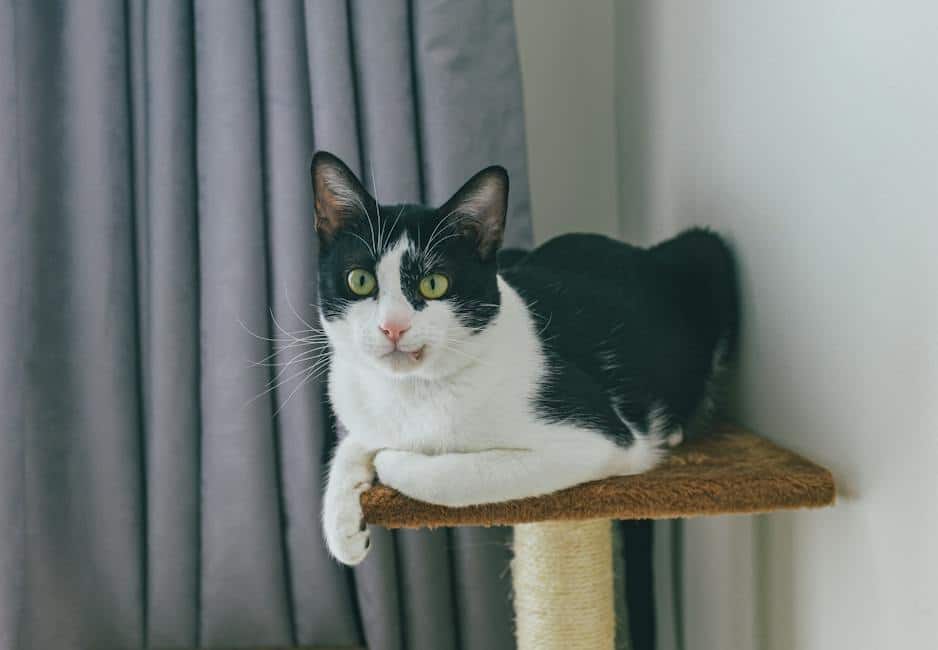
Firstly, invest in a high-quality scratching post that is both appealing and practical for your cat’s needs. Cats have their preferences, and some may enjoy a coarse texture like sisal, while others may prefer the softer touch of carpet or cardboard.
Once you’ve made the perfect selection of scratching posts, set them up in alluring spots. A good tip is to observe where your cat frequently scratches and place the posts nearby. Cats are likely to scratch more in areas where the family spends a lot of time, so placing scratching posts in or near those communal rooms can be tremendously effective.
The next vital step is to make those scratching posts enticing. Catnip or silver vine can be sprinkled on the posts to attract your curious critter. Affectionate scratches and praises when your cat uses the post will also go a long way in creating a positive association.
Moreover, deterrents can be helpful in the early stages of training. Double-sided tape or foil can be temporarily placed on furniture to discourage undesirable scratching behavior. This, combined with immediately redirecting them to the scratching post when they attempt to claw at furniture, reinforces the idea that the post is the best spot for a good scratch.
Remember, patience is key. Training a cat to alter their scratching habits won’t happen overnight. Stay consistent, shower them with love and soon enough, those impressive scratching posts will become the go-to for those kitty manicures.
Creating a loving environment for our feline friends includes understanding their natural behaviors and offering them appropriate outlets for those behaviors. With these tips and a dose of consistency, your cat will soon be scratching happily—and your furniture will thank you.
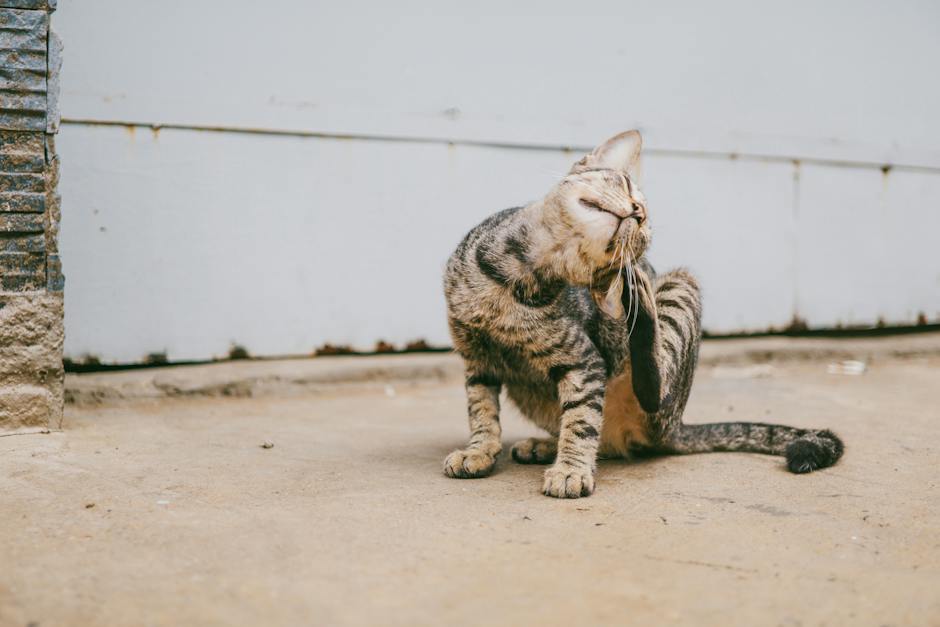
As we have explored, successfully redirecting a cat’s scratching habits hinges on understanding feline behavior, offering suitable alternatives, and reinforcing good behavior with positivity. By implementing the right strategies and maintaining patience, your cat can learn to embrace their designated scratching posts and leave your furniture in peace. Remember, it’s about communication and compromise. With time, you and your cat can develop a harmonious living situation where both of your needs are met and respected, leading to a happier home for everyone involved—feline and human alike.