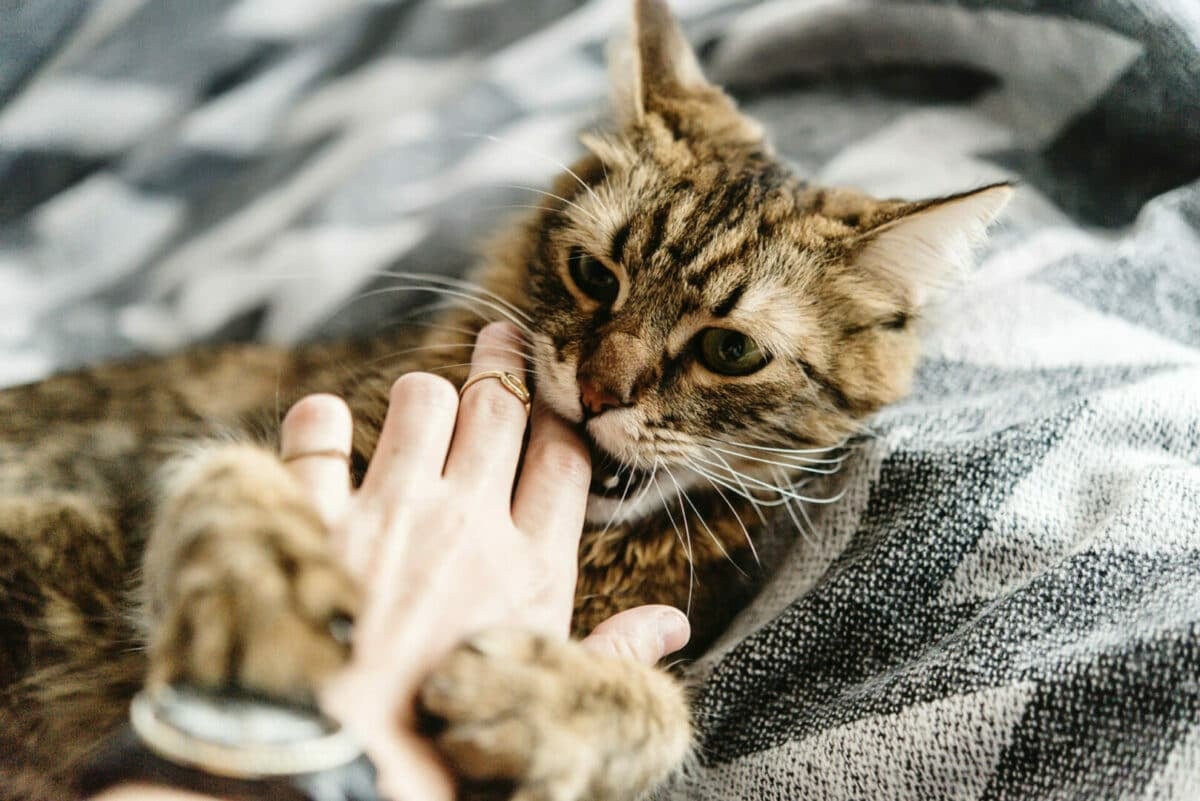

Cats, known for their reserved and independent nature, also exhibit a playful side that not only reveals their instinctual behaviors but also provides an opportunity for us to bond with them. It is through play that cats mimic their predatory behaviors such as stalking, pouncing, and hunting, which are not only entertaining but also crucial for their physical health and mental well-being. The best way to tap into this playful side is to understand what drives these behaviors and choose the right interactive toys that can stimulate their natural instincts. Furthermore, establishing a consistent play routine is just as vital, as it ensures that your beloved feline friend stays entertained and active while accentuating your bond with them.
Understanding Cat Play Behavior
Unlocking the Secret to Feline Fun: Enhancing Playtime Through Understanding Your Cat’s Behavior
When it comes to family life and homemaking, one can’t deny the significant impact of our furry friends. They bring joy, companionship, and a certain degree of comfort that contributes to the warmth of a loving home. Amidst the hustle and bustle of parenting and managing household affairs, allowing time for connecting with our domestic feline companions becomes most important.
Understanding the behavior of these nimble creatures not only helps in strengthening the bond but also significantly enhances playtime, making it profoundly enjoyable for both parties involved.
Before jumping into the tricks of the trade, it’s noteworthy to remind everyone that cats aren’t just adorable companions— they’re also agile predators. This evolutionarily ingrained trait remains even in domestic cats, making playtime a simulated ‘hunt’. This can help explain many behaviors your cat might exhibit during play.
Here’s how understanding these behaviors can improve playtime:
- Recognize the ‘hunt’ pattern: Your cat’s play typically follows a particular pattern – stalking, pouncing, and ‘killing’. Incorporating toys that stimulate this instinct, such as laser pointers, feather teasers, or other interactive toys, can keep your cat engaged and satisfied.
- Monitoring Body Language: Cats communicate a lot through their body language. A twitching tail usually signals excitement or agitation, while a relaxed cat may have its tail straight up with a slight curve at the end. Identifying these cues will allow you to adjust play to their current mood.
- Understand the cat’s communication: Cats, unlike dogs, don’t usually vocalize a lot. If your cat becomes vocal during playtimes, it could signal over-excitement or frustration. By understanding this, you can adapt to make sure playtime remains a positive experience.
- Learning their preference: Every cat has a unique personality and individual preference when it comes to toys and style of play. Some might like slow-moving toys, while others might enjoy fast-paced chases. Understanding what your cat loves will save you from investing in play-items that bore them.
- Scheduling play sessions strategically: Cats in the wild usually hunt around dawn and dusk – a habit domestic cats retain. Scheduling playtime around these periods when your cat’s hunting instincts are naturally at their peak can improve engagement significantly.
- Consider multi-sensory toys: Cats use their sense of sound, sight, and touch when they ‘hunt’ during play. Toys with varying textures and sounds, or the ones that move unpredictably can increase your cat’s interest and significantly enhance the playtime.
The wisdom behind enriching playtime with our cats lies not just in the resulting bonds or a happier pet, but also in an active and mentally stimulated feline. This can mean fewer behavioral issues and a peaceful home atmosphere. Happier pets create happier homes, and what’s better than a household brimming with joy, love, and exuberance?
Remember, take time from those loads of laundry, planning meals, and tending to children, and connect with your feline friend. Understanding your cat’s behavior and incorporating it into their play regime isn’t a daunting task, but a journey full of joyous rewards. As a community focused on family, love and companionship, let’s not forget our four-legged members as we navigate this journey of parenting and homemaking.

Photo by michaelsum1228 on Unsplash
Choosing the Right Toys
Selecting Safe and Stimulating Toys for your Feline Friend
Cats love playtime and it’s essential for their mental and physical health. Choosing the right toys for your furry friend can sometimes feel overwhelming with the multitude of options available. However, the primary objective is ensuring the toys are safe and fulfilling for your cat. Here are a few pointers to guide you.
The first rule of thumb when it comes to cat toys is size matters.
You certainly don’t want your cat inadvertently swallowing a small toy, so avoid anything that can easily fit in your feline’s mouth. Larger toys that move around, such as teaser wands or balls with bells inside, capture kitty’s attention without posing a choking hazard.
Materials and construction are equally significant considerations. Opt for toys made of non-toxic, pet-safe materials. Make sure that they are well-made and durable, without any small, loose parts that a cat might chew off and swallow. Also avoid toys with string, ribbon, or yarn as these can also be swallowed or get caught around a cat’s neck.
Reflect on the type of play your cat enjoys most. Does your cat go crazy for laser pointers or do they prefer the thrill of chasing a motorized mouse? Cats have a natural instinct to stalk and chase, so toys that move unpredictably are great for mimicking the movements of prey. However, always supervise play with these types of toys to prevent excessive pouncing that might lead to injury.
Next, think about your cat’s personality and age. For more mature cats, slower, gentler toys may be appropriate, whereas kittens might prefer something energetic and speedy. Interactive toys engage both youthful and senior cats physically and mentally. Puzzle toys for instance, where they have to figure out how to get a treat, can help keep their mind sharp and satisfy their natural curiosity.
Food-related toys can also be a way to stimulate your cat’s hunting instincts while controlling their diet. Safe, refillable toys designed to dispense small pieces of dry food or treats are ideal. These types of toys can simulate the thrill of the hunt and create a fun, rewarding playtime session.
Last but not least, remember that variety is the spice of life, even for cats. Rotate toys regularly to keep your feline friend interested and engaged. What may be your cat’s favorite toy this week might be old news next week.
Choosing the right toys for your cat can provide not only hours of entertainment but also important exercise and mental stimulation. Keep these tips in mind while shopping and you will surely find a selection of safe, appropriate toys that both you and your furry friend will love. Ultimately, it’s about enjoying playtime together and enriching the wonderful bond you share with your cat. Happy playing!
Photo by madhatterzone on Unsplash

Creating a Play Routine
In line with our exploration of effective cat parenting, let’s delve into the significance of having a regular play routine for our feline pals. Just like with kids, establishing a routine for our fur babies provides stability, predictability, and comfort, allowing them to be assured that their needs are well catered for.
Whiskers and paws aside, cats are energetic beings where playtime serves as a crucial outlet for their life zest. They need regular playing sessions not just for amusement but also for ensuring their overall well-being. A consistent play routine, hence, helps to keep them in good shape and promotes their mental agility. Indeed, just as exercise is an integral part of human life, so too should it be for our cat companions.
Moving to the ‘how’, the first ingredient in developing a play routine is consistency. Choose a time that suits both you and your feline friend, keeping in mind their energy peaks – usually in the mornings and evenings. Another cornerstone is variety. Just as we may become bored of the same old routine, cats, too, appreciate diversity in their gameplay. This is where the creative side of parenting comes in. Repetition can quickly dim the spark of the most exciting games, hence, a variety of toys and games could be instrumental in keeping your cat engrossed during playtime.
The expanding market of cat toys nowadays offers an incredible array of choices. While some are solitary play objects, others are designed to foster interaction between the cat and their human parent. Still unsure of the best toy for your cat? Fear not! The cornerstone here is to go for toys that best match your cat’s preferences based on their unique personality, age, and type of play they enjoy.
One of the highly praised types of toys that you may want to consider are interactive or puzzle toys. These not only keep your kitty physically frolic but also mentally stimulated. Play sessions double up as problem-solving challenges, providing your cat with a healthy workout for both their body and mind.
And for cats with an entrenched hunting instinct, food-related toys can serve a dual purpose. Firstly, they can stimulate that primal hunting urge, and secondly, through portion control, they can maintain a healthy diet.
Last but not least, while your feline faithful might have a certain all-time favorite toy, regular rotation of toys is often advised. Too much of the same toy can lead to boredom and disinterest, while bringing in new substitutions can rekindle their curiosity and stimulate investigation.
While a plethora of toys on the market may make selection daunting, safety should remain paramount. Always consider the size, materials, and construction of toys to avoid any accidents. After all, the adage ‘safety first’ applies as much to our feline companions as it does to humans.
In sum, establishing a routine of fun, safe, and engaging play sessions can dramatically enhance the bond between you and your furry friend. Not only does this keep them energized and inquisitive, but it also contributes to their overall well-being. A little investment of time and thought into playtime can go a long way in creating a happy and healthy environment for your feline companion.

Playing with your cat certainly goes beyond simple amusement. It incorporates a deep understanding of their behavior and the adoption of the right toys to make the process engaging yet safe. It’s about appreciating the unique ways cats explore their world and interacting in a manner that pays homage to their instinctual preferences. Moreover, developing a routine ensures a regular outlet for their energy and curiosity, besides contributing to their overall wellness. Therefore, not only does interactive play cater to your cat’s physical health, but it also nurtures a strong, loving bond between you and them; a connection that is as rewarding as it is enriching.