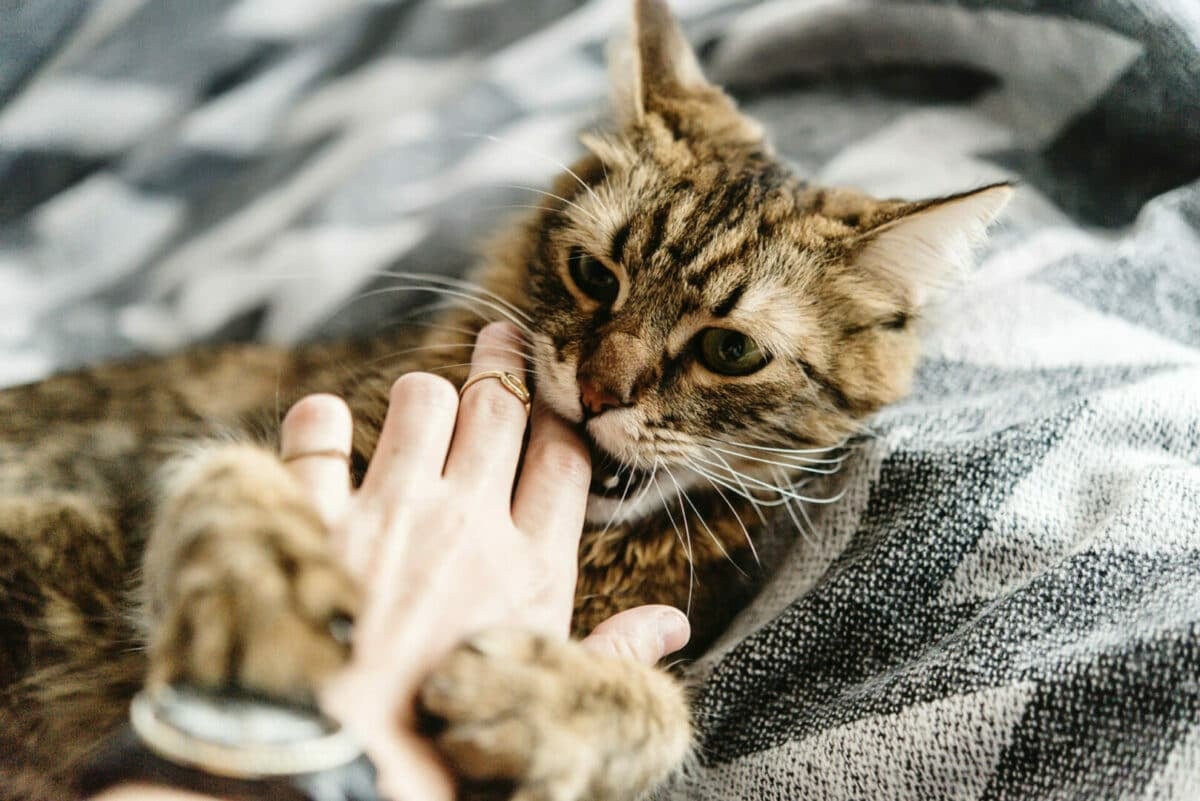
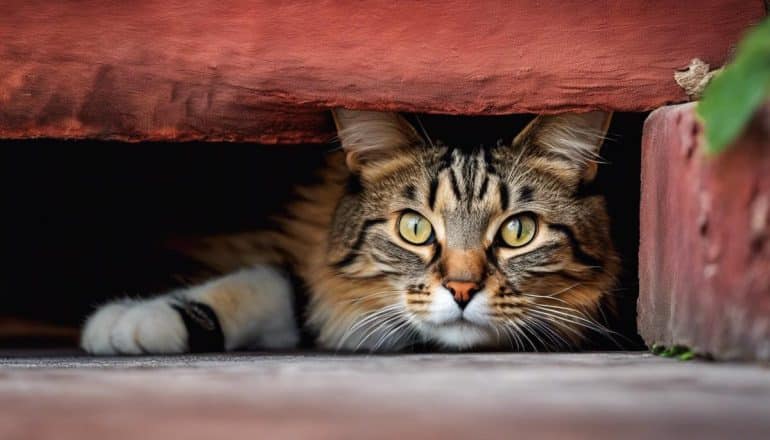
In the world of cats, fear is a natural response to perceived threats and unknown elements, whether they come in the form of unfamiliar objects, strange sounds, or new people. Like any loving cat owner, one of your primary concerns is how to properly navigate these fears to ensure the comfort and well-being of your furry friend. To do this, you must first gain a clear understanding of what triggers these worries, and the behavioral patterns exhibited by your cat when in fear. An in-depth knowledge of their anxiety signs is a crucial step as it paves the way for the creation of effective comfort strategies. Hence, this discussion will illuminate the common reasons behind feline fear, the physical and emotional reactions of cats, how to recognize signs of an anxious or scared cat, and breakthrough methods of comforting a scared cat. Furthermore, it will explore the process of gradually desensitizing your cat to its fears and creating a serene safe haven that minimizes fear-inducing elements.
Understanding Feline Fear
Understanding Feline Fear: Causes and Manifestations
Hey there, lovely readers! If you’re a cat parent or you’re thinking about inviting a furry feline friend into your home, this article is specifically crafted for you. As dedicated homemakers, we appreciate the importance of a harmonious household for all family members, including our precious pets. Let’s explore the intriguing subject of fear in cats, discussing what causes it and how it can manifest.
Cats, like us, are capable of experiencing fear. This emotion isn’t unique to us humans; it’s how our feline friends process potential threats in their surroundings. When faced with unfamiliar or threatening situations, fear helps protect them by initializing the fight, flight, or freeze response. Now, let’s dig into what triggers fear in our furred companions.
The environment plays a significant role here. New surroundings, sudden noises, strange people or other animals, and visits to the vet could make your cat nervous or frightened. Particular objects or circumstances that were associated with traumatic experiences can also inspire fear.
Furthermore, lack of early socialization can lead to fearfulness in cats. Kittens that aren’t exposed to various people, animals, and environments during their initial weeks of life may react fearfully when encountering these elements later on.
Now that we understand what can cause fear, noticing when a fear reaction is taking place is vital. Cats may display fear in several different ways and recognizing these signs is the key to helping them cope.
One clear sign is a change in body language. Your cat might puff up its fur, arch its back, flatten its ears, or hiss when fearful. It might also grow quite still and try to make itself look smaller, or conversely, it might flee from the perceived threat.
Changes in behavior can also signify distress. A normally outgoing cat might start hiding more regularly, refuse to eat, or appear visibly jumpy. Another common sign is inappropriate urination or defecation outside the litter box.
Knowing and understanding what scares our feline family members is part and parcel of being a pet parent. Recognizing the signs of fear can help us to address the issue promptly, reassuring our kitties and making changes in their environment as necessary.
Remember, it’s essential to treat a scared cat with compassion and patience. Reassuring them that they’re safe and secure can go a long way in helping them conquer their fears. Reach out to your trusted vet if the fear persists, as there might be underlying health issues causing anxiety in your pet.
In the joys of family life and homemaking, our feline companions add their own unique charm and comfort. Understanding their fears brings us one step closer to returning all the love and warmth they so unconditionally give us. So, fellow cat parents, let’s continue to create safe, welcoming havens for our adored pets.
Happy homemaking, cat-loving families! Always remember, love is indeed a four-legged word.
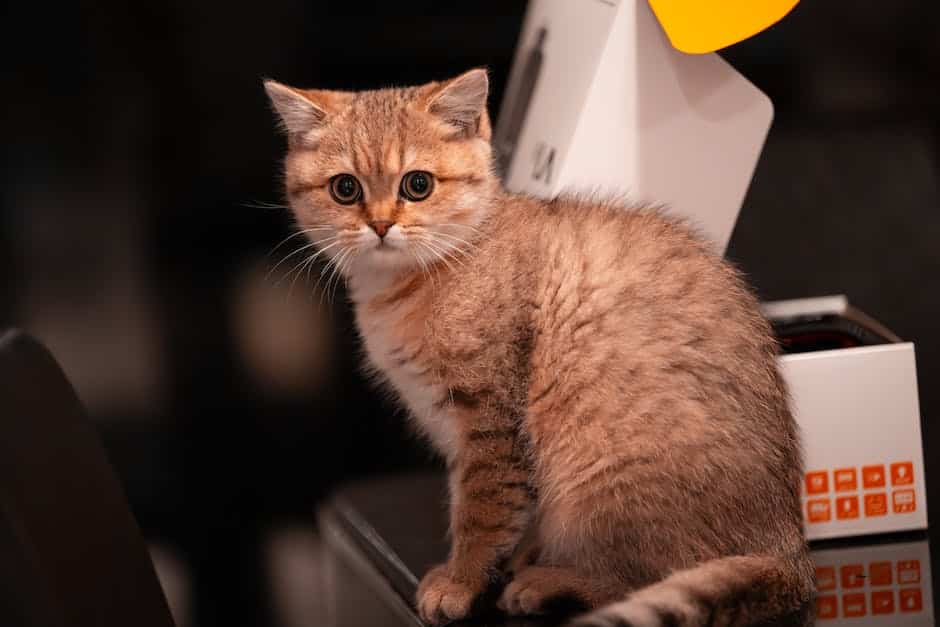
Strategies to Comfort A Scared Cat
Title: Nurturing a Fearful Feline Friend: Comforting and Caring Essentials
In our earlier discussions, we’ve touched on the significance of a peaceful home for our feline friends. We dove into the triggers that can cause fear in cats, the role of environmental factors, as well as the effects of insufficient socialization during their early years. We’ve talked about signs to look for when they’re frightened, approaches to help them manage their fears, and the importance of patience and kindness during these trying moments. Plus, we shed some light on when to seek help from a professional.
But now, let’s shift gears a bit and focus on specifically how to provide comfort to our scared cats. These tips are essential and effective in easing their anxieties.
- Create a Safe Space: To ensure a scared cat feels safe, provide them with secluded places where they can hide. These can be anything from an empty cardboard box to a dedicated cat house. Remember that these spaces should be easily accessible to them but not to other pets or children in the house.
- Keep the Ambiance Calm: Limit loud noises and sudden movements around your cat. These can exacerbate their fear. In fact, it can be beneficial to play some soft, soothing sounds or classical music to help them relax.
- Use Comforting Scents: Feline pheromone diffusers or sprays can help to soothe your cat. These products mimic the natural pheromones a cat produces when they’re comfortable and content. This aids in reducing stress levels and promoting feelings of security.
- Respect their Space: Don’t force interaction; let your cat come to you. When they do approach, reward them with gentle petting, using slow and calm strokes. Over time, this shows them that interaction isn’t threatening and can actually be comforting.
- Maintain Routine: Consistency is key. Cats are creatures of habit and having a predictable schedule can greatly reduce their fear responses. Regular feeding times, play sessions, and grooming can all provide a sense of routine and stability.
- Incorporate Playtime: Encourage your scared cat to play. Interactive toys can improve confidence and distract them from their fears.
- Positive Reinforcement: Positive reinforcement should be a part of your approach. Reward good behavior and bravery with praise, petting, or treats. This helps to assert the idea that certain actions are safe and can even bring rewards!
- Using Calming Collars or Wraps: There are calming products designed specifically for pets, such as ‘anti-anxiety’ wraps or collars, that may provide added security and reduce fearfulness.
Remember, like individuals, cats respond differently to fear and various methods of comfort. What might work for one cat might not work for another. Though these tips can indeed help, if the fear continues or starts to affect their health, do not hesitate to seek advice from a veterinarian or a certified pet behaviorist. Welcoming their professional guidance can greatly influence your scared cat’s journey towards being fearless and content!

Preventing Future Fear Reactions
Preventing fear in your cats is less about a singular act and more about maintaining a consistent lifestyle that prioritizes their comfort and security. Here are some ways you can create an environment that revokes fear and promotes confidence in your feline companions.
-
Ensure there’s always a quiet retreat available for your cat. This could be a dedicated room with their favorite blanket, a cozy corner, or even a particular piece of furniture they find comforting. Your cat’s safe space is undisturbed and tranquil where they can retreat to whenever they feel frightened or stressed.
-
Indoors, maintain an atmosphere of calm and peacefulness. Loud noises, quick movements, or sudden changes can startle a cat and trigger fear. This applies not only to other family members but also to guests. Gently remind visitors to interact calmly and quietly with your cat until they get used to their presence.
-
Comforting Scents, particularly those of pheromone plug-ins or sprays, can help reduce anxiety and promote a sense of safety. Pheromone products mimic the scent markings that cats naturally leave when they rub their faces against surfaces, signaling security.
-
Remember that cats, like humans, value their personal space. Instead of forcing your cat into interactions, let them approach on their terms. This respect for their autonomy helps boost their confidence.
-
A steady routine provides predictability, which can be very soothing for your cat. Feed them, play with them and snuggle with them at consistent times each day. Know that stability in your cat’s daily activities prevents fear from setting in.
-
Engaging your cat regularly in interactive playtime not only provides exertion, but it also builds confidence. Play allows your cat to exercise their stalking and hunting instincts, which can aid in relieving anxiety and stress.
-
Employ positive reinforcement, rewarding your cat when they show bravery or engage in desired behaviors. This could be treats, words of praise, or even a gentle caress. Positive reinforcement can be a powerful tool in reducing fear and boosting confidence.
-
Sometimes, your cat may need a little extra help to overcome their fear. Calming collars or anxiety wraps
can be helpful tools. They use your cat’s body heat to release a calming pheromone, which can help to reduce fear and anxiety. -
Should all else fail, remember there is no shame in seeking professional help! If the fear continues and doesn’t seem to improve, consult a veterinarian or a feline behaviorist. They can provide further insight into your cat’s fears and offer more tailored strategies for helping your scaredy-cat regain their confidence.
Fear in cats can range from mild to severe, but taking consistent measures to ensure their comfort can make a world of difference in preventing future occurrences. Show appreciation for your cat’s unique personality while gently guiding them towards more confident behavior. It is an act of love that can make a significant impact on your kitty’s well-being.
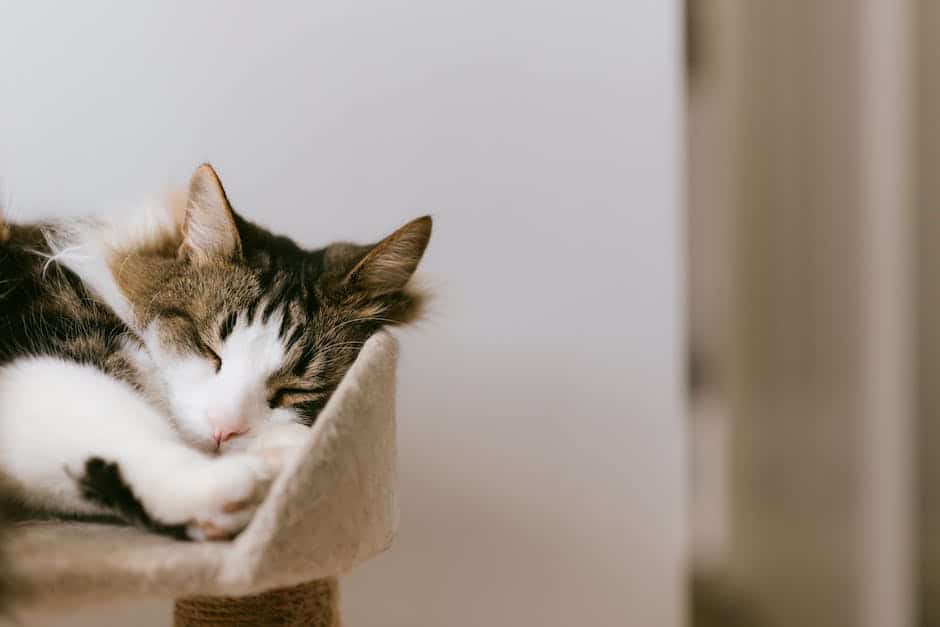
Ultimately, fear in cats can be dealt with effectively by escalation, starting from understanding the root of their fear up to implementing strategies for reducing future fear reactions. The journey may seem arduous as it requires patience and dedication, but the results are deeply rewarding. You can help your cat live a less anxious and more comfortable life. When in doubt, remember that seeking expert advice from trained professionals can provide you with a more personalized plan in handling your cat’s anxiety. So, be patient, be observant, and never stop learning – your feline friend is relying on you to help navigate their fears and anxieties. With the right approach, a scared cat can become a fearless and jovial companion offering endless joy and companionship.