Embracing the sometimes challenging task of bathing a cat requires quite a bit of preparation, understanding, and patience. Here, we delve into the idiosyncrasies of cat behavior, especially when exposed to potentially stressful scenarios like bathing. We’ll learn how to identify signs of anxiety in cats, as well as techniques to pacify these sweet creatures throughout the grooming process. In addition, this guide will cover how to adequately arrange for a successful cat bath, detailing what necessities you’ll want close at hand, the ideal environment to create, and the optimal timing for the bath. Then, we’ll explore the actual steps of bathing a cat, from safeguarding their delicate regions, to efficiently washing, rinsing and drying them off.
Understanding Cat Behavior
Understanding Cat Behaviors: Spotting Signs of Stress During Bath Time
Dear stressed-out cat-parent,
We know cats can be mysterious creatures and the process of bathing them could get somewhat complicated. It can be tricky to understand exactly what our feline friends are trying to communicate. This guide aims to demystify some common cat behaviors and shed light on signals that might suggest your cat is experiencing stress during bath time.
Firstly, let’s understand the basic fact that most cats are not big fans of water. Cats are incredibly self-sufficient groomers, and they often don’t need the same bathing routine as our canine buddies. However, there may be times when a bath is essential for hygiene reasons, or to clean a mischievous cat that got into something sticky or dirty.
So what does a stressed-out cat look like during bathing?
- Pupil Dilation: Cats’ eyes can say a lot about their emotional state. If you notice your cat’s eyes are wide and the pupils are dilated, it signifies fear, surprise, or stimulation – all indicative of a stressed cat.
- Vocalizations: While some cats are chattier than others, repeated, loud, or unusual vocalizations like yowling, hissing, or growling during bath time is a strong indicator that your cat is not enjoying the experience and is potentially feeling stressed.
- Ears Back or Flattened: Cats tend to flatten their ears against their head when they’re fearful or anxious. If you see this behavior, it may suggest your cat is feeling stressed.
- Escape Attempts: If your cat is trying to claw their way out of the tub, jumping out of your hold, or running away when they see the tub filling up, they are clearly articulating their displeasure with bathing scenario.
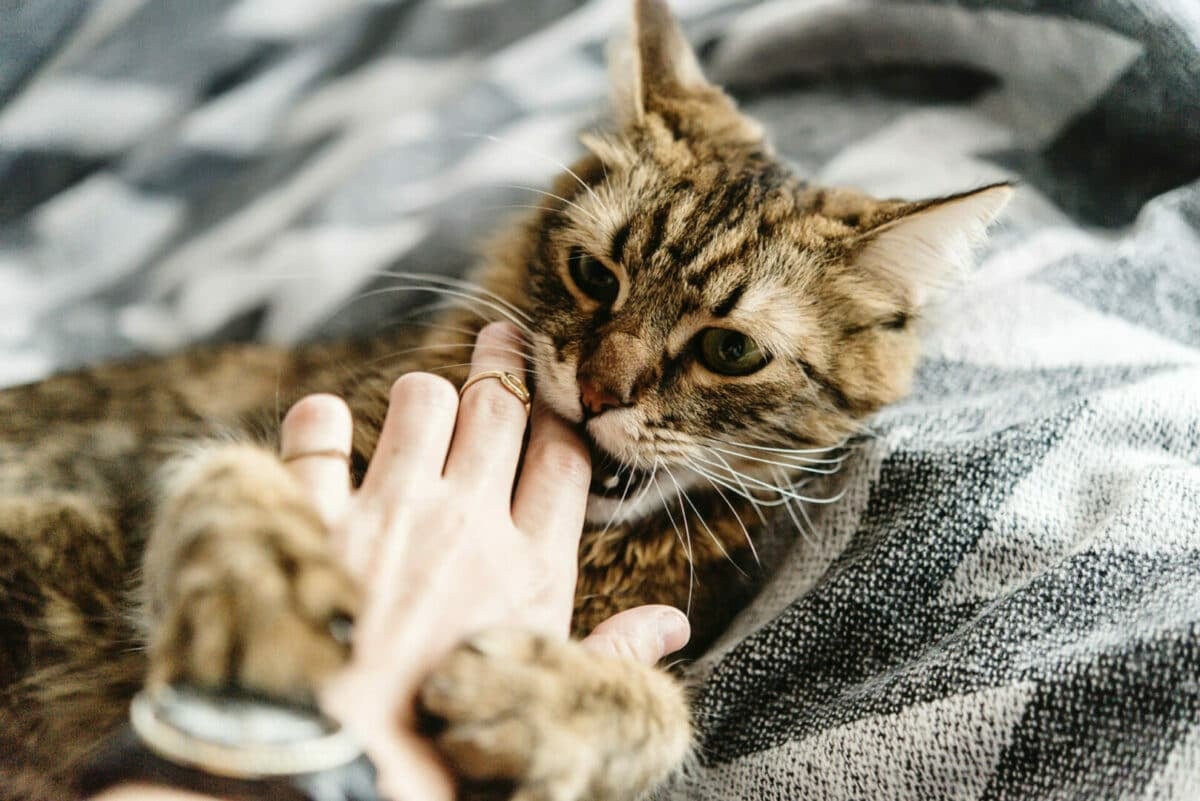
- Excessive Scratching or Biting: A stressed cat can also become defensively aggressive. This might manifest as attempts to scratch or bite.
- Trembling or Shaking: This is a very clear sign of anxiety and stress in cats. If your feline friend starts trembling during bath time, it’s a definite sign that they’re not feeling comfortable.
- Change in Breathing Rate: If you notice your cat panting or breathing rapidly, it might be indicative of stress. In general, cats are not panters, so this behavior is usually a notable sign of distress.
Recognizing these signs and understanding what your cat is trying to communicate is the first step towards creating a less stressful bath experience. As their care taker, ensure that their bath time is as comforting as possible. A calm, soothing voice, gentle handling and treats can go a long way in helping your cat ease into the process.
Remember, building a pet-friendly environment should always be one of our top priorities. After all, as pet parents, there’s nothing more we want than to see our fur-babies happy, content and stress-free!
Preparing for Cat Bathing
Gentle Cat Grooming: How to Make Bath Time a Breeze
Every pet parent knows that there’s a fine art to cat bathing! While cats can often be averse to water, the mere process of getting wet doesn’t need to be an end-of-the-world event. By establishing a proper routine, creating a calming atmosphere, and preparing all vital bathing accessories in advance, you can ensure a seamless, gentle, and stress-free bathing experience for your furry baby. Here are some easy-to-follow steps to make this happen:
Step 1: Gather all Bathing Accessories
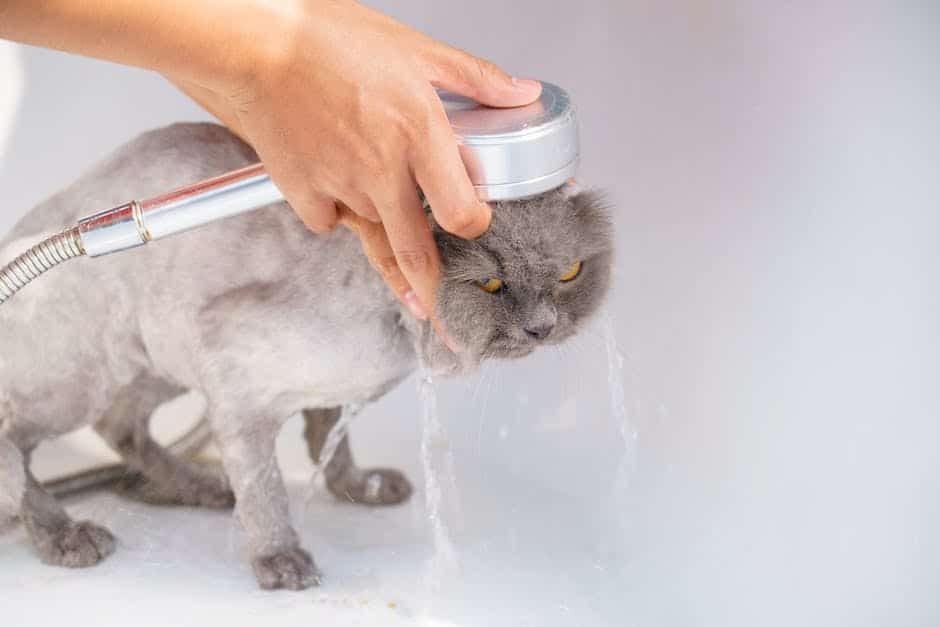
Always start by assembling all the necessary supplies beforehand, ensuring nothing gets missed out. Ensure you have a gentle cat shampoo, several soft towels, cotton balls to protect their ears, a pitcher for rinsing, and a bath mat for traction. A detachable showerhead can also be a useful tool for controlled and gentle rinsing.
Step 2: Preparing the Bathroom
Next, focus on creating a soothing space. Make sure the room is comfortably warm; about 75 to 80 degrees Fahrenheit is typically fine. Too hot and your cat may overheat, too chilly and they may get cold, adding extra stress. Consider playing some soft, calming music to create a peaceful ambiance.
Step 3: Fill the Tub with Warm Water
Remember, cats don’t need a deep plunge. Only a couple of inches of warm – not hot – water will suffice. Make sure the sound of running water doesn’t frighten your pet;fill the tub before bringing them into the bathroom.
Step 4: Gradually Introduce the Bath
Use a calming tone of voice to assure your cat during the bath. Confidence and calmness are infectious; if you’re cool and relaxed, chances are your cat will be too. Gradually lower your cat into the water, allowing them to get used to the sensation. This gentle introduction can make all the difference.
Step 5: Shampoo and Rinse Well
Use a formula dedicated for cats. Start from the neck downwards, ensuring you don’t get any product into their eyes, ears, or mouth. Once fully lathered, turn your attention to rinsing. Diligently remove all residue to avoid skin irritation.
Step 6: Towel Dry and Reward
Wrapping your cat in a comfortable towel directly after the bath will help them feel secure and will begin the drying process. Provide a gentle rub down, but don’t be surprised if they prefer to do their drying independently. Lastly, reward your kitty with their favourite treat for good behavior.
In the end, remember, practicing patience and understanding toward your feline during bath time can transform the experience from being something daunting to a more accepting part of their routine. With these helpful instructions, you’re on your way to creating a stress-free spa day for your cat in no time.
Techniques for Bathing Your Cat
Sure, bathing your feline companion might sound daunting, especially if your kitty isn’t a big fan of water. As we all know, cats are naturally meticulous groomers and often don’t need regular baths, but sometimes they might get into something sticky, dirtied, or stinky which needs an immediate solution.
In continuation of the discussion on making this operation as smooth as possible, let’s expand on how we can manage this without causing any distress for our furry friends.

Picking the Right Time:
You want to pick a time when your cat is at her most relaxed. It could be after a meal or vigorous play session. This will make them less resistant to the bath.
Using a Spray Hose:
If your cat is highly anxious, consider using a detachable spray hose. This can be less daunting than immersing them in water and gives you more control over the bathing process.
Protective Gear:
If your furry friend tends to react with claws out, getting some protective gear could help. Long, latex gloves or a cat grooming bag can prevent any unwanted scratches.
Distraction with Toys:
Never underestimate the power of a good distraction. Floating toys could help keep your cat entertained in the tub, making bath time less of a struggle.
Keeping It Quick:
Nobody wants a bath that drags on forever. Try to wash, lather, and rinse as quickly as possible to limit your cat’s stress.
Comforting Sounds:
Try to maintain a calm voice throughout the bath, consistently reassuring your kitty that she’s safe. Play some soft, soothing music or ambiance sounds to keep your cat relaxed.
Wet Wipes:
If all else fails, or your cat is truly water-averse, consider using specific pet wipes or dry shampoo as a last resort. This option can help clean their coat without the trauma of a full bath.
In the end, the key to this process, just like any other when it comes to nurturing our little furballs, is patience. Every cat is unique and understanding their behavior is essential. It’s alright if your furry friend doesn’t transform into a fan of bath time overnight, after all, Rome wasn’t built in a day, was it?
Remember to avoid forcefully bathing your cat unless necessary, and if they exhibit extreme signs of distress, consider seeking the help of a professional groomer or veterinarian. Together we can make bath time a less traumatic experience and more of an enjoyable routine for our cats. Because at the end of the day, their comfort is all that matters!
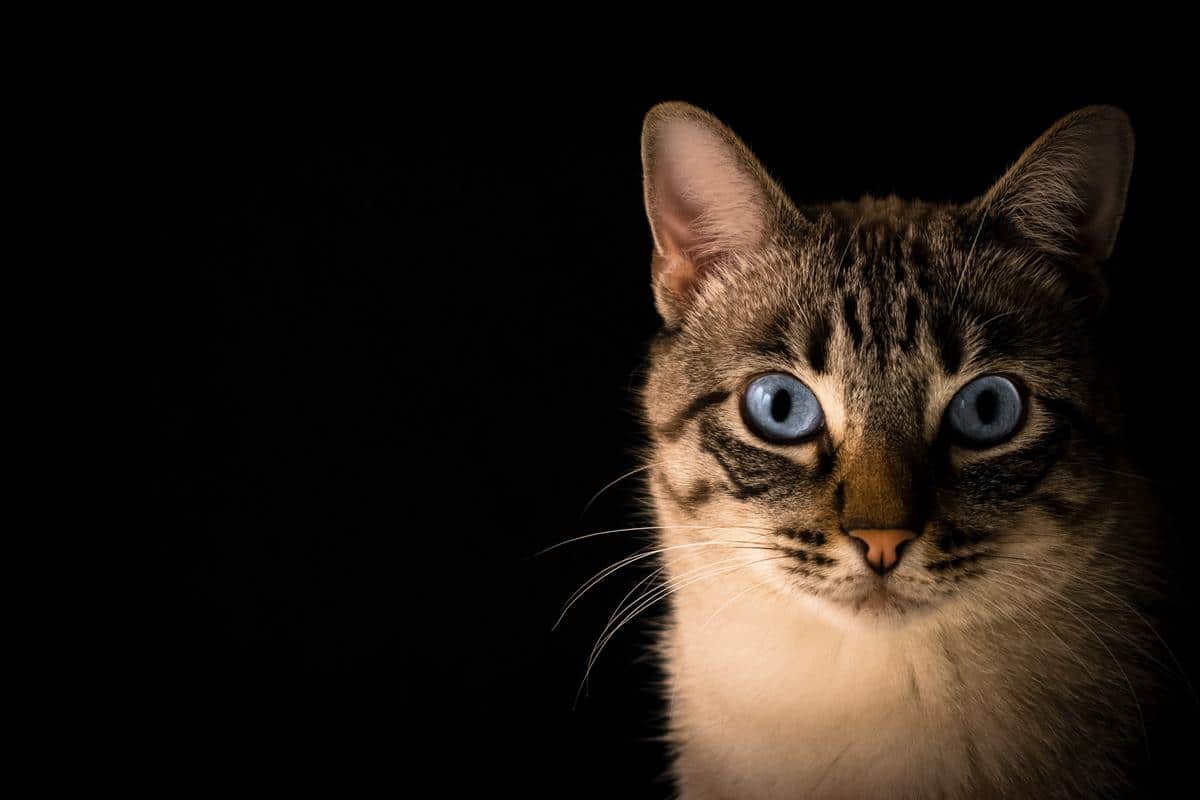
Photo by pactovisual on Unsplash
Without any doubt, bathing a cat does not have to be a daunting, stress-inducing task. By gaining insight into cats’ typical reactions to new experiences, identifying signs of stress, and employing calming methods, the experience can become a lot more manageable. Adequate, well-thought-out preparation can further smooth the experience, making sure everything you’ll need is within reach, the environment is serene, and the timing is just right. Through considered, gentle bathing techniques, you and your feline companion can navigate this necessary aspect of pet care, ultimately resulting in a clean, happy, and unstressed cat. The valuable knowledge in these strategies can truly create a significant difference in the way you approach cat bathing in the future.