For every proud owner of long-haired cats, maintaining the pet’s regal and lustrous coat is paramount. Long-haired cats, with their gorgeous layers of fur, not only require regular grooming but also need the right tools – cat brushes – to ensure their grooming process goes smoothly. Understanding the significance of grooming for long-haired cats and choosing the right type of brush plays a pivotal role in gifting these graceful creatures, a comfortable, and healthy life. This text will serve as an informative guide, diving deep into the intriguing world of cat brushes, their types, and the leading brands, along with practical brushing tips and best practices for caring for your cat’s brush.
Understanding the Importance of Grooming for Long-Haired Cats
Are you a cat-parent coming home to find your fluffy kitty’s fur in places it shouldn’t be, like the couch, your bed, or perhaps even on your favorite sweater? Does your Persian’s coat look less than glamorous these days? If so, then this one’s for you. Let’s navigate the much-needed world of grooming your long-haired feline.
Long-haired cats are stunning to behold, their coats flowing magnificently in dreamlike waves. Breeds like Persians, Ragdolls, and Maine Coons among others, are much adored for this striking feature. However, these beautiful layers can frequently become the source of untold struggles if not properly maintained. And, ladies and gentlemen, simple brushing doesn’t cut it. Long-haired cats need proper grooming.
So, what exactly makes grooming such a necessity? Multiple reasons. First and foremost, grooming helps reduce shedding, which is a boon for those of us who’d rather not keep lint rollers as constant companions. A well-groomed cat translates to fewer fur balls on your living room floor.
Next, mats. Yes, those pesky, tangled clumps of fur that are undeniably annoying and painful for both the cat and the owner. Regular grooming ensures that mats can’t form, improving your cat’s comfort and the overall luxuriousness of their coat.
On the health front, grooming is a game-changer. It stimulates the production of essential body oils in cats, maintains skin health, and prevents numerous dermatological issues. Did you know that grooming can also help you spot any sudden changes, such as lumps or skin abnormalities, early? It’s true! A well-groomed cat is often a healthier cat.
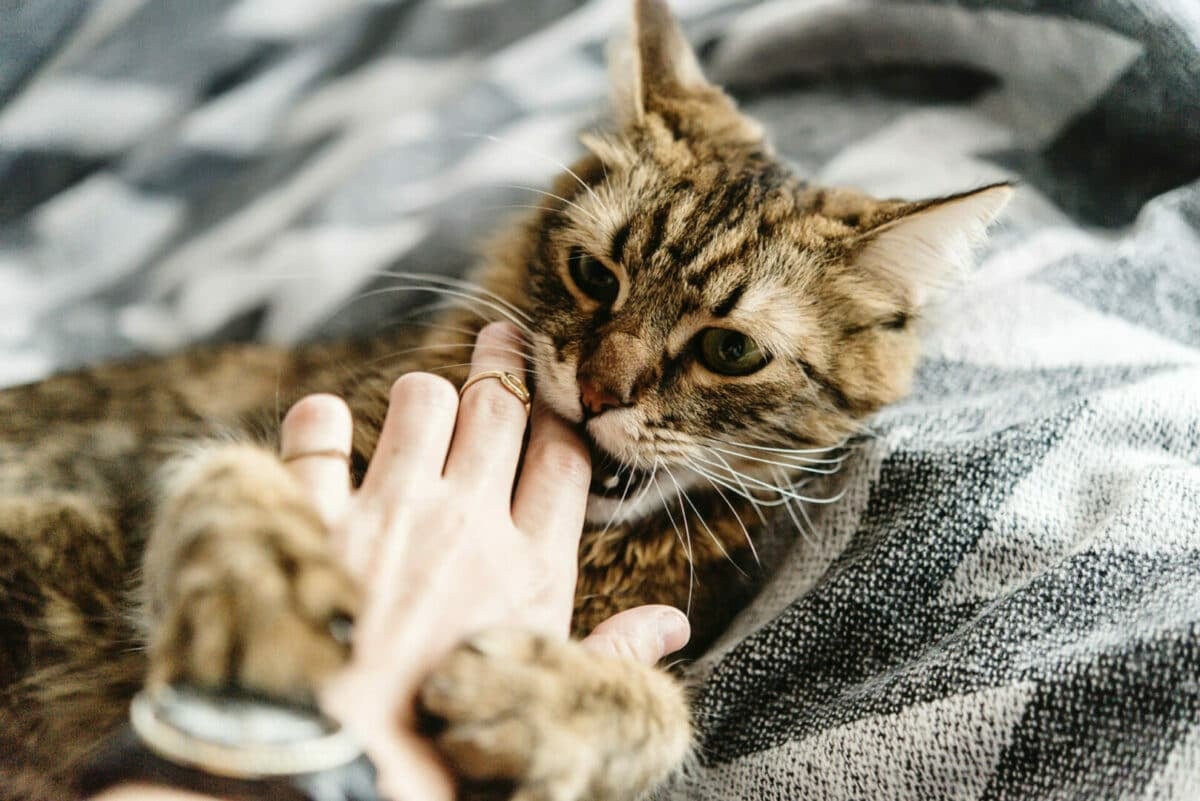
Regular grooming sessions also provide an opportunity for bonding. Cats purr and laze about when brushed smoothly, and over time, this could become a favorite way for you to share some affectionate moments with your furry friend.
Now, how often should you groom? Well, that depends on the breed. Some cats might need grooming sessions twice a week, while others may require them on a daily basis. Observe your cat’s grooming behavior and coat quality, that will be your guidance.
Remember, grooming isn’t strictly a ‘do-it-yourself’ task. Professional groomers are equipped with specialized tools and skills. And regular appointments with them are highly recommended. Between visits, keep up the maintenance at home with quality grooming tools.
So, take out those brushes, invest in a good cat-friendly shampoo and conditioner if necessary, and start a grooming regime for your long-haired cat. With time, you’ll notice a positive change in their coat and overall well-being. Remember, a well-groomed cat isn’t just a sight for sore eyes, it’s a happier, healthier furry friend. What could be better than that? Enjoy those precious, purr-filled grooming moments!
Identifying Different Types of Cat Brushes
Types of Brushes for Grooming Your Long Haired Cat: A Comprehensive Guide
Bringing a long-haired cat into your family means entering into a bonding ritual of grooming. Now that we’ve covered the importance and benefits of grooming, let’s move on to an essential part of your pet care kit – the brush. With a variety of brushes available on the market, it’s crucial to understand their unique functions before you grab just any off the store shelf.
First up, the Slicker Brush. Coming in various sizes with fine, short wires close together, slicker brushes are perfect for removing loose fur and working out tangles in your cat’s long hair. They are beneficial when it comes to preventing matting, making them the go-to choice for cats with longer hair.
Next on the list are Bristle Brushes. These types of brushes are excellent for removing dirt and loose hairs from your feline’s coat, contributing to a shiny and healthier-looking finish. With their soft synthetic or natural bristles, they offer a gentle touch, suitable for the sensitive skin of your cat.
A step up from the bristle brush is the Pin Brush. Resembling a human hairbrush, Pin Brushes have wire pins with protected ends. While they might not be as effective in removing loose hair or tangles, they are fantastic for fluffing up your cat’s coat and making it look fuller and more glamorous.
Then, there’s the Grooming Glove or Mitt. This innovative product fits like a glove, with rubber nubs that catch loose hair as you pet your cat. This is an excellent option for cats who might be a bit skittish about regular brushes or those who simply enjoy the feeling of being stroked.
Lastly, we have the De-Shedding Tool. Equipped with fine-toothed combs, these are designed to remove loose undercoat hair without damaging the topcoat. De-shedding tools can be incredibly effective for long-haired cats, especially during their shedding seasons. They help to minimize hairballs and excessive shedding around your home.
Remember, every feline is unique when it comes to their preferences and tolerances to brushing. It’s essential to consider your kitty’s specific needs and opt for more gentle brushes if your pet has sensitive skin. It’s all about keeping your cat comfortable, healthy, and looking their best!
In the journey of sharing our lives with these furry family members, grooming is just one aspect of taking care of our long-haired friends. Armed with knowledge and the right tools, you’ll certainly make their lives and yours a whole lot easier. Here’s to many years of joy and purrs with your well-groomed feline companion!
Top Brush Brands for Long-Haired Cats
Now that we’ve covered why grooming your long-haired cat is important, let’s move on to choosing the right brush. As with anything related to our furry friends, the market offers an overwhelming array of options.
Our focus here is to simplify that selection process by studying some top-rated brush brands for long-haired cats.
One brand that frequently appears on cat lovers’ favorite lists is the Furminator Undercoat deShedding Tool. What sets this tool apart is its impressive ability to reach through the topcoat to remove loose undercoat hair. It’s perfect for long-haired cats because it reduces shedding, decreases hairballs, and keeps your feline’s coat looking top-notch.
Another favorite among cat parents is the Hartz Groomer’s Best Slicker Brush. With fine, stainless steel bristles and a comfortable grip handle, this brush is built for comfort—for both you and your kitty. It expertly removes tangles and mats, helping to keep your furry friend’s coat soft and shining.
The Safari Self-Cleaning Slicker Brush also deserves a special mention for its convenient self-cleaning feature. With the touch of a button, the bristles retract, allowing for easy removal of hair. This slicker brush is exceptional at removing loose hair and reducing mats while massaging the skin to stimulate circulation and keep your kitty’s coat healthy.
When it comes to bristle brushes, the Mr. Peanut’s Hand Gloves makes an excellent choice for pet parents who want to feel the benefits of grooming directly. Adored by cats for its massaging effect and loved by humans for its easy cleaning, this grooming glove allows for bonding time during grooming sessions.
In the department of pin brushes, the Andis Premium Large Firm Pet Brush stands out with its pinhead bristles designed to stimulate skin oils for a healthier coat. It’s also made for durability to withstand the rigors of frequent grooming sessions.
Each brand has its own set of unique features and benefits, but remember, every cat is different. Just as some cats may love a brisk petting session, some may prefer a smooth, gentle groom. It’s always a good idea to consider the unique needs and preferences of your feline friend when choosing a grooming tool.
In conclusion, tending to your furry friend’s coat is more than just about keeping them looking good. Armed with a quality brush that caters to your long-haired cat’s needs, you’re doing your part in nurturing their overall health. Happy grooming!

Practical Brushing Tips for Long-Haired Cats
Going Beyond Basics of Cat Grooming
Adopting the correct grooming technique is what sets apart a decent fluff management from a superb grooming session that your long-haired cat will enjoy. The “how” is just as crucial as the “why” and “what.” It’s time to discuss how you can effectively brush your long-haired cat at home.
Start with the Right Mindset
It’s essential to remember that patience is key. Understand that your cat may not be thrilled about grooming, especially if it’s a new experience. Start off slow and increase the grooming duration gradually. This approach makes the experience positive and stress-free for your furry friend.
Grooming Time: Let’s Brush!
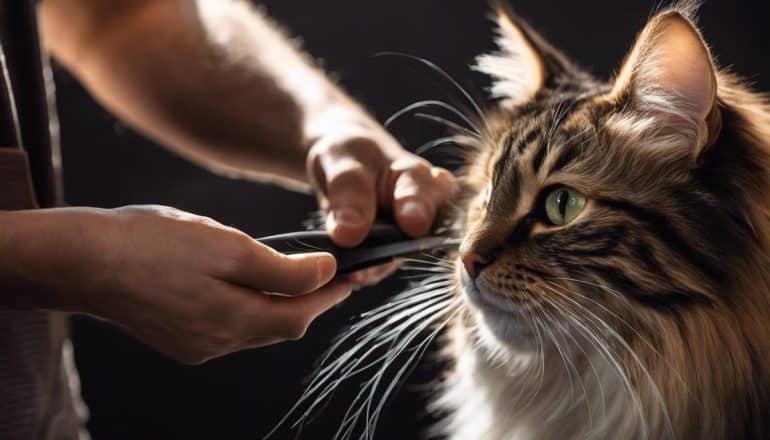
Start brushing from the head, moving gently towards the tail. It’s advisable to follow the direction of hair growth. Use long, gentle strokes, using brush strokes that mimic petting. This technique not only reduces the possibility of hurting your cat but also helps to increase their comfort level.

Dealing with Mats and Tangles
Long-haired cats often get mats or hair tangles, which can be tough to deal with. Never cut a mat with scissors, as you could accidentally injure the cat. Instead, use a mat splitter or mat comb, combined with lots of patience. If the matting is severe, consider taking your cat to a professional groomer.
Post-brush Care
Post-brush care is often overlooked but plays a significant role in maintaining the health and shine of your cat’s coat. After a good brush session, it’s advisable to run a grooming wipe or a damp cloth over their coat. This helps remove any loose hairs and gives the coat a nice, healthy shine. If your cat enjoys being pampered, a cat-friendly leave-in conditioner can be applied for extra softness and shine.
Finishing Touch with a Comb
After the brush session, running a comb gently across your cat’s coat can help eliminate any lingering loose hairs. It also gives the coat a neat, well-groomed appearance. Just remember to be gentle, especially around sensitive areas like the belly and tail.
Safety First
During your grooming session, be mindful of your cat’s comfort level. If your feline friend becomes agitated or restless, take a break or leave it for another day. It’s best to associate this activity with happiness and comfort, not stress or anxiety.
Let them Guide you: Listen to Your Cat!
Each cat is unique, and what works for one may not work for another. Pay attention to your cat’s reactions to different brushes or grooming techniques, and adjust accordingly. Your cat will appreciate your respect for their preferences, making the grooming experience more enjoyable for you both.
Incorporating these tips into your at-home grooming sessions will transform this task from a chore into a treasured bonding moment between you and your long-haired cat!

Caring for Your Cat’s Brush
Moving on from the various grooming tools and techniques, let’s talk about one of the most essential aspects of feline grooming: brush maintenance! This, of course, is where many folks tend to overlook. After all, the brushes themselves also need a little love and care to perform their job effectively.
So, here’s the unvarnished truth – If you want your cat’s grooming tools, especially the brushes, to last longer and provide a consistent performance, maintenance is key. But fret not, here are some straightforward tips on how to keep your grooming brushes clean, effective, and long-lasting.
- First off, after each grooming session, make sure to manually remove all of the fur from the brush. This can be achieved by gently using a wide-toothed comb or by using the manual clean button feature if your brush comes with one. Remember, allowing fur to accumulate on the brush not only reduces its effectiveness but can also be a breeding ground for germs.
- Next, every week, depending on how often you use it, give the brush a good cleanse. Simply fill a bowl with warm water and a few drops of mild dish soap. Let the brush soak for about ten minutes, swishing it around occasionally. After soaking, use an old toothbrush to scrub in between the bristles, removing any lingering fur or debris. Rinse thoroughly under running water and gently pat dry with a towel before leaving it to air dry completely.
- While it’s essential to keep the brush clean, do remember not to overdo it, especially with cleaning chemicals or heat, which might damage the bristles and reduce their effectiveness. Also, be sure to inspect the brush for any loose, broken, or bent bristles and replace it once it’s no longer usable or over a year old, even if it appears to be in good condition.
A well-maintained grooming tool is not only a pleasure to use but also more significant for the health and happiness of your feline friend. By ensuring proper maintenance and cleanliness of your cat’s grooming tools, you continue to provide the best care possible for your furry confidante, leading to a sleek fur coat, healthy skin, and a purring mate of joy!
Remember, endearing to your cat isn’t about the grand gestures; it’s mastering these little caretaking details that make the enormous difference. So, happy grooming, fellow cat-lovers! Keep spreading the purrs of love, one brush stroke at a time.

To sum up, effectively grooming your long-haired cat is a fine blend of understanding your pet’s grooming needs, choosing the best-suited brush, and adopting the right grooming techniques. Equipped with knowledge about various brush types, top-rated brands, brushing techniques, and brush care practices, pet owners will be more empowered to ensure their long-haired cats receive the grooming they deserve. Remember, regular grooming is not just about enhancing your pet’s outer beauty; it’s also a pathway to their improved health and a stronger bond between you and your feline companion.