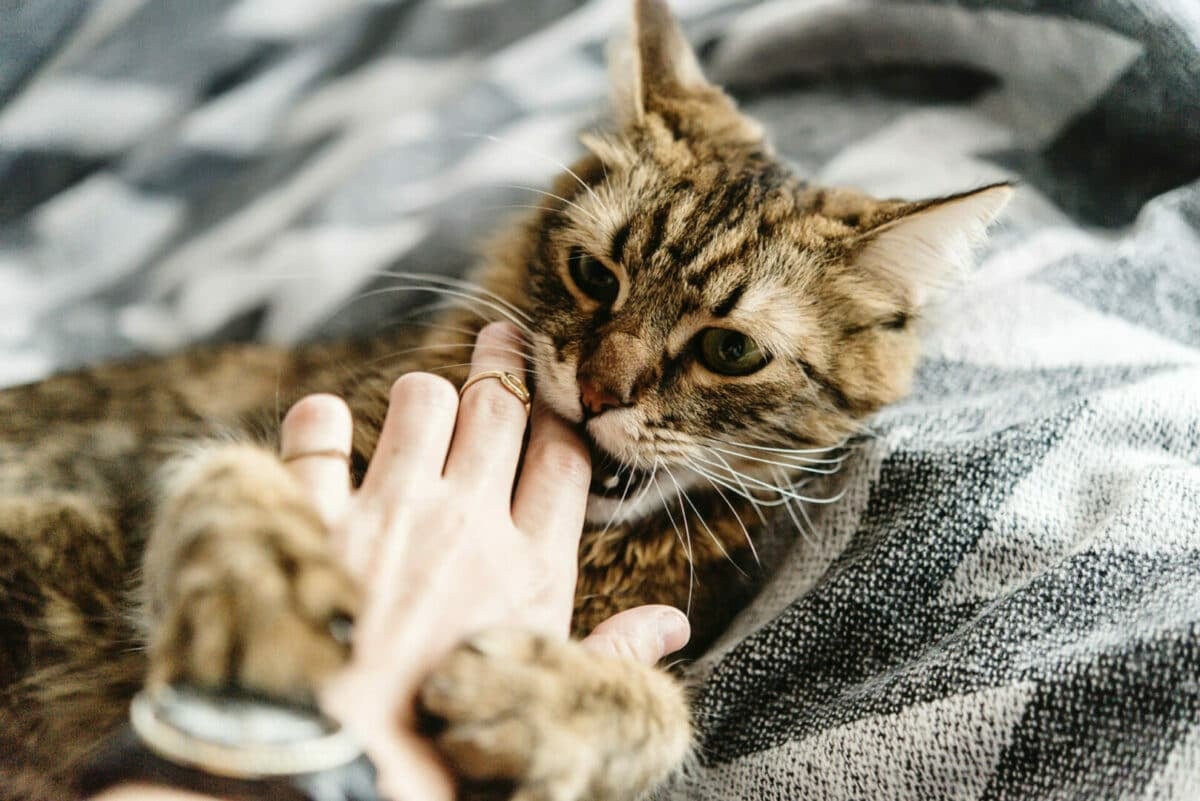
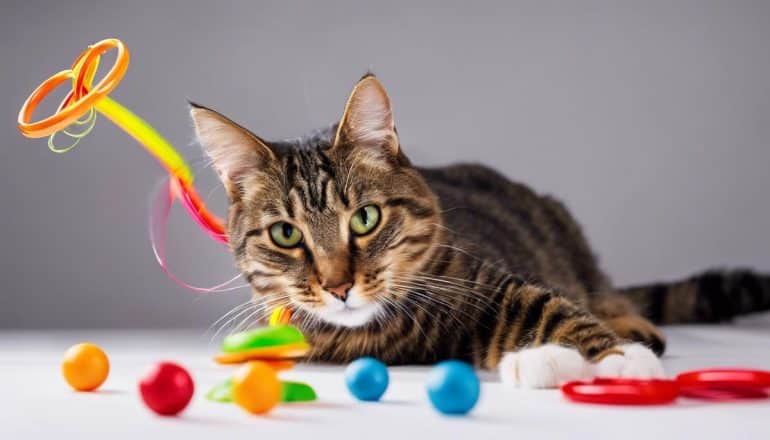
Focused on pet wellbeing, our mission is to enhance the quality of life for our beloved, four-legged friends. The cornerstone of pet health, particularly for domestic cats, is an adequate amount of exercise. Many cat owners struggle with understanding the concept of proper cat exercise, mainly due to their unique, distinctively individualistic characters. Whether it’s due to old age, health conditions, indoor living situations, or a simple lack of stimulation, insufficient exercise can severely affect a cat’s overall health. The key to addressing this issue lies in identifying the root cause, and subsequently crafting a well-developed exercise plan tailored specifically to your fur baby’s needs. From introducing different games and toys to integrating climbing structures, several strategies can stimulate both the mind and body of your feline friend. Additionally, involving a vet’s expertise to incorporate a suitable routine becomes an essential part of this journey.
Understanding reasons behind insufficient cat exercise
Why Isn’t My Cat Getting Enough Exercise?
As busy parents juggling a myriad of responsibilities including work, chores and raising children, we often unfortunately overlook one integral part of our family – our furry friends. Yes, we might have to admit it, sometimes we even forget our precious kitty cats require as much attention and exercise as our children do.
Cats, unlike dogs, don’t necessarily need to be taken for walks around the neighborhood regularly, but nevertheless, they still require a certain degree of physical activity to maintain a healthy weight and to prevent health problems. Understanding why your cat is not getting enough exercise can provide the motivation needed to make necessary changes in their daily routine.
1. Limited Play Time
Can you remember the last time you played with your cat? If not, that’s probably a telltale sign that your fur baby isn’t getting enough playtime, which is essential for their exercise. Try adopting an everyday routine which involves some interactive playtime with your kitty. This could be as simple as a ten-minute play session with a laser pointer or feather stick.
2. Lack of Environmental Stimulation
Just like us, cats also become bored when their environment stays the same. A static environment may discourage them from exploring and being active. Consider re-arranging their living space or adding some new toys, climbing trees or scratching posts to keep them stimulated and moving around.
3. Aging or Health Factors
As cats age, just like humans, they tend to become less active. They are also more prone to diseases like arthritis which could limit their movement capabilities. If your older cat is exercising less, it’s worth checking with your vet to ensure there are no underlying health issues.
4. High Calorie Intake
It’s tempting to spoil our cats with an extra scoop of food or a special treat way too often. Do keep in mind, a high-calorie diet without enough exercise can lead to obesity in cats, making them lethargic. Monitor their food intake and keep treats to a minimum to ensure a balanced lifestyle.
5. Overlooked Behavioral Issues
Problem behaviors in cats such as aggression or overgrooming may indicate that they are lacking sufficient exercise. Exercise and play help to alleviate stress in cats and a lack of these can lead to behavioral issues.
So, in the midst of our busy schedules, let’s take a step back and consider our feline family members. Are they getting enough exercise? If not, it’s high time we make simple adjustments that can make a vast difference in their lives. After all, they are not just pets, but an integral part of our families, bringing joy, comfort, and vibrancy into our homes.
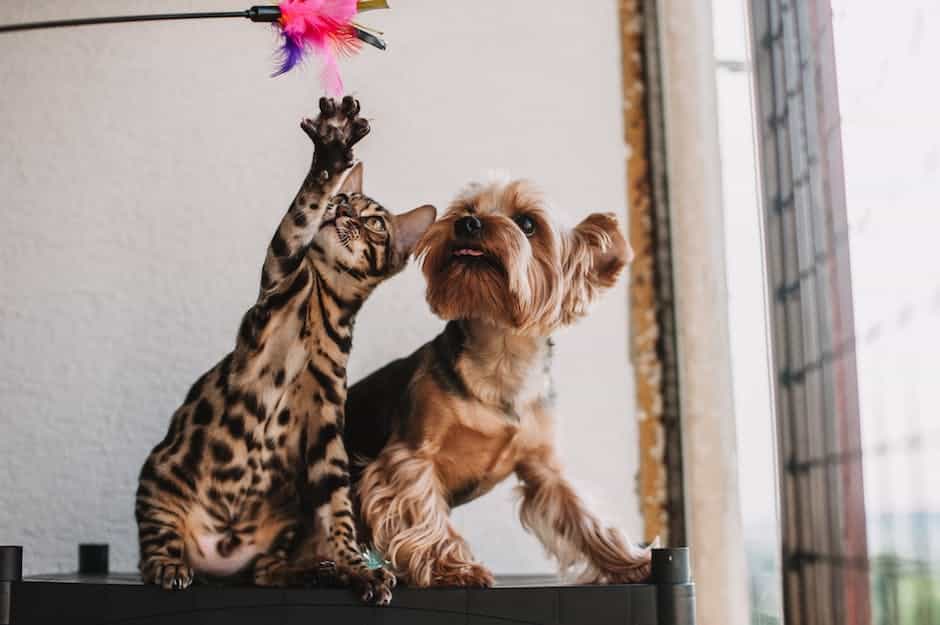
Exploring exercise stimulating activities for cats
Feline Fun – Engaging Activities To Boost Your Kitty’s Exercise Time
Just like us humans, our delightful pets also require a good amount of exercise to keep them fit and healthy. Cats, with their innate curiosity and playful nature, especially enjoy engaging in physical activities that stimulate their mental prowess and agility. So, with all our love and dedication, let’s find out what amazing activities could be sprinkled into our precious feline’s day to keep them actively entertained.
Building an Indoor Adventure Land
Think of your home as a playground—no, even better, an adventure land for your kitty. Instinctively, cats love their climbing sessions, be it the curtains or your well-set dining table. Work around this by setting up multi-tiered cat furniture, like cat trees and scratching posts. These will definitely encourage your furry friend to jump, hop, and climb, stimulating their natural behavior while getting them to exercise more.
Puzzle Feeders For The Win
If your cat lacks the interest to exercise, perhaps making their feeding time a fun-filled adventure may be the solution. Puzzle feeders are great for both food direction and advancing your cat’s intellectual skills. As a reward for their hard work, they get to enjoy their favorite treat or meal. It’s a storage box, puzzle, dining area – all bundled into one!
Laser Pointer Games
A simple laser pen can be your ally in instigating exercise sessions with your cat. Most cats go berserk when they see that little red dot dancing across the floor. The magic trick here is never to point directly at your cat but to keep the light at a safe distance. Watch and laugh as your feline buddy makes a multitude of mad dashes, engaging in rigorous exercise that’s secretly masked as a game.
Incorporate Outdoor Play
If you’re fortunate to have safe, outdoor space, do utilize it! Harness or leash train your cat and take them for peaceful walks. If that’s too much, incorporate supervised outdoor time where they can explore, chase bugs, or enjoy a refreshing session of ‘cat-letics’. This is not only pleasant for your pet but can also remind you of the joy of spending time outdoors.
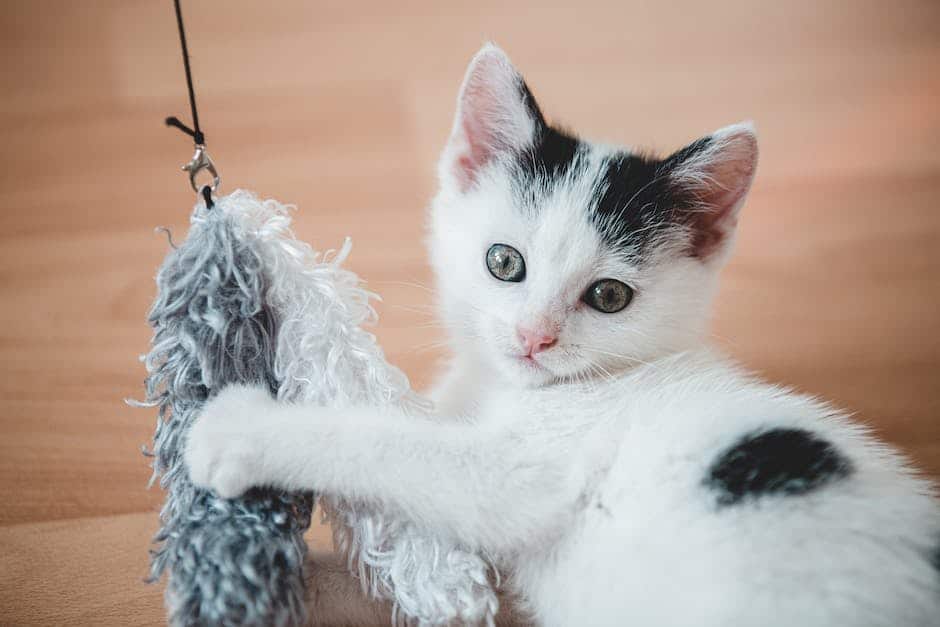
Interactive Cat Toys
Last but definitely not least, surprise your kitty with an array of interactive toys. From robotic fish to butterfly spinners, these toys are a fantastic way to motivate your cat towards a more active lifestyle.
Remember, every cat is unique, and so are their preferences. It might take a bit of experimenting to find out what your feline friend most enjoys. So in this journey of promoting a healthy feline lifestyle, don’t forget to enjoy the process as much as your furry pal enjoys their playtime!
Vet consultation and routine establishment
Working Hand in Paw: How a Vet’s Input can Propel Your Cat’s Exercise Routine to New Heights
Moving past the need for a cat’s playtime, interesting environment, and age or health considerations, a comprehensive exercise regime for our feline friends necessitates a little more attention. Lowering a high-calorie intake and paying heed to various behavioral issues are indeed essential steps in ensuring an active lifestyle for our pets. Moreover, the creation of an indoor adventure land for our cuddly balls of fur, taking up laser pointer games, or incorporating outdoor play are also effective strategies. But what about the role of a vet consultation? How can a professional opinion boost your cat’s exercise routine? Let’s explore that together.

Professional Expertise Matters
Not all felines are the same. They differ not only in their breeds and appearances but also in terms of diet, healthcare needs, and essential physical activities. That’s just where a vet can step in with their expertise. Consultations with your cat’s vet can provide important insights into the kind of exercises your purry friend needs the most.
Identifying Unique Health Needs
A vet can help identify any specific health requirements your feline has, which can significantly impact their exercise regime. They can pinpoint potential challenges or disadvantages that your pet might face in maintaining an active lifestyle due to their unique physical or health conditions. After thorough examinations, a vet can recommend appropriate physical activities to cater to these unique needs.
Personalized Approach
You could be doing everything right – from offering a healthy diet to creating a mentally stimulating environment. But a “one-size-fits-all” approach doesn’t always work when it comes to cat exercises. Your vet can analyze your cat’s specific behavior, breed, age, and metabolism. They can then provide a tailored physical activity plan which results in a revolutionized and cat-specific exercise routine.
Guided Monitoring
Vets don’t just guide exercise routines; they also monitor progress. Based on the initial fitness level and the goal set, vets can specify how intensely, how often, and for how long your cat should exercise. Regular vet visits can help you track whether the prescribed exercises are resulting effectively or if there is a need for alteration.
Safety Prioritized
Cats, adorable as they are, also can be mysterious creatures. They typically excel at masking their discomforts or pain. A vet can identify any signs of distress that exercises might be causing your cat, endorsing their safety first and foremost. Regular consultation ensures your cat is not overexerting themselves or engaging in physically harmful activities.
The essence here is to remember that our end goal is to make our cats’ lives more enjoyable and healthier. Leveraging professional help from a vet can remarkably elevate your attempts to establishing an effective exercise routine for your feline. With their professional expertise and our efforts, we can ensure a win-win situation for both us and our feline pals.
Indeed, fostering a healthier feline lifestyle may seem challenging initially, but with the right tools, understanding, and professional advice, this can become a truly rewarding experience. Achieving your cat’s ideal level of exercise is an ongoing, evolving process that must cater to their age, preferences, and health status. Exploring various stimulating activities, consulting with vets, and establishing regular routines enable pet owners to positively steer cats towards healthier habits. We all want the best for our pets, and ensuring they receive adequate exercise plays a significant role in their longevity and vitality. So, no matter what the obstacles may be, always remember—your efforts to provide a stimulating, active environment for your cat will be well worth the purrs and head nudges of gratitude they give back.