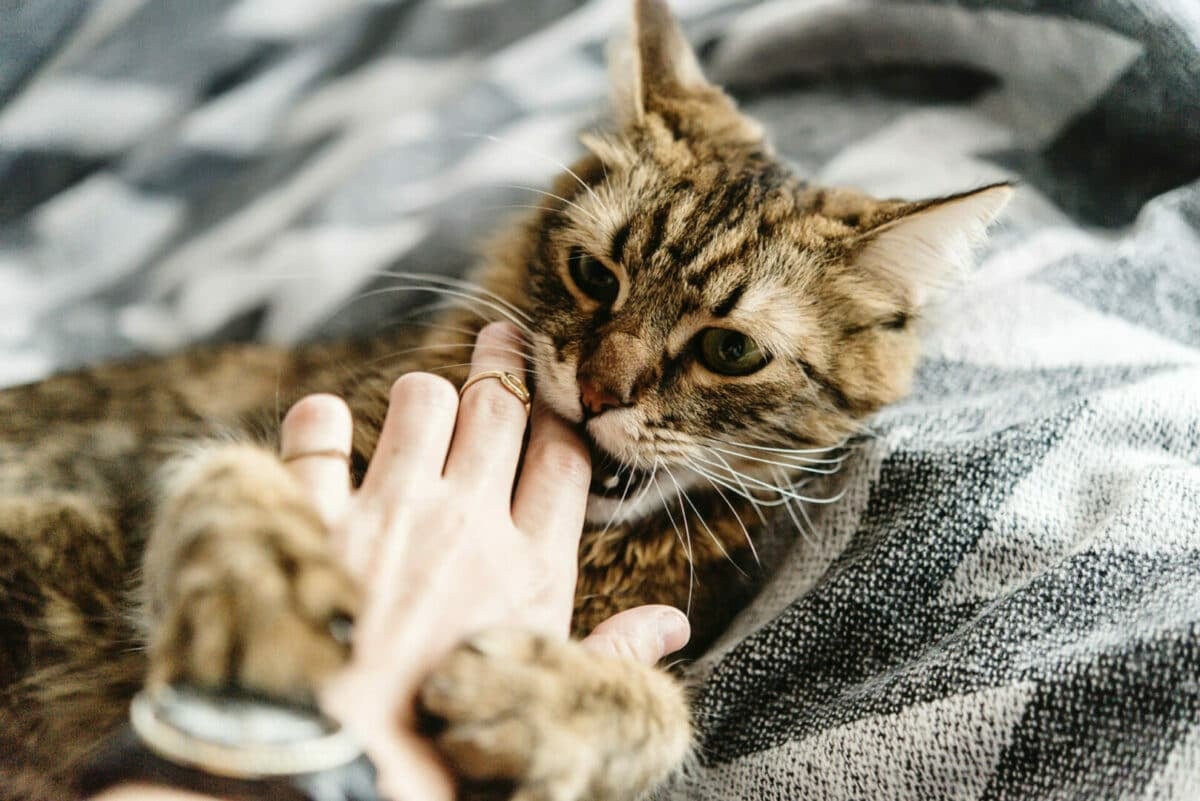

Acquainting oneself with a cat’s unique thought process and actions is fundamental to teaching it how to make use of a litter box effectively. Cats possess a heightened appreciation for cleanliness, a deep-rooted habit of hiding their waste, and a pronounced kindliness towards seclusion. A clear comprehension of these factors can immensely help in curating an environment where a cat willingly uses a litter box. Additionally, choosing the right litter box which corresponds to the cat’s comfort and implementing it in a suitable, private scenery is of considerable value.
Understanding Cat Behaviour
Purr-fect Guide: Understanding Your Cat’s Behavior to Improve Litter Box Training
It’s an understatement to suggest that sharing our lives with our feline friends can be an utter joy. The purring cuddles, the playful chases, the adorable antics- they never fail to bring a smile to our faces. Growing alongside our cats, particularly as they adjust to our homes, is a journey laden with curiosity, patience, and tons of love. Today, we’re going to unravel one of these captivating feline mysteries: the art of litter box training.
Understanding your cat’s behavior is crucial to successful litter box training. Cats, like children, give cues about their comfort, needs, and habits. It’s our job to pick up on these hints. So, let’s dive into the cues our cats give us when training them to use the litter box.
- Location is Key: Ever seen your kitty wandering to a specific corner often and looking a tad too comfortable? That could be your cat telling you where it would prefer its bathroom to be. Notice these preferences and put the litter box where your cat feels most comfortable.
- Responses to the Litter Type: Cats can be as choosy as kids when it comes to their litter. Some prefer fine grains while others want larger ones. Monitor how well your cat adapts to the type of litter used. Scratching around a lot or retreating swiftly from the box might indicate that it’s time to change the litter type.
- Cleanliness Matters: Notice your feline friend digging around or refusing to enter the litter box? That might be your cat’s way of gently saying that it’s high time the litter got cleaned. Cats are extremely clean, and a dirty litter box might deter them from using it.
- Scent Affinities: Cats have a powerful sense of smell, and certain odors are just a no-go for them. If you see your cat sniffing and turning away from the litter box, consider that a cue. It might be a scented litter or an air freshener nearby. Identifying and eliminating strong odors may encourage better use of the litter box.
- Signs of Discomfort: If your usually litter-trained cat suddenly starts discarding waste elsewhere, it’s an urgent cue to visit the vet. Health issues, like a urinary tract infection or kidney problems, often manifest in this manner. Never ignore these signs.
- Cues of Stress: Changes within the household can lead to stress in cats, affecting their behavior including their toilet habits. If your cat starts avoiding the litter box after a major shift in routine or the introduction of a new pet, consider that a stress signal. Ensuring a quiet, safe space for your feline friend can gradually restore their use of the litter box.
By tuning into these sometimes subtle cues your cat gives, litter box training can be a much more rewarding process. Remember, patience is your best friend during this phase. Every feline is unique and learning their preferences and habits is akin to learning a new language- the language of love and understanding between you and your fur baby. Happy training!
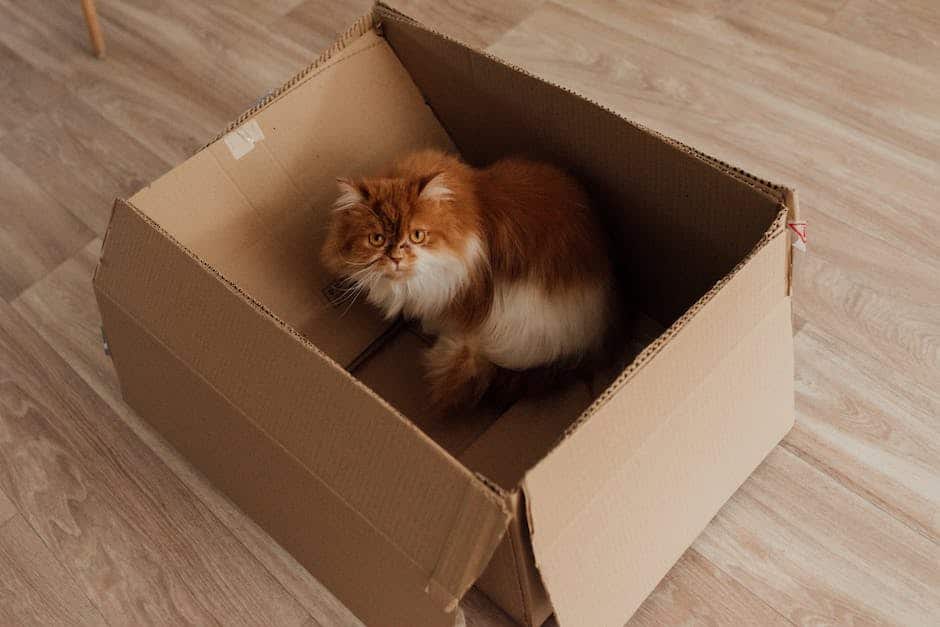
Litter Box Selection and Setup
Picking the purr-fect litter box can be a mind-boggling task, especially for the novice feline parents out there. But fear not! This guide is set to guide you all the way relentlessly – from choosing the ideal litter box to its most suitable placement.
A healthy majority of feline fur parents might opt for the traditional classic litter box. They come in different sizes, shapes, and depths that cater to your cat’s preferences and needs. Yet, for a slightly fancier yet functional option, try considering litter boxes with a hood or a flap door, which can provide your furry buddy some much-needed privacy.
But what about our feline friends dealing with mobility issues, or those in their advanced years? Well, for them, a litter box with low sides could be the cat’s pyjamas, as they simply can’t hop in and out of a high-sided box with the agility they once had.
Now let’s discuss the issue of litter box location. Firstly, bear in mind that our feline friends aren’t big fans of change, so a quiet, low-traffic area with minimum disruption would be highly advisable. The utility or laundry room could be a classic choice, but do check if the sounds of a washing machine or dryer could spook your little furball. Remember, peace and privacy are key!
While we comprehensively understand our cats’ sensitivity to strong odors, remember that this can cut both ways. Yes, you got it right – avoid placing the litter box next to the trash can or where the smell of food is strong, such as near the kitchen. Not so pleasing for the nifty noses of our pretty kitties, huh?
However, we cannot stress enough the utmost importance of accessibility! Regardless of where you choose to place the litter box, ensure your cat can reach it at all times. It’s not rocket science; if the box is hard to find, difficult to reach, or located somewhere noisy and busy, chances are your cat’s going to avoid it.
Finally, as fur parents, it’s essential that we play detective every now and then. Keep a keen eye out for any changes in your cat’s litter box use behavior. It might be a minor issue, like disliking the new brand of litter, or a sign of something far more serious. So, never gloss over such signs. It’s always best to consult with the vet to rule out potential health issues.
Dispensing patience and understanding as liberally as catnip is yet another crucial aspect of parenting a cat. Remember, no one enjoys being rushed, not even our feline friends! Give your pet the space, time, and comfort they need to properly acclimate to their new litter box situation. With time, patience, and gentle encouragement, your kitty will be back to their routine in no time. Until then, here’s to happy, easy-going, and clean litter box days ahead!

Photo by erdaest on Unsplash
Positive Reinforcement Training
Unlocking the Power of Positive Reinforcement in Cat Training
One pivotal aspect of cat training that often flies under the radar is positive reinforcement. Simply put, positive reinforcement is the process of offering a reward to increase the chances of a particular behavior. It works wonders not only in encouraging good behavior but also in creating stronger bonds between you and your extraordinarily unique pet cats.
But how exactly do you apply positive reinforcement when training your fluffy feline?
Getting to Know Your Cat’s Preferences
Cats, like humans, have their own set of preferences, and identifying them is key to making positive reinforcement effective. Take a keen interest in their behavior to identify what makes them purr or hop around joyfully. Is it a favorite treat, a special toy, or some good old-fashioned personal attention? Use these insights to your advantage. Once you’ve identified positive stimuli, you’re ready to pair them with the behaviors you want to reinforce.
Getting Timing Right
The timing of reinforcement is absolutely crucial. The reward should follow the desired behavior as quickly as possible- ideally, within seconds. This way, your cat is more likely to make the connection between the behavior and the pleasant reward, enhancing the probability of repetition.
The Art of Clicker Training

Consider incorporating a clicker, a simple gadget that makes a distinct ‘click’ sound when pressed. It acts as a bridge between the cat’s favorable conduct and the incoming reward, reinforcing the link. Clicker training is highly effective for teaching new behaviors and also maintaining existing ones.
Positive Reinforcement Manifested in Training
In the context of litter box training, once your cat uses the litter box correctly, ensure to reward it immediately. You can do this by providing a treat, praise, or a playtime session, as per your pet’s preferences. By doing so, your feline associates litter box use with positive outcomes, reinforcing the behavior.
Starting Small and Gradually Raising The Bar
Start with simple behaviors before moving on to complex ones. Each small victory can boost both you and your kitty’s confidence. Once your cat consistently shows the desired behavior, begin gradually scaling up the challenges while always keeping the rewards consistent.
The Beauty of Consistency
Your cat thrives on consistency. Stick to the same ‘reward’ every time your cat behaves as you want it to. This bolsters the association more strongly in the cat’s memory.
The Power of Patience
Above all, exhibit patience. Cats do not always behave in the way you want right away. Sometimes, it might take a few sessions of consistent application of positive reinforcement for your cat to grasp what’s being asked.
Remember, the process of training your cat isn’t just about teaching them habits or rules. It’s also about spending quality time with your beloved pet and building trust. Set the tone for a positive, relaxed environment, and you’re already on the road to successful cat training!
In closing, when implemented effectively, positive reinforcement can prove to be a game-changer in cat training, allowing for the creation of strong behavioral characteristics and enhancing the bond between you and your delightful pawed companion. With a little understanding and consistency, you can turn your feline into the purr-fect pet!
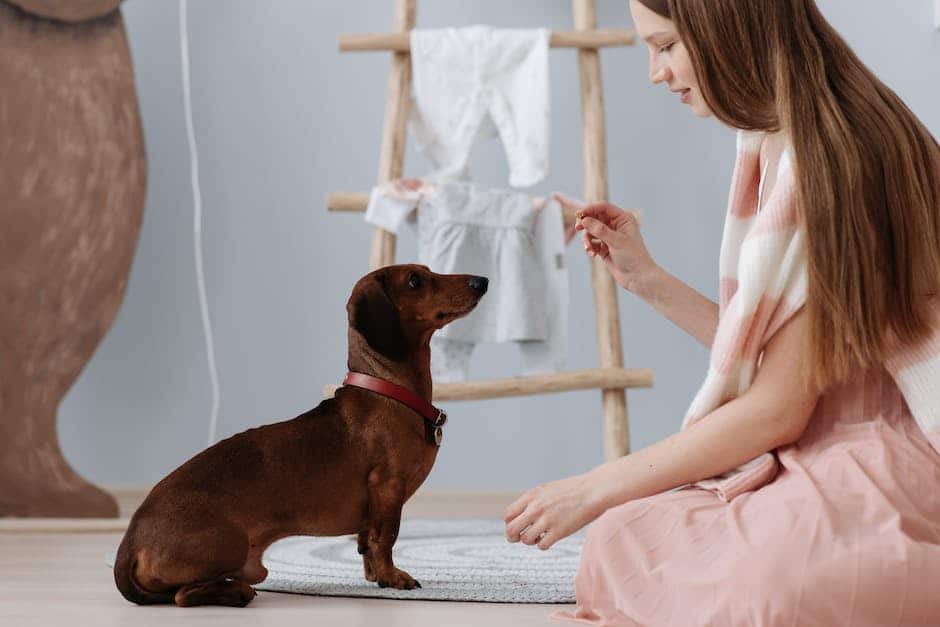
Promoting good behavior in felines through a strategy of positive reinforcement like the offer of treats, approval, or simple petting can evoke a consistent desired response, such as regular usage of the litter box. It’s important to note that punishing unwanted actions can often yield more harm than good. Therefore, understanding the nuances of cat behavior, careful selection and strategic placement of the litter box, coupled with encouraging cats positively, one can successfully train any feline to use a litter box which not only promotes cleanliness but also ensures contentment for both the cat and its owner.