Maintaining the lustrous sheen and health of your short-haired cat’s coat begins with understanding their unique grooming needs and selecting the right brush to fulfill them. Regular grooming not only contributes to your cat’s overall well-being but it also strengthens the bond between you and your feline friend. This comprehensive guide will spotlight the importance of grooming your short-haired cat, dissect the different types of brushes available, delve into reviews of noteworthy brushes, suggest healthy grooming habits, and provide expert grooming tips. No stone is left unturned to ensure your feline friend receives the best care possible.
Understanding Your Short-Haired Cat’s Grooming Needs
The Importance of Regular Grooming for Short-Haired Cats: A Family’s Guide
Has a wonderful short-haired feline made itself an important part of your lovely family? Despite their low maintenance reputation, short-haired cats often need a tad bit of grooming. This might come as a surprise, but trust me, regular grooming is as essential to short-haired cats as it is to long-haired ones. Here is a quick rundown of why grooming these delightful creatures regularly is vital.
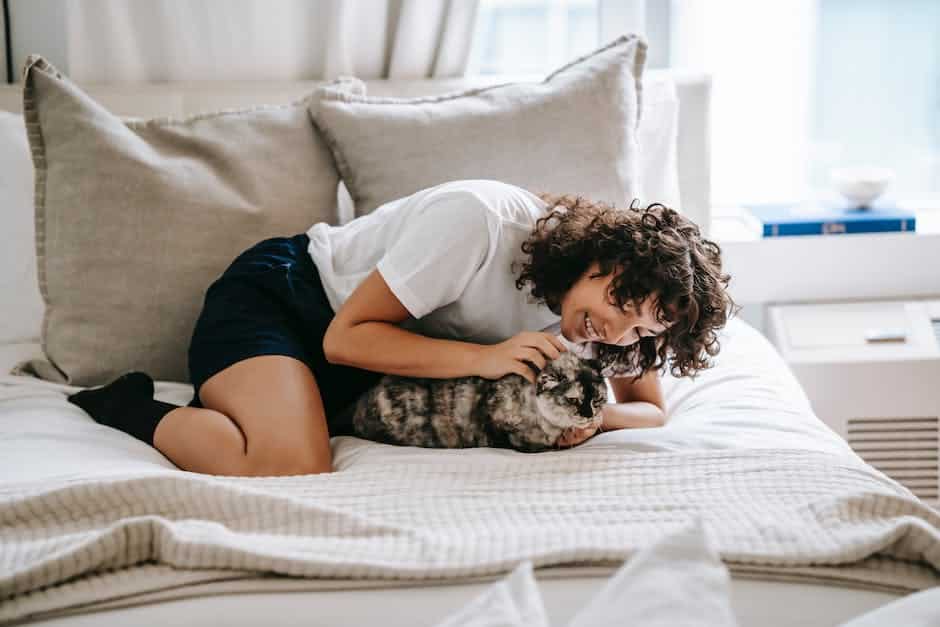
Firstly, grooming builds a bridge of affection between you and your feline friend. Touch is a primal form of communication among animals, and cats are no exception. Brushing your cat’s fur is a lot like the grooming they would have received from their mother and siblings, making them feel loved and cared for. It’s just another fantastic way for your family to bond with your four-legged member.
Secondly, regular grooming can help prevent hairballs. Contrary to popular belief, short-haired cats shed too – although perhaps not as conspicuously as their long-haired cousins. The shed hair can be a problem if the cat swallows it while grooming themselves. This hair can accumulate inside their stomach, forming balls that are notoriously uncomfortable and sometimes dangerous for cats. Regular brushing can save the day by minimizing the amount of loose hair your cat could ingest.
Thirdly, grooming is an excellent way to keep an eye on your cat’s overall health. While brushing, you can routinely check for abnormalities like bumps, bruises, or even fleas and ticks. This way, you can nip any potential problems in the bud before they escalate and lead to more serious complications.
Lastly, but very importantly, regular grooming helps maintain a clean home. While cats are usually tidy animals, they do shed hair around the house, which could make your home look untidy and cause issues for family members with allergies. Brushing your cat regularly can significantly reduce the amount of hair scattered around your home.
So there you have it. Grooming your short-haired feline isn’t just about maintaining their coats’ silky smoothness. It’s about deepening the bond between your family and the cat, keeping a vigilant eye on their health, and ensuring your home stays clean and comfortable. Keep a quality brush on hand and set up a regular grooming time that works out best for your family and your feline friend. Happy grooming!

Photo by hayleymurrayphoto on Unsplash
Comparing Brush Types for Short-Haired Cats
Every pet owner knows that cats are notorious self-groomers. Yet, even our proficient furry friends need a hand to maintain their coat, reduce shedding, and enjoy a well-kept appearance. This particularly holds true for short-haired cats. Having covered the importance of grooming, let’s delve into the valuable world of grooming tools, particularly, the various types of brushes ideal for short-haired cats.
Bristle Brushes
Cats are delicate creatures. Thus, a soft bristle brush is an excellent choice for our short-haired beauties. These brushes resemble those typically used by humans, just smaller and softer. They are ideal for removing loose hair and perfect for nudging your cat’s natural oils through their fur for a glossy coat. For those cats that may not appreciate the grooming time initially, the comfort of a bristle brush can turn the process into a purring pleasure.
Rubber Brushes
Rubber brushes are unique tools that can increase the effectiveness of your cat grooming strategy. Their strong yet gentle rubber bristles effectively remove loose hair while providing a comforting massage effect. These brushes are great for safely removing excess hair during shedding season. Not only do they provide a thorough clean, but the massage-like experience can also stimulate circulation and contribute to healthier skin and coat.
Glove Brushes
These game-changers in the cat grooming world conveniently fit on your hand, adding a more personal touch to your grooming routine. Glove brushes have small rubber tips that collect loose hair while you pet your cat. Cats often perceive grooming with a glove brush as receiving affection, making this a simple and sneaky method to groom even the fussiest of felines.
Flea Combs
While not directly related to fur grooming, a flea comb remains an essential tool for any cat owner. These fine-toothed combs ensure that your cat isn’t troubled by pesky pests. A tip for using flea combs: always remember to clean it regularly and thoroughly, ensuring the safe disposal of any fleas.
Slicker Brushes
Although slicker brushes are more commonly used for long-haired cats, they can be quite useful for short-haired breeds as well. Their fine, short wires close together can detangle minor knots and remove loose fur. It’s important to be gentle when using slicker brushes due to their sharp wires that can scratch a cat’s skin.
Remember, while these brushes may all serve slightly different purposes, they all lead to one pathway: a healthier, happier cat, and a cleaner home free of stray cat hair! Encouraging a regular grooming routine can enhance your connection with your feline friend, ensuring they are comfortable and well cared for. Happy brushing!

Reviews of Top Brushes for Short-Haired Cats
You’re no doubt convinced that grooming your short-haired cat is a must. So, now let’s chat about the specific brushes that you’d want to include in your grooming toolkit. Having the right brushes is half the battle, as they can drastically improve your pet’s comfort and the quality of the grooming session.
First up on the list are slicker brushes, like the Hertzko Self Cleaning Slicker Brush. This brush is a favorite among pet parents as it’s perfect for removing loose hair, untangling knots, and even providing a soothing massage for your cat. With its self-cleaning mechanism and comfortable grip handle, you’re sure to enjoy a hassle-free grooming experience.
In the roster of bristle brushes, the Safari Cat Bristle Brush is a standout. The tightly-packed bristles are ideal for distributing your cat’s natural oils to add shine to their coat. Moreover, the build of this brush makes it a good choice for cats with sensitive skin.
For a gentle and effective option, consider a rubber brush like the Kong Cat ZoomGroom. This brush not only removes dead hair from your cat’s coat but also stimulates capillaries and natural oil production for healthier skin. Plus, the rubber material can attract loose hair, keeping your home cleaner.
Glove brushes, such as the DeLoach Couture 2-in-1 Pet Grooming Glove, can be particularly helpful for cats that are a bit skittish with grooming. The glove design allows you to pet and groom simultaneously, making the experience more calming for your furry friend.
Last, but certainly not least, don’t underestimate the humble flea comb like the Safari Flea Comb. This comb is essential not just for removing fleas, but for detecting them early on. It can be used after a general grooming session to ensure your cat’s coat is smooth and free of any infestations.
Each brush brings something unique to the table, so having a variety in your toolkit can be incredibly beneficial. This will make your grooming sessions more effective, enjoyable, and stress-free for both you and your four-legged family member. Plus, with a well-groomed cat, you get to enjoy a cleaner, fur-free home.
Remember, regular grooming isn’t just about maintaining your cat’s good looks; it’s an excellent way to keep tabs on their overall health and even deepen the bond you share. Happy grooming!

Photo by kimberlyfarmer on Unsplash
Healthy Brushing Habits for Short-Haired Cats
Inculcating Healthy Brushing Habits in Your Short-haired Feline Friend
Accessories and tools that simplify our tasks are indeed a blessing, aren’t they? Well, just as we equip our wardrobes, kitchens, and workshops, it’s crucial to have the right grooming tools in our kitty care kit.
Given that we have already taken a peek into the assortment of brushes, combs, and the benefits they offer, it’s wise to discuss the core question – How to instill healthy brushing habits in our little furballs? Remember, consistency here is key, and it’s achievable once we set a routine.
-
Initiate slowly: Leaning too hard, too fast will scare your feline friend off. Gradually familiarize your cat with the brushing routine. Start with petting, then lead to brushing. Make sure to do it at a relaxed, calm pace.
-
The right time: Generally, cats are fairly active around dusk or dawn, and would rather play than be brushed. Timing their grooming when they are naturally restful and relaxed goes a long way in creating consistent brushing habits.
-
Short and sweet: Keeping brushing sessions brief, especially as you introduce your cat to the routine can help prevent overwhelming them. Prolong these sessions gradually.
-
Treatception: Who doesn’t love a reward? Treats are a great way to make brushing a pleasant experience for our cats. Remember to give these in moderation and right after brushing.

-
Daily Ritual: Consistency is undoubtedly crucial in building any habit. Designate a regular time each day for grooming. This practice also supports to maintain health by keeping a check on any abnormalities.
-
Notice the signs: Cats use their body language to communicate. If they seem uncomfortable or resist brushing, it might be time to give them a little break, or it could hint at potential health troubles. Knowing your cat and understanding its signs is essential.
-
Involve the family: Last but not least, everyone should be on board. More people involved ensures the brushing routine is met on busy days and also helps in building a stronger bond with the cat.

Well, isn’t this simple? Like humans, animals also learn and adapt to routines. Though there might be some resistance initially, your patience and persistent efforts will nurture good grooming habits for your short-haired cat. As always, cherish these moments as they add to the incredible bond you share with your cat. It might be about their health, but it’s also another display of the unconditional love and care you have for them.
In conclusion, just remember, every kitten has its day, and every cat its own way. Be patient and proceed at your cat’s pace. Soon enough, you’ll have a shiny, sprightly, short-haired cat strutting around, all thanks to your dedicated grooming.

Photo by florianklauer on Unsplash
Expert Tips on Choosing and Using Cat Brushes
When it comes to cat grooming, the process doesn’t stop at just having the right tools. It’s also about how these tools are used. Keep in mind that efficiency in grooming isn’t solely reliant on the brushes used but also involves the approach one takes.
To start with, understanding that each cat’s skin is sensitive is essential. Therefore, applying too much pressure can hurt the cat, and this makes gentle brushing important. Balanced strokes work best, brushing in the direction of the fur growth, not against it. This not only helps keep the pet comfortable but also aids in removing loose fur more effectively.
What’s more, focus isn’t just on the cat’s back or sides; all areas deserve attention. When brushing, focus on the commonly forgotten places like the belly and under the tail. Be especially gentle in these areas as they can be more sensitive. Also, in case of encountering knots or tangles, instead of pulling them out, try to loosen them softly.
Speaking of tangles, they are quite common in long-haired cats, calling for the use of detangling combs. Clearing these tangles requires careful and gentle untangling to prevent hurting the cat. For stubborn knots, cat-friendly detangling sprays come in handy to soften them before combing.
When introducing a new brush, allow the cat to familiarize itself with the tool by placing it near their bed or favorite spot. Get them curious about the new object, and when applying it, begin with short and soft strokes gradually increasing as they get comfortable.
Lasty, maintaining consistency in grooming is crucial. Choosing a specific time each day for grooming can help make it a habit for both the cat and the owner, establishing a set routine. Apart from days designated for comprehensive grooming, spare a few moments every day to brush the fur. This not only keeps the cat’s coat in good condition but also strengthens the bond between cat and owner.
Adopting these practices along with the right choice of brushes, grooming becomes a pleasant experience for both cats and their owners. It becomes less of a chore and more of a bonding ritual, contributing to a healthier and happier cat.
So there you have it! Just follow these expert-approved tips and practices to ensure a smooth grooming experience for that beloved feline member of your family. Just remember, grooming is not only about looking good, but also about keeping our furry friends feeling good, too!
Happy brushing!
Understanding the grooming needs of your short-haired cat and fulfilling them with an appropriate brush is imperative for their overall health and well-being. The right brush can minimize shedding, reduce hairballs, and promote healthier skin and coat, while making grooming an enjoyable bonding activity for both you and your cat. Equipped with this guide’s practical advice, expert insights, and comprehensive brush reviews, you can confidently select the right grooming tools and cultivate beneficial grooming habits. Here’s to the journey of grooming with love and care, resulting in a healthier, happier cat!