Hailing from a lineage of hunters, our feline friends naturally prefer a life marked by a blend of hunting and playfulness. The combination of these instincts often necessitates a certain amount of daily exercise to maintain optimal health and happiness. However, each cat may have individual differences and requirements based on their health, weight, breed, and age. It’s crucial to properly assess these factors in order to customize an ideal exercise routine that meets their needs. This narrative explores deeper into the natural behaviors of cats, the significance of understanding their health status and weight, as well as outlines steps to curate an enjoyable exercise plan for them.
Cat’s Natural Behavior
Understanding Your Cat’s Natural Behavior for Effective Exercise
It’s a well-known fact that our furry feline friends are independent creatures packed with boundless energy. From zooming around the house to quiet stalking modes, your cat’s behaviors can play a crucial role in identifying their specific exercise needs. Understanding these natural behaviors can empower you to devise ideal physical activities to keep them active, agile, and healthy. But how can these behaviors really inform their exercise routine?
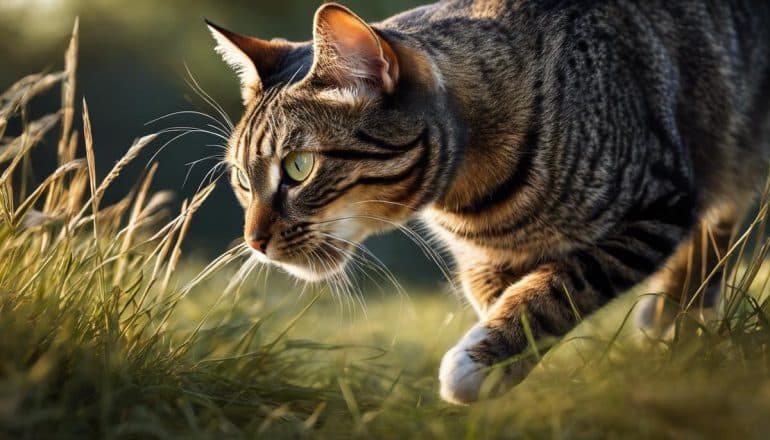
Any cat enthusiast can easily spout off characteristics commonly associated with these whiskered critters. For instance, a cat’s natural instinct includes stalking and pouncing, which serve as remarkable indicators of their exercise requirements. Even their penchant for exploration has a role to play in fulfilling their physical needs. Observe your cat’s behaviors carefully and tailor their exercise environment to mimic these inherent predilections, and rewarding playtime assured.
Let’s unpack this a little further.
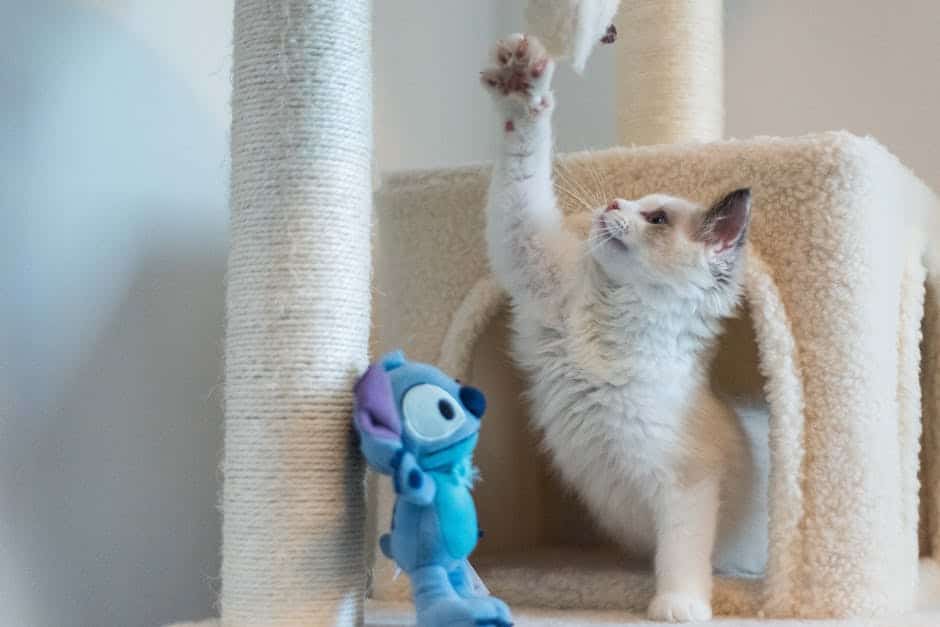
Wariness and Agility: Cats exist as naturally cautious and agile creatures. Utilizing vertical spaces, such as cat trees and shelves, accommodates these behaviors while providing an exciting workout. These additions not only multiply their exercise scope but also serve as a retreat area when they need some alone time.
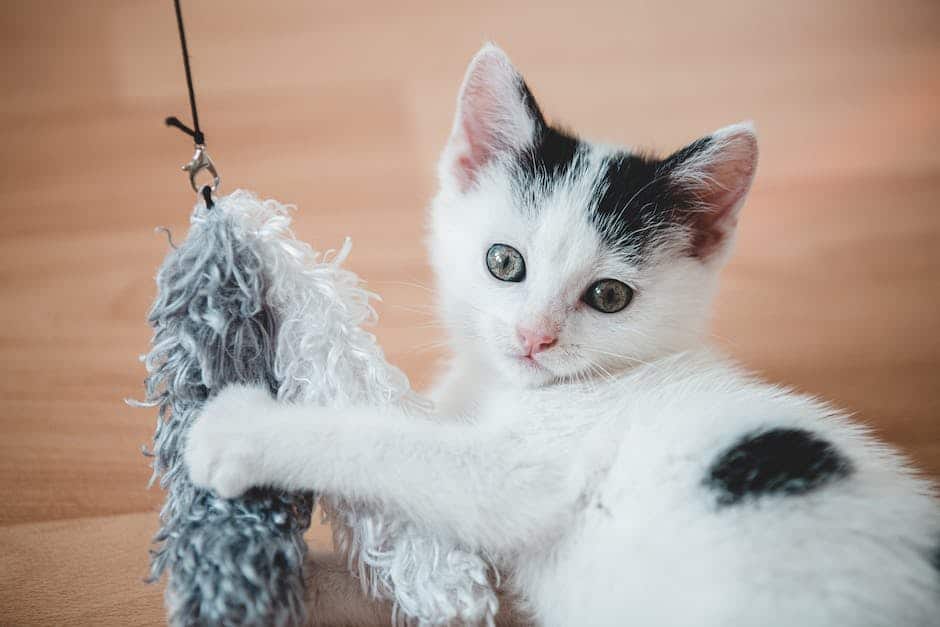
Stalking and Pouncing: A cat’s innate predatory instincts translate into the need for games that involve these actions. Engage them with toys they can chase, pounce on, and bat. Lasers, wand toys resembling birds, or simple balls can entice their inner hunter and keep them active.
Night Owls: Even in domestic environments, cats mostly follow their native nocturnal tendencies. While we’d love for them to adapt to our sleep patterns, it’s a tough switch to make. However, tiring them out before your bedtime can sync somewhat to your sleep cycle. Introduce hunt-like play sessions in the evening as a satisfying night regime.
Exploring Nature: Bringing elements of nature indoors complements the inborn desire of your cats to explore their surroundings. Interactive toys that mimic outdoor environments, like the sounds of birds or insects, can pique their interest and stimulate physical engagement.
Independence and Company: Our wonderful cats are often a mix of longing for human companionship and enjoying solitude. Cater to these varying needs by cycling between interactive playtimes involving you and self-play toys that keep them entertained even in your absence.
So there you go! Your beloved pet’s day-to-day behaviors aren’t simply whims. They indeed hold valuable clues about their physical activity preferences. By paying heed to these, you can curate an exercise routine that draws from their natural instincts, ensuring their enthusiasm during playtime and, ultimately, a happier and healthier pet! Remember, exercise is not just about maintaining their weight, but also stimulating their minds and fulfilling their inborn tendencies. Happy cat parenting!
Assessing Cat’s Health and Weight
The Ultimate Guide to Keeping Your Cat Engaged Indoors
Energizing your family home with a feline companion can be a joy! These days, many families are opting to keep their cats indoors for safety and health purposes. One important aspect of creating a comfortable environment for indoor cats is making it stimulating and engaging. This is crucial because your pet’s well-being largely relies on providing them with the right mental and physical stimulation.
Why just stop at incorporating objects like vertical spaces, interactive toys, or elements of nature into your cat’s routine? Here’s a closer look at some other interesting strategies!
Utilize Puzzle Feeders
Turn mealtime into an invigorating activity by using a puzzle feeder. Puzzle feeders engage your cat’s problem-solving skills and slow down the eating process, which is great for their digestion. It’s basically a win-win situation. You get to feed your cat while encouraging their natural hunting instincts.
Rotate Toys Regularly
Just like kids, cats can get bored with their toys too! Rotating their toys frequently can prevent boredom and maintain interest. Try doing this every week or so, bringing out “new” toys that have been put away, and putting current ones away for a bit.
Sensory Enrichment
Your feline friend appreciates a variety of sights, smells, and sounds. While having some houseplants around (that are cat-friendly, of course!) or a bird feeder outside a window can cater to their sensory needs, try playing some soothing cat-friendly frequency sounds from the internet. This could prove to be a novel experience for them!
DIY Obstacle Courses
Bored on a free afternoon? A DIY obstacle course for your pet is an excellent idea! It could be as simple as laying out some chairs to leap across or creating a tunnel with old boxes. This will not only give your cat some physical exercise, but will also keep them thoroughly entertained.
Interactive Technology
Last but not least, don’t underestimate the charm of technology. Cats fancy fluttering lights and moving objects. There are a ton of pet-friendly apps available that simulate the movement of critters and insects across the screen. If tech-savviness is your strength, why not indulge in a laser pointer exercise or a tablet game designed for your furred companion?

And there you have it! Remember, creativity is key when it comes to keeping your indoor cat stimulated and content. A satisfied cat makes for an even happier family home. So, have fun with it and keep loving every moment with your adorable, ever-enthusiastic feline friend!
Photo by bogdanf on Unsplash
Creating an Exercise Plan
The second half of the article:
Just as kids get excited about a new toy, so do cats. Always keep their interest piqued by having a rotation of toys. A good idea is to have several groupings of toys that can be alternated every few days. Not only does this keep things novel for your cat, but it also prevents overuse and potential wear out of any one toy.
Next up, consider puzzle feeders. These are not only great for mental stimulation, but also fantastic for physical exercise. Puzzle feeders require your cat to think and make movements to get the food or treat out of the feeder. This not only keeps them engaged but also mimics the foraging action they would do in the wild.
In addition, add sensory enrichment to your cat’s exercise regimen. Cats are sensory creatures and they love different textures, smells, and sounds. Consider toys that crinkle, have feathers, or bells. You can also introduce new scents such as catnip or silver vine. These sensory-enriching elements can captivate a cat’s attention and keep them engaged in physical activity for a longer time period.
Building an obstacle course at home can be both fulfilling for you and your feline friend. You can utilize cat tunnels, boxes, paper bags, or even cushions to create different routes and activity spots. Encourage your cat to move between these different elements by guiding them with a treat or a toy. Such obstacle courses can work wonders in boosting your cat’s physical agility.
Our modern world oftentimes blesses us with convenience and innovation, one of which is interactive technology tailored for cats. There are laser toys that move in unpredictable patterns, mimicking the skittering movements of bugs and engaging your cat’s hunting instinct for a proper chase. Additionally, certain apps are available on tablets that can attract your cat to bat at moving items, similar to swatting real prey. This digital play can be a creative and exciting way for your cat to get their daily dose of exercise.
Remember, exercise isn’t just about helping your cat maintain a healthy weight. Besides promoting muscular strength and flexibility, it also helps alleviate behavior problems, reduces stress, and can even enhance your bond with your furry friend. By incorporating these fun and engaging exercises, you can ensure your cat has the physical stimulation it needs for an active, happy life.
In essence, creating an appropriate exercise plan requires a deep understanding of your feline friend’s natural behaviors, current health status, and weight. Engaging activities that stimulate their hunting and playful instincts can be designed to adequately fulfill their daily exercise requirement. Indeed, a carefully considered and balanced exercise plan not only preserves the health and vitality of your cat, but it also strengthens the bond between you and your pet, offering an enriching and rewarding experience. Providing your cat with this form of mental and physical stimulation will certainly contribute toward a long, happy, and healthy life together.