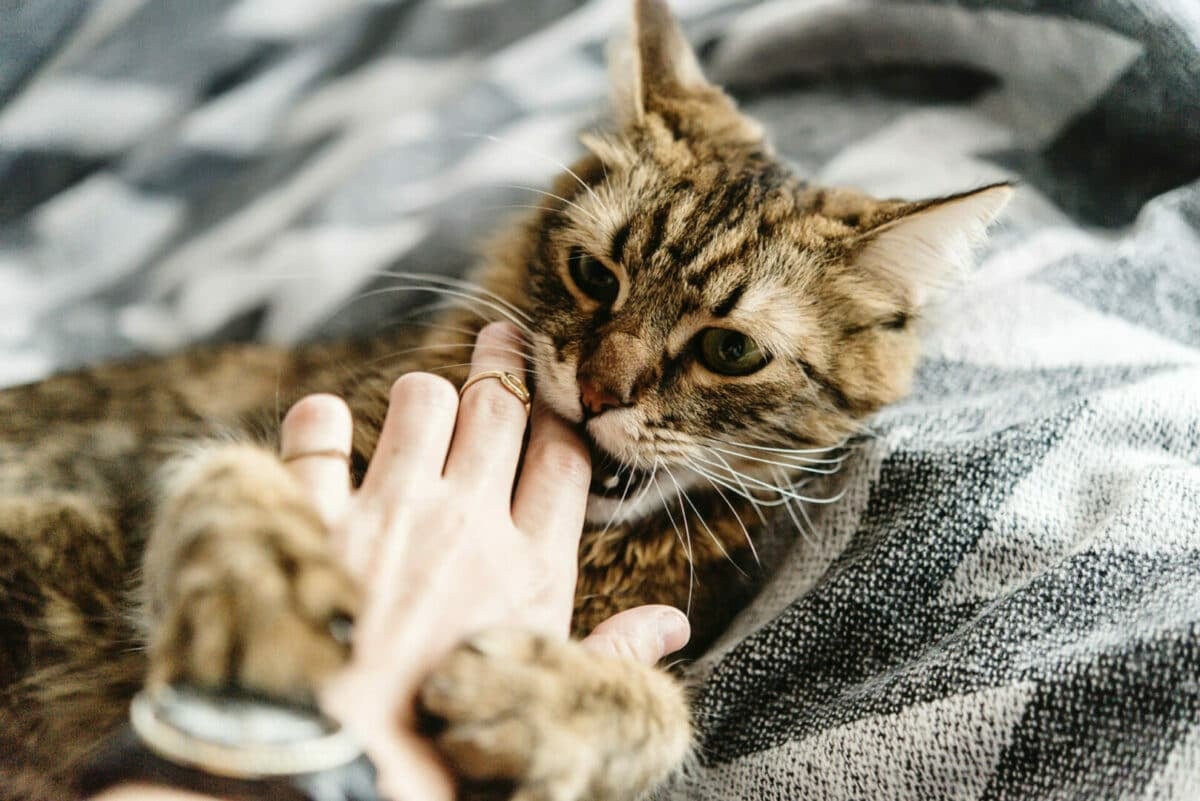

Bringing a new kitten into your home is an exciting time filled with playful frolics and adorable antics. However, it’s also a pivotal period for establishing habits and behaviours that will lay the foundation for your kitten’s adulthood. From understanding their distinctive behavioral nuances to implementing basic training techniques, helping your kitten adapt to their new environment requires patience, consistency, and positive reinforcement. Over the next seven days, we will delve into the world of kitten behavior, essential training techniques, and how to implement a reliable training schedule. This comprehensive approach aims to equip you with the fundamental tools needed to foster a healthy, happy, and well-adjusted feline companion.
Understanding Kitten Behavior
Understanding Your Furry Friend: Discovering Common Behavioral Traits in Kittens
Oh, the joys of bringing a kit of fluff into your home! Those wide-eyed stares, tiny little paws, and an adorable mew could lighten up any dull day. Having a kitten in your home indeed is a bundle of joy, but it can also be a challenging endeavor, especially when you’re trying to understand your furry friend’s unique traits and behaviors. Here, we’ll delve into the fascinating world of kittens to identify some of their common behavioral traits.
1. Playfulness- A Kitten’s Favorite PastimeKittens are synonymous with playfulness. Think about it, watch a kitten for a couple of minutes, and you’ll likely notice they quickly dart from one end of the room to another, pounce on imaginary enemies, or just wrestle with a ball of yarn! Such bouts of kitten-zoomies or playfulness not only keep them entertained but also help them to refine their hunting instincts. Additionally, by engaging in this spirited rough and tumble, kittens develop their physical coordination and strength.
2. Curiosity Didn’t Harm the KittenBeing curious is another adorable trademark of a kitten. Their world is filled with an abundance of undiscovered smells, sounds, and sights. Whether it’s jumping onto high surfaces like bookshelves and tables or poking their tiny noses into cupboards, kittens love to explore their surroundings. This tendency to investigate their environment promotes their learning and development. Just ensure the exploring remains safe by kitten-proofing your home.
3. Affectionate by NatureA kitten craves tender loving care as much as they enjoy playtime. They thrive on receiving and giving affection. The gentle head-bumps, purring sounds, or just curling up on your lap, kittens exhibit their affection in the most heart-warming ways. This proclivity for affection fosters a sense of companionship and trust with their humans, forming a bond to last a lifetime.
4. Sporadic Sleep PatternsIf you’ve noticed your furry friend napping at unexpected time intervals, you’re witnessing what’s usually termed as ‘catnapping.’ Kittens have an uncanny ability to sleep in sporadic shifts throughout the day and night. These short napping bursts help kittens conserve their energy for their active periods. However, don’t worry, as they grow older, they will adopt a more traditional sleep schedule.
5. Survival InstinctsDespite their playful and affectionate nature, kittens carry strong survival instincts. They can show borderline obsessive behavior about cleaning themselves and covering up after using the litter box—both behaviors are driven by an instinct to erase their scent, potentially protecting them from predators in the wild.
Remember, observing your kitten closely is key to understanding their unique behavioral patterns. Each kitten has their own personality and style. Embrace these behaviors as the adorable quirks that make your furball special! And as always, if something seems off, don’t hesitate to seek the advice of a vet.
Basic Kitten Training Techniques
“Effective Training Techniques for Your Adorable Kittens”
Kittens, in all their fluffy and energetic glory, can bring joy and light into any home. Their energy and zest for life are infectious! However, with all of that energy, it becomes clear that the responsibility of a kitten owner extends beyond providing food and endless belly rubs. To ensure your new fur-baby grows into a well-adjusted cat, basic training plays a crucial role. Here are some fundamental techniques to help shape your kitten’s behavior in a positive way.
Firstly, consistency is the key to success. Kittens, much like children, thrive on routine. Regular feeding times, play hours, and sleep schedules help them understand their environment better, resulting in a settled, confident kitty. Maintaining consistent rules on which areas are safe play zones or which furniture is off-limits is crucial for their safety and well-being.
Incorporating positive reinforcement should be your second thumb rule. Rewarding good behavior reduces the chance of destructive tendencies. Use treats, affection, or extra playtime as rewards for when they use their scratching post instead of your couch or when they use their litter box correctly. It might be surprising to some, but kittens pick up on such cues pretty fast!
Another technique is to set clear boundaries. When kittens cross the line, a firm “No!” in a stern voice is generally enough to deter them. However, ensure you say it immediately, as kittens have short attention spans and won’t remember their foibles later on. Physical harm or aggression should never be used, as this can lead to fear, anxiety, and behavioral problems in your kitten.
Finally, patience and understanding go a long way. Remember that your tiny kitten is just a baby. Mistakes and mischief are part of their charm and growth phase. Don’t expect too much too soon. Take things slow, observe their personality, and adjust your training techniques accordingly. Your commitment, love, and patience will surely forge an unbreakable bond between you and your feline companion.
Training your kitten doesn’t mean curbing its lively spirit. Instead, it’s about guiding them to become their best feline selves. The best way to achieve this is by creating a safe, loving, and stimulating environment for them to grow. Doing so ensures that those adorable little fluff balls mature into happy, healthy, and well-rounded companions that continue to fill our lives with purrs, headbutts, and endless cuddles.
Implementing a Training Schedule
Crafting Your Perfect Kitten Training Schedule: A Step-by-Step Guide
So, you’ve touched upon the basics of kitten behavior and considered their instinctual patterns. It’s time now to dive into the details of formulating a precise kitten training schedule that complements your fur baby’s natural instincts and encourages their growth. Creating a guideline for your furry pal to follow not only establishes a sense of structure, but also paves the way for a bond built on love, patience, and understanding.

Firstly, capitalize on your kitten’s innate curiosity. Training routines should be equally full of surprises, adventures, and explorations as they are of instructions to follow. Incorporating elements of fun into the schedule holds their attention stronger and longer. Use enticing toys, engaging puzzle feeders, and different materials to satisfy their exploring streak and gear them towards desired behaviors.
Secondly, remember that kittens need attention and affection as much as humans do, if not more. Use this understanding to intimately interweave the training activities with moments of warm cuddles and gentle strokes. Praise them vocally and give them your undivided attention during the training time. This acts as a brilliant motivation for them to stick to the routine and look forward to it.
In terms of sleeping times, kittens can have erratic sleeping patterns. This is where you need to carefully observe their pattern and carefully slot the training routines. Remember, a sleepy kitten would be quite unruly and unresponsive, making training ineffective. A good rule of thumb is to engage in training sessions just before their main meals. This makes use of their active and awake times and makes the training more fruitful.
Survival instincts are an essential part of a kitten’s behavior. Work them into your training in a way that allows your kitty to feel safe and secure. Introduce mock hunting games or allow them to jump and climb safe structures under your supervision. This not only satiates their instincts but also engenders trust in you — making them more willing to follow your training schedule.
Firm boundaries need to be set in tandem with a heartfelt understanding of a kitten’s eccentricities. Rather than reacting impulsively to their mistakes, redirection is a key strategy. For instance, if your kitten insists on scratching the sofa, guide them to a scratching post instead. This instills a positive replacement of habits rather than creating a fear-based response.
Reward-based training also works wonders. Treats can be an effective tool for every milestone they achieve. Just keep in mind that these should be healthy and safe. There’s much power in a simple praise or petting — so don’t undervalue these gestures.
In the end, no one-size-fits-all approach exists in kitten training and parenting. Know the strengths and weaknesses of your fur-baby and adjust the training techniques accordingly. Offer them a stimulating and nurturing environment, although there would be a few missteps along the way, remain patient and loving. Enjoy the journey of crafting your kitten’s training schedule as a testament to the beautiful relationship that you and your kitten are in the journey of building!

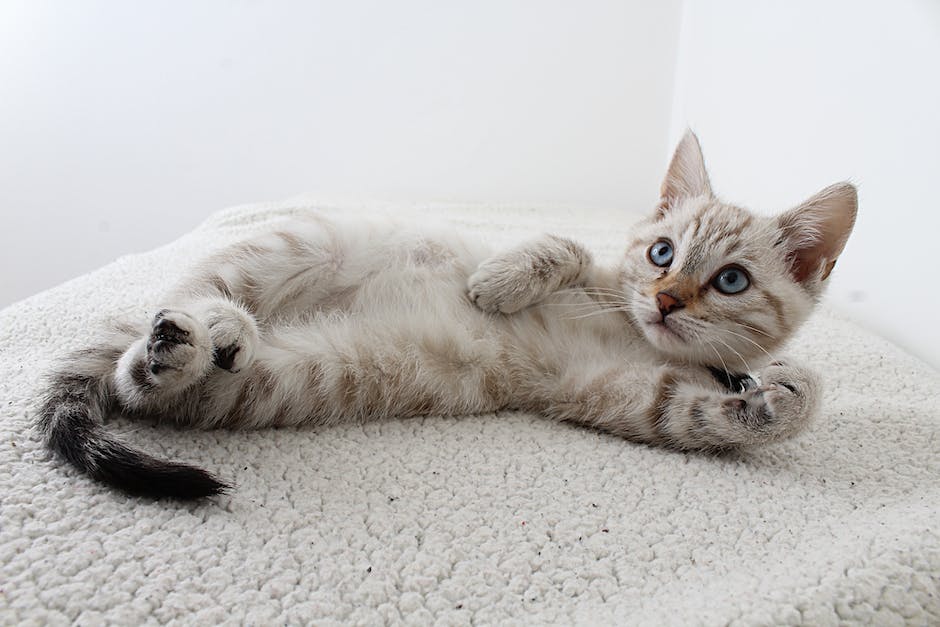
Photo by steve_j on Unsplash
After venturing through a weeklong journey of kitten training, you’re now equipped with knowledge about understanding your kitten’s behavior, training techniques, and implementing a successful routine. While every kitten is unique and some may take more time or require different strategies, consistency and patience will eventually yield joyful results. Remember, this is merely the beginning of a lifelong relationship with your feline friend who will soon grow to be an integral part of your family, enriching your life in ways unimaginable. Here’s to a future filled with loving purrs, cozy cuddles, and playful chases. May your bond with your kitten grow stronger with every passing day, molding your little furball into a well-mannered adult cat.