
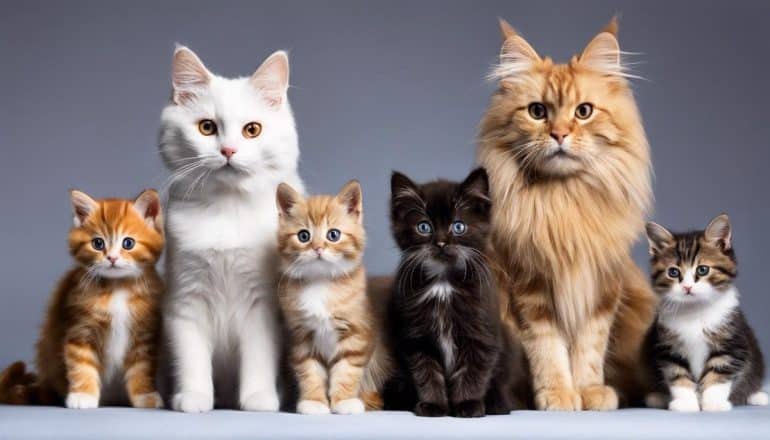
Our domestic companions, the cats, exist in varied shapes, sizes and breeds, each presenting their unique idiosyncrasies, needs and life expectancies. Just as with human lives, cats’ lifespan varies drastically depending on numerous factors from genetics to daily care requirements. This essay dives deep into understanding the lifespans of different cat breeds, specifically focusing on the ones with the shortest lifespans. The aim is to enlighten cat lovers or potential pet parents about the commitments associated with shorter-lived breeds, so that one can make an informed decision while expanding their family with a feline member.
Knowing The Lifespan of Different Cat Breeds
There’s an undeniable allure to the purring companionship of feline friends, their playful antics easily carving a special place in our hearts and homes. Indeed, every cat brims with unique personality traits that provide equal measures of amusement, comfort, and bonding experiences for the family.
However, ever noticed that particular cat breeds seem to have shorter lifespans than others? It’s a heartbreaking fact for any cat-loving family. All cats are lovely and enrich our lives, but it’s admittedly bracing to discover that some cats might not be around for as long as we’d hope. But why? Why do specific cat breeds appear to live less compared to others?
Let’s dig into this fascinating yet somewhat melancholic query, shall we?
First off, the reason can largely be attributed to genetics. Just like humans, cats come with their unique bag of genetic traits, some of which unfortunately, predispose them to specific health issues. Some breeds, such as Persians or Maine Coons, have a history of hereditary health problems. Persians, for instance, commonly deal with Polycystic Kidney Disease, while Maine Coons can suffer from Hip Dysplasia. These concerns sadly may lead to a reduced life expectancy.
Another important factor nudging at your kitty’s lifespan can be breed size. Generally, larger cats can be prone to more health issues, which sadly may lower their life expectancy. For example, the majestic Maine Coons are often much bigger compared to other breeds. These feline beauties tend to have more strain on their hearts due to their size, making them more susceptible to heart disease.
Lastly, let’s not forget that each cat breed has unique physical features that might lead to health concerns. The darling Scottish Fold, for instance, is wildly popular for its adorable folded ears, but this very trait can make them susceptible to painful and debilitating ear infections. Similarly, the stunning Siamese cats, with their striking blue eyes and sleek figure, often face respiratory difficulties due to their distinct head shape.
Of course, while breed can play an integral role in the typical lifespan of your cuddly companion, it’s crucial to note that quality care, a healthy diet, and abundant love can significantly enrich and extend their lives. As doting caregivers, it falls upon us to ensure our feline friends get routine check-ups, a balanced diet, and lots of physical exercise, irrespective of their breed. After all, every kitty deserves a long, happy, and healthy life.
In closing, while it’s true some breeds may be predisposed to shorter lives due to genetics, size, or distinct physical traits, it’s equally true that you can have a loving part to play in your cherished cat’s happiness and longevity. Let’s continue to love and look after our purring pals diligently because, in the end, it’s the quality, not the quantity, of time we share with our cats that make all the difference.

The Impact of a Cat’s Lifespan on Family Life
Allow me to take you on a journey to further explore the deeply fulfilling endeavor of being a cat parent, where we pay special attention to the expected lifespan of different cat breeds. Familial fluff bounds our homes with comfort and joy, but mapping the lifespan of these bewhiskered buddies can add new hues to our understanding of cat parenting.
Understanding the breed-specific lifespans empowers parents to gain foresight regarding development stages. Each stage, be it kittenhood, adulthood or senior citizenship, comes with valuable experiences and its own set of challenges. Knowing the expected duration of these stages guides our expectations and can shape how we strategize milestones in our busy family schedules.
The acknowledgment of a lifespan greatly humanizes the pet owning experience, fostering deeper bonds with our feline friends. As we acquire knowledge about a breed’s lifespan, we come to appreciate them for the individual journey they are on. We resonate more profoundly with their experience, becoming not just caregivers but companions in their life’s journey.
Knowing what lies ahead in terms of life expectancy for the breed of your choice adds another dimension to decision-making. Family routines, financial abilities, emotional investment capacity, and domestic atmosphere are all factors that come under consideration. Acknowledging the reality of aging and eventual loss may be an element that strengthens family resilience and communication on topics about life and love.
Recognizing the breed-specific lifespan can serve as a motivator for optimal cat care. With the understanding of potential longevity comes a responsibility to create an environment conducive to life. Ensuring regular health check-ups, stimulating physical activities, and a nurturing environment will undoubtedly be focal points of attention.
A lifespan measured in cat years also helps in making conscious choices about adopting, rather than shopping for cats. Older cats or breeds with shorter lifespans are often passed on for kittens or breeds with longer life expectancies. However, understanding that love and companionship aren’t measured in years could shift our perspective towards adoption.
Lastly, an awareness of the lifespan can influence our approach to enrichment activities. We could choose early engagement in activities that stimulate cognitive and physical abilities, ultimately aiming to boost quality of life for the duration we get to spend with our loving companions.
One thing is sure. Whether the cat’s journey is a mere sprint or a marathon, every second we invest, every purr we hear, and every contented flick of the tail makes our family nest a little more like home. After all, it’s not about counting the years, but about making the years count. Being a cat parent is about savoring the fleeting, treasured moments; it’s a commitment to providing love unmeasured in cat years.

Photo by sadmax on Unsplash

Selecting the Perfect Cat Breed for Your Family
Understanding different cat breed lifespans is like becoming a feline age consultant, helping you to help your fur-baby enjoy their golden years in comfort and health. Knowing the lifespan of varied breeds can allow you to be aware of what to expect as your feline companion ages.
Cats go through different stages of life, much like us humans, and each stage comes with its challenges and delights. From the playful and energetic kitten phase, navigating through the curious and adventurous teenage years, into the mature adult stage, and settling into the slower-paced but equally valued senior stage. In being aware of your cat’s breed lifespan, you can anticipate and cater to their needs at every life stage.
Acknowledging the lifespan of a cat brings a certain realness to pet ownership, humanizing the experience. Truth be told, when we welcome a pet into our family, we also make a silent promise to see them through all their life stages. Thus, knowing the life expectancy of your cat’s breed can better equip you for this lifelong journey.
Choosing a cat breed based on lifespan means factoring in your family’s lifestyle, financial ability, living situation, and, most importantly, your commitment level. Shorter lifespan breeds might require more vet visits and medical attention, while longer lifespan breeds might be around long after the kids have left the nest.
In our unending quest to be purr-fect cat parents, understanding breed lifespans hones our responsibility. It informs us that the care, love, and environment we provide to our feisty feline can significantly affect the quality and length of their life.
This knowledge also brings to light the subject of adoption. Unfortunately, older cats or breeds with shorter lifespans often get overlooked. By shifting our perspectives and embracing these breeds, we can afford them the love and care they truly deserve in their sunset years.
Being mindful of a cat’s lifespan can also guide how we engage and interact with our feline friends. Shorter lifespan breeds might enjoy more vigorous play, while older or longer lifespan breeds might prefer gentler activities. By being aware of your fur-baby’s breed lifespan, you can tailor enrichment activities that are enjoyable yet suitable for their age.
In the end, knowing different cat breed lifespans reminds us to cherish and savor each moment we have with our feline companions truly. After all, what matters is how we fill the time we have with love and happiness, regardless of how long it may be. Because in the grand tapestry of our lives, “cat years” will always be infinitely precious.
Photo by kabofoods on Unsplash
Embracing a pet cat into the family circle is not just about providing a home to a furry friend, but also about establishing an unbreakable bond of companionship, love, and shared responsibility. The lifespan of our feline friends, however, is a critical factor that should guide our adoption decision. Having an understanding of different cat breeds and their respective lifespans permits families to select the right pet, one that aligns with their family routine, lifestyle, and the kind of responsibility they are ready to undertake. Always remember, whichever breed one chooses, the journey of pet ownership becomes truly fulfilling when we are prepared to respect and accommodate the unique needs and healthcare requirements of our pets.