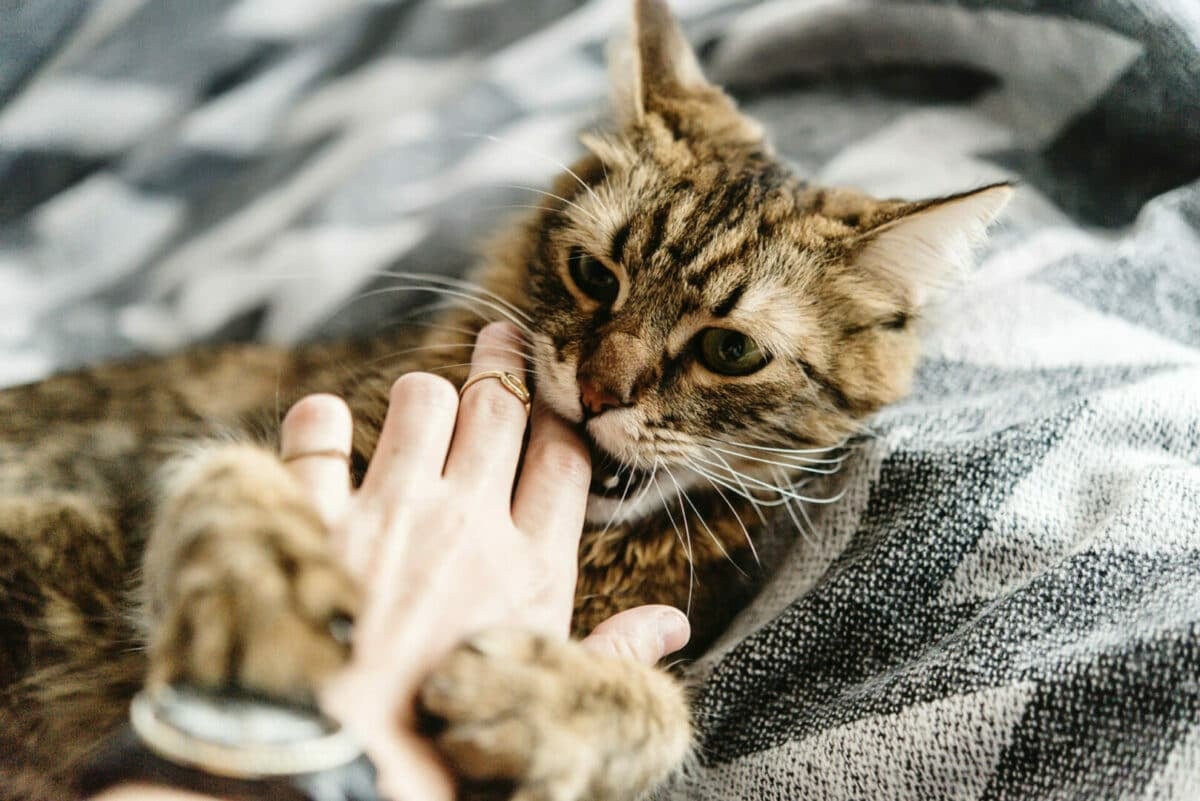
Cats are known for their self reliant nature but just like humans they can also get sick and need attention. It’s important to be observant of any changes in your cats behavior, appearance and daily routines to catch health issues early on. In this essay we will discuss aspects of feline health including how to recognize signs of illness when to seek professional assistance and ways to care for your sick cat at home. With this knowledge, at hand you’ll be better prepared to ensure your beloved feline companion enjoys an happy life while receiving the necessary care when they fall ill.
Recognizing signs of illness in your cat
Hip, hip, hooray for our feline pals! These adorable creatures bring us much happiness and make great companions. Unfortunately like us humans they can sometimes get sick too.. How can we spot the signs when our beloved kitties can’t exactly tell us what’s wrong? Well I’ve got news for you; there are some easy, to spot symptoms to keep an eye out for.. The best part is that there are usually simple remedies readily available once we identify the issue.
Keeping an eye on how your cat eats can give you insights into their overall well being. Any sudden shifts in appetite whether its an increase or decrease could be a sign of a health problem like diabetes or an upset stomach. Similarly it’s important to pay attention if there are any changes in their water intake. Cats typically don’t tend to drink so if they suddenly start drinking more, than usual it could be a sign of kidney problems or diabetes.
One more thing to be cautious, about is if your cats weight starts changing. Losing weight rapidly might suggest the presence of a disease whereas gaining weight rapidly could indicate cat obesity, diabetes or potentially even heart disease.
The condition of your cats fur can also provide insights into their health. Cats who are, in health typically take pleasure in grooming themselves. If you notice that their coat appears dull, patchy or greasy it could be an indication that they are not feeling well or experiencing stress.
Your cat may exhibit stool or urination patterns as another symptom. If you notice constipation, diarrhea or if they seem to be straining while using the litter box it could indicate health issues. Additionally if your cat frequently urinates outside of their litter box without any prompting it could be a sign of tract diseases.
Lastly the behavior of your cat can also provide insights, into their overall health. If your active and playful cat suddenly becomes lethargic, uninterested and less engaged it could be a sign of various illnesses.
It’s important to remember that having these symptoms doesn’t necessarily mean there’s a health issue. If you notice any of these signs the first thing to do is try not to worry. Cats can have off days like us when they’re not quite feeling themselves. However it’s always an idea to reach out to your vet if the symptoms continue or if you have a gut feeling that something isn’t right.
You have an understanding of your cat that surpasses anyone elses. Utilize this connection to ensure that they lead a fulfilling and healthy life. By showering them with love and care you can assist them in overcoming any health obstacles they may encounter. Love, attentiveness and keen observation form the bedrock of maintaining feline health. It’s reassuring to know that once identified most cat health concerns can be effectively managed, within the familiar confines of your own home!
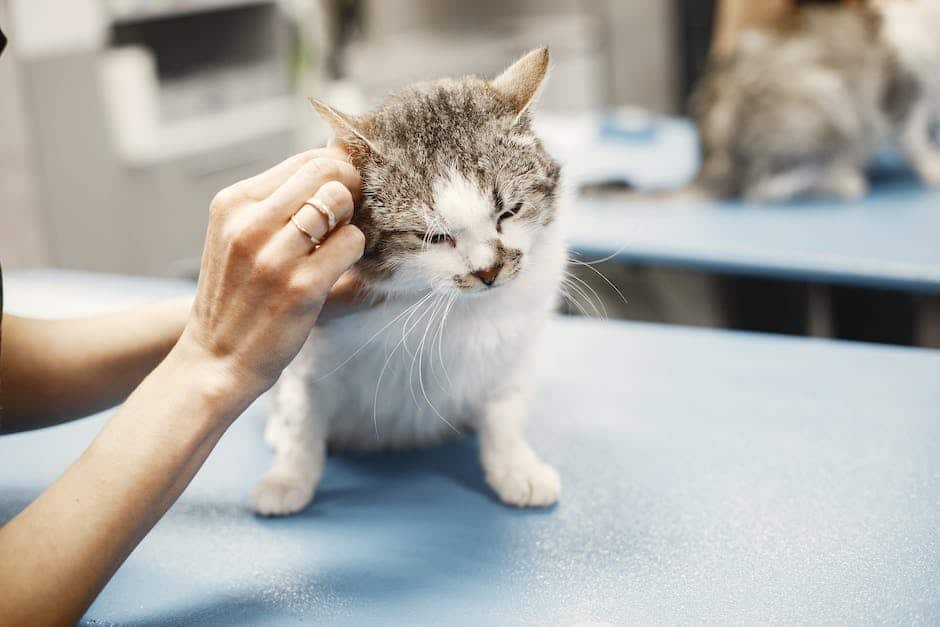
Guidance on when to seek veterinary care
When is it Time to Say, “Vet, Please Check My Furry Feline Friend”?
You’ve cherished every moment spent with your cat. The playful bursts of energy the gentle headbutts and the soothing purrs that lull you into slumber.. As a responsible cat parent it’s crucial to keep a close eye on your feline friends health for any signs of illness that may require a visit to the vet. While we’ve already talked about changes, in appetite, water intake, weight, coat condition, bowel movements, urination patterns and overall behavior there are other subtle details worth being mindful of. Lets explore them further.
When it comes to your cats behavior as a cat owner you have the understanding of their usual patterns and habits. Therefore if you notice any deviations from their selves you will be the first to recognize them. Subtle changes in behavior such as variations in their socialization, playtime or sleep routines could potentially indicate an underlying health issue. If these alterations persist for a period of time it might be advisable to schedule a visit, to the veterinarian.
Now lets talk about sounds that cats make. Cats are famous for their range of vocal expressions but if you notice any alarming or unusual noises coming from your cat it could be a cause, for worry. If your quiet cat starts meowing, purring, hissing or yowling excessively and for a long time it might indicate discomfort, distress or possibly even illness.
Even though cats may seem self sufficient there are times when they require our assistance particularly when it comes to maintaining their health. Is your feline companion experiencing breath? It’s important to note that this is not solely attributed to tuna consumption; foul breath can often be a sign of dental issues or even kidney problems. Additionally other oral health concerns may manifest as drooling eating difficulties or swollen gums. These signs should never be. Taken lightly.
Cats often dislike displaying vulnerability. There are instances when they may attempt to conceal an injury or illness. That’s why it is crucial to inspect your cat for any noticeable wounds, skin problems, unusual lumps or bumps that you might not have noticed before. By doing you can prevent your feline companion from experiencing unnecessary discomfort.
Keep in mind that the eyes can provide insights into your pets well being and inner self. If you notice any alterations in your cats eyes such as changes, in color, cloudiness or signs of vision impairment it’s crucial to take action and seek assistance.
Keep in mind that even if you follow these guidelines there may be instances where your instincts as an owner are the best indicator. Trust your intuition. If you feel that something is not right with your companion don’t hesitate to consult a reliable veterinarian, for guidance.
Although most cat health problems can be addressed with care at home it is important to remember that seeking advice from a veterinarian is always a good option when you’re unsure. Your dedication plays a role, in keeping your beloved cat healthy, happy and an integral part of your family for years to come. Stay attentive stay informed and never forget the joy that comes from having a contented kitty purring beside you.

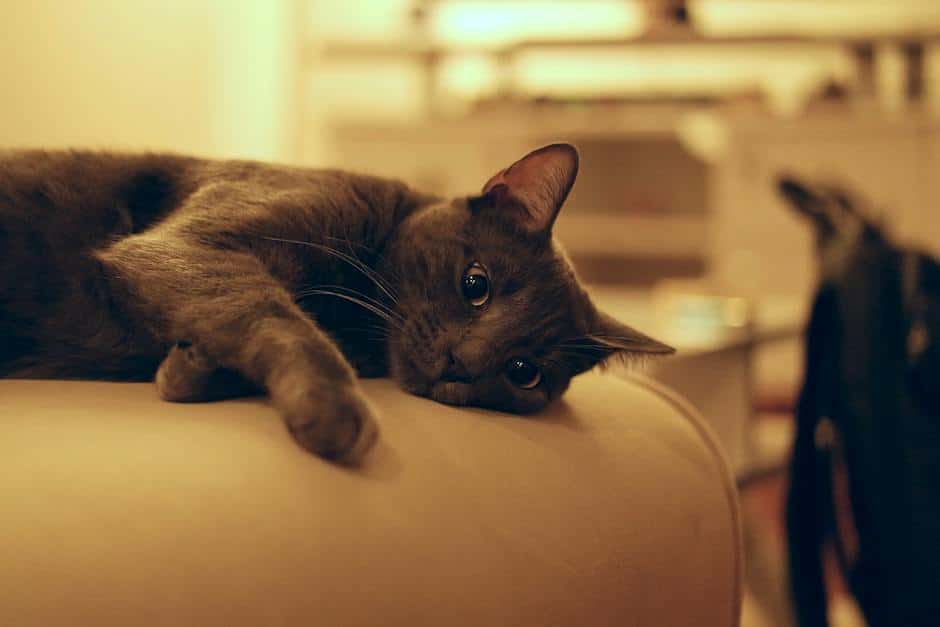
Caring for a sick cat at home
A Comprehensive Guide, to Caring for a Sick Cat at Home
Being a cat owner it is natural for you to prioritize the health and happiness of your feline companion. Your affectionate bond with your friend makes it worrisome when they are not feeling well. However you can be at ease knowing that there are actions you can take and precautions you can implement to ensure that your cat receives the comfort and care, during their illness.
At the top of your list for taking care of your pet you should prioritize actively observing any changes in their behavior. Like humans when they’re not feeling well cats may exhibit noticeable changes, in their behavior. They might become distant display signs of aggression or sleep excessively. It’s important to keep in mind that these behaviors are often indications that something may be off. This is the time when you should consider giving your companion some extra care, love and attention.
Next it’s important to be attentive to any vocalizations from your cat. Normally cats tend to be animals and only make noise when they’re truly distressed. So if your beloved feline companion starts making sounds or meowing more frequently, than usual it definitely deserves some extra attention.
Make sure you also take some time to check your cats health. If your cat has breath or a lot of plaque it could be a sign of dental disease. If left untreated this can cause health problems, like kidney issues. Regular check ups will definitely help catch any problems on.
Make it a habit to regularly check your pet for any injuries or abnormalities such as lumps, cuts or changes in their skin color or fur. Additionally keep an eye on their eyes. Watch out for any changes in color, size or shape as it could indicate a potential health problem, like diabetes or high blood pressure.
Finally don’t forget to rely on your instincts as an owner. You have an understanding of your cat and can often detect when something isn’t quite right. If you have a gut feeling that something is off it’s likely worth paying attention to.
However it’s important to keep in mind that there are situations where seeking assistance from professionals is necessary. If your cat is exhibiting signs of pain, loss of appetite or severe illness it’s advisable to consult a veterinarian. A responsible cat owner understands that providing the care for a sick cat involves a combination of, at home care and professional medical attention.
Remember, your main goal as a pet owner is to ensure your furry companion feels safe and loved while maintaining their well being. By offering patience, empathy and proper care any illness they experience will only be a setback. Before you know it your mischievous feline friend will be back, to their self!

It’s crucial for pet owners to understand their cats health. Being able to recognize signs of illness knowing when it’s necessary to call the veterinarian and taking care of a sick cat at home are all important aspects of being an informed caregiver and ensuring your cat is, in good health. As the caretaker showing love, compassion and patience towards your sick cat can greatly improve their recovery time. So pay attention to your cats behaviors and keep this knowledge in mind; it could make a significant difference when your beloved feline needs you the most.