Welcoming a feline friend into your home brings both joy and responsibility, and one of the fundamental aspects of cat care is ensuring that your pet’s hygiene needs are comfortably met. A litter box serves as a personal bathroom for your cat, and your ability to provide one that they’re content with is crucial for their well-being and your household cleanliness. This essay delves into the intricacies of selecting a litter box that caters to your cat’s preferences, the journey of finding the litter that will entice your feline to dutifully bury their waste, and the crucial aspects of litter box placement and maintenance that promote consistency in habits and a harmonious living space for everyone.
Choose the Right Litter Box
Purr-fect Picks: Choosing the Ideal Litter Box for Your Feline Friend
Hey there, fellow parents and pet-lovers! Are you scratching your head trying to pick out the best litter box for your kitty? Worry not! Just as we strive to create a cozy and loving home for our two-legged family members, we want our four-legged pals to feel just as comfy and cared for. Let’s dive into the ins and outs of selecting a litter box that’s sure to get a purr of approval from your feline friend.
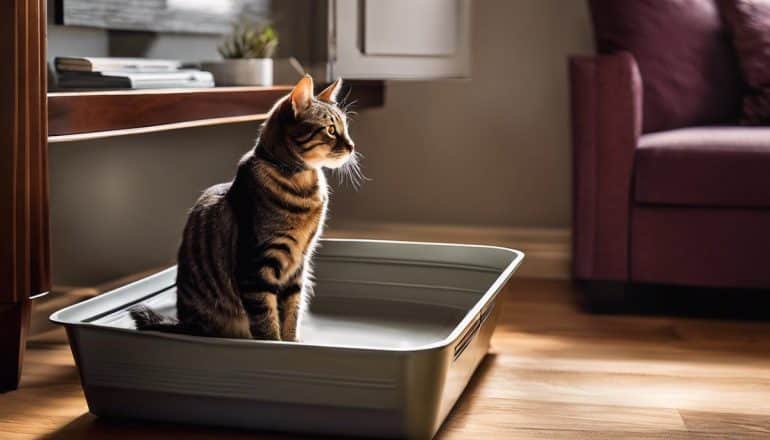
First up, size matters! For our adult cat companions, a spacious litter box is a must. The general rule is to choose a litter box that’s at least one and a half times the length of your cat from nose to tail—especially if they like to do a curious cha-cha while they’re covering up their business. As for kittens, a smaller box with lower sides will do, making it easy for those little paws to hop in and out.
Next on the list: style counts. You’ll likely come across open litter boxes, which are simple and offer plenty of ventilation. However, if privacy is what your cat craves, a hooded litter box provides a secluded spot for them to do their thing. Just remember to keep it clean, because no one, not even a cat, enjoys a stuffy restroom.
For the modern parent on-the-go, self-cleaning litter boxes are like a dream come true. These fancy gadgets use sensors to rake away waste into a separate compartment after your cat has exited the box. It’s a time-saver, for sure, but make sure your kitty isn’t afraid of a little noise and movement before investing in this tech-savvy option.
Let’s not forget about the material. Plastic is the most common choice for its durability and ease of cleaning. If you’re leaning towards a more eco-friendly solution, there are even boxes made of recycled materials. Whichever you choose, ensure it’s sturdy enough to withstand your cat’s digging and durable enough for regular scrubbings.
Lastly, location, location, location! The spot you choose in your home to place the litter box can be as important as the box itself. It should be in a quiet, accessible area, away from high-traffic zones and not too close to your cat’s food and water bowls. Cats appreciate a little discretion, and an ideal spot helps prevent “accidents.”
So there you have it, the lowdown on kitty litter boxes. Pick the right size, choose a style that suits your cat’s personality, consider a self-cleaning box if convenience is king, select a durable material, and place it in a cat-approved spot. With these tips, you’ll have a litter box solution that’ll keep you and your whiskered companion happy as clams. Now, go on and make that litter box choice a tail-twitching success!
Select Appropriate Litter
Stepping into the world of litter can be just as crucial as choosing the perfect box for our feline friends. It’s a key component to ensuring a smooth transition for kittens learning the ropes, or maintaining a consistent routine for adult cats. Let’s dive into the nitty-gritty world of cat litter and find out which one can make litter box training not just effective, but a breeze.
When it comes to litter box training, the type of litter you choose can either be a stepping stone or a stumbling block. For kittens just starting to learn, non-clumping clay litter can be a great start. Its finer texture is gentler on their tiny paws and the absence of large clumps makes it easier for them to dig and cover, which is a natural instinct. Plus, non-clumping litter is more forgiving when it comes to covering odors, making it a great teacher for proper bathroom habits.
However, once kitty has graduated from their initial training, transitioning to clumping litter is the next step. Scoopable litters are a hit because of their convenience. They form nice, tight clumps around waste, making it super simple to spot-clean the box. Not to mention, it helps control odors remarkably well, keeping the home smelling fresh. It’s like giving a mini high-five to your noses every time the box is tidied up.
Another pooch to consider is the dust factor. Cats, much like humans, aren’t fans of breathing in a dust storm. Dust-free litter varieties are fantastic for reducing the cloud of litter dust that can rise during digging and scooping. This not only helps those with allergies and respiratory issues but also keeps your home cleaner. A win-win if ever there was one!
For our eco-friendly families, biodegradable litters made from recycled paper, wood, corn, or wheat offer an excellent alternative. These litters are often lighter on the planet and many times flushable, which is quite the convenience. More importantly, they’re safe if kitty decides to taste-test their litter during training—something we all know curious kittens are guilty of doing.
And let’s not forget about odor control. A litter’s ability to keep smells at bay can make the difference between a peaceful abode and a scented fiasco. Charcoal or carbon in the litter can be particularly good at absorbing those not-so-pleasant aromas. Because let’s face it, a stinky litter box isn’t on anyone’s dream home decor list.
Consistency is key throughout the training process. Once you’ve found a litter that suits both the trainee’s and your needs, stick with it. Cats can be quite particular when it comes to their bathroom habits, and switching litters too often can result in avoidance and accidents.

In the end, blend patience with the right litter choice, and you’ll have the purrfect formula for a stress-free and successful litter box training adventure. Keep in mind, the goal is not only to train but to provide a lifelong comfortable spot for your cat. With these pointers, a dash of love, and a sprinkle of understanding, litter box training need not be a daunting task. Instead, it can be an opportunity for bonding and understanding your feline family member a little better. Happy scooping!
Litter Box Placement and Maintenance
Continuing our cozy chat about litter box essentials, let’s dive into the nitty-gritty of placement and cleanliness. Every feline friend deserves a well-maintained space, and getting these elements right ensures a harmonious home for both kitties and their humans.
With the basics of box selection and litter choices well in hand, let’s talk about the ‘where’ of the matter. When placing the litter box, remember that privacy is key. Cats are private creatures by nature, and they appreciate a discreet spot to do their business. A low-traffic corner in a laundry room or bathroom often works best. Ensure it’s away from their food and water—no one likes to eat near their restroom, after all!
Placement isn’t just about the cat’s preferences, but also practicality for cleaning and odor control. Avoid tucking it away in hard-to-reach areas. You’ll be more likely to stay on top of cleaning if the litter box is easily accessible to you, without being a focal point for guests.
Speaking of cleaning—how often should that litter scoop be put to use? It’s simple: Scoop daily. Yes, daily. Removing clumps and solids every single day prevents unpleasant smells and maintains a welcoming environment for your cat. This routine also allows an early alert to any changes in your cat’s health that can be spotted through their waste. Plus, a clean litter box discourages your cat from seeking alternative spots around the house.
The litter itself should be replaced and the box cleaned thoroughly every one to two weeks. This involves emptying the box entirely, scrubbing it with a gentle, cat-safe detergent, and refilling it with fresh litter. If using a liner, replace it during the full clean to prevent any build-up of odors or residue.
Remember, consistency is comfort to a cat, so maintaining a regular cleaning schedule makes the litter box a reliable and familiar place for your furry family member. It might seem like a small part of cat parenting, but it goes a long way to ensure a healthy, happy environment for everyone in the household. So, keep that scoop handy, and let’s keep our feline friends purring with delight in a well-managed home!
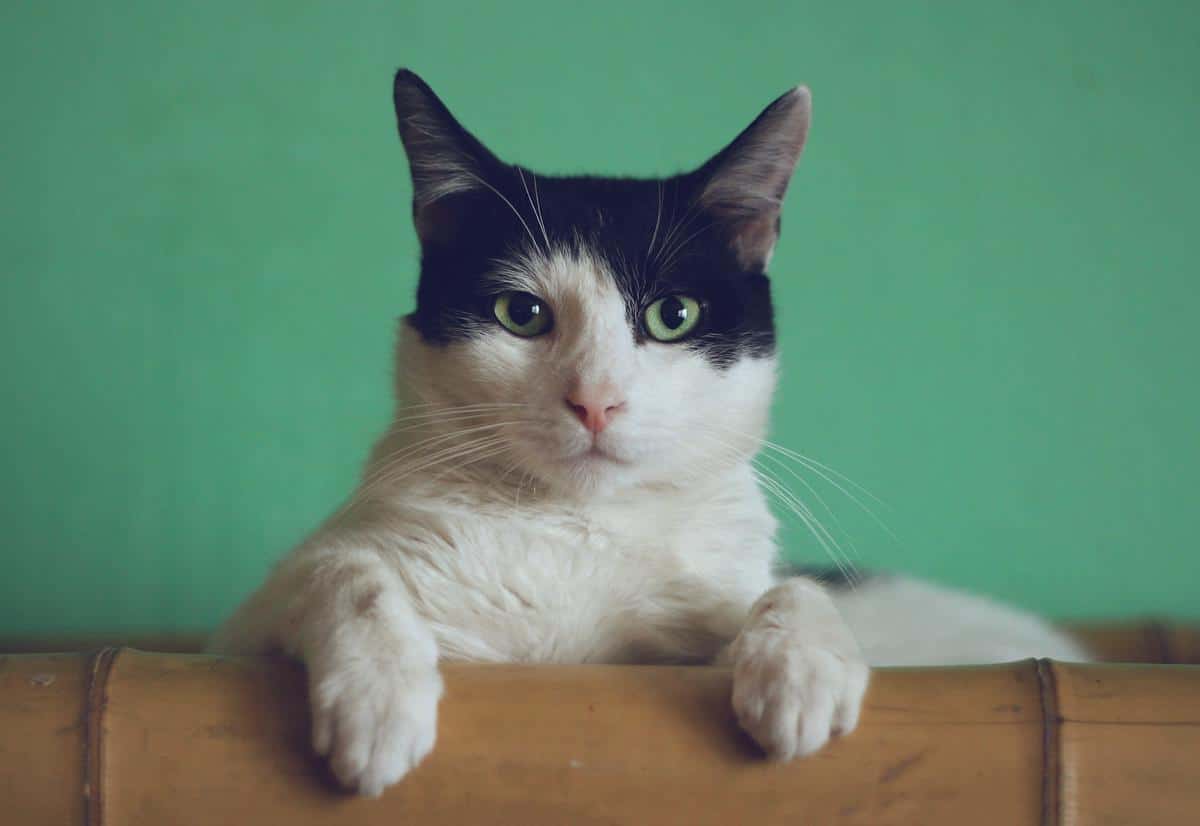
Photo by madhatterzone on Unsplash
Embracing the role of a conscientious pet parent involves understanding and catering to your cat’s natural behaviors and preferences. Proper litter box management serves as one of the cornerstones of feline care, impacting everything from household sanitation to your cat’s psychological comfort. By implementing the insights and strategies outlined, your efforts will cultivate an environment where your cat’s instinctive needs are respected, ultimately leading to a happier, healthier companion who feels at home in every corner of your abode, especially in their designated sanctuary: the litter box.