As a cat owner, you know that your feline friend isn’t just a pet; they’re a part of the family. Ensuring their health and happiness means paying attention to all aspects of their care, including grooming. While cats are known for their self-cleaning habits, there are still crucial grooming tasks that require your attention. In this comprehensive guide, we will delve into the importance of regular grooming routines, tailored to your cat’s unique needs. From understanding the frequency of brushing dictated by your cat’s coat type to the nuances of nail and dental care, we’re here to walk you through creating the optimal grooming schedule. Keep reading to learn how you can enhance the well-being and comfort of your precious companion through thoughtful grooming practices.
Frequency of Brushing
Purr-fect Grooming: Brushing Your Cat for Optimal Fur Health
Hey there, fellow parents and cat enthusiasts! We all adore those warm cuddles and lazy afternoons with our furry feline friends, don’t we? But when it comes to keeping their coats sleek, shiny, and healthy, are we doing enough? Brushing our cats isn’t just about reducing the fur tumbleweeds rolling across the living room floor; it’s also about their health and our bond with them. Let’s dive into just how often our whiskered pals need that spa-like brush treatment to stay in tip-top shape!
Firstly, understand that the frequency of brushing depends on a couple of factors – the type of coat your cat has and whether they are a mostly indoor or outdoor cat. Here’s a little cheat sheet:
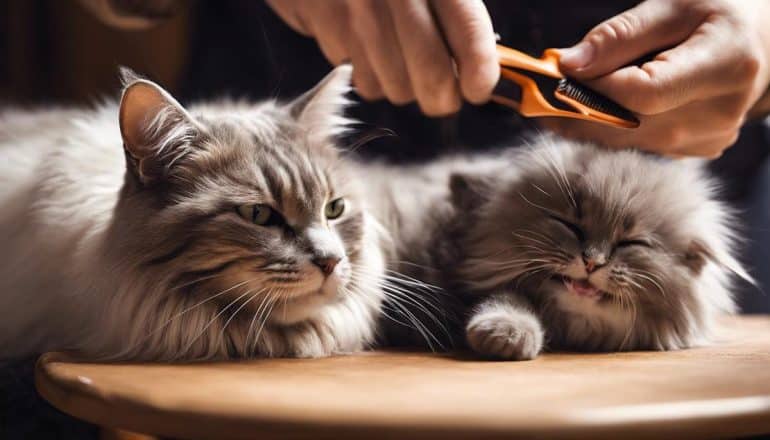
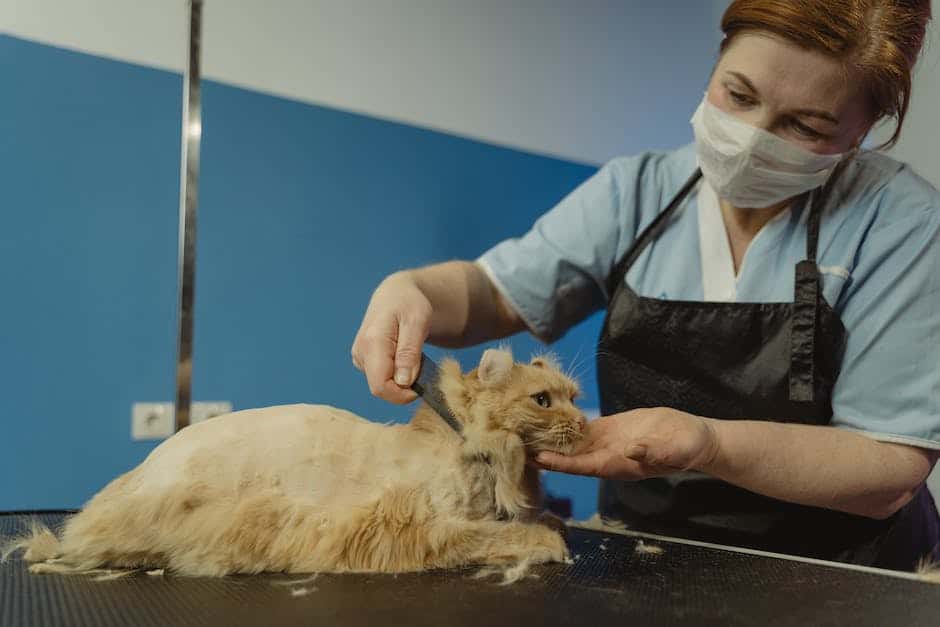
- Short-haired cats: They’re typically low maintenance, but that doesn’t mean they don’t deserve regular grooming. Aim for a good brushing session about once a week. This will help remove dirt, grease, and dead hair, preventing matting and lessening hairball incidents. A basic bristle brush or a fine-toothed metal comb should do the trick.
- Medium to long-haired cats: These glamorous kitties require a bit more attention to keep their coats from tangling. Ideally, a daily brush with a wide-toothed comb or a slicker brush will keep those locks luscious. At the very least, aim for a thorough grooming session every two to three days.
- Outdoor cats: Our adventurous roamers who split their time between cuddles on the couch and exploring the great outdoors may need more frequent brushing. Dirt, leaves, and other outdoor debris can get caught in their fur, so a quick daily once-over is a good idea, regardless of their fur length.
- Indoor cats: They’re less likely to get dirty but can still benefit from regular brushing. It keeps their coat shiny by distributing natural oils and reducing the potential for hairballs which, let’s face it, are no fun for anyone involved.
Remember, brushing can be a bonding activity that many cats grow to love. If you’re introducing a new grooming routine, start slow and keep sessions short. Be gentle, treat them afterward, and turn grooming into a positive, stress-free experience. A cat that’s used to being brushed from kittenhood will usually come to enjoy it and even look forward to it!
So there you have it, friends – a simple guide to keeping your cat’s coat in purr-fect condition. It’s not just about the brush; it’s about the love and care that goes into each stroke. Happy grooming!
Bathing Your Cat
Shifting gears from brushing to bathing, let’s dive into the sometimes slippery topic of whether our feline friends need a good scrub in the tub. While it’s well-known that cats are fastidious groomers, dusting off the whiskers to tackle bath time can sometimes be an important part of them keeping clean.
Firstly, it’s not common to bathe a cat routinely, as frequent baths can irritate their skin, remove essential oils, and cause undue stress. However, there are occasions when a bath is necessary for a cat’s health and hygiene.
So, when exactly might a cat require a bath? If your fur baby gets into a sticky or toxic substance, a bath is definitely in order. Overweight cats or those with mobility issues might also need assistance with cleaning. Additionally, some medical conditions may call for regular baths as part of treatment.
Now, let’s talk turkey – or should we say “tubby”? For the rare times a bath is needed, here’s how to make the process a tad easier for both you and your kitty:
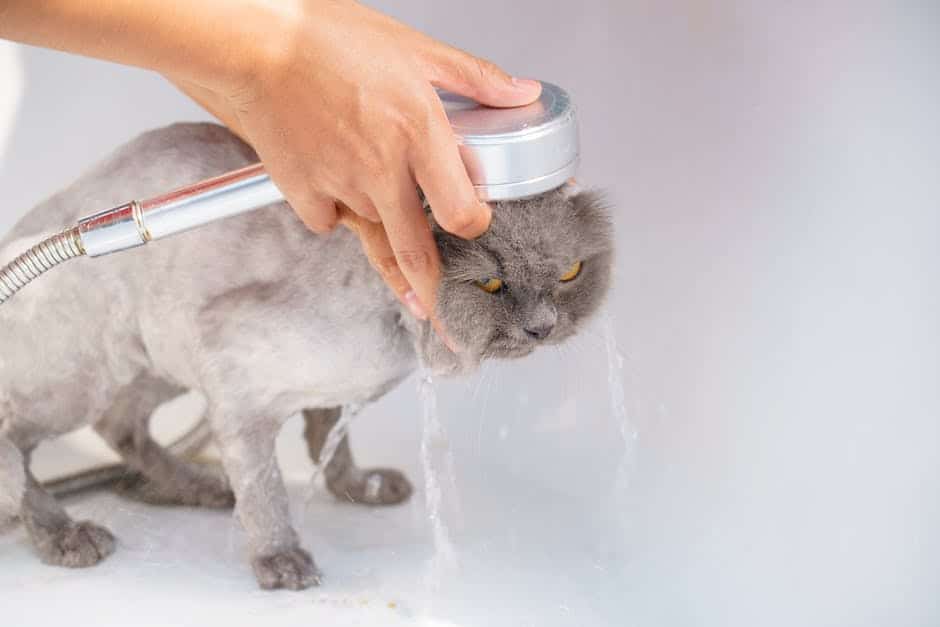
- Preparation is key: Before any water is involved, prepare the space. Use a non-slip mat in the sink or tub to secure footing and have all supplies – cat-friendly shampoo, washcloth, a cup for rinsing, and a warm towel – within arm’s reach.
- Water works: Fill the sink or tub with about three to four inches of lukewarm water. Cats prefer gentle introductions, so consider using a spray hose or a cup to slowly get your cat wet, avoiding the face, ears, and eyes.
- Shampoo and rinse: Use a cat-specific shampoo, lathering gently. Remember to speak soothingly to keep your pet calm. Rinse thoroughly as residue can irritate a cat’s skin.
- Dry off: After bathing, wrap your cat in a warm towel and gently pat dry. If your kitty tolerates, a hair dryer on the lowest heat setting can be used, but many cats find this frightening, so keep their comfort in mind.
Most cats will only need a bath once or twice a year, if at all. It’s important to monitor how they respond and adjust as needed. If a cat suffers from skin conditions or becomes frequently dirty, a vet may recommend more regular baths as part of a treatment plan.
In essence, the life of a cat parent involves a lot fewer baths than one might expect. It’s critical to prioritize their comfort and safety during the bathing process. Through understanding and patience, keeping your fluffy companion clean can be another way to express your love and care, ensuring they’re purring and pristine when it’s truly necessary.
Nail Trimming and Dental Care
Turning our attention to another aspect of feline grooming, maintaining a cat’s nails and teeth is essential not only for their health but also for the well-being of everyone in the household. The pitter-patter of kitty feet should be a delight, not a sign to hide the furniture. And that purring nuzzle? Much more charming when accompanied by a fresh, healthy set of chompers.
Let’s talk nails first. Just like their wild ancestors, domestic cats’ claws are their tools for play, hunting, climbing, self-defense, and extra grip. However, in a home environment, those sharp little daggers can become overgrown and pose a threat to your cat’s paw health—not to mention your upholstery and skin.

The most effective way to keep your cat’s nails at a safe length is through regular trimming. Start by getting a proper cat nail trimmer. These are specially designed to cut feline nails cleanly without splitting. Now, your cat might regard the trimmer like it’s a strange alien device at first; let them get familiar with it by having the trimmer around without using it, associating it with positive experiences like treats or playtime.
When it comes time to trim, pick a time when your cat is at their calmest—after a meal or a play session can work wonders. Gently press the paw to extend the claws and snip only the transparent, curved part of the nail, avoiding the pinkish area known as the ‘quick,’ where blood vessels and nerves reside. A treat and a cuddle afterward can help reinforce that this is not an experience to fear.
As for dental care, those pearly whites need just as much attention. Did you know that by the age of 3, most cats have some degree of dental disease? Prevention is key here, and daily brushing can drastically reduce the risk. Start by choosing a cat-friendly toothpaste (never use human toothpaste), coupled with a finger brush or a soft-bristled pet toothbrush.
Introduce your feline friend to the toothpaste by letting them lick it off your finger—make it a tasty treat. Gradually work up to rubbing your finger along their gum line, then switch to the toothbrush when they seem comfortable. Focus on the outside surfaces of the teeth, especially those at the back of the mouth. Remember, it’s a marathon, not a sprint. Take your time to get them used to the sensation.
In between brushings, dental treats and toys can help reduce buildup and keep those teeth sharp. Water additives are another option to consider for maintaining dental hygiene and are often simply added to the pet’s water bowl.
And there you have it, the low-down on maintaining those nails and teeth to ensure your feline family member stays not only well-groomed but healthy, too. As with all things, patience and consistency are key, and by incorporating these tips into your routine, you’re setting up your cat for a lifetime of health and comfort. Here’s to happy paws and fresh breath!
Photo by whatisdelirium on Unsplash
Grooming your cat is more than just a chore; it’s an act of love and care that benefits both you and your pet. With the right techniques and schedule, you can ensure that your feline friend remains happy, healthy, and as adorable as ever. Remember to take your time, be patient, and adapt the grooming process to your cat’s individual preferences and needs. By fostering a clean and well-groomed environment, you’ll cultivate a stronger bond with your cat, built on trust and mutual respect. Keep these guidelines in mind, and you’ll be well on your way to nurturing a purr-fectly groomed kitty.