Living with a cat who has food allergies can be a struggle – not just for the feline, but also for the caring pet parent. The change required in dietary preferences, spot-on observations of your fur buddy’s behavior, and the subsequent transition to hypoallergenic diets can be a daunting task. This article is there to ease that journey and help ensure your beloved feline companion can live a life with less discomfort, fewer symptoms, and better overall health. We’ll delve into understanding cat allergies, the ingredients you must avoid in cat foods, alternative diet options for allergic cats, and the top recommended cat foods for allergies. Finally, we’ll guide you through the process of transitioning cats to a hypoallergenic diet. Together, we can provide the best for our little furry friends and focus on their wellness above all.
Understanding Cat Allergies
When it comes to caring for our fur babies, being proactive in understanding their health needs can often prove instrumental in fending off serious health troubles. One quite common issue among cats is the prevalence of allergies. Now, you might understand what allergies look like in humans, but what about cats? Today, we’ll uncover what causes allergies in cats and how we can identify these.
Primarily, there are four major types of allergies that can impact our feline companions: flea, food, contact, and airborne allergies.
- Flea allergies are caused by a reaction to a protein in the saliva of fleas. It’s not the bite itself but the flea’s saliva that many cats are allergic to. Even a single bite can cause a serious reaction.
- Food allergies, while not as common, can occur when a cat’s immune system overreacts to a specific food protein. Chicken, beef, dairy, and fish are often the usual culprits. Symptoms often include vomiting, diarrhea, and skin conditions.
- Contact allergies occur when a cat’s skin reacts to something it’s touched. Common culprits include certain plastics, fabrics, or even certain types of cat litter. If your cat has a contact allergy, they may be itching constantly or developing sores.
- Airborne allergies are similar to what we commonly suffer from during the spring. Pollen, dust, mold, or mildew can trigger reactions in our feline companions, much like they do in us.
Now that we’ve looked at what could potentially trigger an allergy in your cat, how can you identify it? Observing behavior is key when trying to diagnose a pet allergy. Symptoms often include itchy or red skin, constant scratching, sneezing, coughing, snoring (caused by an inflamed throat), and even vomiting.
If you notice any of these signs, arranging a visit to the veterinarian should be your next step. Veterinarians have several tests at their disposal to determine whether a food allergy is the cause. They can also provide treatment options for flea and airborne allergies.
But remember, you can play a huge role in helping your cat avoid allergens. Keep your cat indoors during high pollen times, use plastic toys and feeding bowls to reduce chances of contact allergies, and ensure your home is well-ventilated and free from dust and mold.
As much as we want to keep our fur babies safe and protected, it’s essential to remember that it is natural for cats to experience health obstacles. What is crucial is that we, as responsible pet parents, are ready to support and provide the care they need for a healthy and happy life ahead. So, stay vigilant, stay informed, and let’s give our feline friends the care they truly deserve.

Ingredients to Avoid in Cat Foods
Identifying Common Allergens in Cat Food
Being a loving and responsible pet parent means extending our care and nurturing not just to our human family members but also to our feline friends. Just like with children, a prime concern with cats is food allergies. In line with this, understanding the common allergens present in cat food is vital in providing the best possible care for our furry friends.
Contrary to popular belief, allergies in cats are not as often caused by grains, wheat, and filler ingredients. Instead, the primary culprits can be traced back to protein sources like fish, beef, dairy, and even chicken. These proteins often cause adverse reactions in cats, leaving them with uncomfortable symptoms.
Fish, surprisingly, is a significant allergen in cat food. Despite being a favorite amongst many cats, fish-based food and treats can trigger allergic reactions. This is due to the high protein content in fish, which is a common cause of food allergies.
Another common allergen within the feline world is beef. Numerous studies have shown that beef proteins can cause inflammation in a cat’s digestive system, leading to symptoms of a food allergy. It’s essential to monitor how a cat responds to a diet high in beef to rule out any potential issues.
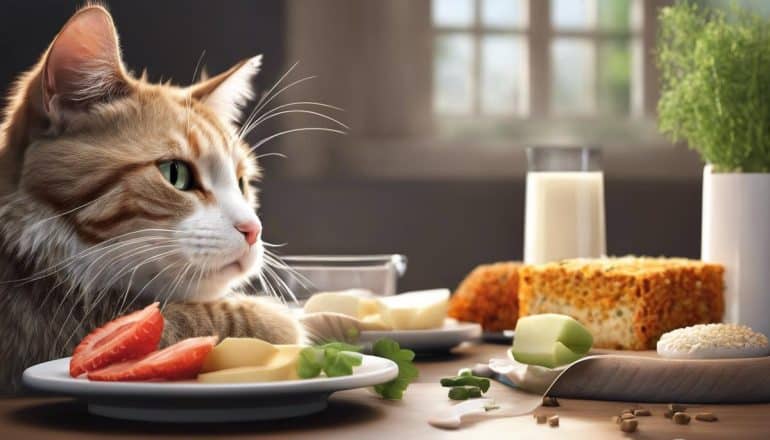
Dairy, particularly cow’s milk, is yet another culprit. Despite the commonly depicted scene of a cat happily lapping up a bowl of milk, many cats are actually lactose intolerant. This lack of the necessary enzyme to break down lactose often leads to discomfort and allergic reactions in many felines.
Chicken, an important protein source in many cat foods, can also be a potential allergen for some cats. While it’s less likely to cause allergies compared to fish or beef, it’s important to observe your cat for any adverse reactions if their diet is primarily chicken.
There are also specific ingredients in commercial cat food including artificial colors, flavors, and preservatives which can cause allergic reactions. While these ingredients make the food more appealing to cats (and their human owners based on color and smell), they do little to enhance nutritional value and can often be harmful.
Starches in some forms might also trigger allergies in cats. Potatoes and corn, often used in grain-free cat foods as a replacement for grains, can lead to itchiness and skin irritations in some cats.
It’s worth noting that individual reactions vary greatly, and what causes an allergic reaction in one cat might not affect another. It’s all about getting to know your furry family member and understanding his or her unique needs.
Remember, if your cat shows signs of an allergic reaction, make sure you consult with your vet before making any drastic changes in their diet. Knowledge is power, especially when it comes to protecting the health of your purry friends. By understanding the potential allergens in cat food, you will be more equipped to make informed decisions regarding your feline’s dietary needs.
Caring for a cat truly is a journey, but with it comes the joy, love, and companionship these wonderful creatures bring. As responsible pet parents, it’s our role to provide the best care, and understanding their dietary needs and potential allergies is a big step in fulfilling that role. Let’s continue to love and nourish our feline family members just as we would our human ones.
Alternative Diet Options for Allergic Cats
Navigating a cat’s dietary needs when they have allergies can be a daunting task. It takes understanding, patience, and a close relationship with their veterinarian to provide the necessary care. Our fluffy companions rely heavily on us, but with the right information, we can make the best choices to keep them happy and healthy.
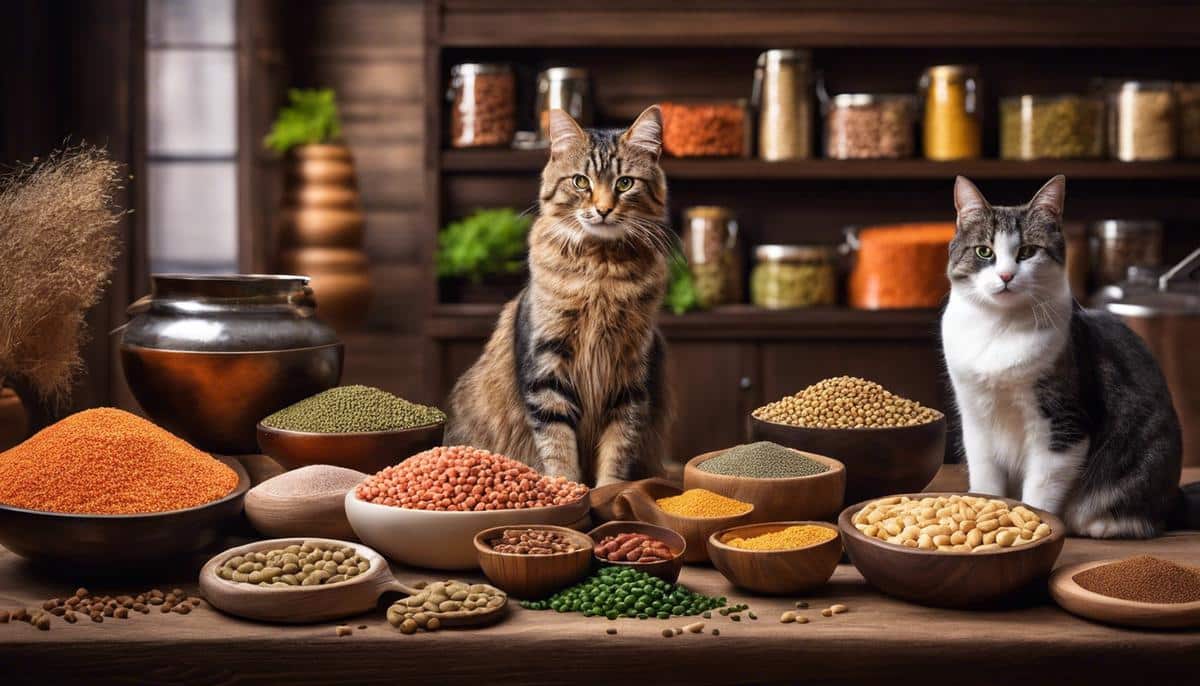
The first course of action diet-wise is to switch to a hypoallergenic diet. These diets are specially designed with limited ingredients and are free from common allergens, thus reducing the probability of allergic reactions in our feline friends. They usually consist of a novel protein, which is a protein your cat has never eaten before, reducing the risk of triggering an allergic reaction. Such proteins could include duck, venison or rabbit.
Diet alternatives can even go as natural as homemade diets. Under the guidance of a vet, providing home-cooked meals for a cat can be a valid option. This allows you to have full control over what goes into your cat’s feeding bowl. However, it’s essential to ensure the meals are nutritionally balanced – cats need certain nutrients such as taurine and arachidonic acid that are typically found in animal tissues.
Prescription diets are yet another alternative. These are commercially prepared foods that are designed to manage specific medical conditions affecting cats. These diets are often formulated to be hypoallergenic, and they are available in both dry and wet formulas. Just be aware that these products should only be used under the supervision of a vet.
LastIy, but equally essential, is the implementation of an elimination diet. It involves introducing a new food (that your cat has never tried before) and seeing how their body reacts. If you notice the allergic symptoms intensify or persist, then it’s likely that the new food contains an allergen, and it should be eliminated from the diet. This process should be carefully monitored and involves a gradual introduction and removal of food substances.
Cats are wonderfully complex creatures, and their well-being is our top priority. Allergy management requires diligent attention to our kitties’reactions to their diet. Remember, regular communication with your vet is vital. After all, they are the professional guides on this journey to keep our cats purring. So arm yourself with knowledge, open up lines of communication with your feline’s healthcare provider, and be the best purring companion guardian you can be. Patience and love are key – and remember, every step of this allergy journey is taken together with our furry friend.
Top Recommended Cat Foods for Allergies
Shifting our focus onto food allergy management for our furry companions, let’s explore the top recommended cat foods for cats with allergies. These options are typically well received by our four-legged friends and most importantly, they’re nourishing, comfortable for the feline digestive system, and importantly, free of common allergy triggers.
-
Blue Buffalo Wilderness High-Protein Grain-Free: This cat food tops the list for various reasons. Primarily, it’s free of grains (which often act as allergy triggers). Additionally, it’s enriched with high-quality, easily digestible proteins mainly from chicken, making it less likely to trigger allergies compared to other meats like beef or fish, which are known allergens.
-
Natural Balance L.I.D. Limited Ingredient Diets Green Pea & Duck: Recognized for its limited ingredient profile, this cat food reduces the risk of introducing potential allergens. The novel protein source, duck, is rarely associated with food allergies in cats. Meanwhile, green peas provide the necessary carbohydrates without triggering allergies associated with grains such as corn or potatoes.

-
Hill’s Science Diet Adult Sensitive Stomach & Skin: As its name implies, this is designed for kitties with sensitive systems. It’s free from artificial colors, flavors, and preservatives that often cause allergic reactions. Plus, it includes prebiotic fiber to fuel gut bacteria and support overall gut health.
-
PURINA Pro Plan Veterinary Diets Hypoallergenic: Representing prescription diets, this food is specifically formulated under veterinary supervision to tackle food allergies. It includes hydrolyzed protein, which means the protein has been broken down into smaller components, making it easier for the cat’s body to process and less likely to trigger an allergic response.
-
NomNomNow Fresh Cat Food: Offering a new spin on feline nutrition, this is a subscription-based service delivering freshly prepared, pre-portioned, and nutritionally balanced meals right to your doorstep. These meals are made from a narrow assortment of ingredients to minimize allergen exposure, and the use of novel proteins makes it an excellent choice for cats with food allergies.

Remember, when transitioning your cat to a new diet, it should be done gradually over a period of a few weeks. This helps to avoid digestive upset and allows you to observe your cat for any potential adverse reactions to the new diet. Always consult a veterinarian when considering a dietary change, especially for cats with allergies. Moreover, always remember that patience, love, and steady communication with your vet are key to managing cat allergies effectively.
Like parenting, being a pet parent is a lifelong journey filled with ups and downs. But it sure is a wonderful one – knowing every step is making a significant difference to that special little creature that reciprocates with purrs of gratitude and gazes of love. And for that reason, happy pet-parenting!
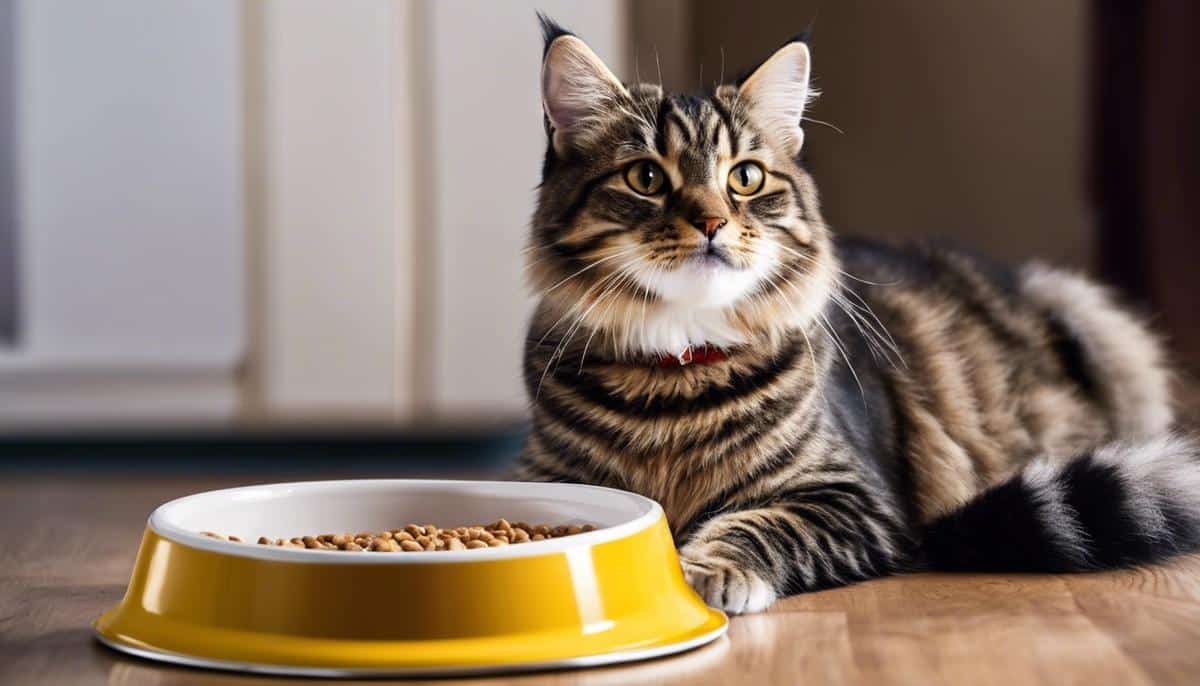
Transitioning Cats to Hypoallergenic Diets
Now let’s talk about transitioning our cherished feline friends to a hypoallergenic diet. With so many brands and options, making the right choice for our sensitive fur babies might seem daunting. But fear not, fellow pet parents! Here are a few guidelines to make it smoother and easier.
When selecting cat food, it’s quintessential to choose a brand that has minimal ingredients. This will aid in identifying any potential allergen if your cat exhibits any allergic responses. In this regard, Blue Buffalo Wilderness High-Protein Grain-Free Cat Food is a good option. Enriched with real meat and sweet potatoes for healthy carbohydrates, it contains no by-product meals, artificial flavors, or preservatives.
If the vet has highlighted an allergy to chicken or fish, the Natural Balance L.I.D. Limited Ingredient Diets Green Pea & Duck Cat Food is worth a try. It boasts a lean protein source: duck. The grain-free recipe will minimize allergen exposure.
Hill’s Science Diet Adult Sensitive Stomach & Skin Cat Food is a good choice for cats with multiple sensitivities. It is designed for overall wellbeing and health, focusing on easy digestion, and nourishing skin with Vitamin E and Omega-6 fatty acids.
If you’re tackling severe allergies, the PURINA Pro Plan Veterinary Diets Hypoallergenic Cat Food should come to your rescue. It is formulated with hydrolyzed protein, which means the protein sources have been broken down into smaller components, mitigating the risk of allergic reactions.
Alternatively, if you prefer something fresh and customized, consider a subscription service like NomNomNow Fresh Cat Food. They deliver meals specifically tailored to your kitty’s needs, which can be especially beneficial for sensitive systems grappling with allergies where conventional diets may not be appropriate.
Remember that transitioning to a new diet should be a gradual process. Start by mixing a small quantity of the new food with the old food. Gradually increase the new food while decreasing the old food over a period of 7-10 days. This will give your cat’s digestive system time to adjust, and make her more inclined to accept the change.
If your cat exhibits any adverse reactions during this process, be sure to contact your vet immediately. Remember, they’re your ally in this journey.
Navigating allergies in our beloved pets can pose quite a challenge. But with patience, love, and perseverance, it’s a challenge that can be overcome. After all, as pet parents, our ultimate goal is to ensure the happiness and wellbeing of our little balls of fur. And in this endeavor, there’s no hurdle too big to conquer! So chin up, fellow pet parent. You’re doing great, and your efforts are sure to pay off for yourself and your cherished feline family member. Be it managing a new hypoallergenic diet or simply facing the ups and downs of pet parenthood, remember we are in this together – because our pets are worth it!
Overseeing your cat’s transition from regular cat food to hypoallergenic food is not a light task, but it is an essential one for keeping your furry friend safe and healthy. The journey involves delving into the nature of cat allergies, being cognizant of food labels and ingredients, knowing the likely substitutes to adopt, and selecting the best cat food suitable for allergic cats. Reminder, it’s not just about changing a meal plan, but gradually introducing the new diet and attentively monitoring your cat’s responses as time goes on. It’s both a journey of love and a commitment to the health and joy of your cat. After all, they’re not just pets; they’re family, and ensuring their well-being is a responsibility that comes with numerous rewards and contentment.