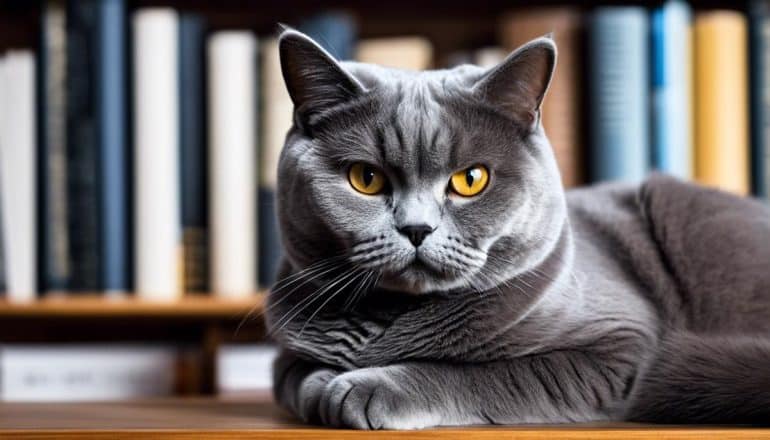
When it comes to feline friends, few breeds are as regally charming as the British Shorthair cat. With their plush, dense coats and mesmerizing copper or gold eyes, they not only captivate us with their appearance but also win our hearts with their calm, easy-going nature. In order to build a healthy and harmonious relationship with these adorable creatures, understanding their behavior and learning effective training methods is essential. This knowledge serves as a connecting bridge between you and your feline companion, making interactions smoother and more rewarding. Equally important is learning how to positively handle any behavior problems that may arise, ensuring a stress-free environment for both pet and owner.
Understanding the British Shorthair Cat Behavior
Discovering the Distinctive Traits of the Charming British Shorthair Cats
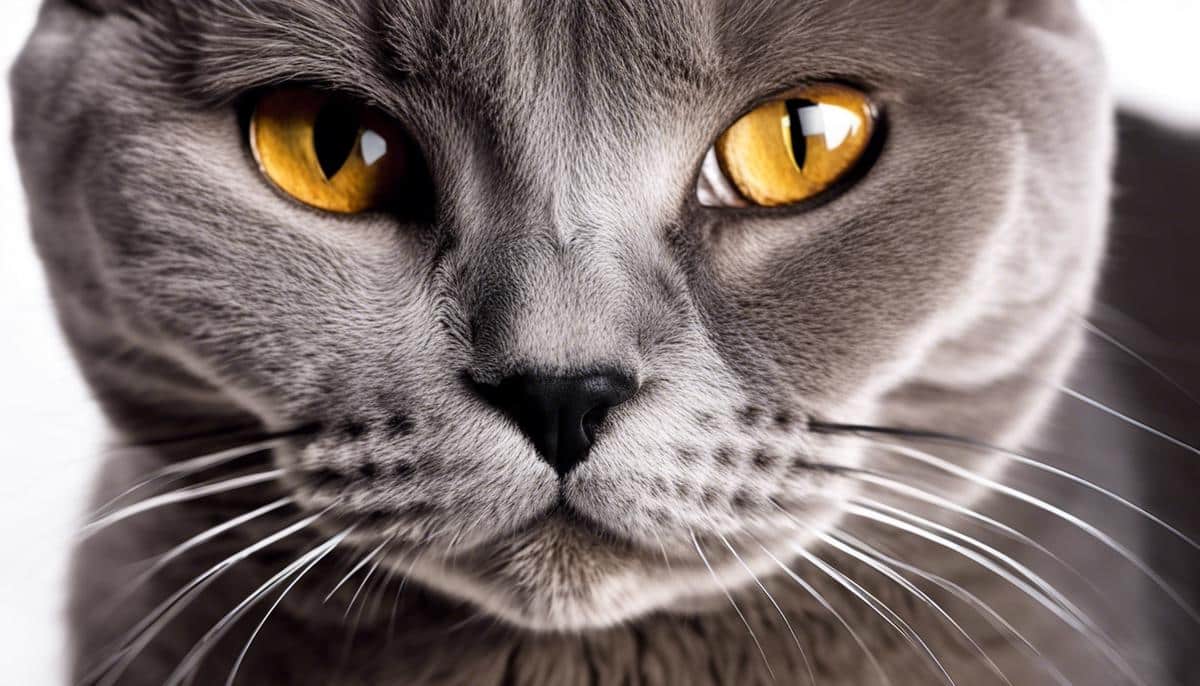
When you think about British Shorthair cats, their plush coats, round faces, and captivating copper eyes might first come to mind. But did you know that these adorable felines also have some unique behavioral traits that set them apart from other breeds? Whether you’re thinking of bringing one of these delightful creatures into your family or you’re just a fan who loves to discover more about the different cat breeds, it’s beneficial to understand what makes the British Shorthair so special.
Firstly, one of the most prominent traits of British Shorthairs is that they are not particularly demanding. Unlike some breeds, these cats do not constantly seek the attention of their owners. They value their space and, while they enjoy receiving affection, they equally enjoy some alone time. This could make them an ideal choice for families who want a pet companion but also have other responsibilities that require attention.
Secondly, despite their laid-back personalities, British Shorthairs are incredibly loyal. They tend to connect deeply with their families and are known for sticking by their owner’s side. They might not be the type to jump on your lap, but they won’t hesitate to cozy up next to you while you sit on the couch reading a book or watching television.
Thirdly, these cats are calm and easy-going, which makes them great for families with children or other pets. Their tolerant nature and composed demeanor mean they often get along well with others, including dogs! This quality coupled with their robust build, make them less prone to injuries than other sensitive cat breeds.
Fourthly, British Shorthairs are known for their intelligence and curiosity. Don’t be surprised to find them exploring every nook and cranny of your home. They appreciate toys and games that stimulate their mind and help in boosting their physical activities. These activities also help them avoid obesity, a problem often associated with this breed due to their love for food and relaxed lifestyle.
Lastly, these adorable felines have a somewhat playful side as well. They have a great love for toys and enjoy active play sessions. However, they’re not overly energetic, so you don’t need to worry about them climbing up your curtains or wreaking havoc throughout the house.
In conclusion, the unique traits of the British Shorthair breed make them an excellent choice for any family. Their independence combined with their loyalty and calm nature creates a delightful balance that will surely bring a lot of joy to your home. Whether you’re a busy parent or just someone who enjoys a peaceful environment, this breed can effortlessly blend into your lifestyle, offering a companionship that is affectionate but never overbearing.
Training Basics for British Shorthair Cats
The British Shorthair is indeed an extraordinary breed, and as such, requires specific training aspects to ensure a harmonious family life. While they are known to be intelligent, independent, and easy-going, there are certain training aspects which can accommodate these traits, enriching both their life and yours. In this article, we’ll delve into the essentials of such training.
Foremost on the training list has to be socialization. It’s important to keep in mind that while these blue-gray beauties love their people, they are also famously independent. Therefore, socializing your British Shorthair from an early age is beneficial. Getting them used to handling and to a variety of people, environments, and situations helps them grow into well-rounded, adaptable adult cats.
British Shorthairs are capable learners, displaying curiosity that often gets the better of them. Capitalizing on this curiosity can be an excellent way to train them. Using puzzles and intelligence games can keep these cats engaged while teaching them basic obedience or even tricks. Remember, though, that these fun-loving furballs are not overly energetic, so sessions should be kept short and sweet.
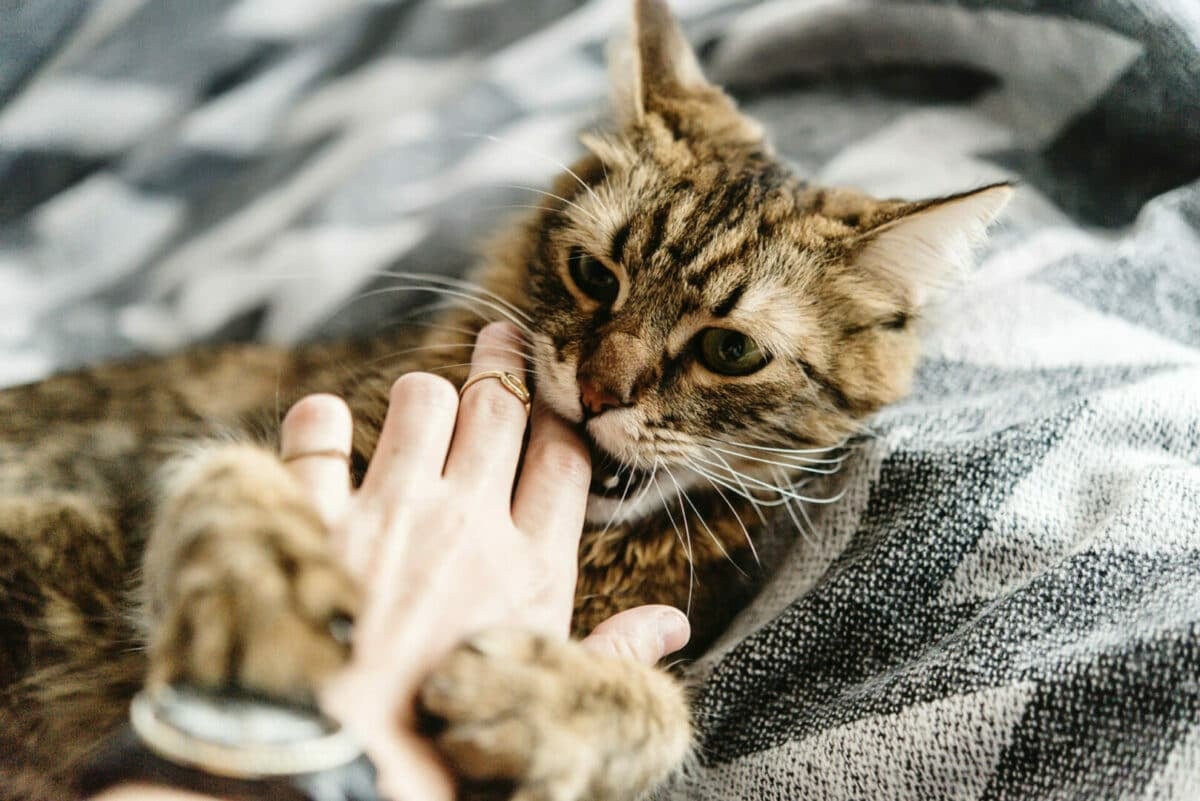
The training should also emphasize what is and isn’t permissible in your home. British Shorthairs tend to laze around, and occasionally, this could lead them to your furniture. Therefore, encouraging proper scratching habits from an early age is essential. Offering scratching posts or pads can help save your furniture from destruction. They can be trained to understand that these are the only acceptable outlets for their need to scratch and stretch.
Additionally, the British Shorthair’s appetite can be significant, leading to potential weight issues. Mealtime routines, portion control, and occasional exercise should be established early to maintain a healthy weight. Since they are not overly active, coercing them into exercise can be a challenge. However, using interactive toys or games you both enjoy can subtly encourage physical activity.
Last but not least, be consistent with your training and make sure all family members are on board. Sending conflicting messages may confuse your British Shorthair, making training less effective. Even if they value their space and independence, they enjoy being involved in family life. Embrace their calm and loyal nature while training, making them feel valued and secure.
In conclusion, the specific training for a British Shorthair cat should reflect their unique traits – independence, intelligence and their calm demeanor. It’s about striking the right balance and understanding their unique nature. Happy Purring!
Dealing with Behavior Problems
Handling Behavior Issues in your British Shorthair Cat
British Shorthair cats, with their endearing chunky bodies and cheerful personalities, are great feline companions. Known for their amiability, this cat breed is generally well-behaved. However, just like any pet, they may occasionally display behavior problems that need to be addressed.
Understanding the Root Cause
The key to addressing behavioral problems of your British Shorthair starts with understanding the root cause. These cozy, rotund fur-balls are creatures of habit and any slight change in their environment might upset their routine, leading to unusual behavior. Therefore, always take time to observe their surroundings whenever they act out and pinpoint the potential triggers.
Creating a Safe Haven

Given the fact that British Shorthairs are fiercely independent and value their own space, establishing a safe haven for them is important. Provide plenty of elevated spaces such as perches or cat trees where they can de-stress and feel secure. In case of issues involving aggression or fear, this will also give them a place to retreat.
Stimulating Their Minds
Just as humans do, British Shorthairs can get bored. They enjoy brain-stimulating activities that require them to solve problems. If they are left unstimulated, they might channel their unused energy into disruptive behavior such as excessive meowing or misusing the litter box. Providing them with a variety of interactive toys, or rotating existing toys, can help to keep them mentally stimulated and reduce behavioral issues.
Properly Handling Scratching
Scratching is a natural behavior for cats, but it can often become problematic, particularly if your British Shorthair has taken a liking to your new sofa. Instead of scolding them, place cat scratch posts or boards near the furniture they often scratch. Make the scratching post more appealing by rubbing some catnip on it. Remember, training our feline friends takes patience and consistency.
Addressing Obesity Concerns
Due to their laid-back lifestyle, British Shorthairs are prone to obesity. Overfeeding coupled with insufficient exercise can lead to weight issues, which could make them sluggish and impact their overall behavior. Strike a balance between regular, portion controlled meals and physical activities to keep them in good shape.
Physical Activities for Your Cat
Though they are not overtly active, British Shorthairs need a dose of daily exercise to keep their weight under control and stimulate their hunting instincts. Simple games involving throwing balls or toys that encourage them to chase and pounce can make exercise fun for them.
Remember, addressing behavior issues isn’t just about correcting a problem. It’s about understanding your four-legged friend and providing them with a loving environment where they feel cherished. After all, they’re not just pets but a cherished part of the family.
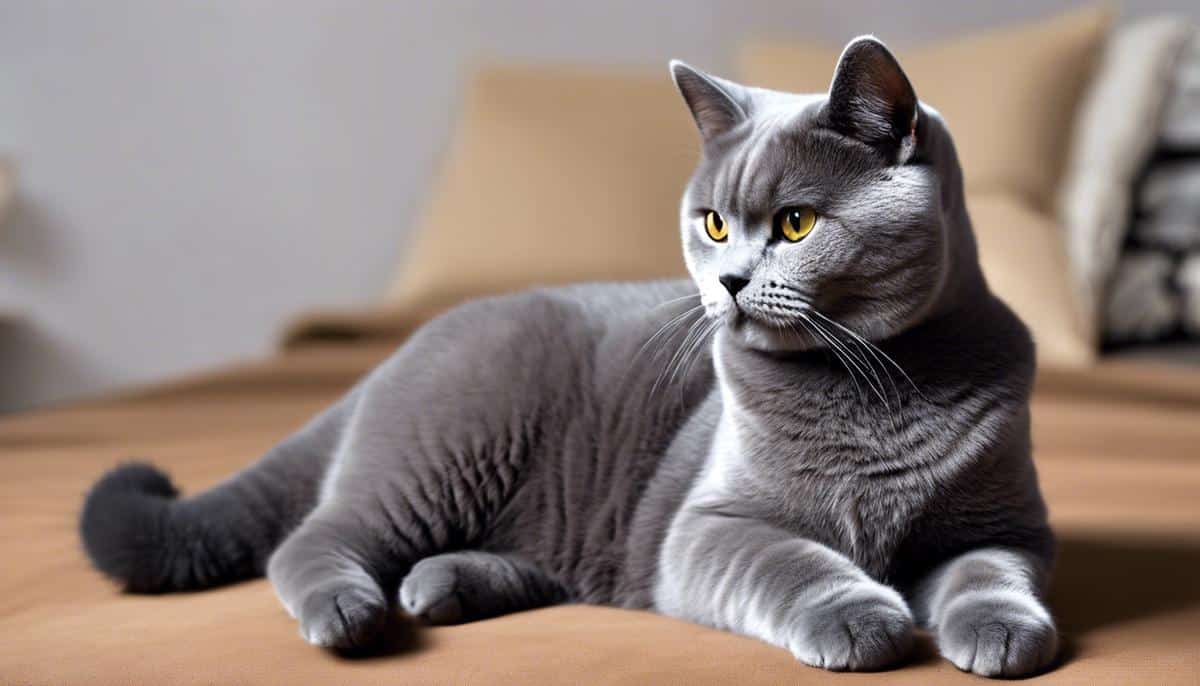
Ultimately, understanding the behavior of your British Shorthair cat, implementing training basics, and addressing behavioral problems has a profound impact on your relationship with your pet. Applying the right techniques and approaches not only establishes good behavior but fosters an environment of mutual respect and love. Remember, every pet is unique, therefore tailor your training methods and handling techniques according to their individual personality. With patience, persistence, and a little feline psychology, you can forge a lasting bond with your British Shorthair that is filled with trust and affection. Training your British Shorthair cat may be a journey, but it’s a rewarding one that enhances the quality of life for both you and your feline friend.