A cat’s physical and mental health is intrinsically linked to sufficient exercise and play. Comprehending the unique activity levels of different cat breeds paves the way for choosing fitting exercise games to keep your feline friend healthy and happy. This guide is designed to help you understand your cat’s behavior and activity requirements, craft DIY toys that match their interest and encourage them into interactive play.
Understanding Your Cat’s Activity Levels
cat-tivating: Monitoring and Adjusting Your Feline Friend’s Active Play
Welcome, fellow feline enthusiasts! Here today is another awesome article about the ever-mysterious world of the ever so adorable, yet delightfully enigmatic: cats. This article is packed with helpful information, ground-breaking tips, and an easy guide on how to monitor your cat’s level of activity, and adjust their games accordingly. So, buckle up, engage your love for cats, and dive straight in!
Cats, much like people, have varying levels of energy and activity. Some cats are natural lounge-lizards, while others leap, pounce, and dart about like furry flashes of light. No matter your cat’s activity level, it’s crucial to accommodate their play needs to keep them healthy, stimulated, and happy. Here’s how to do it…
Firstly, Observe:
Observation is key. Watch your cat throughout the day to determine periods of high energy and periods of rest. Notice their favorite games and toys, how much time they spend playing, and how long it takes them to tire. Are they more active in the morning, afternoon, or evening? These observations can provide valuable insights into adjusting playtime and game intensity.
Play Trials:
Next, engage in play trials. Use different toys (like laser pointers, feather wands or stuffed mice) and try various games. Note how your cat responds. If they barely react or quickly lose interest, the game or toy might be below their activity level. Conversely, if they pant, overheat, or seem agitated, it might be above. Repeat these trials until you find a pleasing balance.
Checking Health Indicators:
Remember, your cat’s activity level can be an indicator of their health. A suddenly lethargic cat, or one that’s hyperactive, may be experiencing a health issue. Keep an eye on changes in behavior, eating habits, and weight. Always consult your vet if you notice any worrying signs.
Adjust Slowly:
Once you’ve established your cat’s activity level, adjust their games and playtime accordingly. But do it gradually. If your cat is more on the lethargic side, don’t suddenly subject them to vigorous play. Gradually increase the intensity of their games until they’re more active. Similarly, if your cat is excessively active, slowly introduce calming activities to help mitigate their energy.
Add Variety:
Always keep playtime exciting and unpredictable to maintain your cat’s interest. Rotate toys, introduce new games, and occasionally change the environment (like taking an indoor cat to a secure backyard). By keeping playtime fresh, you can help maintain your cat’s activity level without exhausting or boring them.
That’s it, dear enthusiasts! Tuning into your cat’s unique activity level and adjusting their games accordingly is a surefire way to keep them content, fit, and engaged. As feline lovers, isn’t that what we all want? So, let’s put those tips into action and make playtime even better for our furry friends! Now who’s ready for another game of “chase-the-feather”?
Making DIY Cat Exercise Toys
Crafting Delightful DIY Cat Toys for Engaging Feline Exercise Games
Cats need physical stimulation and exercise to assist in their overall wellbeing and health. Getting your feline friend engaged with some fun and safe DIY toys can turn exercise time into a thrilling game. Whether you’re a seasoned feline enthusiast or a beginner, constructing these toys from simple, everyday materials will indeed reveal your cat’s playful side!
First in line: The Feather Wand
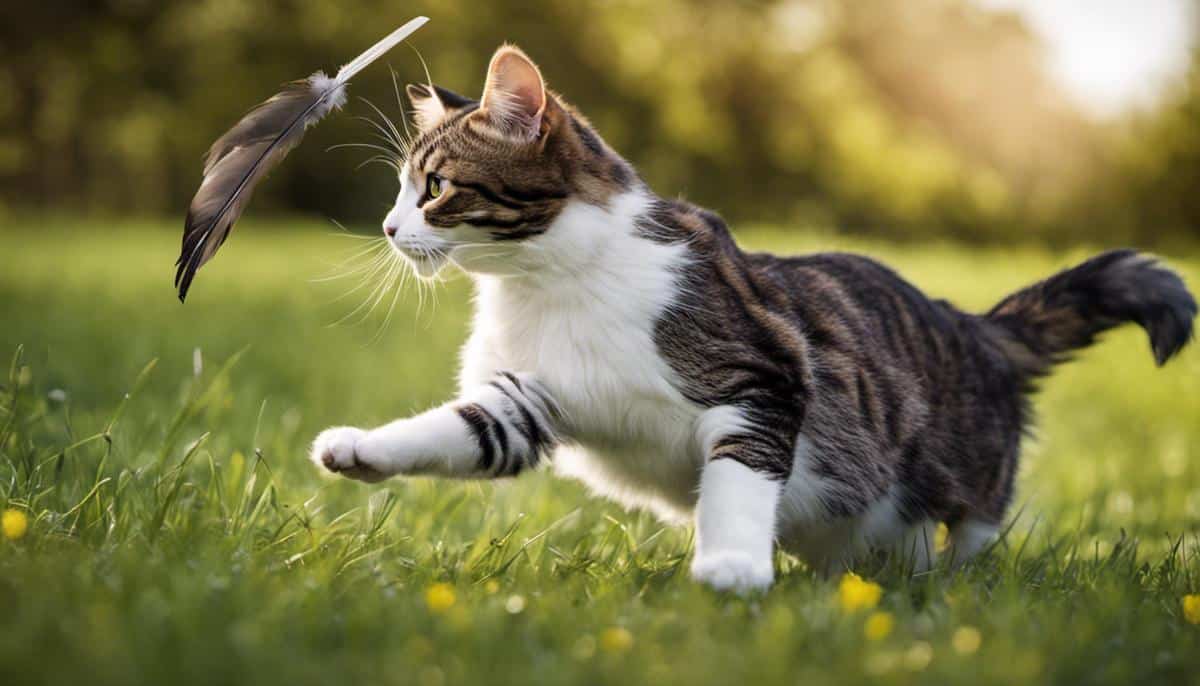
Feather wands are arguably one of the cat’s all-time favorite toys. They are easy, quick, and affordable to make, requiring only a few items. You’ll need a dowel or long stick, string, feathers (which can be replaced with anything light and flickering), and some non-toxic glue.
- Start by tying one end of the string to the dowel. The length of the string should be at your discretion, based on how high you want the feather to fly.
- Glue feathers to the other end of the string, allowing them to dry fully. To add some noise and excitement, consider sewing small bells onto the feathers.
- Voila! Your feather wand is ready to swing, dart, and delight your furry friend.
Next up: The Crinkle Pompom
A simple, soft toy that incorporates sound can captivate and toast your cat’s hunting instincts. For this, you need scraps of fabric, crinkly material like a piece of a chip bag or paper, and catnip (optional) for added interest.
- Wrap the crinkly material with the fabric. You can create a ball or any other shape that your cat might enjoy batting around.
- Securely sew or glue together, ensuring no loose ends or parts that can be easily swallowed or cause harm.
- Sprinkle in some catnip to transform this into a irresistible plaything for your cat.
Don’t forget: The Laser Pointer
Cats are inveterately attracted to moving light. A DIY light pointer can prove to be an incredible exercise tool, compelling your cat to run, leap, and dart around.
- All that’s required is a mini flashlight and some cellophane or colored paper.
- Reflect the flashlight onto the cellophane or colored paper. The resulting light source will intrigue your cat and inspire action.
- Be sure to keep the light off your cat’s eyes to prevent potential harm! Also, don’t use the laser pointer as the only toy—it’s important for cats to have tangible things they can touch and catch.
And there it is! These home-made toys, when used effectively, can provide your cat with endless excitement and activity while keeping them safe. Don’t forget: the ultimate goal here is to keep your feline buddy entertained, so get creative and have fun with these DIY projects!

Instruction in Playing with Your Cat
Mastering the Game: A Complete Guide to Effective Exercise Games for Your Furry Companion
Playing exercise games ameliorates the health, happiness, and overall life quality of our beloved feline companions. If you’re aiming to take your fun games to the next level, here are some indispensable tips and tricks – each derived from countless hours of trial, error, and limitless fascination with cats.
- Understanding Cats’ Hunting Instincts:
Cats are natural-born hunters who thrive on the thrill of the chase. Always model your exercise games around their innate desire to pounce, stalk, and capture. Implement this behavior into the games – you won’t just engage your pet, but you’ll also stay true to their primal instincts.
- Creating the Purr-fect Ambiance:
A too-loud environment may deter your cat from engaging in games. Maintain a quiet and soothing environment during playtime. Also, consider dimming the lights as cats are crepuscular animals, meaning they’re most active during dawn and dusk.
- The Art of Timing:
Just like us, cats have their “moments”. Instead of forcing a play session, wait for your munchkin to signal readiness—common signs include alertness, tail twitching, and dilated pupils. Morning or evening times when they’re naturally energetic can be an ideal playtime.
- Understand Play Aggression:
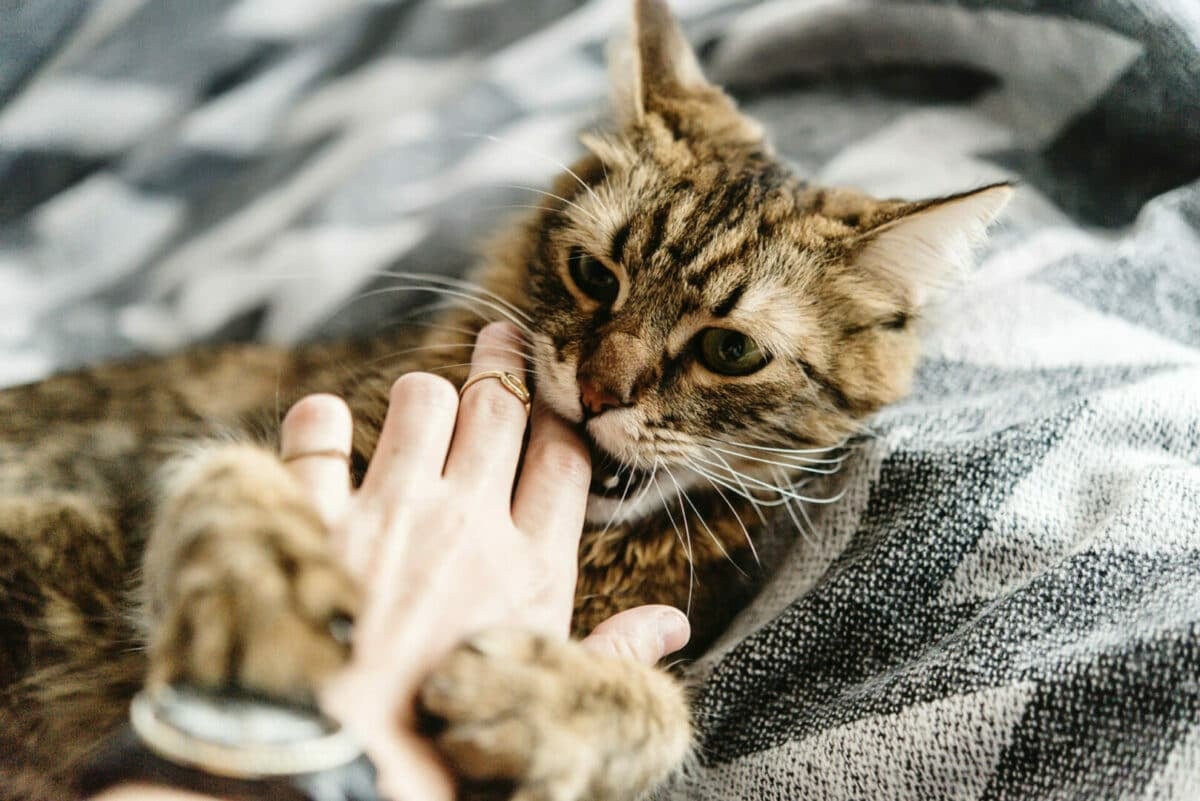
Cats are infamous for their sudden bouts of aggression during a game—beware of those claw strikes! When you see signs of over-stimulation, like flattened ears, dilated pupils, or a twitching tail, give her a small break.
- Interactive Toys:
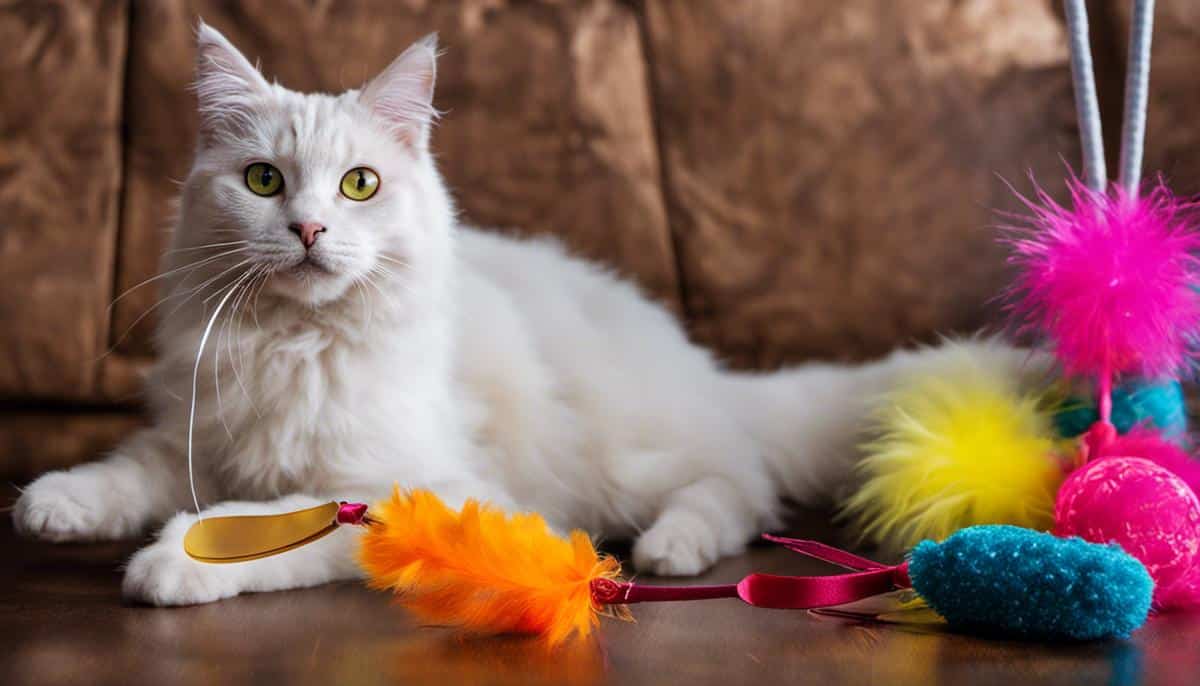
Go for toys that enable interaction. String toys, for example, allow you to mimic the erratic movements of prey, triggering the hunting reflex in your cat. Always supervise these playful encounters to prevent them from ingesting the string.
- Satisfy Their Love for Heights:
Leverage your cat’s love for heights by incorporating running up and down cat towers or furniture in your games. This also has the additional benefit of providing a healthy cardio workout for your pet.
- Food Dispensing Puzzle Toys:
Food puzzles not only stimulate cats mentally, but they also serve as moderate physical exercise. Hide their favorite treats in puzzle toys and watch them figure out how to retrieve it – a double-edged sword to engage both their mind and body.
- Take Advantage of Technological Advances:
Tech toys like automatic laser lights or digital fish tanks are a quintessential cat distraction. The erratic movement promises great fun and exercise, stimulating their natural hunting behavior.
- Regular Sessions:
Aim for regular sessions rather than occasional long ones. Short, 5-15 minute sessions sprinkled throughout the day align more naturally with a cat’s energy and hunting patterns.
And there you have it, fellow feline enthusiasts! Incorporate these into your routine – they’re not just tips and tricks, they’re a gateway into the mysterious, charming world our furry friends inhabit. Arrive armed with these tactics and dive headfirst into the boundless sea of joy that is – exercise games with our cats!
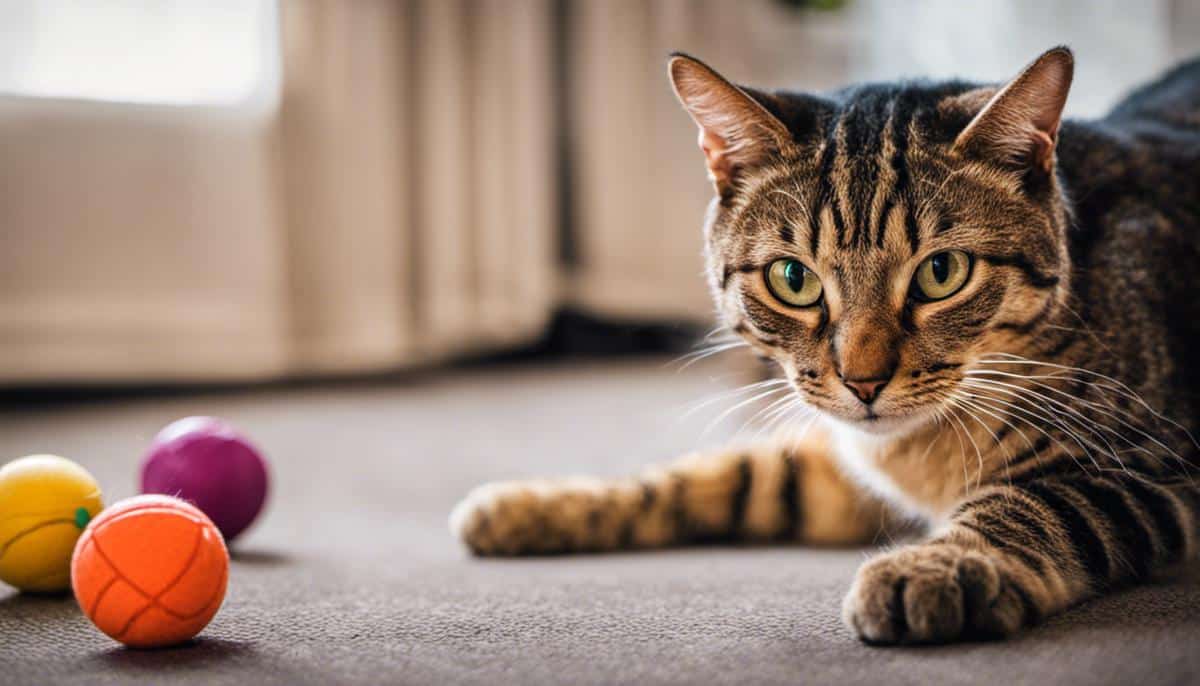
Getting to grips with your cat’s activity levels, learning how to make DIY cat exercise toys, and mastering the techniques of playing with your cat offers an unparalleled experience. Not only does it fortify the bond with your pet, but it also ensures their physical and mental well-being. Therefore, spending time understanding, crafting, and engaging in exercise games can make a world of difference in your cat’s quality of life. Embrace the knowledge, put it into practice, and watch your feline friend thrive.