
When you welcome a cat into your home, paying attention to litter box habits is an essential part of being a cat parent. If you have a male kitty, this is extremely important, and if your male cat isn’t peeing like they usually do, something could be medically wrong, such as a urethral blockage.
A urethral blockage occurs when debris, such as crystals and sludge, blocks the urethra, preventing urine from passing and causing the cat to be unable to urinate. A blocked male cat can quickly turn into a medical emergency and be fatal if not treated.
Symptoms
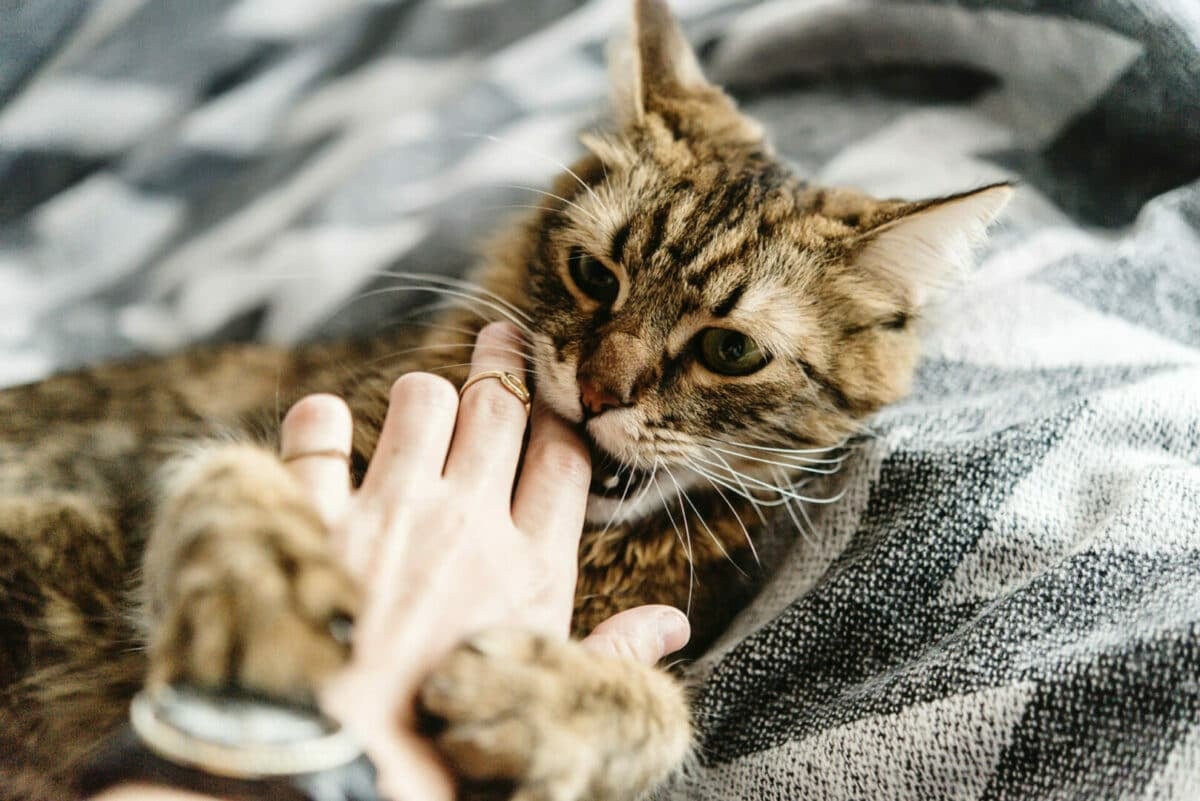
The symptoms of a blocked cat can include lethargy, anorexia, and inability to urinate. When the cat tries to urinate, he may yowl out in pain. The cat may also continue to meow in a stressful way and have an extremely painful lower abdomen to the point that they may be aggressive when picked up.
Treatment
The male cat should be taken to a veterinary hospital right away; if not treated, it can become fatal. Be sure to bring a detailed history of when you noticed there were fewer urine spots in your cat’s litterbox. The veterinarian will palpate the lower abdomen of your cat, feeling for the bladder. If the cat is stiff and painful, it will most likely be sedated as soon as possible to relieve pressure on the bladder by passing a needle into the bladder and draining urine. Next, the veterinarian will pass a urinary catheter to ensure that urine can pass. Sedation is required because it is safer for the veterinary staff and helps with the pain your cat is experiencing.
The urine that was extracted will be analyzed by the lab, particularly for bacteria and crystals. An abdominal x-ray is also helpful to rule out any larger stones in the bladder that need to be surgically removed.


The kitty will need to stay hospitalized for the next few days, hooked up to IV fluids to help flush the bladder out. The urinary catheter will be secured in place by a skin suture until the veterinarian determines it is safe to remove it. His abdomen will be palpated throughout the day to monitor the size of his bladder, as well as to assess whether he can urinate independently.
Once the cat is clear, the veterinarian may recommend a specific food designed to help dissolve crystals and support bladder health.
So, why isn’t my male cat peeing?
Poor food choices can lead to bladder crystals and excessive bladder sludge, which can cause a urethral blockage in male cats. Brands of cat food do matter to help keep kitties healthy and happy.
A urethral blockage in a male cat can be a recurring issue if the veterinarian’s recommendations are not followed. At home, continue to monitor urine spots in the litter box and follow your veterinarian’s instructions as directed.