Adopting a cat is a life-affirming decision that can bring immense joy and companionship to your household. The right feline will enhance the family dynamic, providing comfort and spreading cheer around. However, it’s critical to remember that there is more to adopting a feline friend than simply picking the one that catches your eye. Each cat breed possesses unique characteristics, necessitating careful consideration from potential pet parents. By considering factors such as your family’s lifestyle, specific breed traits, and the possibility of allergen concerns, you can identify the perfect feline addition to your household.
Choosing the Right Cat Breed for Your Family
When choosing a cat breed for adoption, there are certainly a few things to remember. You want to ensure that the breed you select will fit well with your family’s lifestyle and dynamics. Whether you’re a bustling family always on the go or a quiet household with plenty of downtime, there is a feline friend out there that is just perfect for your family’s personality!
First and foremost, consider the cat’s temperament. Just like people, cats have unique personalities too! Some breeds are known for being more cuddly and affectionate, while others might be more independent. For instance, if you have young children, you might want a tolerant and gentle breed like the Ragdoll. If you’re looking for a playful and energetic cat, a breed like the Abyssinian can be a great match!
Health history of the breed is another important factor. Some breeds are more susceptible to certain diseases and health problems. The Persian, for example, might be on the higher risk side for breathing issues, kidney diseases, and dental problems due to their flat faces. Taking this into account could save you possible emotional anguish and financial strife in the future.
The activity level of the cat breed also plays a significant part in your decision-making. Some breeds such as the Siamese or the Bengal have high energy levels and enjoy regular play and interaction. On the other hand, the British Shorthair or the Ragamuffin generally has a lower activity level and prefers a relaxed lifestyle.
Grooming needs are also worth considering. The beautiful, long-haired Maine Coon requires more time and effort to maintain its coat compared to a sleek, short-haired American Shorthair. It’s crucial to be honest about how much time your family is willing to invest in grooming.
Last but not least, consider any allergies in the family. Some breeds like the Siberian or the Balinese are known to produce fewer allergens, which may be a great option if anyone in your household is allergic to cats.
Remember, selecting a cat breed should be a joyful and exciting process! But, by keeping these elements in mind, you’ll ensure that your new furry family member suits your lifestyle and becomes a valued and loved addition to your household. Take your time, ask experts questions, and most importantly trust your instincts; because, in the end, a family’s bond with their pet is beyond breed specifics. It’s all about love and companionship, isn’t it?
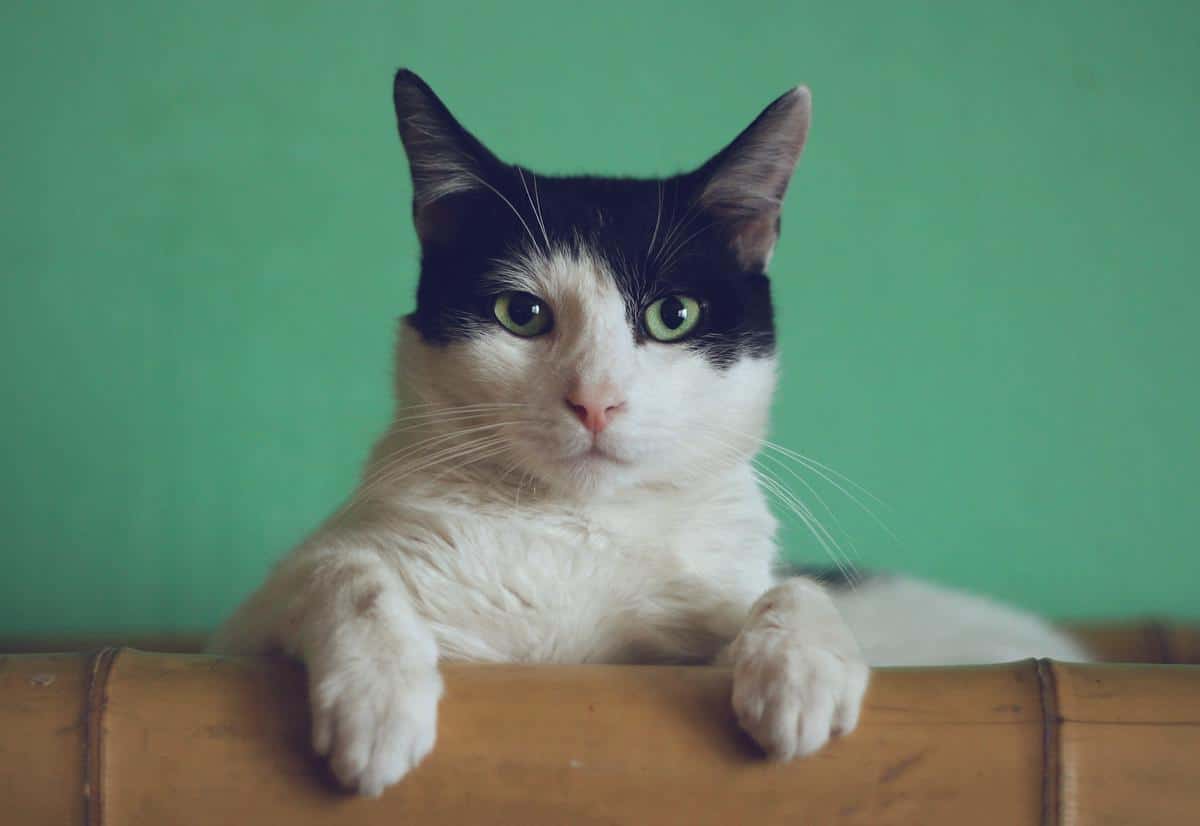
Photo by madhatterzone on Unsplash
Appreciating Personality Traits of Various Cat Breeds
With an assortment of elegant, fluffy, playful, and serene breeds, there is a feline for every family.
But did you know, not every breed’s temperament may suit your family’s lifestyle?
Understanding a cat breed’s personality traits is crucial, especially if you’re bringing one home for the first time.
It’s not just about how cute they look in the latest cat memes, it’s also about how well you’re able to support and accommodate their unique behavioral traits and quirks.
So, just in case you’re planning to welcome a paw-some friend into your family, here are some breed-specific personality traits to consider!
Before you succumb to the irresistible charm of a ragdoll cat’s crystal-like blue eyes, know that these beauties are intensely affectionate.
Often referred to as ‘puppy-like’, ragdolls thrive on human company and can follow their humans around the house.
If you’re unable to provide constant companionship, a ragdoll might feel lonely.
Maine Coons, on the other hand, are known for their “dog-like” loyalty and playful attitude.
They are good with children and make for great companions.
Though they’re not overly clingy, they are social butterflies and enjoy spending time with their human families.
Remember, a Maine Coon might not fit well in an extremely quiet or solitary household.
If you’re leaning towards outgoing and inquisitive breeds, the Siamese might be right up your alley.
Agile and adventurous, Siamese are so social that they often do well with dogs and other pets.

However, consider this: they like to express themselves vocally.
Your Siamese companion will definitely make their presence known!
Desiring a tranquil and quiet companion?
British Shorthairs are the epitome of calm.
They are not overly energetic or demanding, making them an excellent choice for a more serene household.
These cats appreciate their space and won’t demand constant attention, credit to their independent streak.
Sporting a wild look with a domestic heart, the Bengal is a beautiful breed.
They are incredibly active and intelligent, always in for a fun game.
Suitable for those who can match up with their high energy and provide amusement.
It’s important to note that while these breed-specific personality traits offer a general idea, each cat is unique and may express characteristics that differ from the breed standard.
The key point is to choose a breed whose traits align with your lifestyle, making the pet-parenting experience a joy for both you and your feline friend.
Happy cat hunting!

Adopting a cat is not a decision to be taken lightly since it is a long-term commitment. It’s a beautiful journey that goes hand in hand with the awareness of your choices. A cat’s breed significantly influences its behavior and how well it melds with your family’s lifestyle, activities, and personalities. Understanding the individual traits, needs, and life expectancy of various cat breeds will lead you to a mindful decision. In the end, regardless of breed, the most important thing is to provide a loving, nurturing, comfortable home for your furry friend.