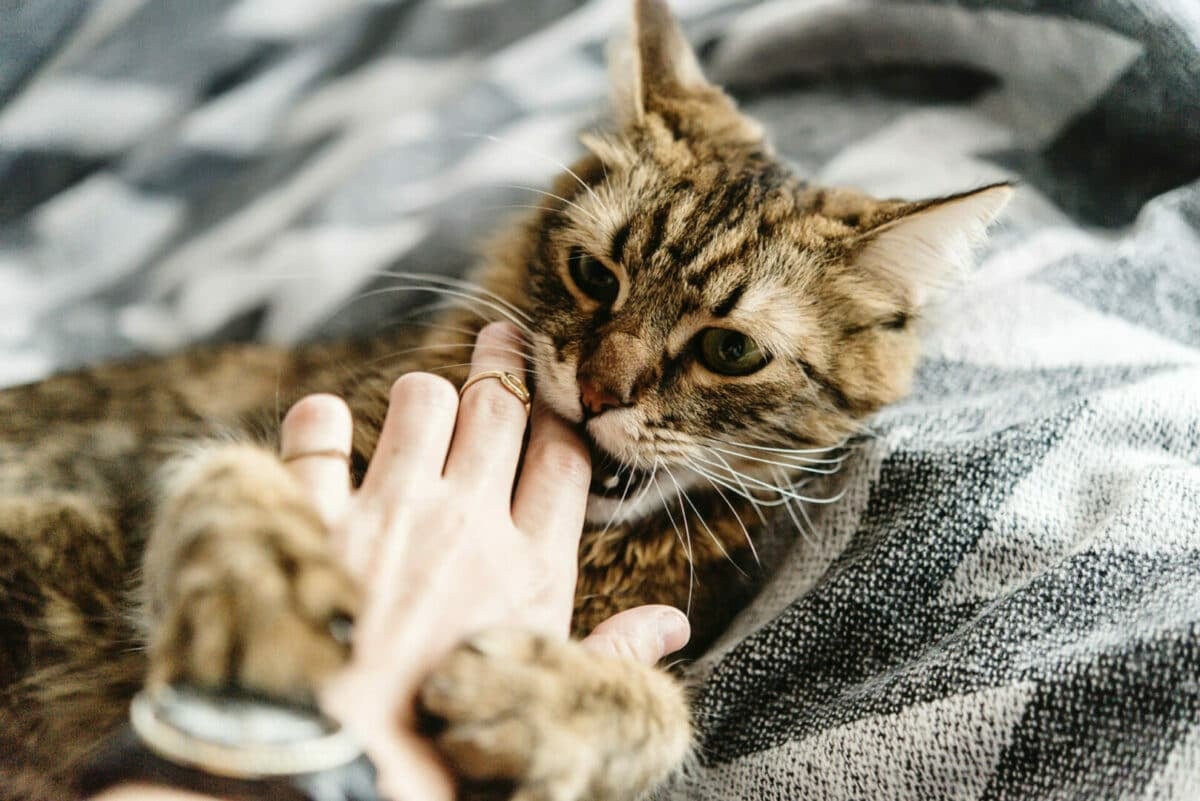

Imagine getting woken up in the middle of the night by a chorus of yowls from your beloved feline family member. While some people may think it’s just a cat being a cat, there is often more to this behavior than meets the eye. Yowling, a form of communication among cats, often signals discomfort or distress and usually takes on a more frequent and agitated tone during the nighttime hours. This article will explore various aspects of yowling, from understanding what it is, to the potential health reasons behind it, to coping methods for it, and ways to foster a well-balanced household for you and your feline friend.
Understanding Cat Yowling
Decoding the Late-Night Yowling: Is a Cat’s Cry for Attention or Something More?
Every loving cat owner knows the unique joys of life with a feline friend – their aloof yet affectionate demeanor, their predatory playfulness, and their silent, comforting purrs. But what’s up with those mystifying late-night yowling sessions? Whether you’re a long-time cat parent or a newcomer to the world of whiskered wonders, it’s crucial to know what your furry friend is trying to convey with those after-dark serenades.
First things first, it’s important to understand that a cat’s yowl is different from your average meow. Think of it as the feline equivalent of a toddler’s cry: it signals that your cat is striving to get your attention and maybe about something urgent.
One common reason for these nightly vocal performances is simply attention-seeking behavior. Cats are known to be notoriously active during the twilight hours. Since they naturally slumber most of the day, they are primed for interaction and play when we are winding down for the night. That wailing? It could just be kitty’s way of saying, “Hey, it’s playtime! Let’s get that feather teaser or laser pointer moving!”
It’s also worth considering that your cat might be feeling bored or lonely, especially if they’re the only pet in the house. Natural hunters, cats require stimulation. A variety of interactive toys can help burn off that pent-up energy and reduce the yowling.
On the flip side, age or health-related issues may be at play. As cats age, they can develop cognitive dysfunction syndrome, similar to Alzheimer’s disease in humans. Confusion or disorientation might lead to increased vocalization, particularly at night. A sudden increase in yowling could also signal physical distress, such as hunger, thirst, or pain. Regular vet check-ups are essential to rule out these possibilities and ensure your feline companion is in top-notch health.
For all the cat parents dealing with these nighttime symphonies, ensuring your furry friend has plenty of daytime interaction and stimulation, a consistent feeding schedule, and regular vet care can help address this behavior. Remember, it’s important that this advice doesn’t replace a visit to the vet. If any changes in behavior are noted, it’s always best to consult a professional.
So the next time your cat strikes up the band at an ungodly hour, understanding the reasons behind their behavior will lead to a more harmonious household – because nothing should get in the way of loving our feline friends!
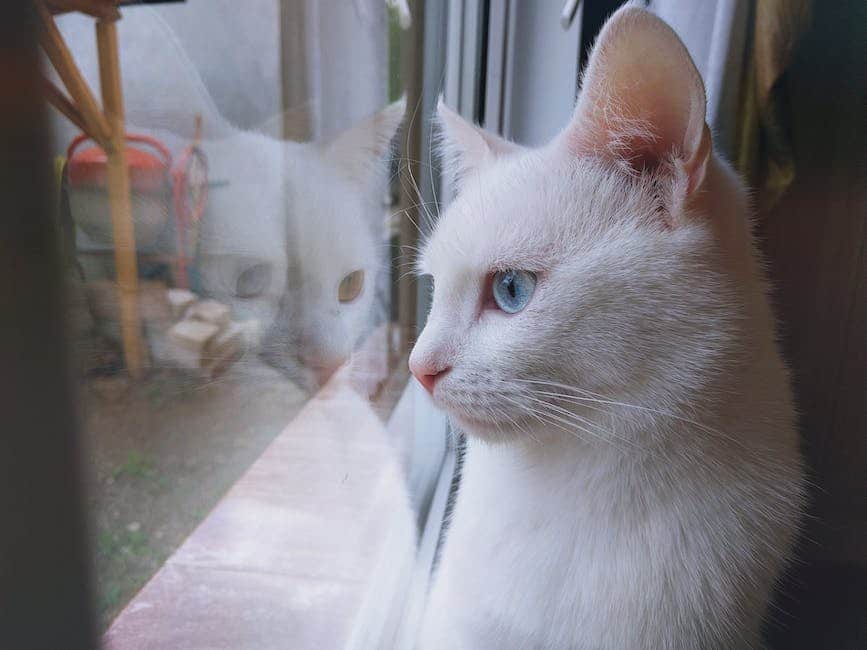
Health Reasons Behind Cat Yowling
Unraveling the Mystery: Is Your Cat’s Nighttime Yowling A Sign of Health Issues?
Cats, just like us humans, have their own unique way of communicating. It’s utterly charming, isn’t it? The adorable shrills and lovely squawks, expressing their delight at seeing their favorite playmate – you! However, sometimes their normal chatter may transform into intense nighttime yowling – something, we can all agree, isn’t as cute, especially in the wee hours of the morning.
There could be a sea of factors contributing to your feline friend’s nighttime concert. We’ve somewhat shed light on the role of attention-seeking, loneliness, and boredom. Age and health-related factors also play critical roles, which we’ve already discussed along with cognitive dysfunction syndrome in older cats. Yet, we’re yet to dive deeper into the health-related aspects. So could there be health concerns lurking behind your cat’s yowling? Let’s find out.
As responsible parents to our cuddly furballs, we must stay vigilant to sudden or drastic changes in their behavior. An upsurge in yowling frequency, especially during nighttime, may be a cry for help. It’s important not to brush off these yowls as just another quirky feline behavior, for they could signal something more serious.
So, what health problems could possibly trigger yowling? For starters, in elder cats, declining eyesight or hearing could contribute to increased yowling. Essentially, yowling could be a sign of their discomfort or disorientation due to these challenges. Moreover, conditions such as thyroid imbalances, especially hyperthyroidism, and high blood pressure, could trigger excessive yowling at night. Often unnoticed by cat parents, these disorders, unfortunately, are quite prevalent in a significant chunk of the feline population.
Another possibility is our feline friends are dealing with some sort of physical discomfort or pain, be it something as common as a hairball issue or graver concerns such as kidney disease. A simple rule of thumb to follow: If you feel your cat’s behavior is deviating from its norm, it’s time for a head-to-toe health check, preferably under the guidance of your trusted veterinary professional.
To keep the nightly yowling in check, consider establishing a balanced diet and regular feeding schedule for our feline family members. You already have some wonderful interactive toys and hopefully, you’re engaging in daily play to keep them stimulated, but don’t forget that nutrition plays a significant role too. Speak with your vet about personalized dietary recommendations – it works wonders!
In a nutshell, it’s essential to observe and understand your cat’s behavior and respond proactively when seemingly unusual patterns begin to form. Remember, you aren’t just a pet owner; you’re part of your cat’s world, a trusted companion they turn to when things don’t seem just right. Regardless of what might be triggering the nocturnal yowling, remember, it’s always best to consult your veterinarian – because at the end of the day, there really is no substitute for professional advice. So, be observant, be responsive, and enjoy the vibrantly colored tapestry of life with your beloved feline companion.

Coping with Cats Yowling at Nights
Helping Your Furry Friend: How to Curb Night-time Yowling
As dedicated cat parents, we love our feline companions dearly, yet their unexpected quirks can sometimes leave us puzzled. Night-time yowling is one such mystery that could perplex even the most experienced cat owners. With a multitude of potential causes already discussed, let’s delve deeper into some actions and preventative measures to tackle this behavior among our furry friends.
Creating a calm environment for our cats can often work wonders towards decreasing any nighttime disturbances. Dim lights and soft ambient sounds can provide a relaxed atmosphere that encourages sleep. Anti-anxiety toys and blankets are also beneficial, enveloping our pets in a sense of security when we can’t be there to comfort them.
While hyperactivity might seem like a sweetheart during the day, this energy could translate into late-night yowling. As such, maintaining a routine of playtime and physical activity specifically tailored to a pet’s needs will help release any pent-up energy. Opt for engaging cat toys like puzzles or lasers to mentally stimulate them, compelling them to retire early at night.
The timing of meals can additionally play a significant role in the sleep routine of our furry buddies. Try scheduling the heaviest meal in the late evening hours; a full belly would naturally incline them towards a peaceful slumber, significantly lessening the chances of late-night yowling.
Moreover, try to create a safe space exclusively for the cat. This space, whether it’s a particular room, a soft cat bed, or even a cozy corner, will provide them with a sense of comfort and routine, helping to reduce stress and anxiety-induced yowling.
For our older feline compatriots dealing with age-related ailments or declining sense such as eyesight or hearing, specially designed cat-friendly resources can be beneficial. Ramps or pet steps alleviate joint stress from jumping, while accessible litter boxes help manage any age-related incontinence.
We understand that it’s indeed a challenging task to discern any subtle transformations in our cat’s behavior. However, their well-being relies heavily on us being observant and responsive to any changes. Look out for signs of distress or discomfort, not only physically but also emotionally, and provide them with the necessary care as soon as possible.

Finally, remember that professional advice can be invaluable when it comes to the health of your feline friend. So, don’t hesitate to reach out to a veterinarian if your cat’s behavior changes or becomes concerning. They would be best equipped to provide personalized advice and treatments to ensure your cat’s health and happiness.
So, dear cat owners, let’s venture into this journey of maintaining our bond with our fur babies, learning every step of the way, and ensuring they lead a joyful, yowl-free life at our side. With these pointers in mind, night-time yowling doesn’t stand a chance against our strong commitment to ensuring the highest quality of life for our four-legged family members.
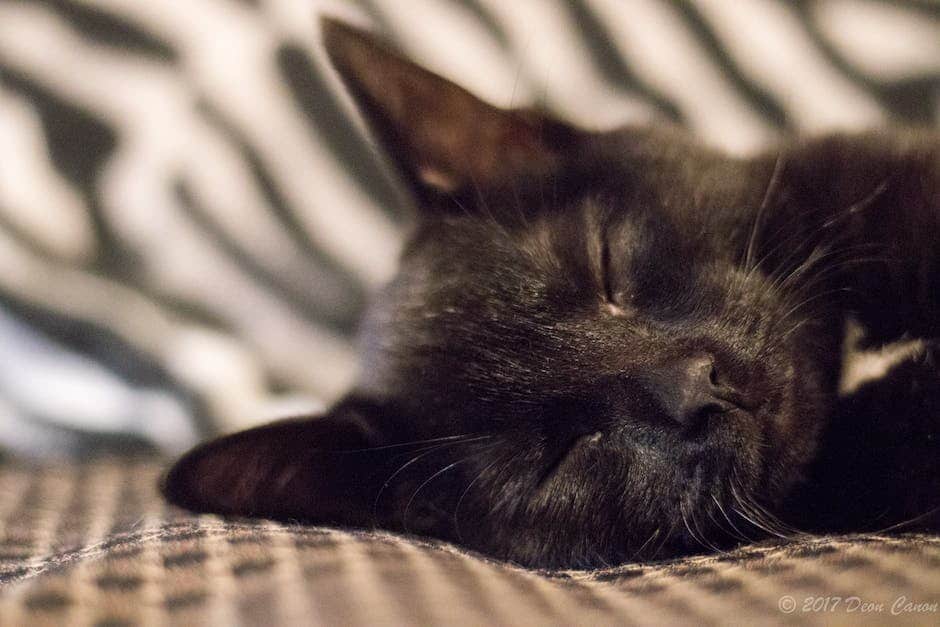
Maintaining a Balanced Household
Creating a Cat-Friendly Nighttime Routine
A peaceful household that includes both children and pets can sometimes seem like an impossible feat, especially when it comes to our feline friends who have a knack for nocturnal activities. Yet, it can be achieved with patience, understanding, and a few adjustments to your routine.
A great place to start is by establishing a predictable bedtime schedule that aligns with your family’s routine. Just as children thrive on routine, so do our furry friends. Bedtime rituals prepare both the body and mind for slumber.
Try to incorporate some gentle playtime with your cat before bedtime. This can help to expend their energy and make them more inclined to sleep during the night. However, make sure this playtime isn’t too rigorous, or it may have the opposite effect!
Feeding your cat a small snack just before bedtime can also promote drowsiness. This aligns with their natural instincts to sleep after a hunt or meal. Look into cat foods specifically designed for nighttime feeding. Always consult your vet before making dietary changes though.
Creating a cozy sleep environment for your feline friend is just as critical as it is for your children. Cats need a safe, quiet, and comfortable place to sleep. An ideal spot may be a secluded corner, a cat bed, or even a heated pad for colder months. Make this space as inviting as possible by including their favorite blanket or a piece of your clothing that carries your scent.
For cats that struggle with anxiety, consider introducing calming pet products that are specifically designed to relieve stress. For example, anti-anxiety cat beds or items infused with synthetic feline pheromones can create a sense of safety and calm for your pet.
Remember, older cats may have unique requirements. Accommodate these by providing additional comfort measures, such as heated beds, ramps for easier mobility, and nightlights to help aging eyes.
Lastly, stay vigilant for any notable changes in your cat’s nighttime behavior. Increased yowling, less sleep, or any alteration in routine might signal an underlying issue. A quick consultation with your vet can provide insight and ensure your cat’s wellbeing.
Creating a serene coexistence between your family and cat, particularly during the nighttime, can certainly feel like a challenge. But with patience, love, and consideration for your cat’s natural instinct and behavior, a sound night’s sleep may just become the new norm for your household.
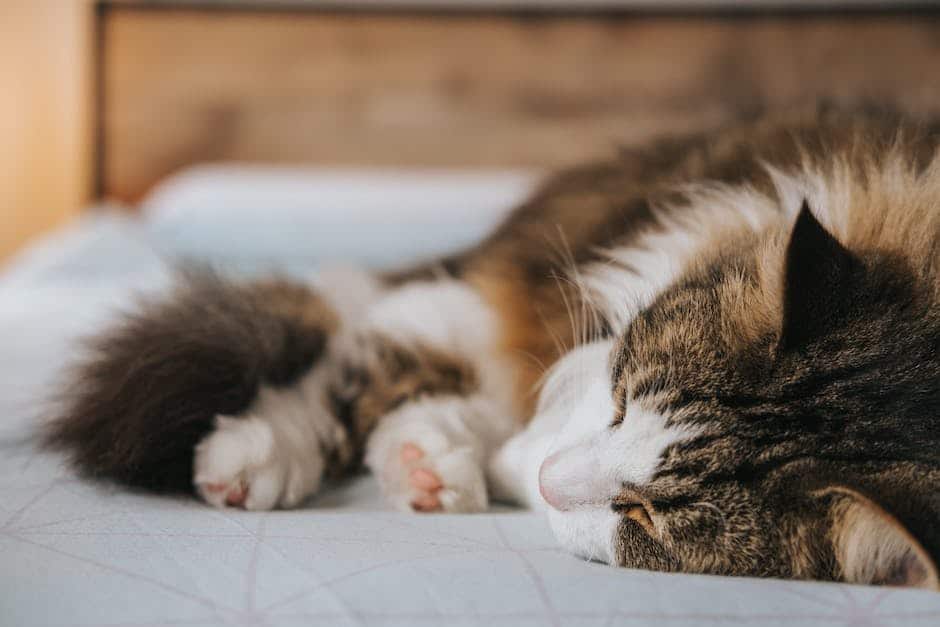
Ensuring a serene and harmonious home environment is essential for everyone, including our feline companions. Understanding the reasons behind their nighttime yowling and catering to their needs can significantly reduce these disturbances. While it might be a struggle at times, providing appropriate interaction, maintaining regular routines, and offering a bucket load of love and patience can transform your nighttime ordeals into peaceful slumbers. At the same time, watching out for signs of potential health issues underlying your cat’s yowling is critical. A happy cat leads to a happy home, making the journey of pet parenthood a rewarding one.